
Koishikawa Tokyo
A serene Edo-period garden in Tokyo, renowned for its stunning autumn foliage and traditional Japanese landscape design.
Highlights
Must-see attractions

Social
From TikTok & Reddit
Best Time
Peak autumn colors
Koishikawa Tokyo
Best Time
Peak autumn colors
Highlights
Must-see attractions
A serene Edo-period garden in Tokyo, renowned for its stunning autumn foliage and traditional Japanese landscape design.
"An affordable oasis of tranquility, Koishikawa Korakuen offers breathtaking beauty, especially in autumn."
🎯 Budget-Friendly Entry
Admission is only ¥300, making it a steal for such a beautiful spot! :moneybag:
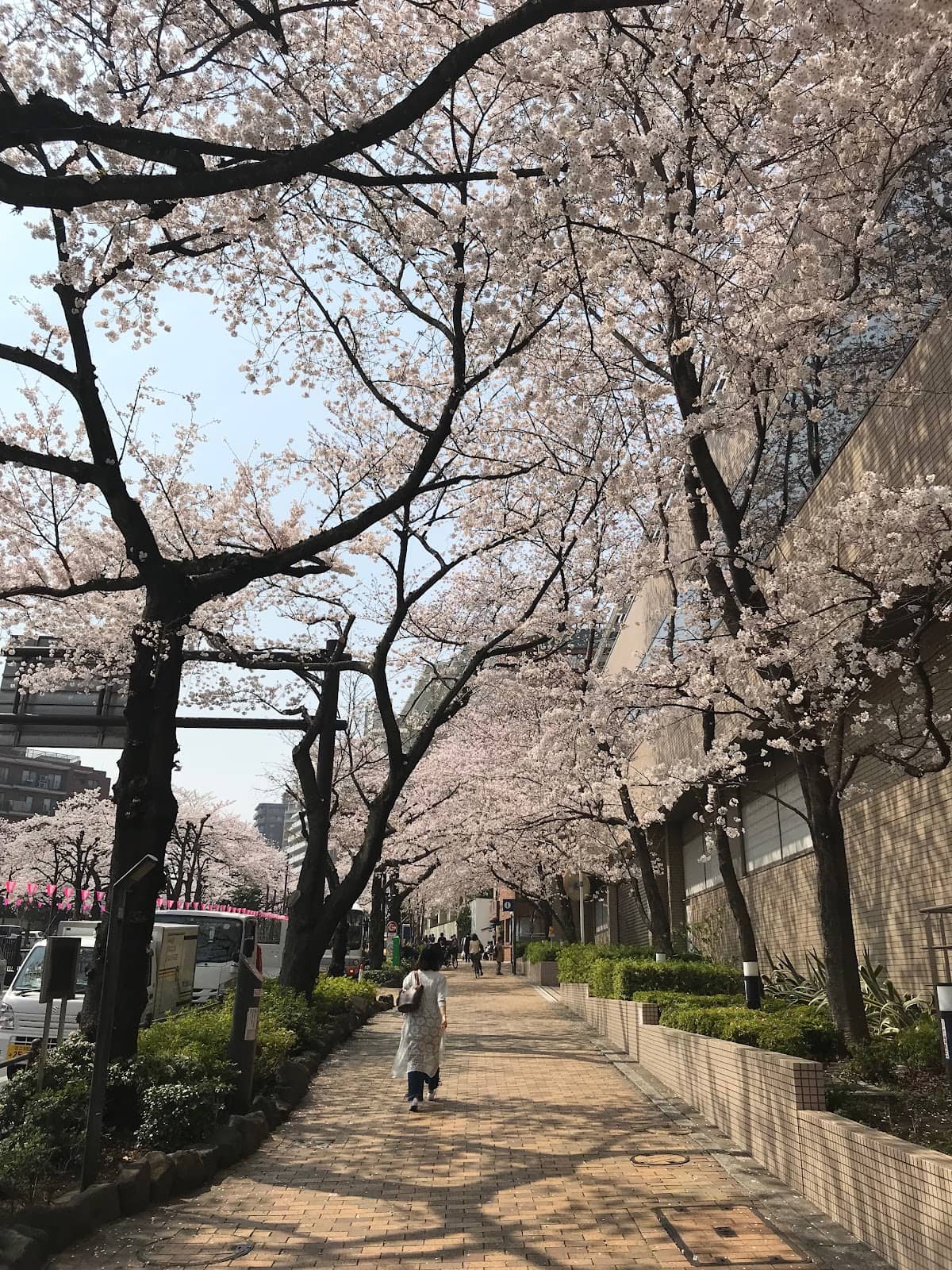
🍂 Catch the Fall Colors
Visit late November to early December for stunning autumn foliage. :maple_leaf:
Highlights
Discover the most iconic attractions and experiences
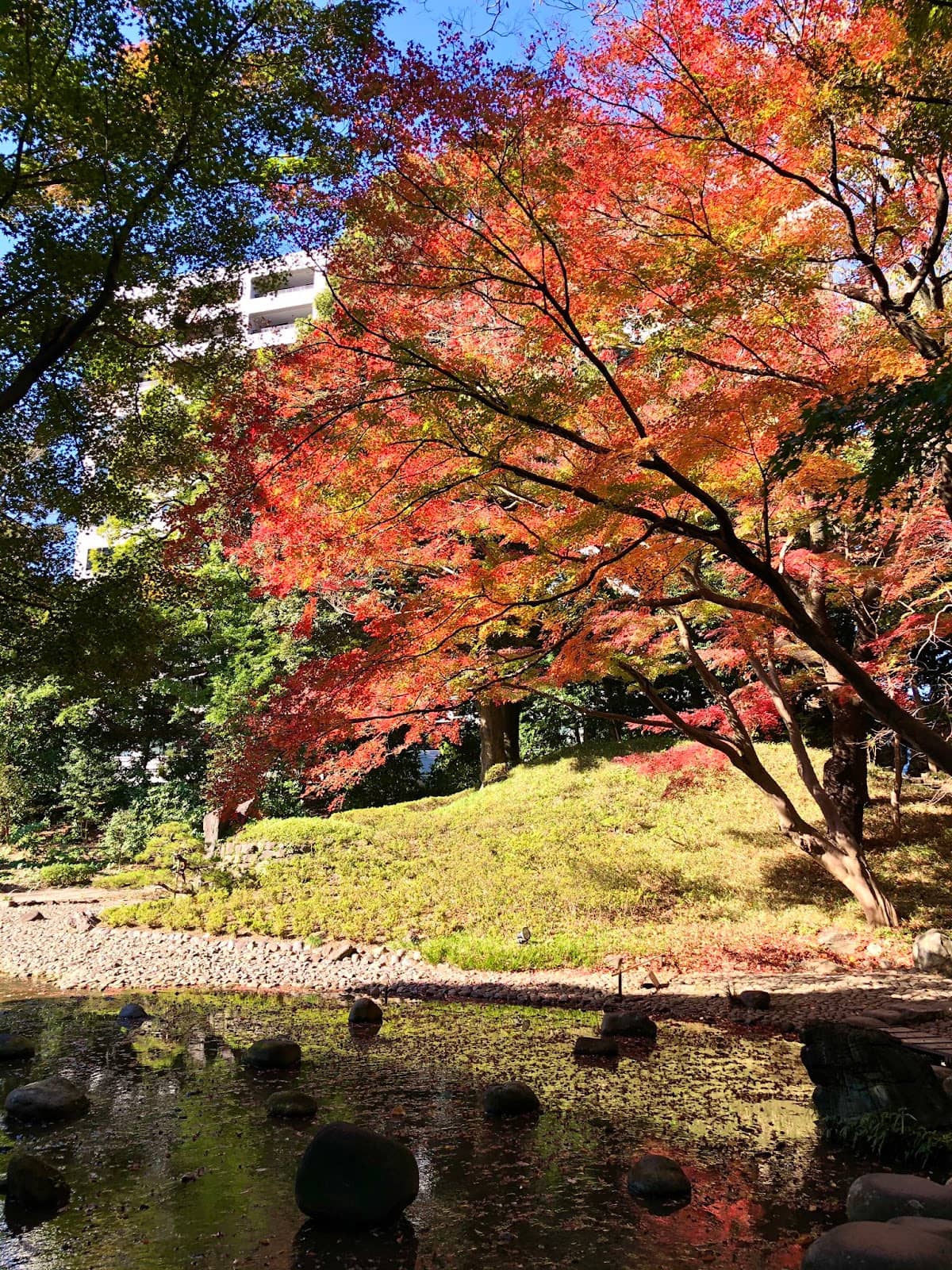
Autumn Foliage Spectacle
Throughout the garden
Vibrant hues of red, gold, and burgundy paint the landscape, creating a breathtaking autumn panorama.
Tranquil Ponds and Bridges
Central pond area
Reflections of the changing leaves on the water create a serene and picturesque scene.
Edo-Period Landscape Design
Various viewpoints
Experience the artistry of traditional Japanese garden design, a testament to centuries of horticultural skill.
Plans like a pro.
Thinks like you
Planning Your Visit
Timing Your Visit for Peak Beauty
Affordable Entry, Priceless Views
Best Times
Insider Tips
from TikTok, Instagram & Reddit
🎯 Budget-Friendly Entry
Admission is only ¥300, making it a steal for such a beautiful spot! :moneybag: 
🍂 Catch the Fall Colors
Visit late November to early December for stunning autumn foliage. :maple_leaf:
✨ Evening Illuminations
Check for special evening openings with projection mapping shows in October. :sparkles:
👟 Comfortable Walking Shoes
You'll want to explore every corner, so wear comfy shoes! :athletic_shoe:
Tips
from all over the internet
🎯 Budget-Friendly Entry
Admission is only ¥300, making it a steal for such a beautiful spot! :moneybag:
🍂 Catch the Fall Colors
Visit late November to early December for stunning autumn foliage. :maple_leaf:
✨ Evening Illuminations
Check for special evening openings with projection mapping shows in October. :sparkles:
👟 Comfortable Walking Shoes
You'll want to explore every corner, so wear comfy shoes! :athletic_shoe:
📸 Perfect Photo Ops
The garden offers countless picturesque spots, especially during autumn. :camerawithflash:
What Travellers Say
Reviews Summary
Visitors consistently praise Koishikawa Korakuen for its stunning beauty, especially during autumn, and its incredibly affordable entrance fee. It's seen as a peaceful oasis in the city, offering a glimpse into traditional Japanese garden design. Some visitors note that it can get crowded during peak foliage season.
What People Like
What People Dislike
Frequently Asked Questions
🚇 🗺️ Getting There
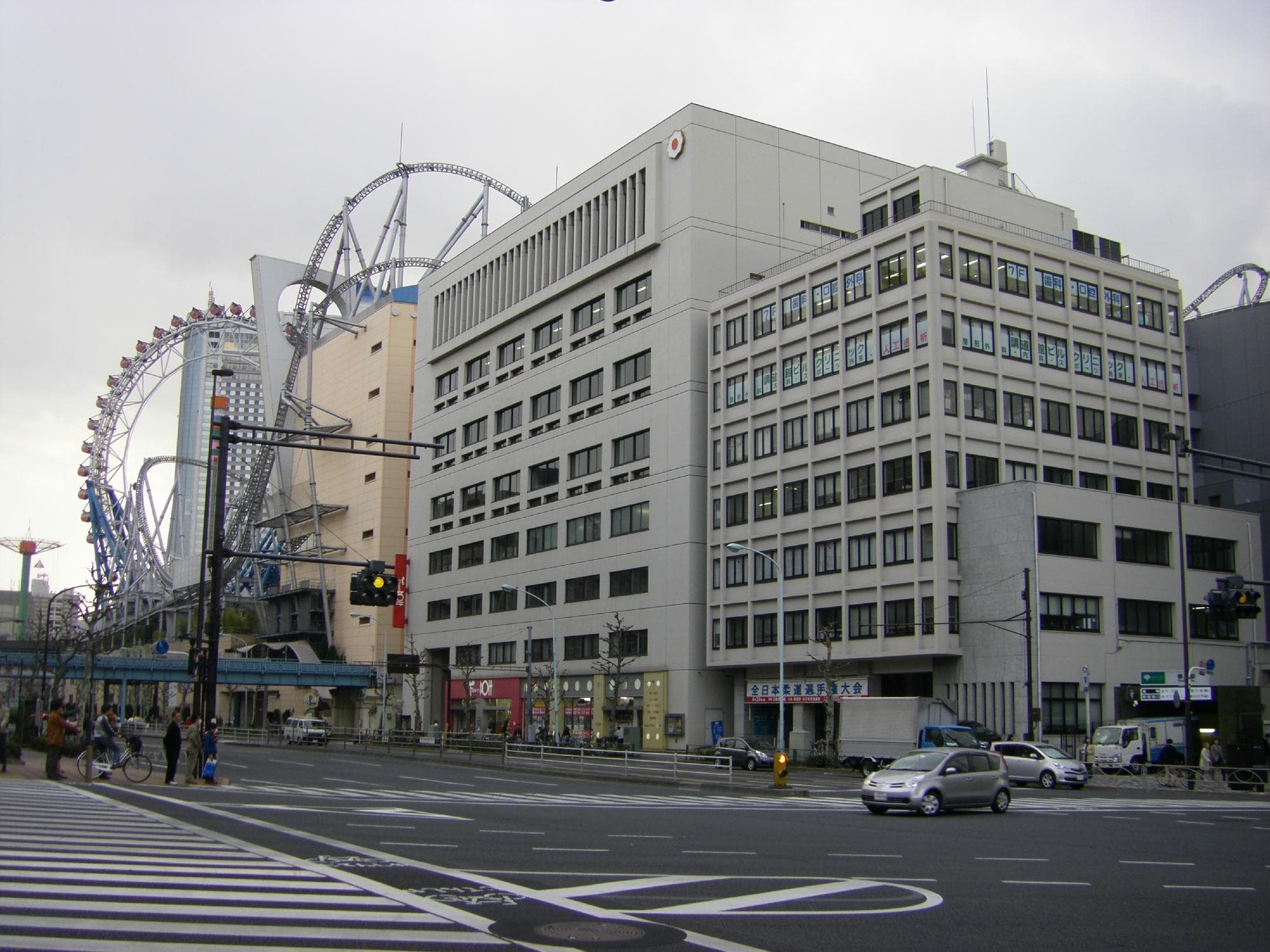
Koishikawa Korakuen is easily accessible by public transport. It's a short walk from Iidabashi Station (JR, Tokyo Metro, Toei Subway) or Korakuen Station (Tokyo Metro, Toei Subway). Many visitors find it convenient to combine a visit with the nearby Tokyo Dome City.
Yes, Koishikawa Korakuen Gardens is located right next to Tokyo Dome City, making it a popular addition to a day of sightseeing in that area.
Iidabashi Station (JR, Tokyo Metro, Toei Subway) and Korakuen Station (Tokyo Metro, Toei Subway) are both very close. Choose the one that best suits your travel route.
While it's a beautiful garden, it's likely too far to walk from most central Tokyo hotels. Public transportation is highly recommended for efficient travel.
From Iidabashi Station, it's about a 5-10 minute walk. From Korakuen Station, it's also a short walk. Follow signs for Koishikawa Korakuen.
🎫 🎫 Tickets & Entry
The admission fee is very affordable at just ¥300 per adult. This makes it one of Tokyo's most accessible and beautiful attractions.
Typically, the garden is open from 9:00 AM to 5:00 PM daily, though hours can vary slightly by season. It's always a good idea to check the official website for the most up-to-date information.
No, advance booking is generally not required for regular visits. You can purchase tickets at the entrance. Special evening events might have different ticketing procedures.
While the base price is already very low, there aren't typically widespread discounts advertised. The ¥300 fee is considered excellent value.
Yes, the garden sometimes hosts special events, such as evening openings with projection mapping shows, particularly during autumn. These events may have different hours and admission details.
📸 📸 Photography
The entire garden is a photographer's dream! Key spots include the central pond with its reflections, the picturesque bridges, and any area with vibrant autumn foliage. Look for unique angles of the traditional landscape.
Yes, photography is generally allowed throughout the garden for personal use. Be mindful of other visitors and avoid using tripods in crowded areas.
Early morning or late afternoon often provide the best light for photography, minimizing harsh shadows and creating a softer glow. Golden hour is particularly magical.
Drone photography is typically prohibited in Japanese gardens and public parks to ensure the safety and tranquility of visitors. Always check local regulations.
Absolutely! The autumn foliage is the main draw for photographers. Capture the vibrant colors reflecting in the water and framing the traditional structures.
🎫 🌳 Onsite Experience
Most visitors spend 1-2 hours exploring the garden at a leisurely pace. This allows time to appreciate the different sections, take photos, and relax by the water.
It's a classic example of a Japanese garden in the Tsukuyama-sensui kaiyushiki style, featuring hills, ponds, and meticulously arranged rocks and plants. It's one of Tokyo's oldest and most beautiful.
The garden boasts a variety of scenic spots, including the central pond, various bridges, a teahouse, and historical elements like the 'Chinese cobblestone' path.
Yes, it's an ideal place for a peaceful stroll. The winding paths and serene atmosphere are perfect for unwinding and enjoying nature within the city.
The 'Chinese cobblestone' refers to a specific pathway within the garden, adding a unique architectural element and a touch of cultural influence to the landscape.
For Different Travelers
Tailored advice for your travel style
👨👩👧 Families with Kids
Consider making it a part of a larger outing, perhaps combined with a visit to the nearby Tokyo Dome City. This way, you can balance the tranquility of the garden with more active entertainment for the children. Pack some snacks and drinks, as facilities within the garden are limited, and enjoy a peaceful escape that's both educational and visually stimulating.
💰 Budget Travelers
Combine your visit with affordable public transportation and perhaps a packed lunch to enjoy amidst the scenery. It's a perfect way to experience a quintessential Tokyo attraction without spending a fortune, allowing you to allocate your budget to other experiences.
Deep Dives
In-depth insights and expert knowledge
The Allure of Autumn at Koishikawa Korakuen
+1While the autumn colors are a highlight, it's important to be prepared for crowds during this peak period. To experience the garden's beauty with fewer people, consider visiting on a weekday morning. For a truly unique experience, keep an eye out for special evening events in October, which sometimes feature enchanting projection mapping shows that illuminate the garden in a magical way.
+1Beyond the foliage, the garden's design itself is a masterpiece. It's a prime example of a Tsukuyama-sensui kaiyushiki style Japanese garden, meticulously crafted to evoke natural landscapes. The careful arrangement of hills, ponds, and flora creates a sense of depth and harmony, making it a perfect spot for quiet contemplation and appreciation of traditional Japanese aesthetics.
A Glimpse into History and Design
The garden's design is a masterful blend of naturalistic and symbolic elements. You'll find a central pond, carefully sculpted hills, and a variety of trees and plants chosen for their seasonal beauty and symbolic meaning. Features like the 'Chinese cobblestone' path add a unique cultural touch, showcasing the garden's historical influences.
Exploring these elements offers a fascinating insight into the aesthetic values and cultural landscape of feudal Japan.Despite its historical significance, Koishikawa Korakuen remains remarkably accessible. The low entrance fee of ¥300 makes it an affordable way to step back in time and experience a piece of Tokyo's rich heritage. It's a place where history, nature, and art converge, offering a peaceful retreat from the bustling modern city.
+1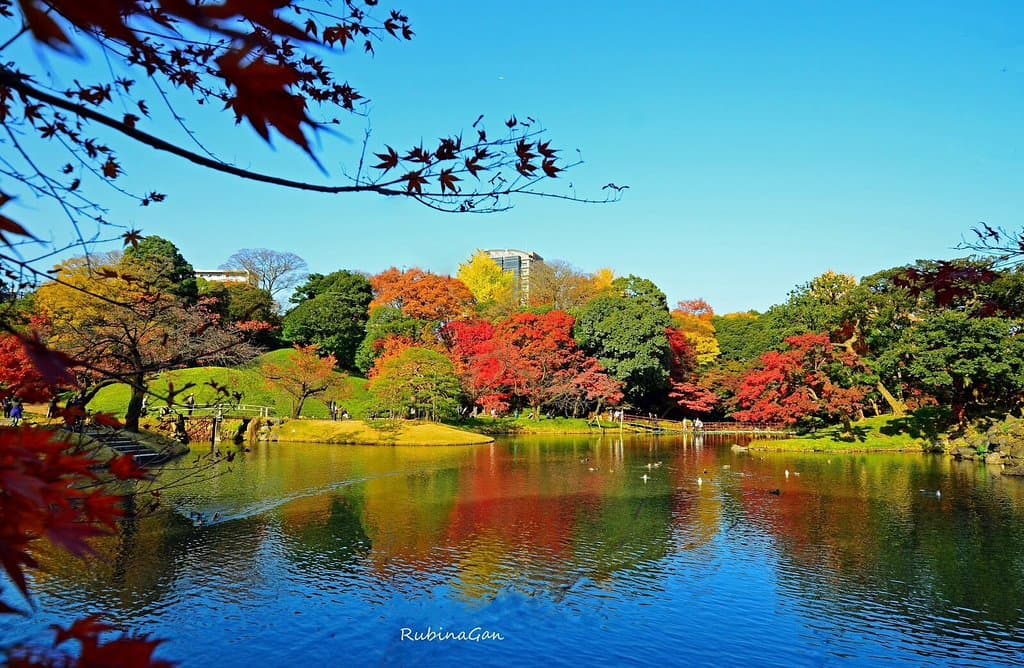

Social
from TikTok, Instagram & Reddit