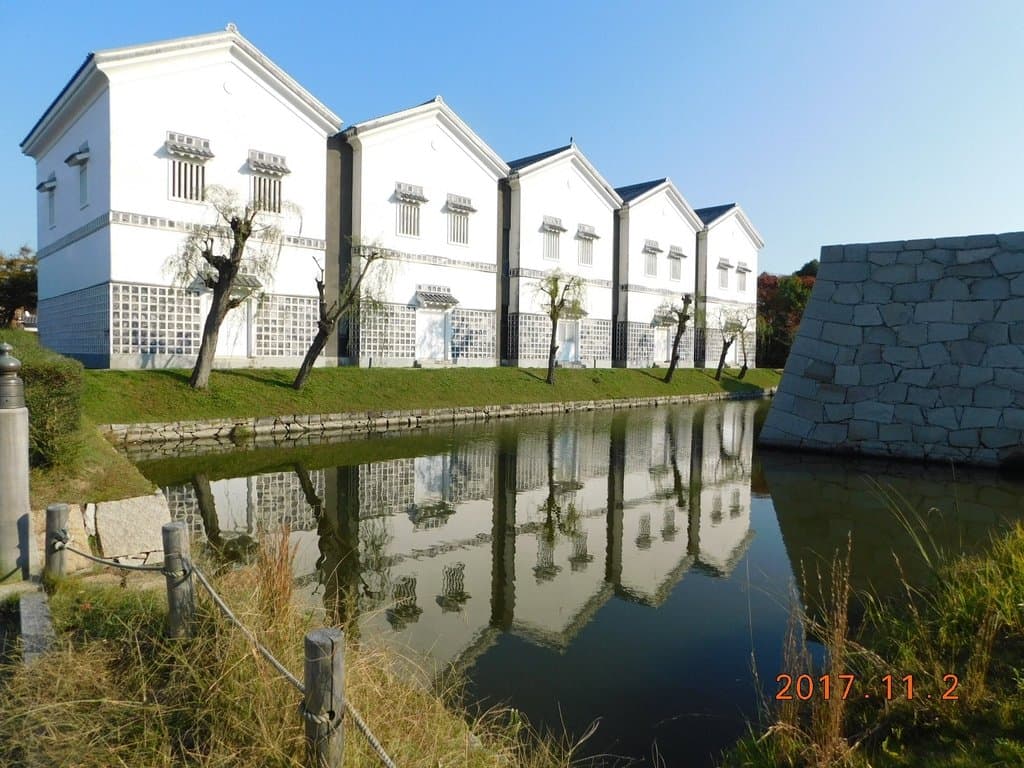
Ako City Museum of History
Discover Ako's rich history through its vital salt industry and the legendary tale of the 47 Ronin.
Highlights
Must-see attractions

Social
From TikTok & Reddit
Best Time
Fewer crowds, more peaceful exploration
Ako City Museum of History
Best Time
Fewer crowds, more peaceful exploration
Highlights
Must-see attractions
Discover Ako's rich history through its vital salt industry and the legendary tale of the 47 Ronin.
"Affordable entry to explore Ako's salt heritage and the dramatic Ako Incident."
💰 Affordable Entry
Admission is very reasonable, often around 200-300 yen, making it a budget-friendly visit. :moneywithwings:
🗣️ Language Barrier
Most explanations are in Japanese. Consider a translation app or guide if you don't read Japanese. :iphone:
Highlights
Discover the most iconic attractions and experiences
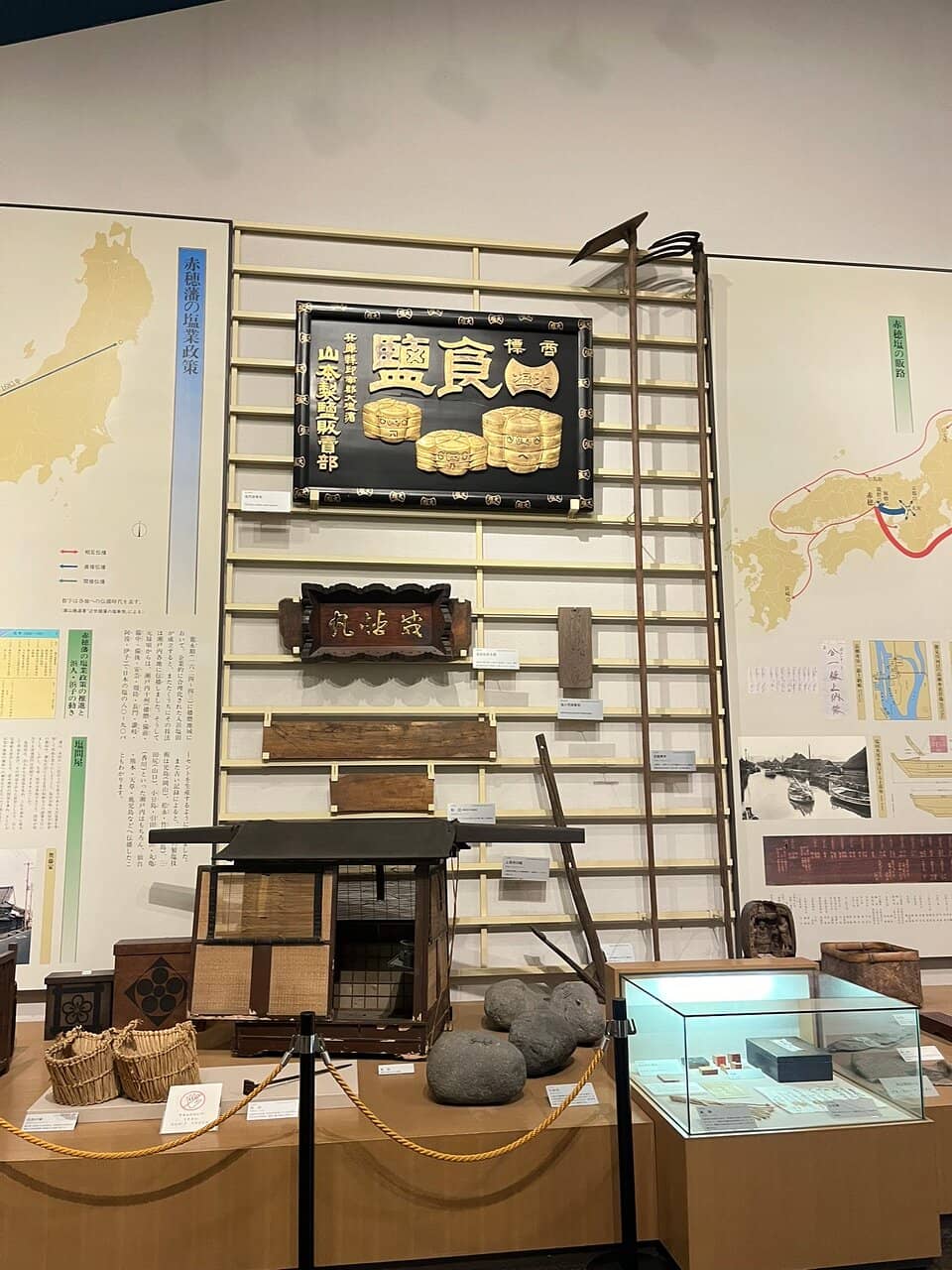
Salt Industry Models
Salt Land and Maritime Museum section
See detailed models of ancient salt fields and learn about the salt production process that made Ako prosperous.
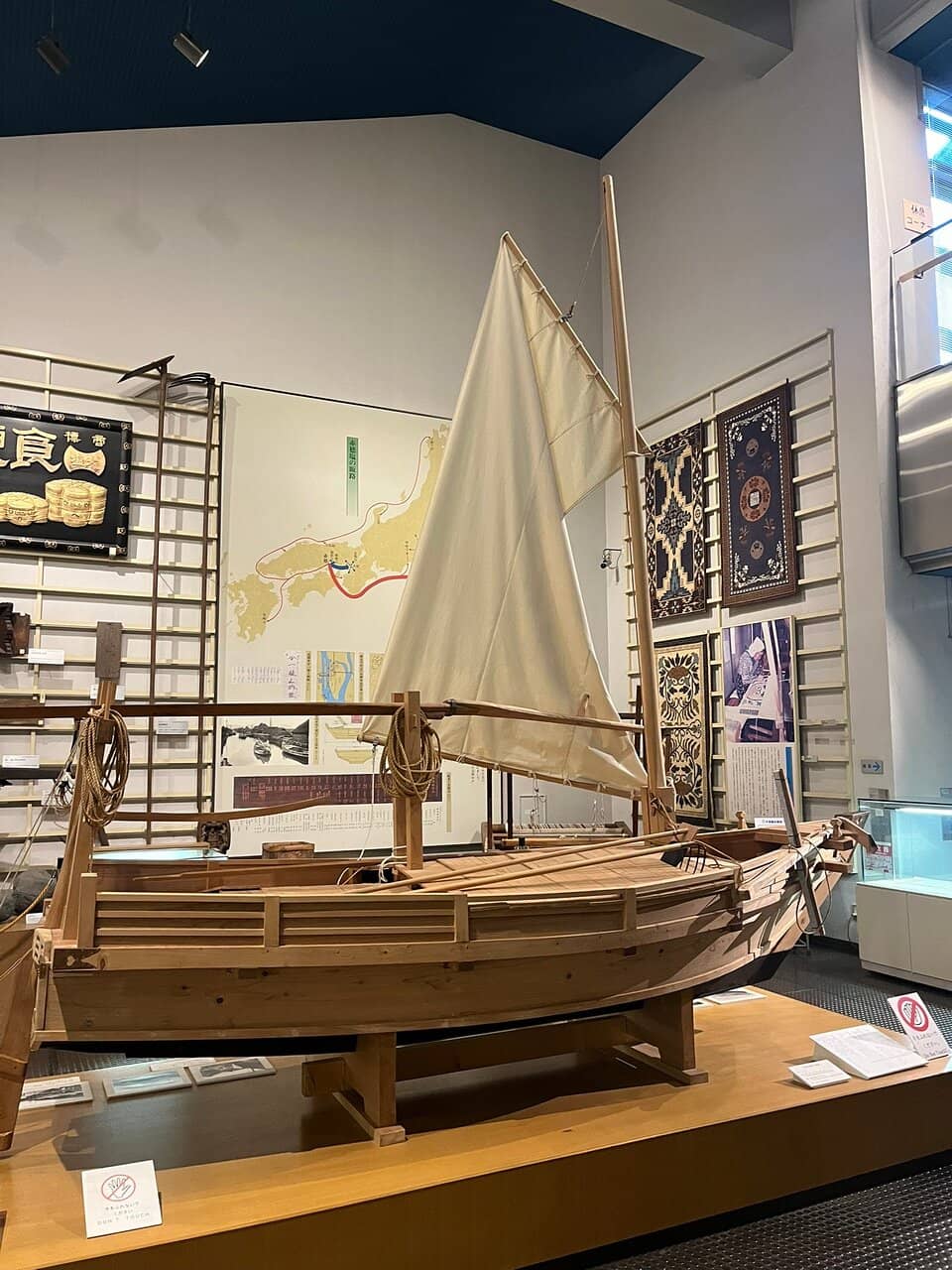
Merchant Ship Replica
Maritime section
A large replica of a merchant ship showcases Ako's historical maritime trade and distribution networks.
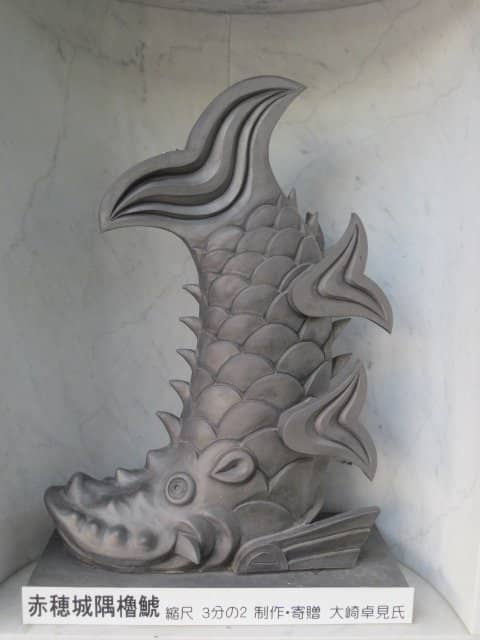
Ako Incident (Chushingura) Exhibit
Ako Roshi section
Explore the dramatic story of the 47 Ronin through exhibits and a video presentation.
Plans like a pro.
Thinks like you
Planning Your Visit
Understand Ako's Salt Heritage
Embrace the Ako Incident
Best Times
Insider Tips
from TikTok, Instagram & Reddit
💰 Affordable Entry
Admission is very reasonable, often around 200-300 yen, making it a budget-friendly visit. :moneywithwings:
🗣️ Language Barrier
Most explanations are in Japanese. Consider a translation app or guide if you don't read Japanese. :iphone:
🏰 Ako Castle Stamp
This is a key spot to get the Ako Castle 100 Famous Castles stamp. :stamp:
🎬 Chushingura Video
Watch the video to understand the Ako Incident story, especially if traveling with others unfamiliar with it. :movie_camera:
Tips
from all over the internet
💰 Affordable Entry
Admission is very reasonable, often around 200-300 yen, making it a budget-friendly visit. :moneywithwings:
🗣️ Language Barrier
Most explanations are in Japanese. Consider a translation app or guide if you don't read Japanese. :iphone:
🏰 Ako Castle Stamp
This is a key spot to get the Ako Castle 100 Famous Castles stamp. :stamp:
🎬 Chushingura Video
Watch the video to understand the Ako Incident story, especially if traveling with others unfamiliar with it. :movie_camera:
What Travellers Say
Reviews Summary
Visitors find the Ako City Museum of History to be an affordable and informative stop, particularly for its exhibits on the local salt industry and the famous Ako Incident. While the lack of English explanations is a common drawback, the visual displays and the opportunity to collect the Ako Castle stamp are highlights for many.
"The landscape of Ako is suitable for creating salt fields, and salt production has been active here since ancient times.
Ako's high quality salt was distributed through the country, enriching this region.
This museum displays models of salt fields and a huge merchant ship, and explains the history of Ako's salt industry."
K2
"This place was ok, not a whole lot to see, paid ¥300 to get in. Everything is in Japanese, it cool to look at old pictures and drawings but unfortunate not to be able to learn about the history. Wish there was some English explanations."
Pono Guerrero
"It was a history museum with a variety of materials, including information on salt and the history and culture of Ako.
It was two stories tall and had a lot of materials, so I learned a lot.
There was also information on the famous story of the Ako Roshi raid.
By the way, this was the spot where you can get the Ako Castle 100 Famous Castles stamp."
東北グルメ
What People Like
What People Dislike
Frequently Asked Questions
🚇 🗺️ Getting There
The museum is accessible by public transport. From JR Ako Station, it's a short bus ride or a walk. Check local bus routes for the most convenient option.
Information on parking availability can vary. It's advisable to check the museum's official website or local tourist information for the most up-to-date parking details.
🎫 🎫 Tickets & Entry
Admission is quite affordable, typically around 200 to 300 yen, making it an economical choice for visitors. :yen:
While specific discounts aren't widely advertised, the low general admission price makes it accessible for most travelers. Inquire at the ticket counter for any potential group or student rates.
Opening hours can vary seasonally. It's best to check the official Ako City Museum of History website for the most current operating times before your visit.
🎫 🧭 Onsite Experience
The museum focuses on Ako's salt industry history with detailed models and explanations, as well as the famous Ako Incident (Chushingura) story, complete with a video presentation. :scroll:
While informative, the exhibits are primarily text-based and in Japanese. Younger children might find the models and video more engaging than the detailed historical explanations.
Photography policies can differ. It's generally recommended to check for signage or ask museum staff about restrictions on taking pictures, especially of specific exhibits or the video.
Unfortunately, most exhibits are in Japanese. Visitors who don't read Japanese may find it challenging to fully grasp the historical context without a translation app or prior research. :speakingheadin_silhouette:
The Ako City Museum of History is a designated location for obtaining the Ako Castle 100 Famous Castles stamp. :castle:
🍽️ 🍽️ Food & Dining
The museum itself typically does not have a restaurant. However, there are usually local eateries and cafes in the vicinity of Ako Station and the city center offering Japanese cuisine.
Given Ako's history, trying local salt-infused dishes or seafood is recommended. Explore restaurants near the coast for fresh catches.
📸 📸 Photography
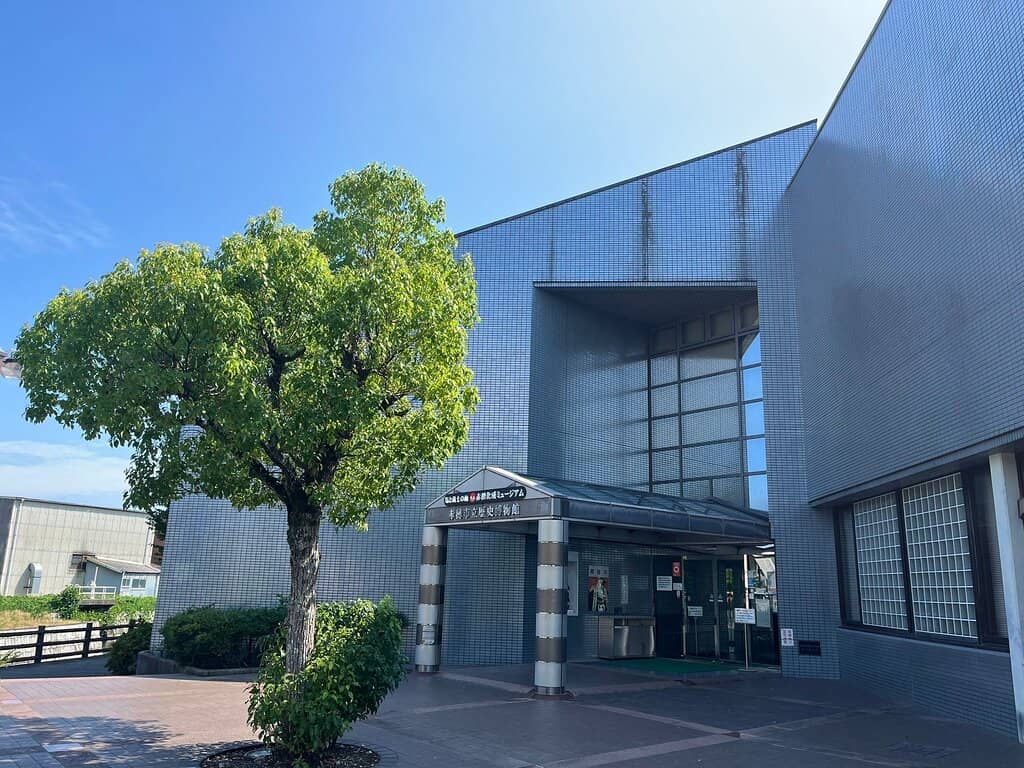
The detailed models of salt fields and the merchant ship replica offer unique photographic subjects. The exterior of the museum and any historical artifacts on display can also be visually interesting.
It's always best to confirm photography rules upon arrival. Some exhibits, particularly those involving delicate artifacts or video presentations, may prohibit flash photography or any photography.
For Different Travelers
Tailored advice for your travel style
👨👩👧 Families with Kids
💰 Budget Travelers
Deep Dives
In-depth insights and expert knowledge
Ako's Salt Industry: A Foundation of Prosperity
The exhibits provide a comprehensive overview of how salt production shaped Ako's culture and economy. Visitors can learn about the evolution of salt-making techniques and the impact of this industry on the lives of its people. The museum's dedication to preserving and presenting this history makes it an essential stop for understanding the roots of Ako's identity. It's a fascinating look into a traditional industry that, while perhaps less prominent today, laid the foundation for the city's prosperity.
While the museum offers a wealth of information, it's important to note that most of the explanations are in Japanese. Travelers who don't read Japanese might find it beneficial to use a translation app or do some pre-trip research on Ako's salt history to fully appreciate the exhibits. Despite this, the visual elements, such as the models and ship replicas, are compelling and offer a tangible connection to the past.
The Ako Incident: A Tale of Loyalty and Revenge
The museum provides a comprehensive account of the incident, often featuring a video presentation that vividly retells the story. This is particularly helpful for visitors who may not be familiar with the epic saga of Oishi Kuranosuke and his samurai. Through artifacts, illustrations, and historical documents, the museum aims to educate visitors about the motivations, actions, and consequences faced by the Ako samurai. It's a chance to connect with a pivotal moment in Japanese history that continues to resonate in popular culture.
For those interested in Japanese history and samurai culture, the Ako Incident exhibit is a must-see. It offers a deeper understanding of the samurai code and the ethical dilemmas faced by warriors. While the primary language of the museum is Japanese, the visual storytelling and the universal themes of loyalty and justice often transcend language barriers, making it an engaging experience for a wide range of visitors.




Social
from TikTok, Instagram & Reddit