
Daishoji Temple Town
Discover Daishoji Temple Town, home to 500 unique Arhat statues and the historic lodging of poet Matsuo Basho.
Highlights
Must-see attractions

Social
From TikTok & Reddit
Best Time
Fewer crowds, peaceful atmosphere
Daishoji Temple Town
Best Time
Fewer crowds, peaceful atmosphere
Highlights
Must-see attractions
Discover Daishoji Temple Town, home to 500 unique Arhat statues and the historic lodging of poet Matsuo Basho.
"The 500 Arhats are truly impressive, each with a different expression and gesture – a moving sight!"
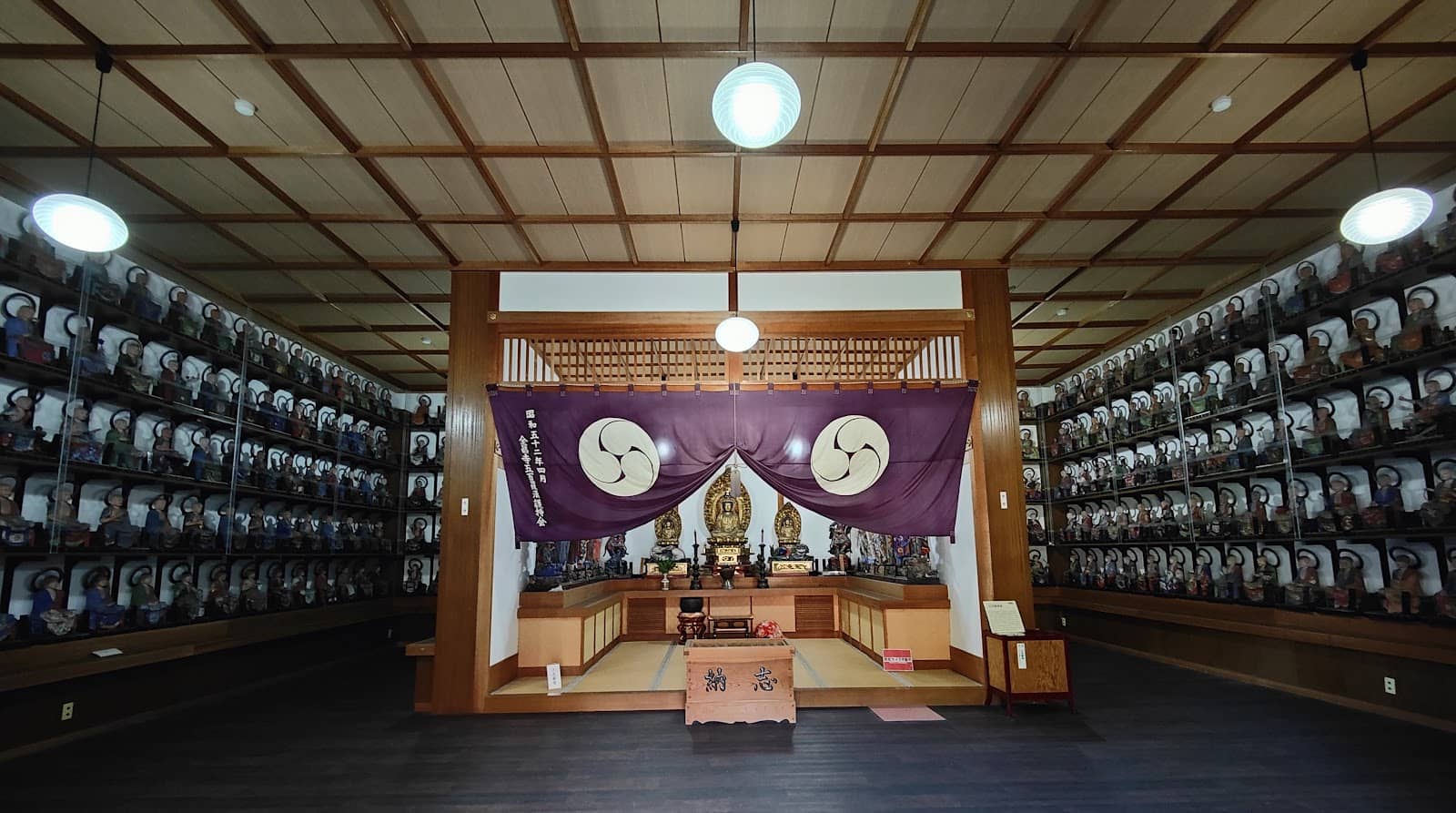
🎟️ Admission Fee is Worth It
The 500 yen admission fee is highly recommended for the impressive Arhat Hall and historical insights.
🎧 Listen to Explanations
Press buttons for audio explanations at the 500 Arhats and main hall for deeper understanding.
Highlights
Discover the most iconic attractions and experiences
The 500 Arhat Statues
Arhat Hall
Marvel at 500 unique wooden Arhat statues, each with a distinct expression and gesture. A truly captivating sight.
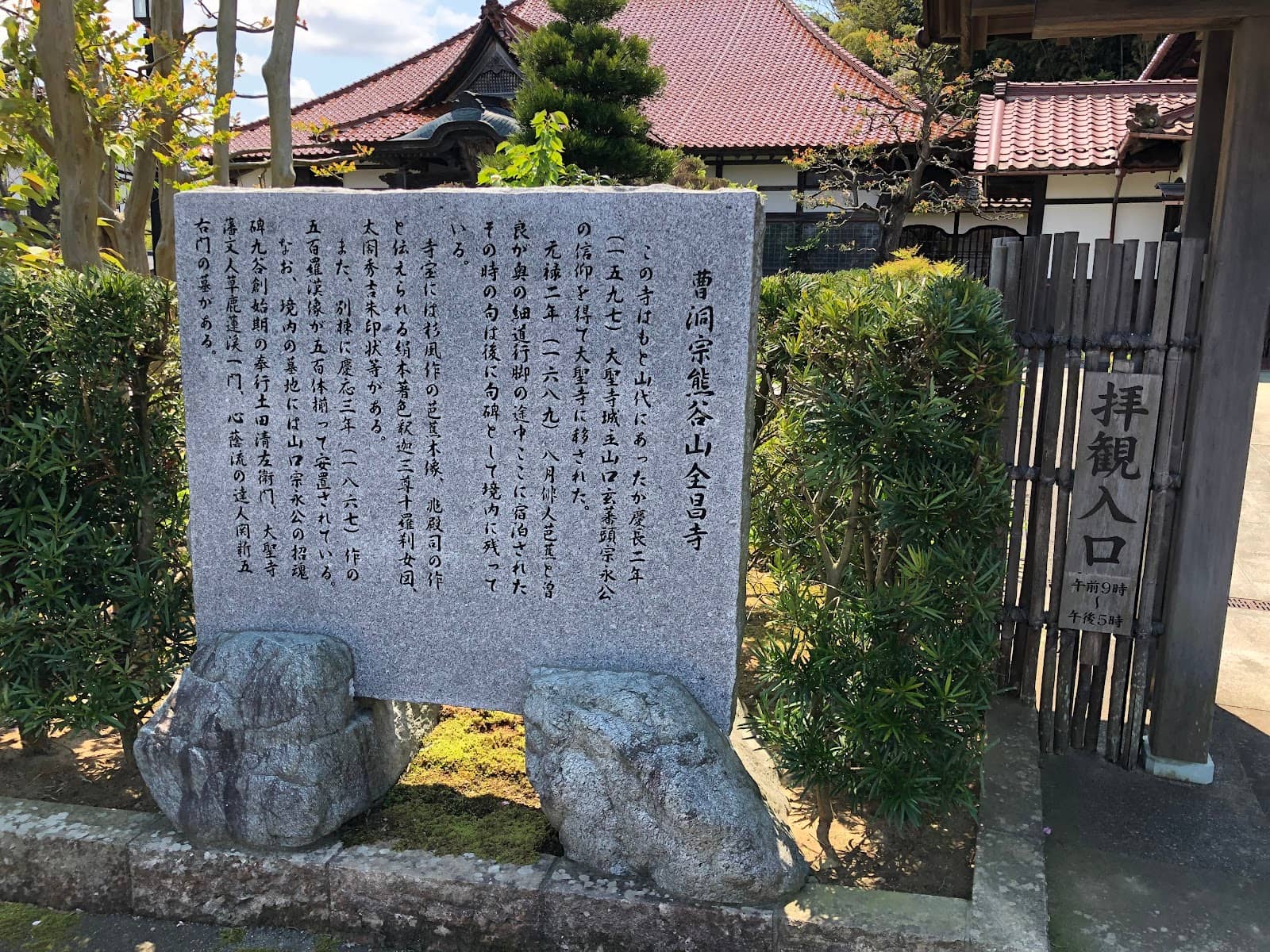
Matsuo Basho's Haiku Monument
Garden area
See the stone monument commemorating the famous haiku poet Matsuo Basho's overnight stay and his verses.

Basho-an Tea Room
Inside the temple grounds
Step into the recreated tea room where Matsuo Basho stayed, offering a serene atmosphere and historical insight.
Beautifully Maintained Gardens
Temple grounds
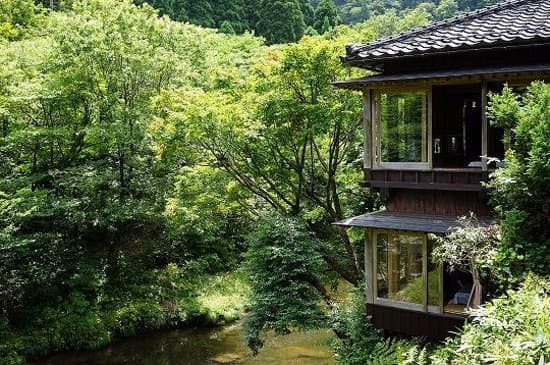
Wander through serene and well-kept gardens, offering a peaceful escape and picturesque views.
Plans like a pro.
Thinks like you
Planning Your Visit
Don't Miss the Arhat Hall
Embrace the History and Gardens
Best Times
Insider Tips
from TikTok, Instagram & Reddit
🎟️ Admission Fee is Worth It
The 500 yen admission fee is highly recommended for the impressive Arhat Hall and historical insights.
🎧 Listen to Explanations
Press buttons for audio explanations at the 500 Arhats and main hall for deeper understanding.
📜 Get a Temple Seal
Many visitors receive a temple seal (Goshuin) as a unique souvenir of their visit.
🚶♀️ Explore in Order
A suggested route is Garden → 500 Arhats → Main Hall for a comprehensive experience.
Tips
from all over the internet
🎟️ Admission Fee is Worth It
The 500 yen admission fee is highly recommended for the impressive Arhat Hall and historical insights.
🎧 Listen to Explanations
Press buttons for audio explanations at the 500 Arhats and main hall for deeper understanding.
📜 Get a Temple Seal
Many visitors receive a temple seal (Goshuin) as a unique souvenir of their visit.
🚶♀️ Explore in Order
A suggested route is Garden → 500 Arhats → Main Hall for a comprehensive experience.
🧐 Admire Each Arhat
Take your time to observe the unique expressions and gestures of each of the 500 Arhat statues.
What Travellers Say
Reviews Summary
Visitors consistently praise Daishoji Temple Town for its impressive Arhat Hall, featuring 500 unique and expressive wooden statues. The historical significance, including the connection to haiku poet Matsuo Basho and the beautifully maintained gardens, also receives high marks. While the admission fee is modest, some visitors might wish for more extensive explanations or facilities.
"It was a much more impressive temple than you would imagine from the outside. This is the temple where haiku poet Matsuo Basho and his disciple Kawai Sora stayed overnight during their journey through Oshu and Hokuriku in "Oku no Hosomichi," and we were able to see a recreated version of the room they stayed in and stone monuments bearing the haiku they read. Also, in the Arhat Hall, there are neatly lined wooden Arhat statues, numbered 1 through 500, all carved in the year of the Meiji Restoration. Each statue has a different expression and gesture, which was both surprising and moving, and I felt it was worth more than the 500 yen admission fee."
松茂
"There is an admission fee, but it's well worth a visit! ️
Yamaguchi Genba's family temple has 500 Arhats.
There is also a monument of Matsuo Basho's haiku.
The garden was beautiful.
Visit the garden → 500 Arhats → main hall
You can listen to explanations at the 500 Arhats and the main hall by pressing a button.
I received a stamp!"
げーむのケイミヤチ
"I headed straight there after visiting the Ishikawa Kutani Ware Museum.
I wondered what the 500 Arhats were like, so I just wandered around...
It's truly impressive.
500 statues covering the entire wall...
I looked around a lot, but forgot to stop by the main hall, so I left feeling satisfied. 😅
Even if I hadn't, it was nice to wander around the well-maintained garden. 🎵
Apparently, Matsuo Basho also visited this temple, and there's a stone monument there.
I'd like to read the pamphlet carefully and check out the main hall next time. I heard there's an exhibition room! ️"
Yasuhiko Machi
What People Like
What People Dislike
Frequently Asked Questions
🚇 🗺️ Getting There
Daishoji Temple Town is accessible by public transport. From major cities, you can take a train to nearby stations and then a local bus or taxi. It's often visited in conjunction with other local attractions like the Ishikawa Kutani Ware Museum.
Information on specific parking facilities can be limited. It's advisable to check local transport guides or consider public transportation to avoid parking hassles.
Local buses and taxis are common options. For those who enjoy walking, exploring the temple town on foot can be a pleasant experience, especially if the weather is good.
The closest major airports would be Komatsu Airport (KMQ) or Kanazawa Airport. From there, you would typically take a train or bus to reach the Daishoji Temple Town area.
While the main paths in the garden are generally well-maintained, some areas within historic temple complexes can have uneven terrain or stairs. It's best to inquire directly about specific accessibility for the Arhat Hall and main buildings if needed.
🎫 🎫 Tickets & Entry
There is an admission fee, often around 500 yen, which is considered well worth the experience, especially for the Arhat Hall.
Opening hours can vary, and it's recommended to check the official website or contact the temple directly for the most up-to-date information, especially during holidays or special events.
Tickets are typically purchased on-site upon arrival. There's usually no need for advance booking unless you are part of a large group or there's a special event.
Information on discounts for students, seniors, or groups is not widely publicized. It's best to inquire at the ticket counter if you believe you might qualify for any concessions.
As with most temples, modest dress is appreciated. Avoid overly revealing clothing. Showing respect for the sacred nature of the site is important.
🎫 🧭 Onsite Experience
The most impressive attraction is the Arhat Hall, housing 500 unique wooden Arhat statues carved during the Meiji Restoration. The historical significance, including Matsuo Basho's connection, is also a major draw.
Most visitors spend 1-2 hours exploring the gardens, the Arhat Hall, and the main temple buildings. If you plan to deeply study the Arhat statues, you might want to allocate a bit more time.
Yes, audio explanations are available by pressing buttons at the 500 Arhats and the main hall, enhancing the understanding of the exhibits.
Photography rules can vary. Generally, photos are allowed in the gardens and exterior areas, but may be restricted inside certain halls or rooms to protect the artifacts. Always look for signage.
The gardens often provide benches or resting spots. The Basho-an tea room also offers a tranquil space.
🍽️ 🍽️ Food & Dining
There are typically no dining facilities directly within the temple grounds. Visitors usually eat at restaurants in the nearby town or before/after their visit.
The surrounding area will likely offer traditional Japanese cuisine. Look for local specialties and casual eateries in the town center.
While not explicitly stated, it's generally best practice to consume outside food and drinks in designated areas or outside the temple premises out of respect.
Finding specific vegetarian or vegan options might require some research. It's advisable to look for restaurants that offer vegetable-based dishes or inquire about modifications.
Expect a range from affordable casual dining to mid-range restaurants. Prices will vary depending on the establishment and the type of meal.
📸 📸 Photography
The gardens offer beautiful scenic shots, especially during different seasons. The exterior of the temple buildings and the entrance to the Arhat Hall can also be photogenic.
Photography inside the Arhat Hall is often restricted to protect the delicate statues and maintain the solemn atmosphere. Always check for signage or ask staff.
Morning light can be soft and beautiful for garden shots. Midday can be harsh, but the unique lighting within the Arhat Hall (if allowed) might be interesting. Consider the season for foliage.
Drone usage is almost certainly prohibited at religious sites like temples due to privacy concerns and potential disturbance.
A versatile lens (like a 24-70mm equivalent) is useful for both landscapes and details. A wide-angle lens can capture the scale of the Arhat Hall if photography is permitted.
For Different Travelers
Tailored advice for your travel style
👨👩👧 Families with Kids
🏛️ History Buffs
🧘♀️ Solo Travelers Seeking Peace
Deep Dives
In-depth insights and expert knowledge


Social
from TikTok, Instagram & Reddit