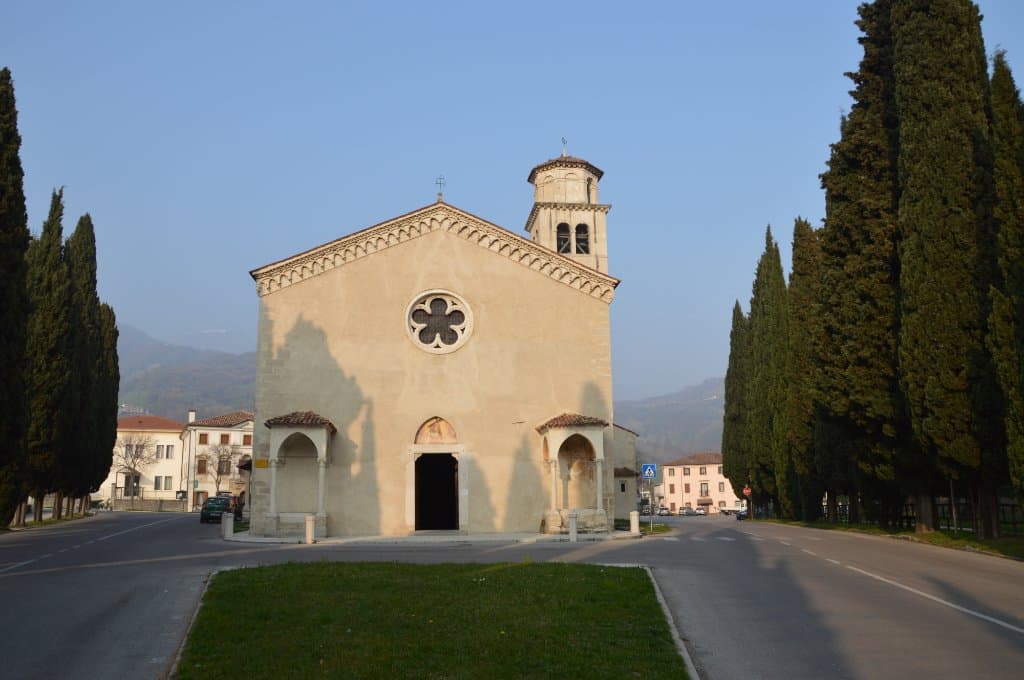
Pieve di Sant'Andrea di Bigonzo
A beautifully restored Romanesque church with stunning 15th & 16th-century frescoes, approached by a rare cypress-lined avenue.
Highlights
Must-see attractions

Social
From TikTok & Reddit
Best Time
Fewer crowds, better light
Pieve di Sant'Andrea di Bigonzo
Best Time
Fewer crowds, better light
Highlights
Must-see attractions
A beautifully restored Romanesque church with stunning 15th & 16th-century frescoes, approached by a rare cypress-lined avenue.
"A church of incredible charm, magnificently restored. A true gem worth visiting if you're in the area."
Allow time for frescoes
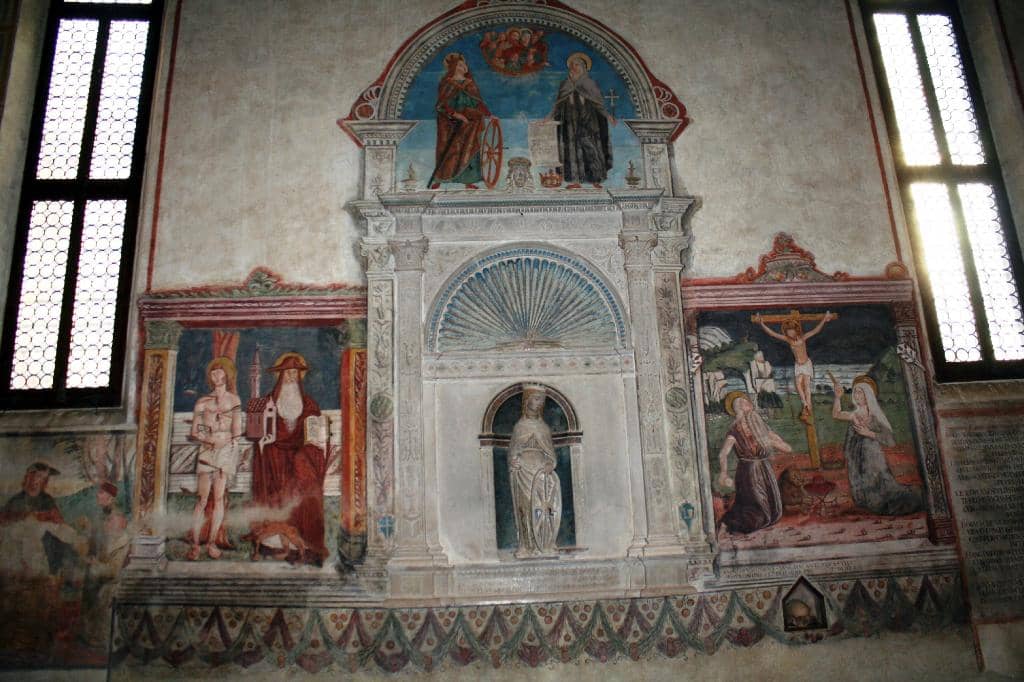
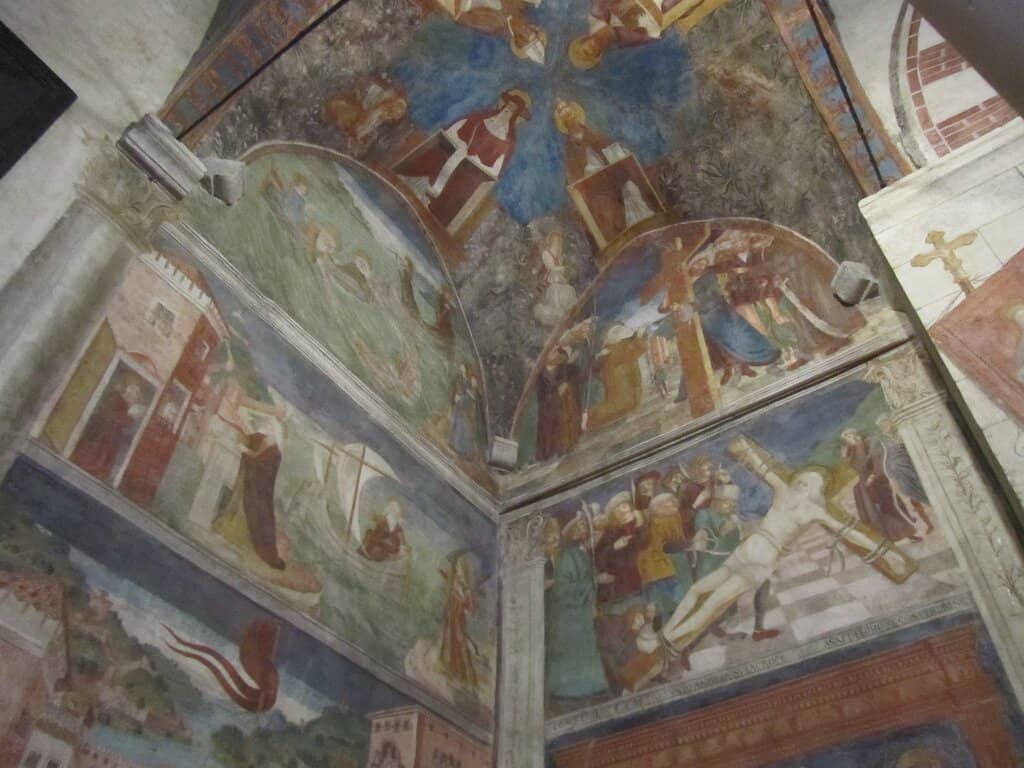
The interior can be dimly lit, so take your time to appreciate the detailed 15th & 16th-century frescoes. :camerawithflash:
Enjoy the cypress avenue
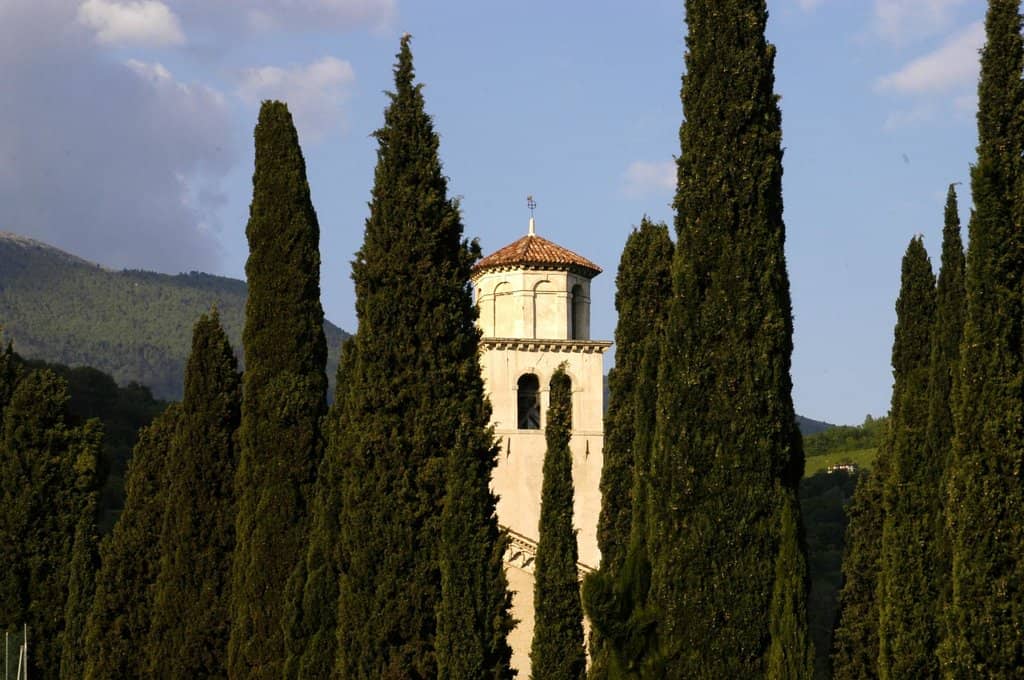
The double row of cypress trees leading to the church is a rare and beautiful sight. :evergreen_tree:
Highlights
Discover the most iconic attractions and experiences
Romanesque Architecture
Exterior and Interior
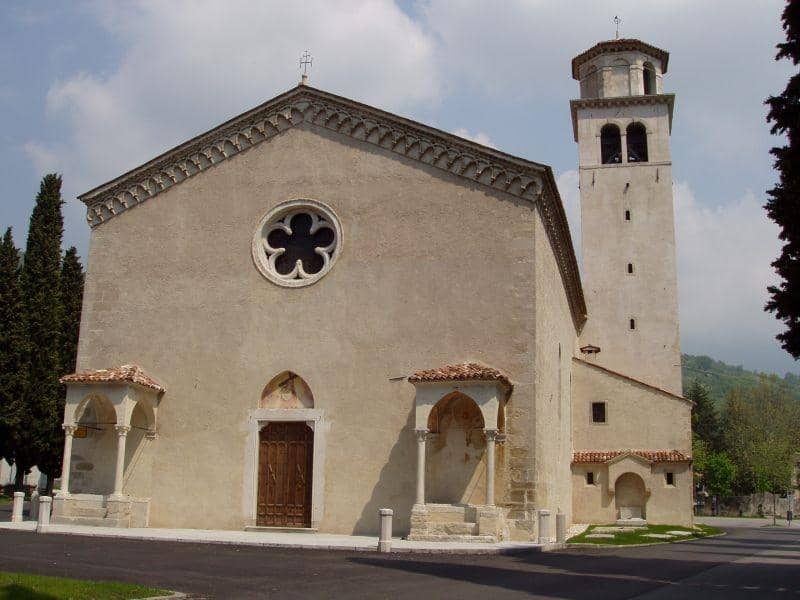
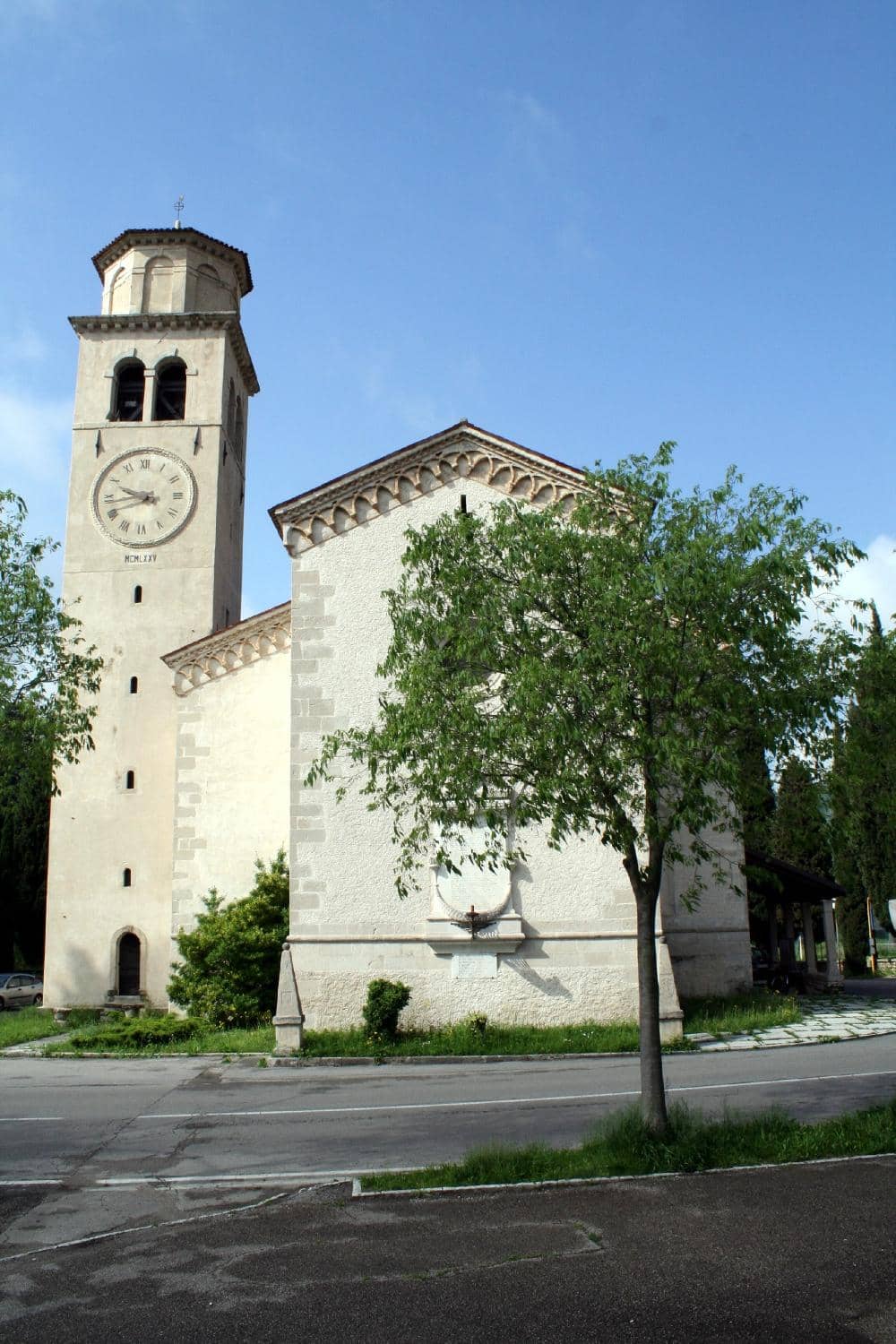
Experience the enduring beauty of this Romanesque church, rebuilt and consecrated in 1303, showcasing a five-lobed rose window and burial canopies.
15th & 16th Century Frescoes
Interior
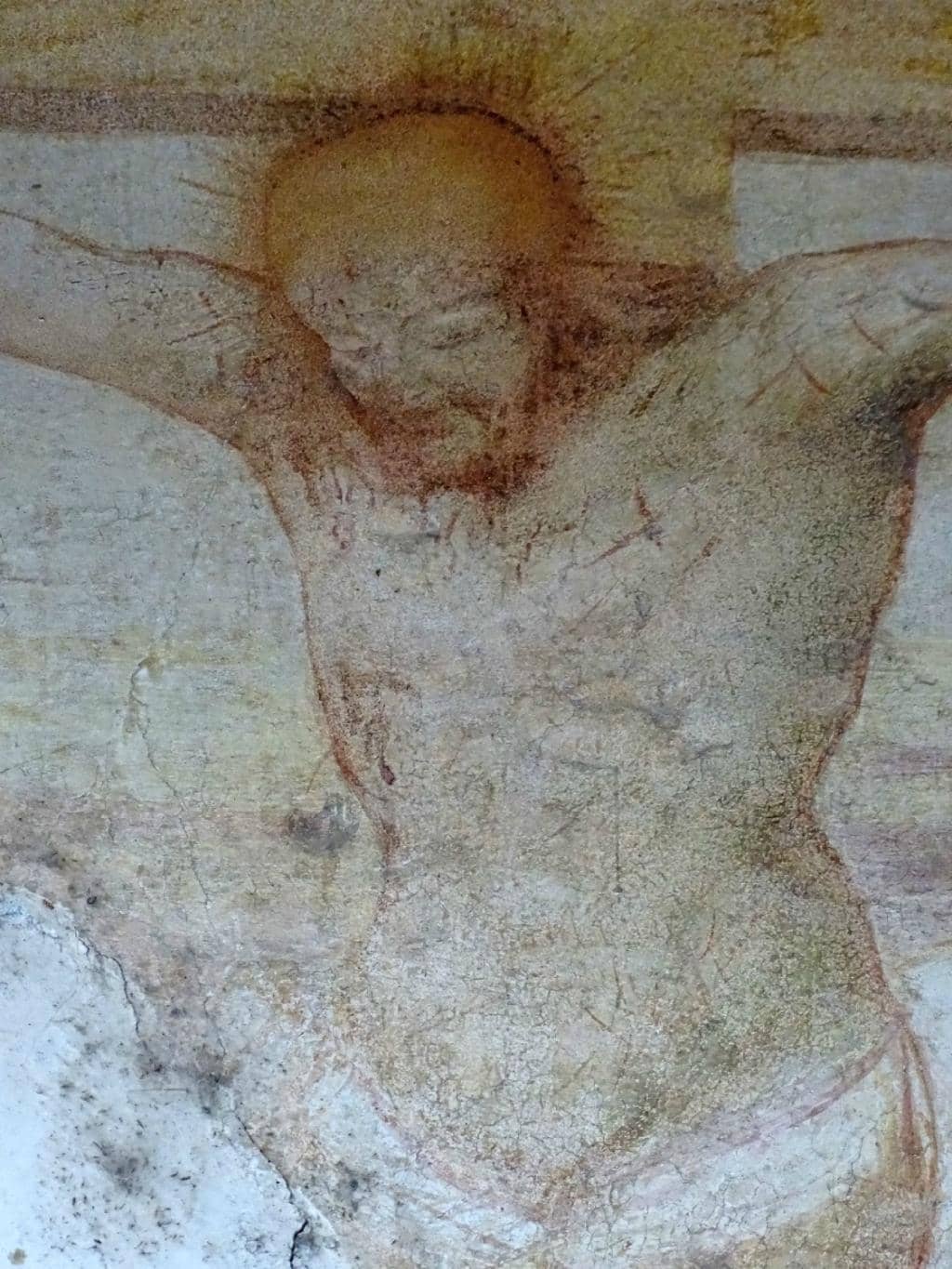
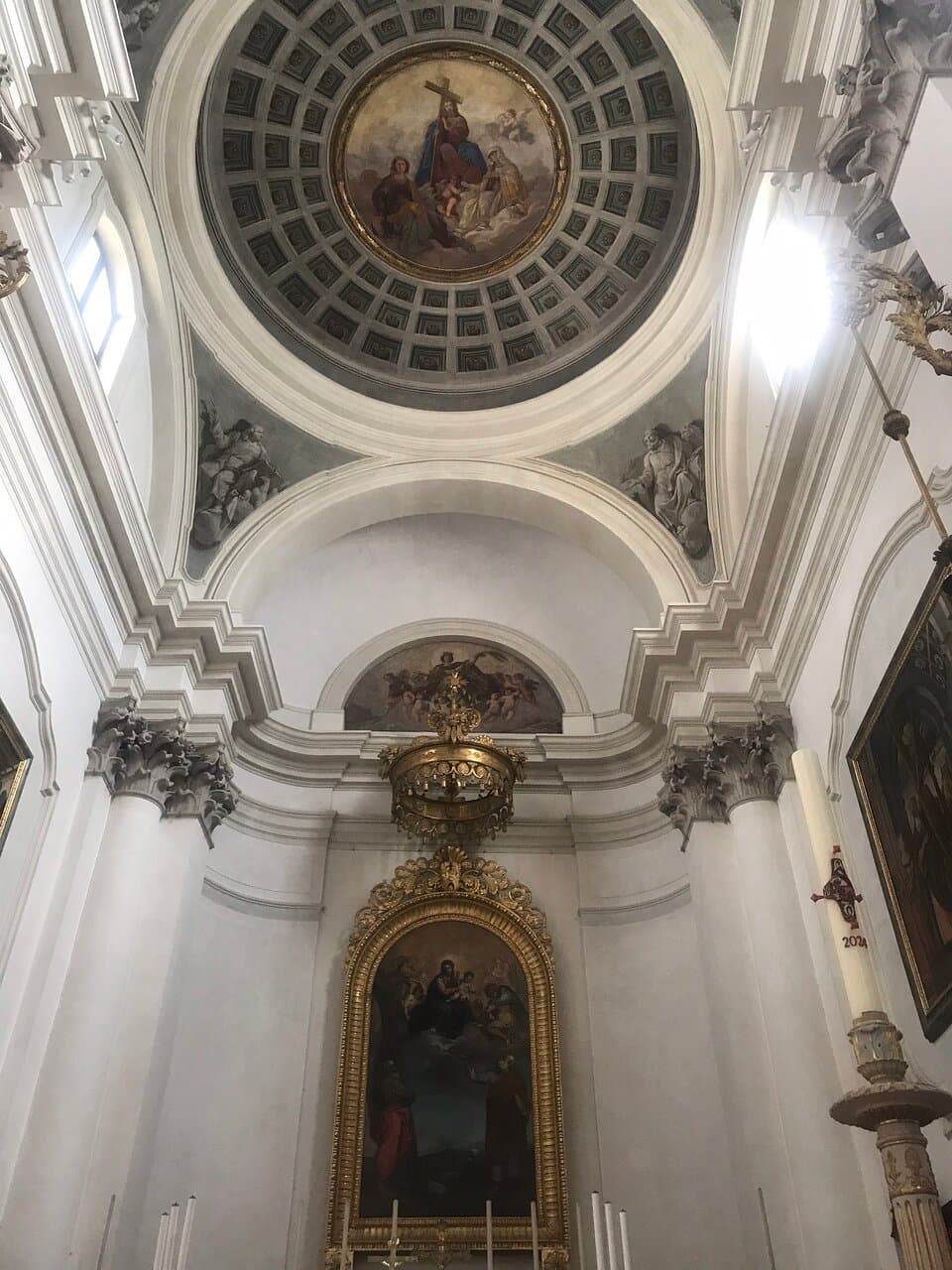
Marvel at the vibrant frescoes by artists like Antonello da Serravalle and Francesco da Milano, depicting biblical moments and the martyrdom of Saint Andrew.
Cypress-Lined Avenue
Approach to the church
Walk the evocative avenue lined with a rare double row of cypress trees, enhancing the religious intensity and beauty of the approach.
11th Century Baptismal Font
Interior
See the ancient monolithic baptismal font, a significant piece of early Christian artistry and a testament to the church's long history.
Plans like a pro.
Thinks like you
Planning Your Visit
Timing Your Visit
Appreciating the Art
Best Times
Insider Tips
from TikTok, Instagram & Reddit
Allow time for frescoes
The interior can be dimly lit, so take your time to appreciate the detailed 15th & 16th-century frescoes. :camerawithflash:
Enjoy the cypress avenue
The double row of cypress trees leading to the church is a rare and beautiful sight. :evergreen_tree:
Check opening hours
As a historic church, hours can vary. It's wise to confirm before your visit. :clock1:
Wear comfortable shoes
You'll be walking on the cypress-lined avenue and inside the church. :athletic_shoe:
Tips
from all over the internet
Allow time for frescoes
The interior can be dimly lit, so take your time to appreciate the detailed 15th & 16th-century frescoes. :camerawithflash:
Enjoy the cypress avenue
The double row of cypress trees leading to the church is a rare and beautiful sight. :evergreen_tree:
Check opening hours
As a historic church, hours can vary. It's wise to confirm before your visit. :clock1:
Wear comfortable shoes
You'll be walking on the cypress-lined avenue and inside the church. :athletic_shoe:
What Travellers Say
Reviews Summary
Visitors praise Pieve di Sant'Andrea di Bigonzo for its incredible charm, magnificent restoration, and the evocative beauty of its Romanesque architecture and significant frescoes. The cypress-lined avenue is frequently highlighted as a particularly beautiful and rare feature. Some note that the interior lighting can make viewing the detailed artwork challenging.
"A church of incredible charm, magnificently restored. A true gem worth visiting if you're in the area."
Dario Menegon
"A long avenue lined with cypress trees leads to the Pieve di Sant'Andrea di Bigonzo, isolated in a clearing that once served as a cemetery. The term "pieve" refers to an early church, complete with a baptistery, which spearheaded the Christianization of a territory, and this corresponds to the foundation of Sant'Andrea in the 4th or 5th century, around the time of the martyrdom of Saint Augusta. The building in question was rebuilt in Romanesque style and consecrated in 1303, making it prominently featured in contemporary chronicles. The façade features a five-lobed rose window in the center and two burial canopies. On the south side stands the 17th-century bell tower, while opposite is a small Renaissance portico. The highly evocative interior features a single nave covered by trusses, with four elegant canopies at the corners. The decorative furnishings are noteworthy: frescoes mostly from the 15th and 16th centuries (Antonello da Serravalle, Francesco da Milano, Palma); sculptures (an 11th-century baptismal font with a monolithic basin, two 14th- and 15th-century wooden crucifixes, a Renaissance altar with Saint Catherine), a wooden tabernacle, and a polyptych from the school of Titian; paintings attributed to Palma the Younger (1548-1628) and Francesco Frigimelica (ca. 1560-1649).
Excerpt from "Vittorio Veneto and the Treviso Prealps" (Francesco Soletti, Touring Editore, 2017)"
Francesco Soletti
"It is an ancient parish church with notable frescoes."
Enrico Da Re
What People Like
What People Dislike
Frequently Asked Questions
🚇 🗺️ Getting There
The Pieve is located in a clearing, accessible via a long avenue lined with cypress trees. It's best reached by car, as public transport options may be limited in this more secluded area. Parking is likely available near the church.
The distinctive cypress-lined avenue serves as a clear landmark, guiding you towards the church. It's a picturesque approach that enhances the arrival experience.
🎫 🎫 Tickets & Entry
Typically, entry to historic churches like Pieve di Sant'Andrea di Bigonzo is free. However, it's always a good idea to check for any specific visitor guidelines or potential donation requests.
As a place of worship, opening hours can be variable and may depend on religious services. It's recommended to verify current hours before your visit, especially if you're planning a specific time to go.
Generally, there is no admission fee to enter the church itself. Donations are often appreciated to help with the upkeep of such historic sites.
📸 📸 Photography
Photography is usually permitted inside churches, but it's respectful to avoid flash, especially when photographing frescoes, as it can damage the artwork over time. Be mindful of any posted signs or requests from church staff.
The cypress-lined avenue leading to the church offers a stunning photographic opportunity. Inside, focus on capturing the details of the frescoes and the architectural elements.
Some visitors note that the interior can be dimly lit, which might make photography challenging without a tripod or good low-light camera settings.
🎫 🏛️ Onsite Experience
This is an ancient parish church, a 'pieve,' which historically served as a center for Christianization. It was rebuilt in Romanesque style and consecrated in 1303, with a history dating back to the 4th or 5th century.
The church is notable for its 15th and 16th-century frescoes by artists like Antonello da Serravalle and Francesco da Milano. It also features sculptures, a Renaissance altar, and paintings.
The long avenue leading to the Pieve is lined with a double row of cypress trees, which is quite rare and adds to the solemn and religious atmosphere of the place.
Visiting during weekday mornings can offer a more peaceful and contemplative experience, allowing you to fully appreciate the church's atmosphere and artwork.
For Different Travelers
Tailored advice for your travel style
👨👩👧 Families with Kids
Consider visiting during daylight hours when the natural light can make the frescoes slightly more visible and the surroundings more appealing. It's a good stop for a brief cultural immersion rather than an extended family outing. Ensure children are supervised and respectful of the sacred space. :family_ww: :church:
🏛️ History Buffs & Art Enthusiasts
Don't miss the 11th-century baptismal font and other significant sculptures and paintings. The church's historical context as a 'pieve' and its former cemetery grounds add layers of interest. Allow ample time to study the artwork, even with the challenging lighting, and to soak in the serene and evocative atmosphere of this ancient site. :scroll: :paintbrush:
Deep Dives
In-depth insights and expert knowledge
The Artistry of the Frescoes
Beyond the frescoes, the church houses other notable artworks. These include an 11th-century baptismal font with a monolithic basin, a testament to the church's early Christian roots. You'll also find 14th and 15th-century wooden crucifixes, a Renaissance altar featuring Saint Catherine, and a wooden tabernacle. Paintings attributed to Palma the Younger and Francesco Frigimelica further enrich the collection, offering a comprehensive glimpse into the artistic evolution of the region.
Architectural Significance and History
Adding to its architectural narrative is the 17th-century bell tower standing on the south side, contrasting with a small Renaissance portico on the opposite side. The interior is equally evocative, featuring a single nave covered by trusses. The overall impression is one of essentiality and profound religious appeal, as described by visitors. The church's isolated setting in a clearing, once a cemetery, further enhances its contemplative and historical atmosphere.
Social
from TikTok, Instagram & Reddit