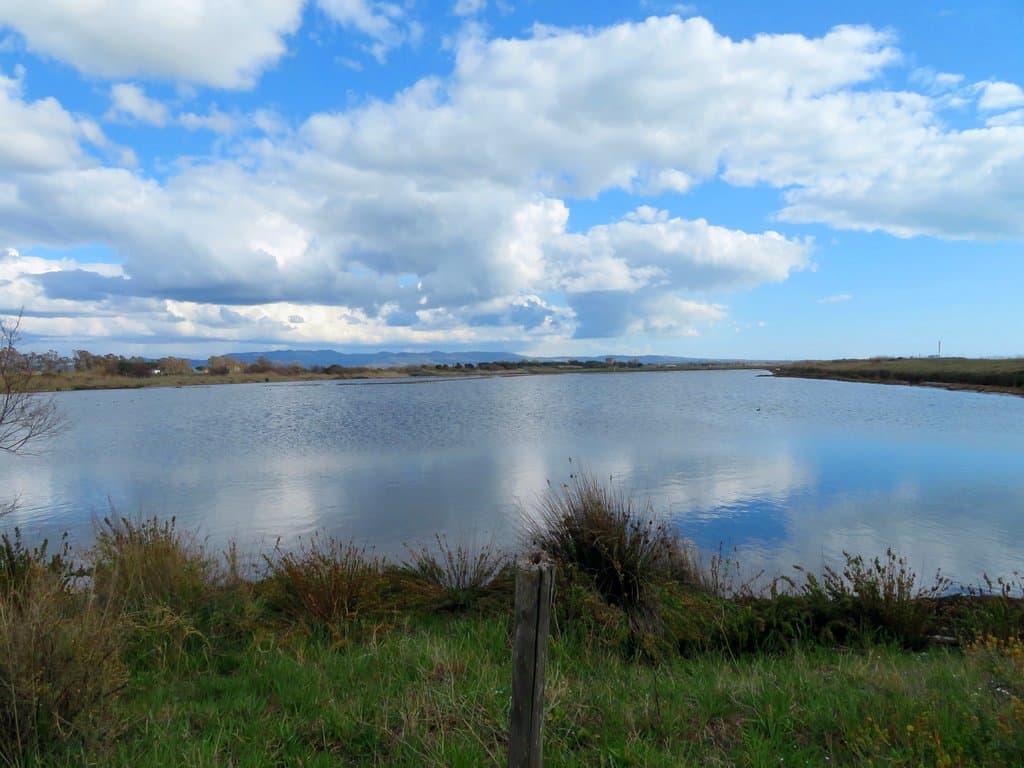
Saline di Tarquinia Nature Reserve
A protected coastal oasis teeming with birdlife and unique salt pan landscapes, offering a tranquil escape near Tarquinia.
Highlights
Must-see attractions

Social
From TikTok & Reddit
Best Time
Peak bird migration season
Saline di Tarquinia Nature Reserve
Best Time
Peak bird migration season
Highlights
Must-see attractions
A protected coastal oasis teeming with birdlife and unique salt pan landscapes, offering a tranquil escape near Tarquinia.
"A birdwatcher's paradise and a pristine beach escape, offering true tranquility away from the crowds."
Binoculars are a must! 🔭
Essential for spotting the diverse birdlife in the wetlands and salt marshes.
Check trail access first ⚠️
The main route can be closed; verify access before your visit to avoid disappointment.
Highlights
Discover the most iconic attractions and experiences
Birdwatcher's Paradise
Wetlands and salt marshes
Hundreds of bird species, including flamingos, find refuge here. Perfect for nature lovers and photographers.
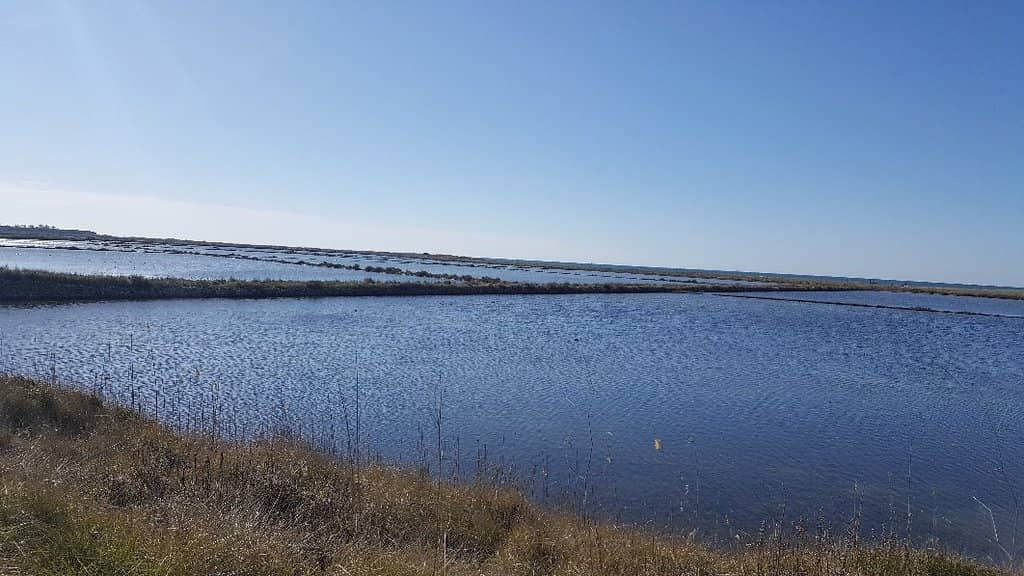
Pristine Salt Flats
Salt harvesting areas
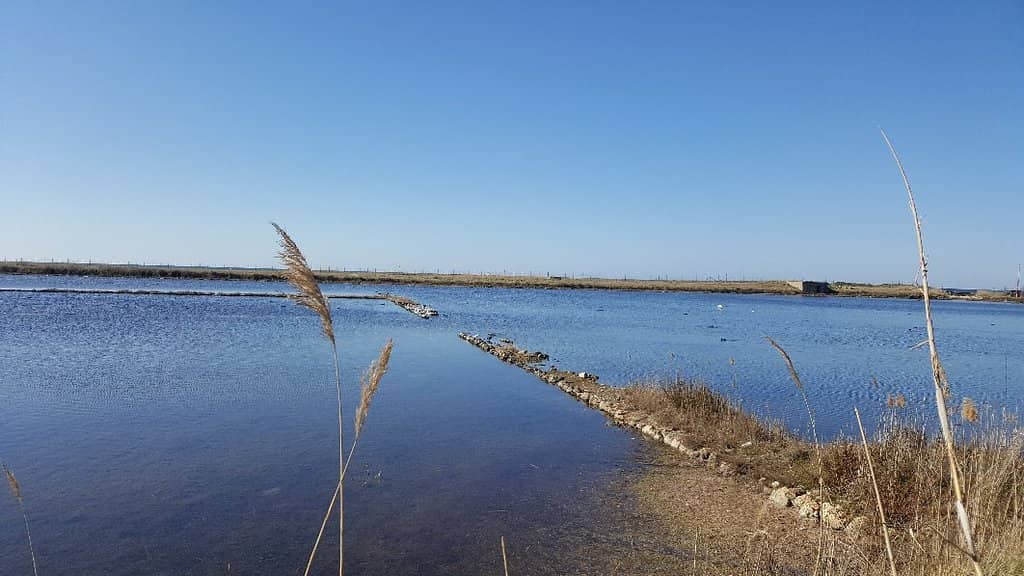
Vast expanses of salt, a unique landscape offering a different perspective on coastal Italy.
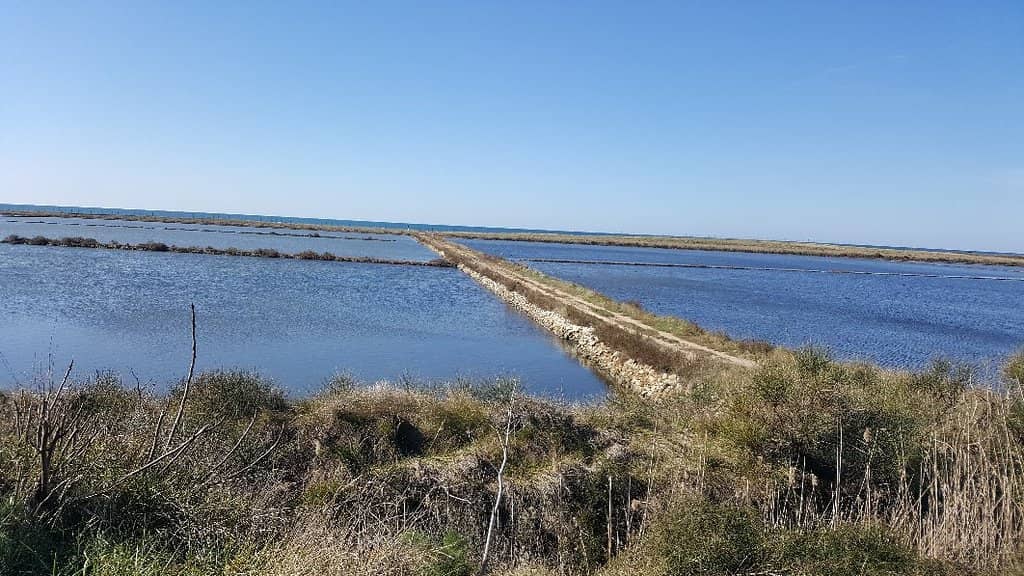
Tranquil Public Beach
Coastal area
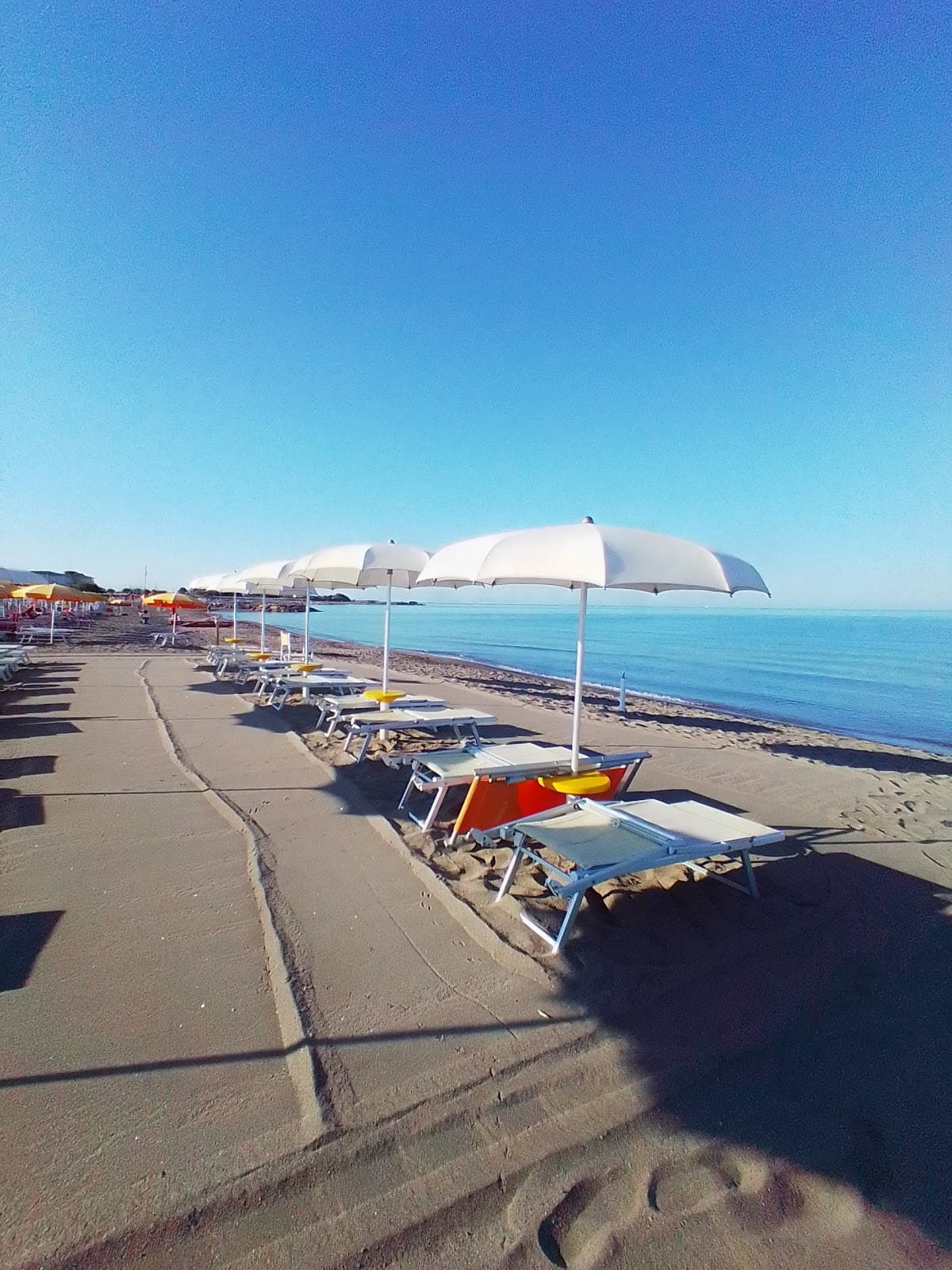
Enjoy a clean, less crowded beach with clear waters, a peaceful escape from typical tourist spots.
Plans like a pro.
Thinks like you
Planning Your Visit
Access & Trail Status
Best Viewing & Birdwatching
Best Times
Insider Tips
from TikTok, Instagram & Reddit
Binoculars are a must! 🔭
Essential for spotting the diverse birdlife in the wetlands and salt marshes.
Check trail access first ⚠️
The main route can be closed; verify access before your visit to avoid disappointment.
Wear comfy walking shoes 👟
Expect a walk along a paved road with limited shade to reach viewing areas.
Bring water & snacks 💧
Limited facilities on-site, so pack essentials for your visit.
Tips
from all over the internet
Binoculars are a must! 🔭
Essential for spotting the diverse birdlife in the wetlands and salt marshes.
Check trail access first ⚠️
The main route can be closed; verify access before your visit to avoid disappointment.
Wear comfy walking shoes 👟
Expect a walk along a paved road with limited shade to reach viewing areas.
Bring water & snacks 💧
Limited facilities on-site, so pack essentials for your visit.
Consider off-season visits 🍂
Fewer crowds and excellent birdwatching opportunities during migration periods.
What Travellers Say
Reviews Summary
Visitors praise the Saline di Tarquinia for its unique birdwatching opportunities and pristine, tranquil beaches, offering a refreshing escape from typical tourist crowds. However, some express frustration with unclear trail access and restricted viewing areas, suggesting better signage at the entrance would improve the visitor experience.
"The salt flats are visible from far, far away. The route indicated on the map is closed, and the closure wasn't indicated at the start of the trail. Basically, you can barely see the salt flats. I saw more by walking along the beach."
Stefania Bianchi
"You must leave your car in a paid parking lot (€1 per hour).
Then you walk along a paved road, without a hint of shade. Along this road, there's practically nothing to see (apart from a few nutria).
Finally, at the end of this road, it's impossible to go any further to see the most interesting sights: access is prohibited to pedestrians!
Too bad, it would have been better to post the information at the entrance to the road rather than at the end to avoid this huge waste of time."
Olivier CLOET
"A birdlife oasis by the sea. Hundreds of species—among expanses of water, canals, and ancient buildings used for salt harvesting—live harmoniously in an increasingly uninhabited natural area. Ideal for bird watching and for raising awareness among new generations that the world does not rightfully belong to humans, merely a supporting actor among species with equal dignity."
Voicesearch.travel
What People Like
What People Dislike
Frequently Asked Questions
🚇 🗺️ Getting There
The reserve is easily accessible by car via the SS1 Aurelia. There's parking available nearby, though some spots might be paid. Some visitors suggest parking in a larger lot near the road leading to the salt flats, which may be free depending on the season.
Information on direct public transport is limited. It's generally recommended to travel by car for the most convenient access.
While the main route can be closed, walking along the beach or the paved road towards the salt pans offers views. Be aware of restricted access areas.
Yes, the route indicated by Google Maps can lead into a ZTL with an electronic gate, so be cautious and check local signage.
The Saline di Tarquinia Nature Reserve is a short drive from Civitavecchia, making it a good option for a half-day excursion.
🎫 🎫 Tickets & Entry
Entry to the nature reserve and surrounding areas is generally free, though parking might incur a fee.
As a nature reserve, it's typically accessible during daylight hours. However, specific access to certain areas might be restricted.
The public beach adjacent to the reserve is usually free to access.
Access to the ancient buildings used for salt harvesting may be restricted as they are part of the protected area.
Information on official guided tours is scarce. Independent exploration is common, especially for birdwatching.
🎫 🧭 Onsite Experience
You can observe diverse birdlife in the wetlands, explore the salt pans from designated areas, and enjoy a pristine public beach. The landscape offers a unique natural environment.
Absolutely! It's an important resting place for migratory birds, with hundreds of species recorded. Bring binoculars!
Access to the salt flats themselves is often restricted by barriers. However, you can view them from nearby paths and enjoy the surrounding nature.
Besides numerous bird species like flamingos, you might spot nutria along the paths. The area is a vibrant ecosystem.
Yes, the public beach is known for its clear waters and is less impacted by coastal pollution, making it pleasant for swimming.
📸 📸 Photography
Capture stunning shots of flamingos and other birds in their natural habitat, the unique textures of the salt pans, and the serene coastal landscapes.
A telephoto lens is highly recommended for wildlife photography, especially for birds. A wide-angle lens is great for landscapes.
Early morning and late afternoon offer the best light for photography, creating beautiful golden hour shots.
Generally, photography for personal use is allowed. Be mindful of any restricted areas within the reserve.
While access might be limited, you can often photograph the exteriors of these historic structures from accessible viewpoints.
For Different Travelers
Tailored advice for your travel style
👨👩👧 Families with Kids
While direct access to the salt flats might be restricted, the surrounding wetlands and the clean public beach provide ample space for exploration and play. It's a great opportunity to teach kids about nature and conservation in a less crowded environment compared to more popular tourist spots.
🌿 Nature & Photography Enthusiasts
Remember to pack your telephoto lenses for bird photography and a wide-angle lens for the expansive landscapes. Early morning and late afternoon light will enhance your photos.
🚶♀️ Solo Travelers & Peace Seekers
While the reserve is relatively remote, it's accessible by car. The walk to the viewing areas is straightforward, allowing for independent exploration. Remember to bring your own provisions and enjoy the serene atmosphere at your own pace.
Deep Dives
In-depth insights and expert knowledge
Understanding the Saline di Tarquinia
This area is crucial for biodiversity, hosting hundreds of bird species throughout the year. Visitors can witness the dynamic ecosystem, from the shimmering salt marshes to the diverse flora and fauna. The reserve also boasts a particularly clean public beach, offering a tranquil experience away from the crowds, with clear waters and a less impacted coastline.
Despite its natural beauty, access to certain parts of the reserve, including the immediate vicinity of the salt flats, can be restricted. This is to protect the delicate ecosystem and ensure the safety of visitors. It's advisable to stick to marked paths and respect any signage indicating restricted zones.
Birdwatching at the Reserve
To make the most of your birdwatching experience, bringing binoculars is highly recommended. This will allow you to observe the birds from a distance without disturbing them and to appreciate the finer details of their plumage and behavior.
While the main salt pans might have restricted access, the surrounding areas and the paved road leading to them offer excellent vantage points. The silence and the natural environment contribute to a peaceful and rewarding experience for anyone interested in observing wildlife in its natural habitat.
Navigating Access and Trails
The walk to the salt flats is approximately 1 kilometer along a paved road. While this road offers views of the water and wildlife, it lacks shade, so be prepared for sun exposure, especially during warmer months.
Furthermore, be mindful of Limited Traffic Zones (ZTLs). The route suggested by GPS might lead you into a ZTL with an active electronic gate, so pay close attention to signage.

Social
from TikTok, Instagram & Reddit