Tarquinia Cathedral Santa Margherita
A historical and artistic gem in Tarquinia, this co-cathedral boasts stunning Renaissance frescoes and a unique blend of Gothic and Neoclassical archi...
Highlights
Must-see attractions

Social
From TikTok & Reddit
Best Time
Fewer crowds, peaceful atmosphere
Tarquinia Cathedral Santa Margherita
Best Time
Fewer crowds, peaceful atmosphere
Highlights
Must-see attractions
A historical and artistic gem in Tarquinia, this co-cathedral boasts stunning Renaissance frescoes and a unique blend of Gothic and Neoclassical architecture.
"A historical and artistic gem in the heart of Tarquinia, a must-see for anyone visiting this charming medieval city."
🎯 Explore Beyond the Main Altar
Don't miss the detailed frescoes in the presbytery and the architectural blend of Gothic and Neoclassical styles. :camerawithflash:
🚶♀️ Wander the Historic Center
The cathedral is in Piazza Duomo, perfect for combining with visits to nearby Santa Maria in Castello. :world_map:
Quick Facts
Rating
4.3 · 69 reviews
Type
Church
Highlights
Discover the most iconic attractions and experiences
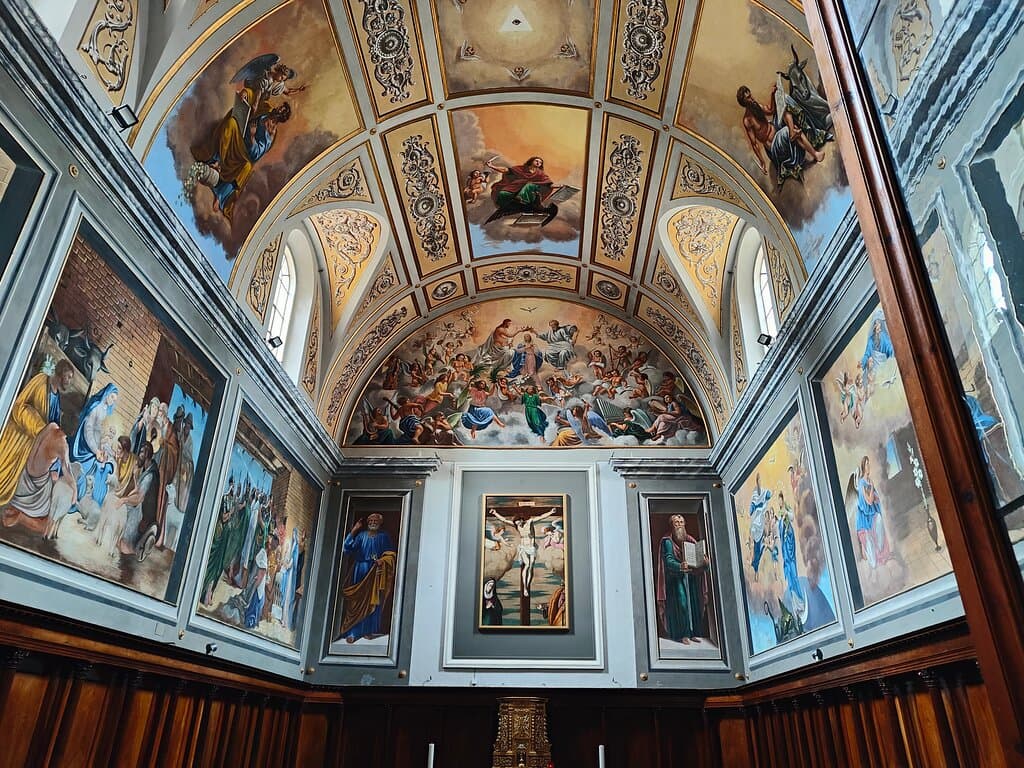
Frescoes by Pastura
Presbytery
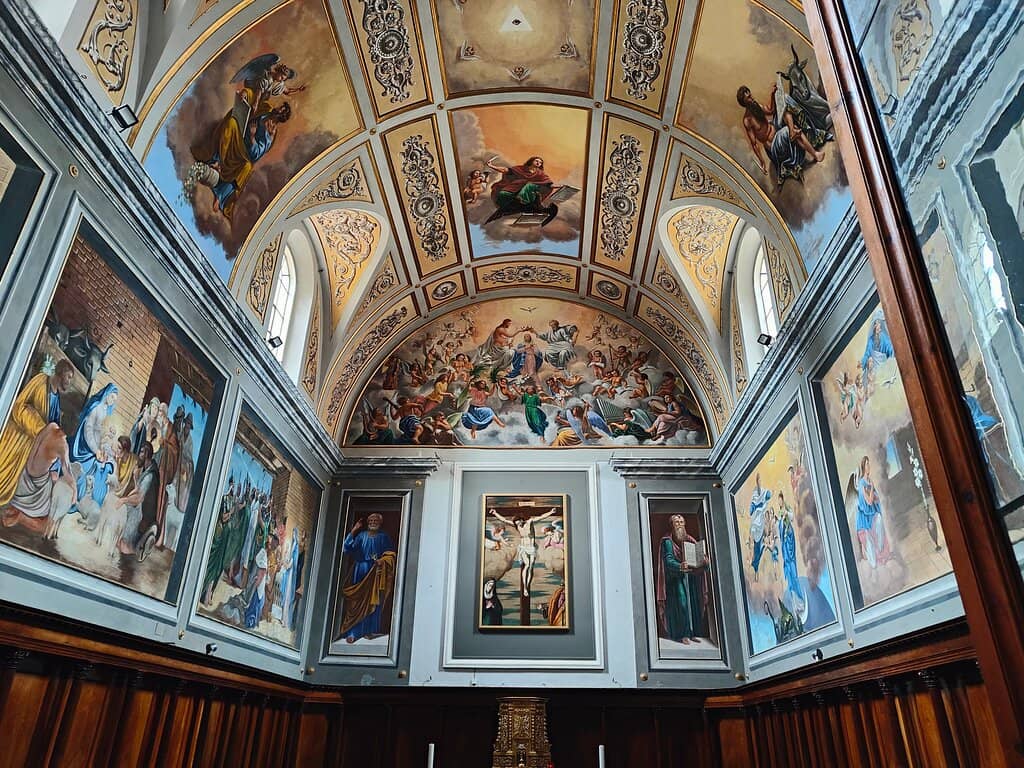
Stunning Renaissance frescoes depicting scenes of the Virgin, Prophets, and Sibyls, showcasing influences of Pietro Perugino.
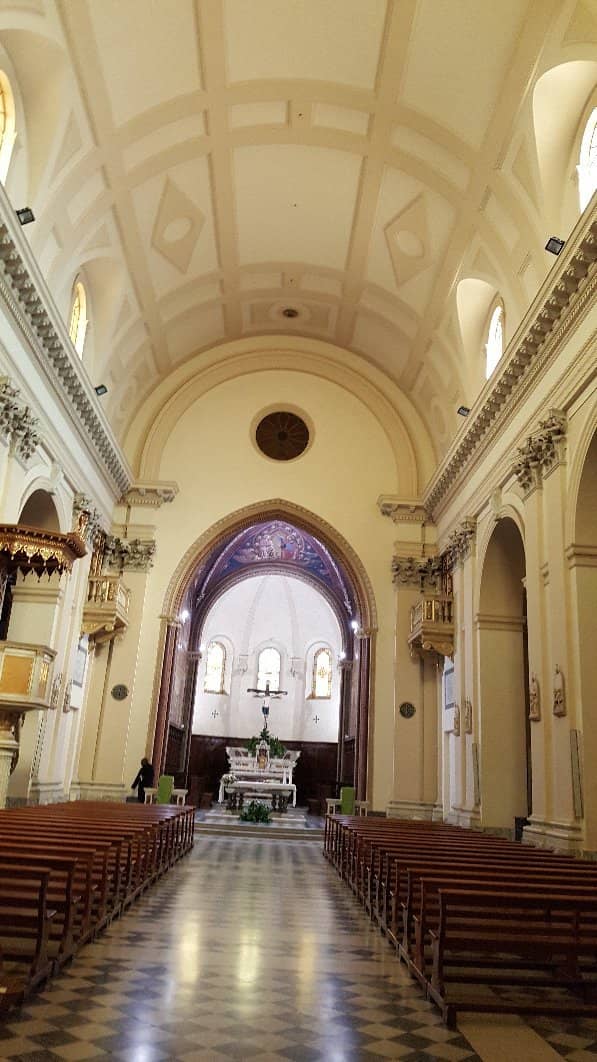
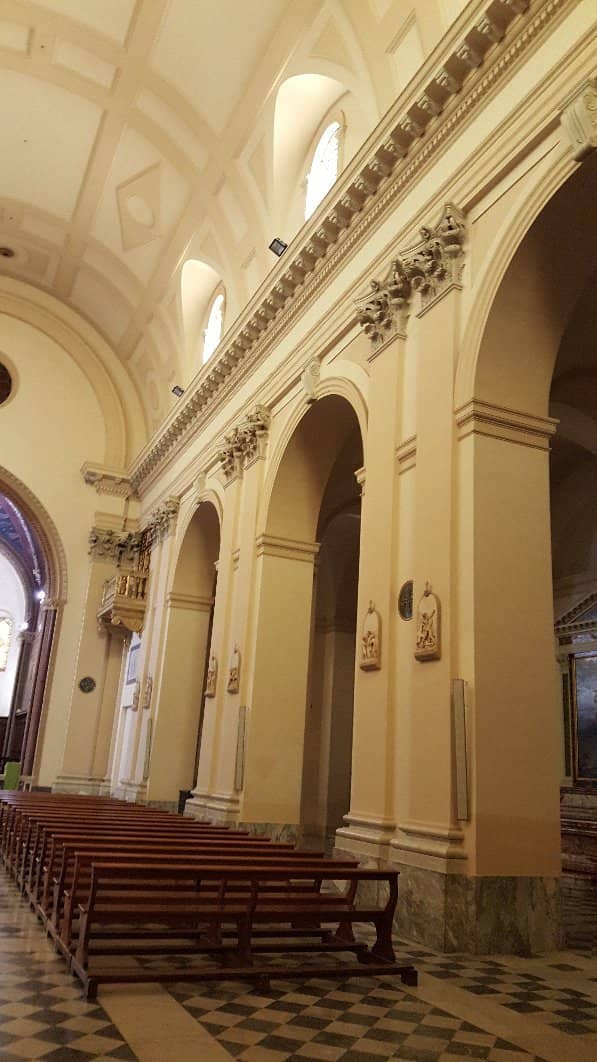
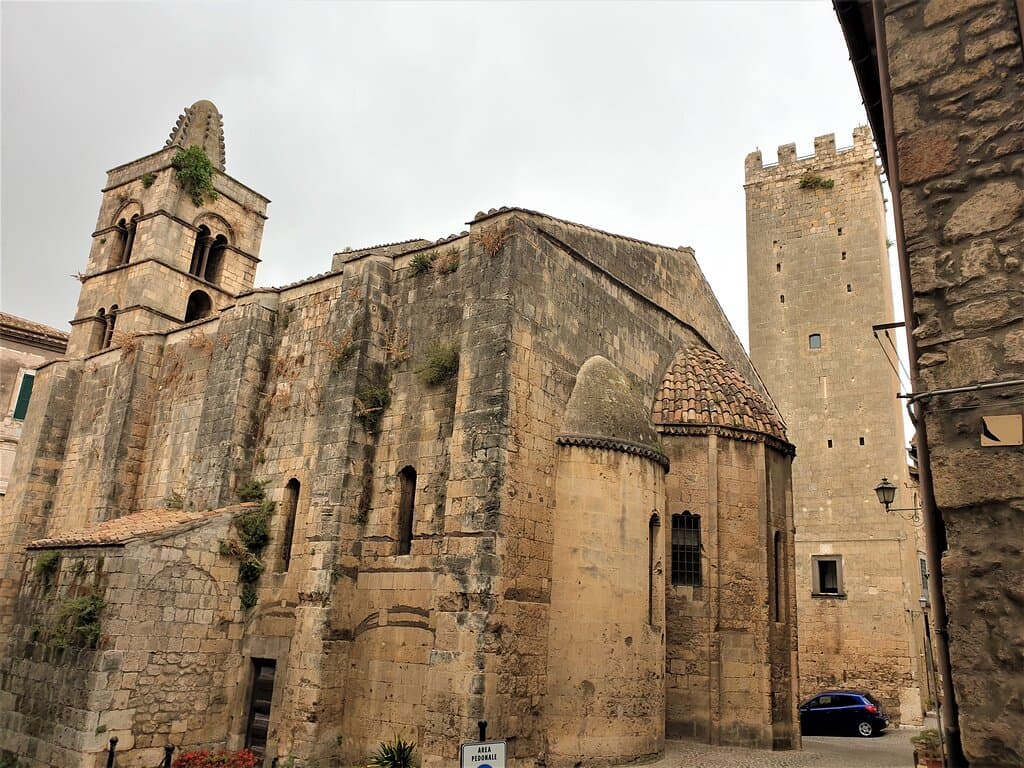
Gothic Apse & Neoclassical Interior
Apse
A striking contrast between the original Gothic structure of the apse and the 19th-century Neoclassical renovations.
15th-Century Wooden Crucifix
High Altar
A significant piece of sacred art, this ancient wooden crucifix adds to the spiritual ambiance of the cathedral.
Plans like a pro.
Thinks like you
Planning Your Visit
Embrace the Hidden Gem
Combine with Local Exploration
Best Times
Insider Tips
from TikTok, Instagram & Reddit
🎯 Explore Beyond the Main Altar
Don't miss the detailed frescoes in the presbytery and the architectural blend of Gothic and Neoclassical styles. :camerawithflash:
🚶♀️ Wander the Historic Center
The cathedral is in Piazza Duomo, perfect for combining with visits to nearby Santa Maria in Castello. :world_map:
🤫 Seek Tranquility
This cathedral offers a serene spiritual atmosphere, a welcome escape from typical tourist hustle. 🙏
Tips
from all over the internet
🎯 Explore Beyond the Main Altar
Don't miss the detailed frescoes in the presbytery and the architectural blend of Gothic and Neoclassical styles. :camerawithflash:
🚶♀️ Wander the Historic Center
The cathedral is in Piazza Duomo, perfect for combining with visits to nearby Santa Maria in Castello. :world_map:
🤫 Seek Tranquility
This cathedral offers a serene spiritual atmosphere, a welcome escape from typical tourist hustle. 🙏
What Travellers Say
Reviews Summary
Visitors praise Tarquinia Cathedral Santa Margherita as a lovely historical and artistic gem, offering a tranquil experience away from tourist crowds. Its Renaissance frescoes and unique architectural blend of Gothic and Neoclassical styles are highlights, making it a recommended stop for those seeking authentic cultural immersion in the Tuscia region.
"Lovely Cathedral"
Martin V Mathew
"Tarquinia Cathedral – Parish of Saints Margherita and Martino
A historical and artistic gem in the heart of Tarquinia
The Co-Cathedral of Saints Margherita and Martino, known as the Cathedral of Tarquinia, is a must-see for anyone visiting this charming medieval city in Lazio. Built in 1260 and elevated to a cathedral in 1435, this church combines centuries of history, art, and spirituality in a striking blend of architectural styles.
What to see in the Tarquinia Cathedral
- Frescoes by Pastura: The presbytery houses the splendid frescoes by Antonio del Massaro, known as "il Pastura," created between 1507 and 1509. The scenes depict Stories of the Virgin, Prophets and Sibyls, and the Coronation of Mary, with influences from the style of Pietro Perugino.
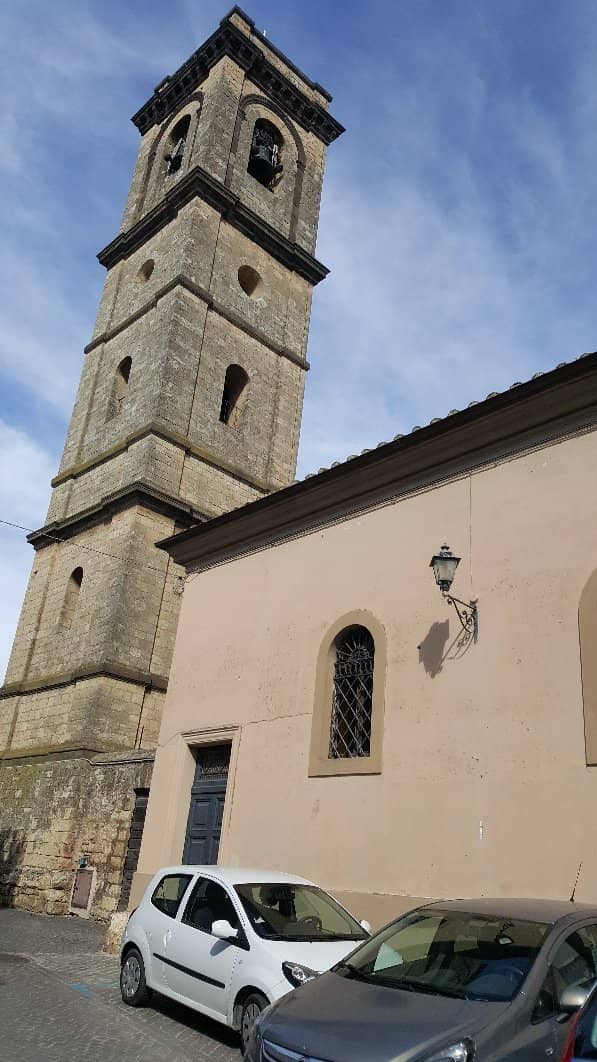
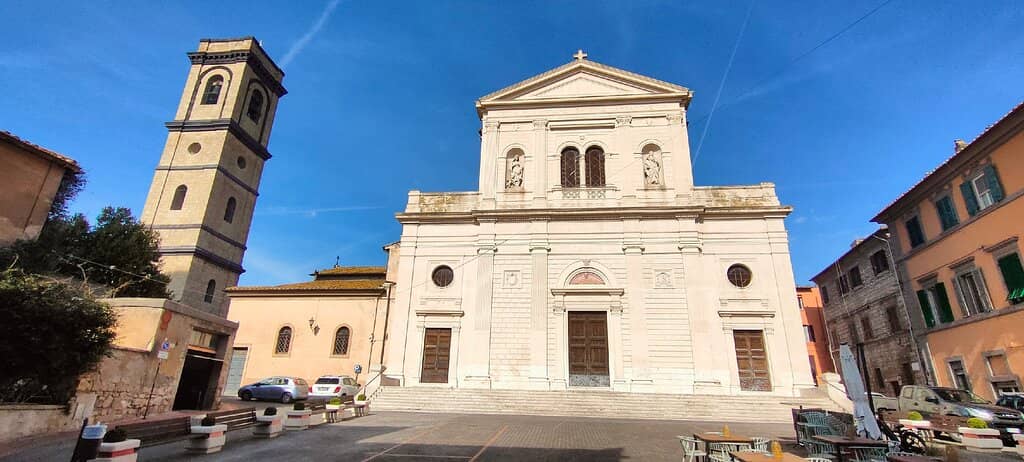
- Neoclassical and Gothic Architecture: Although the interior was renovated in Neoclassical style in the 19th century by Francesco Dasti, the apse still retains its original Gothic structure. The façade, rebuilt in 1933, presents an elegant balance between Baroque and Neoclassicism.
- Works of Art: Don't miss the 15th-century wooden Crucifix on the high altar, the paintings by Giacinto Brandi (Death of Saint Joseph and Death of the Virgin), and the prized Morettini organ from 1879.
Brief History and Interesting Facts
Destroyed by fire in 1643, the cathedral was rebuilt thanks to the devotion of the people of Tarquinia. Today it is the co-cathedral of the Diocese of Civitavecchia-Tarquinia, a role that underscores its religious and cultural importance.
Why visit?
- Sacred Art: A journey through Renaissance frescoes and medieval architecture.
- Tranquility: A serene and spiritual atmosphere, far from the tourist chaos.
- Location: Located in Piazza Duomo, in the heart of the historic center, near other treasures such as the church of Santa Maria in Castello.
Tarquinia Cathedral is a true little-known masterpiece, where history, faith, and art blend together in an unforgettable experience. Recommended for lovers of sacred art and those seeking a slice of authenticity in the Tuscia area of Viterbo."
Pieralfonso Longo
"I love you Amelka ❤️ 💙 Another historic religious building, the cathedral, but as usual, it's worth seeing because there are so many interesting things. I'm also adding here a few other interesting attractions that I did along the way and couldn't put them there."
karol galuba
What People Like
What People Dislike
Frequently Asked Questions
🚇 🗺️ Getting There
The cathedral is located in Piazza Duomo, in the historic center of Tarquinia. If you're arriving by car, look for parking in the surrounding streets. Public transport options to Tarquinia itself are available, and from the town center, it's a pleasant walk to the cathedral.
The cathedral is situated in the heart of the historic center, which is generally walkable. Be prepared for cobblestone streets, which are common in Italian medieval towns.
You can take a train from Rome to Tarquinia station, which is a convenient option. From the station, you can take a local bus or a taxi to the historic center where the cathedral is located.
🎫 🎫 Tickets & Entry
Generally, entry to the cathedral itself is free, as it is a functioning place of worship. However, there might be specific areas or exhibitions that require a ticket. It's always best to check on-site for any current admission policies.
Opening hours can vary, especially on religious holidays. It's advisable to check the most up-to-date schedule closer to your visit, often available on local tourism websites or by contacting the parish directly.
The frescoes by Pastura are located within the presbytery of the cathedral. Typically, access to these within the main church is included with entry, but it's wise to confirm on arrival.
📸 📸 Photography
Photography is usually permitted inside churches for personal use, but flash photography is often prohibited to protect the artwork. Always look for signage or ask a church official if unsure.
The presbytery with the Pastura frescoes and the apse offer stunning photographic opportunities. The exterior facade and the Piazza Duomo also provide great shots. :camerawithflash:
🎫 🏛️ History & Art
Built in the 13th century and rebuilt after a fire in 1643, it's a co-cathedral of the Diocese of Civitavecchia-Tarquinia. It showcases a blend of Gothic and Neoclassical architecture and houses significant Renaissance art.
The impressive frescoes depicting scenes of the Virgin and other religious figures were created by Antonio del Massaro, known as 'il Pastura,' between 1507 and 1509.
The cathedral features a mix of styles, with its original Gothic apse contrasting with the 19th-century Neoclassical interior renovations. The facade also shows Baroque and Neoclassical influences.
Social
from TikTok, Instagram & Reddit