Mitreo di Sutri Madonna del Parto
Explore a subterranean marvel: an Etruscan tomb, Mithraic temple, and medieval church with breathtaking frescoes carved into tuff rock.
Highlights
Must-see attractions

Social
From TikTok & Reddit
Best Time
Fewer crowds, better photos
Mitreo di Sutri Madonna del Parto
Best Time
Fewer crowds, better photos
Highlights
Must-see attractions
Explore a subterranean marvel: an Etruscan tomb, Mithraic temple, and medieval church with breathtaking frescoes carved into tuff rock.
"A site of indescribable beauty and interest that photos cannot convey."
🎟️ Book Tickets in Advance
Entry is often by guided tour or timed slot. Book ahead to secure your spot and avoid disappointment.
👟 Wear Comfortable Shoes
You'll be walking on uneven surfaces and potentially damp floors inside the tuff rock.
Highlights
Discover the most iconic attractions and experiences
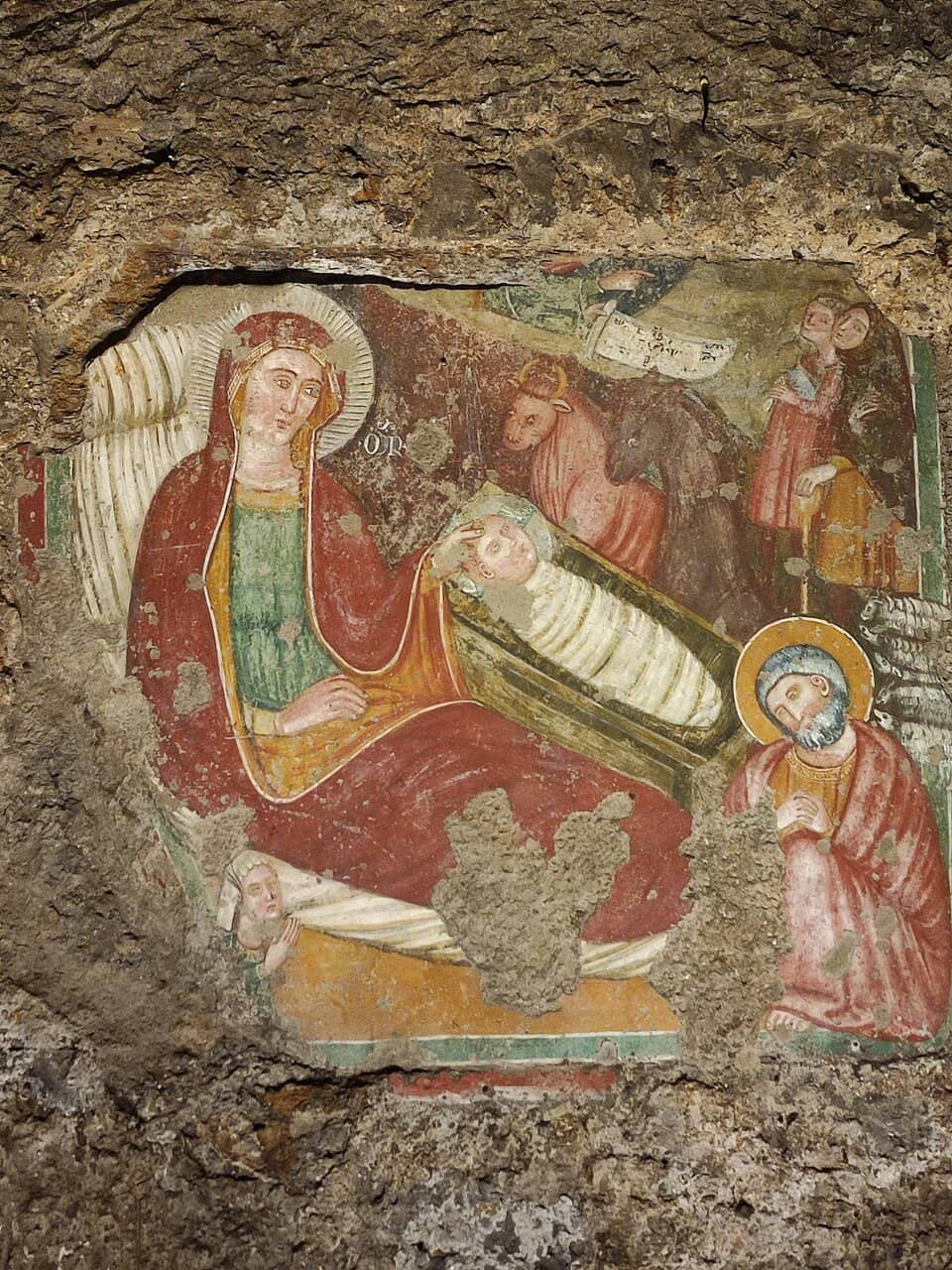
Madonna del Parto Frescoes
Interior
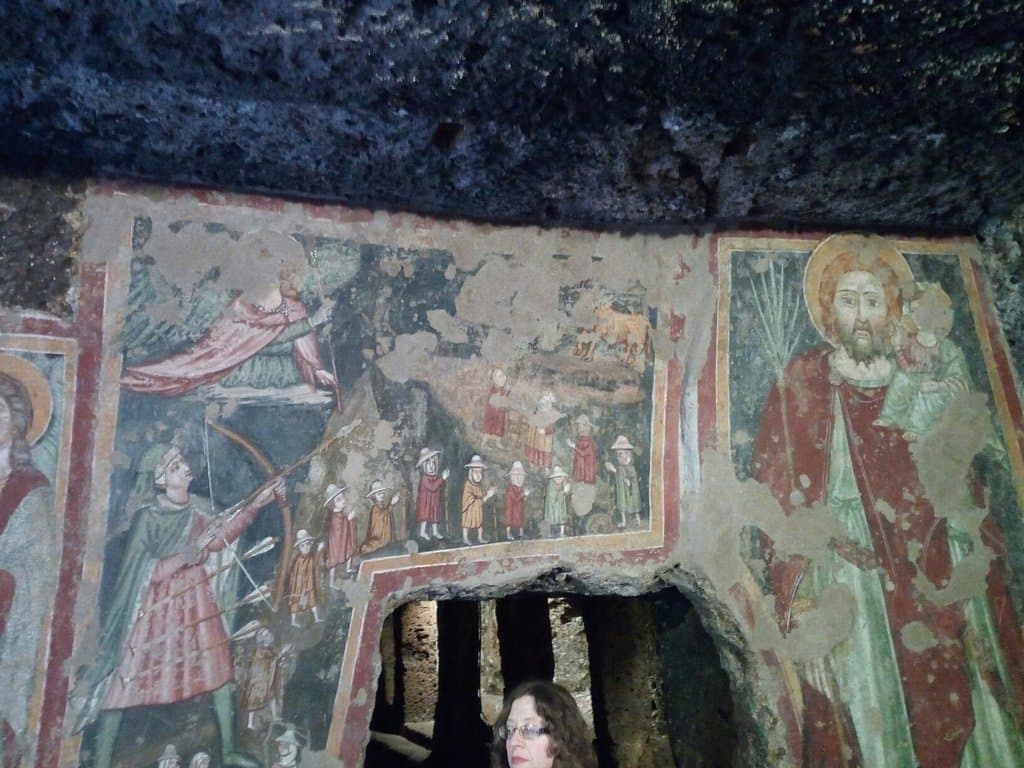
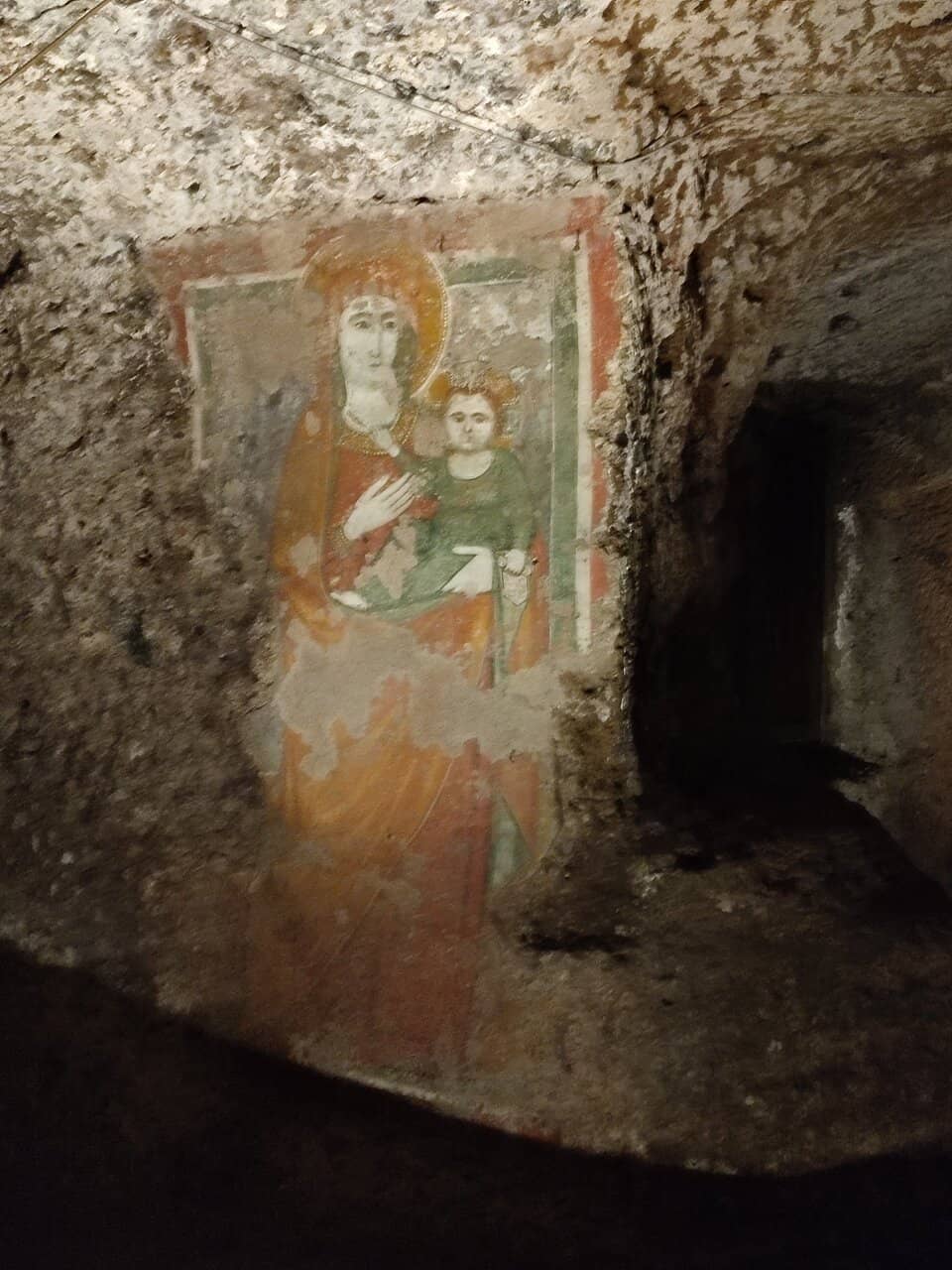
Astonishing 14th-century frescoes depicting the Madonna, saints, and biblical scenes, remarkably preserved in the tuff rock.
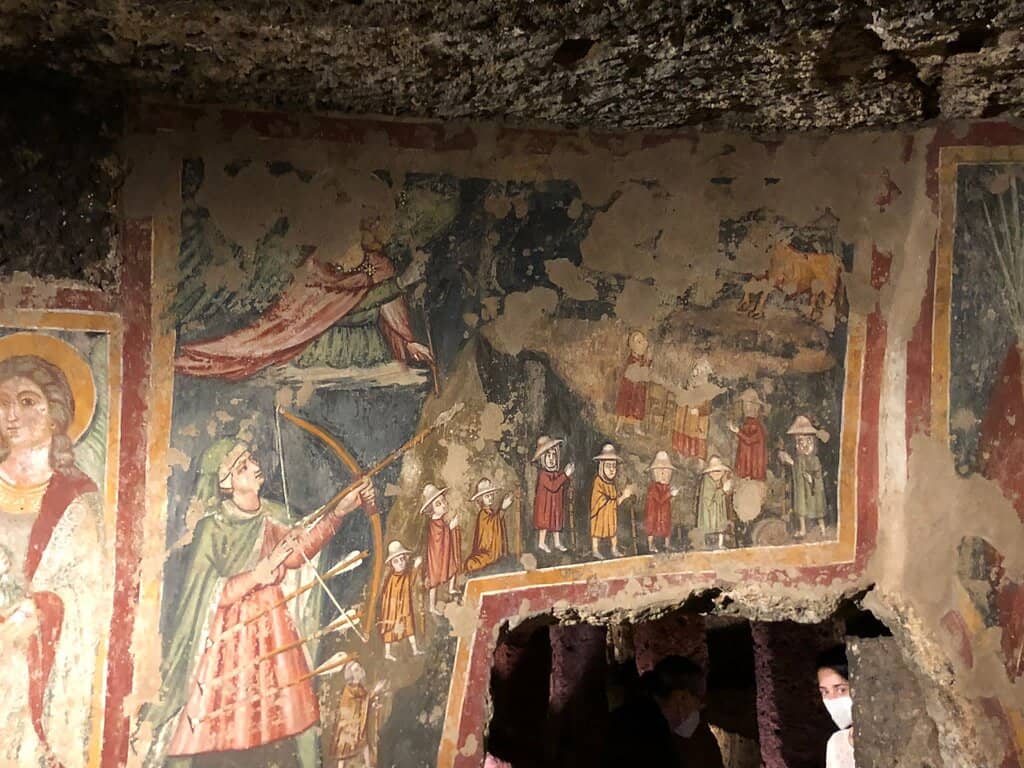
Ancient Mithraeum Structure
Interior
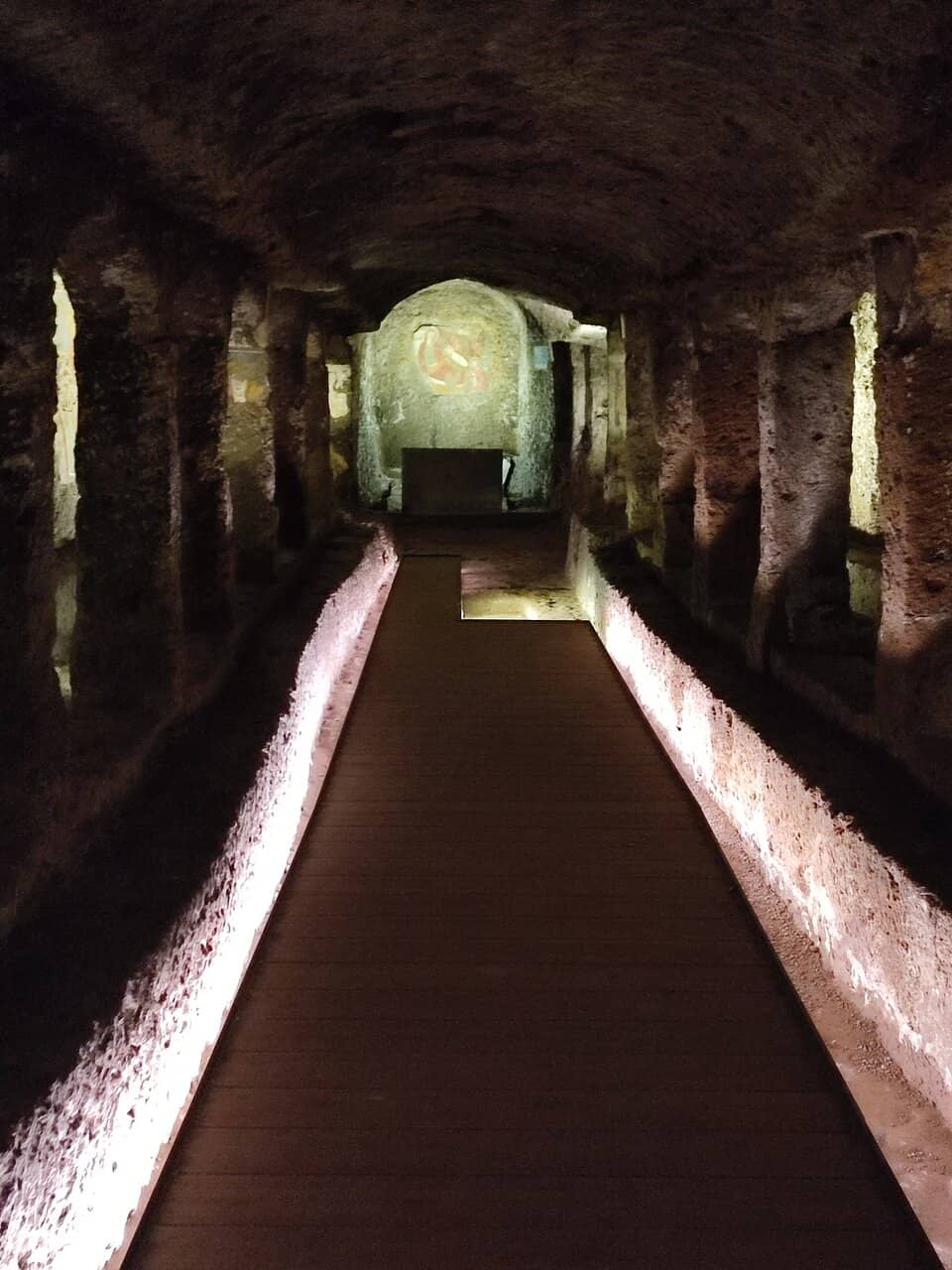
Explore the subterranean chambers, corridors, and seating areas that once hosted ancient rituals of the Mithras cult.
Etruscan Tomb Origins
Entrance area
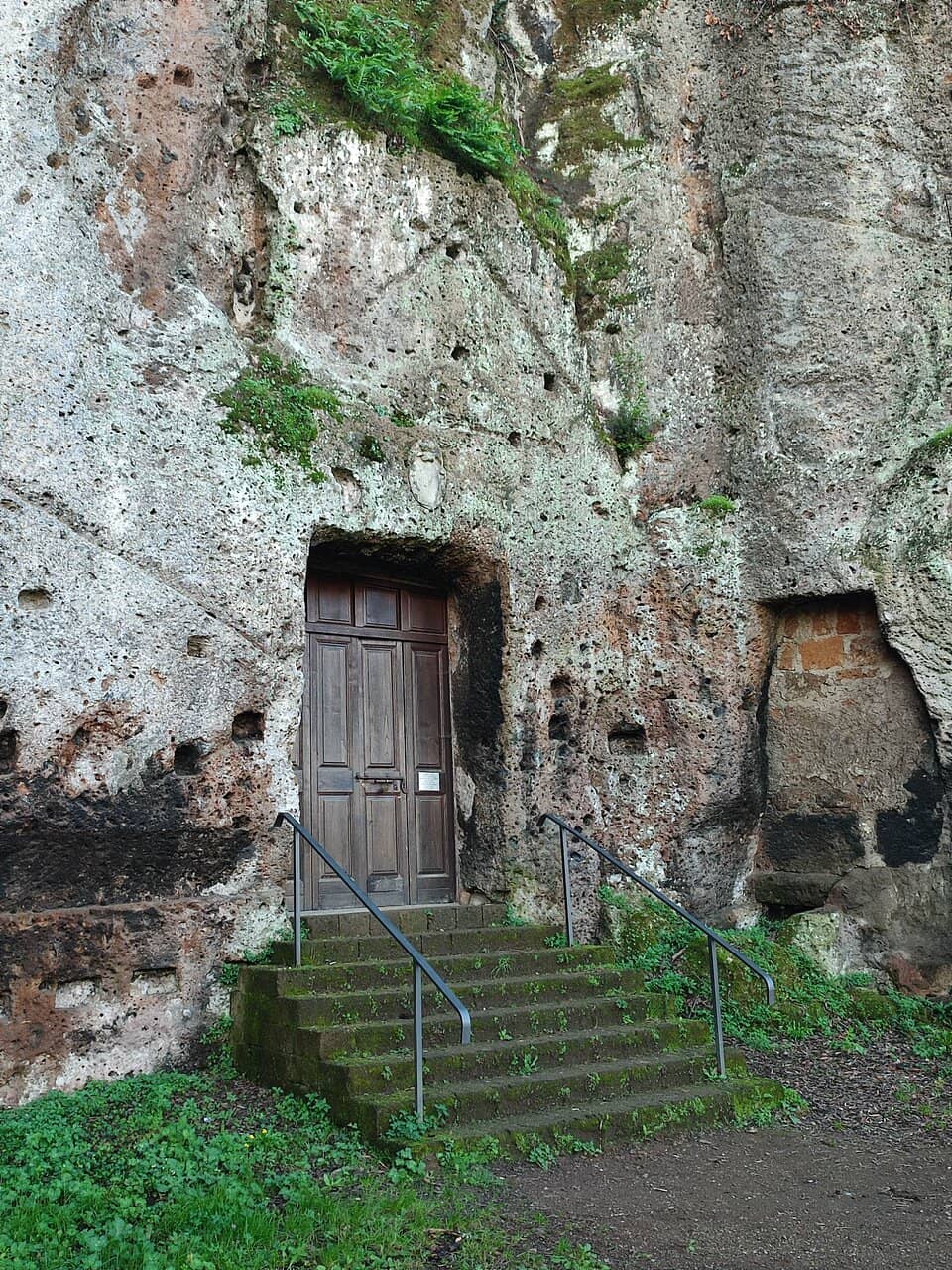
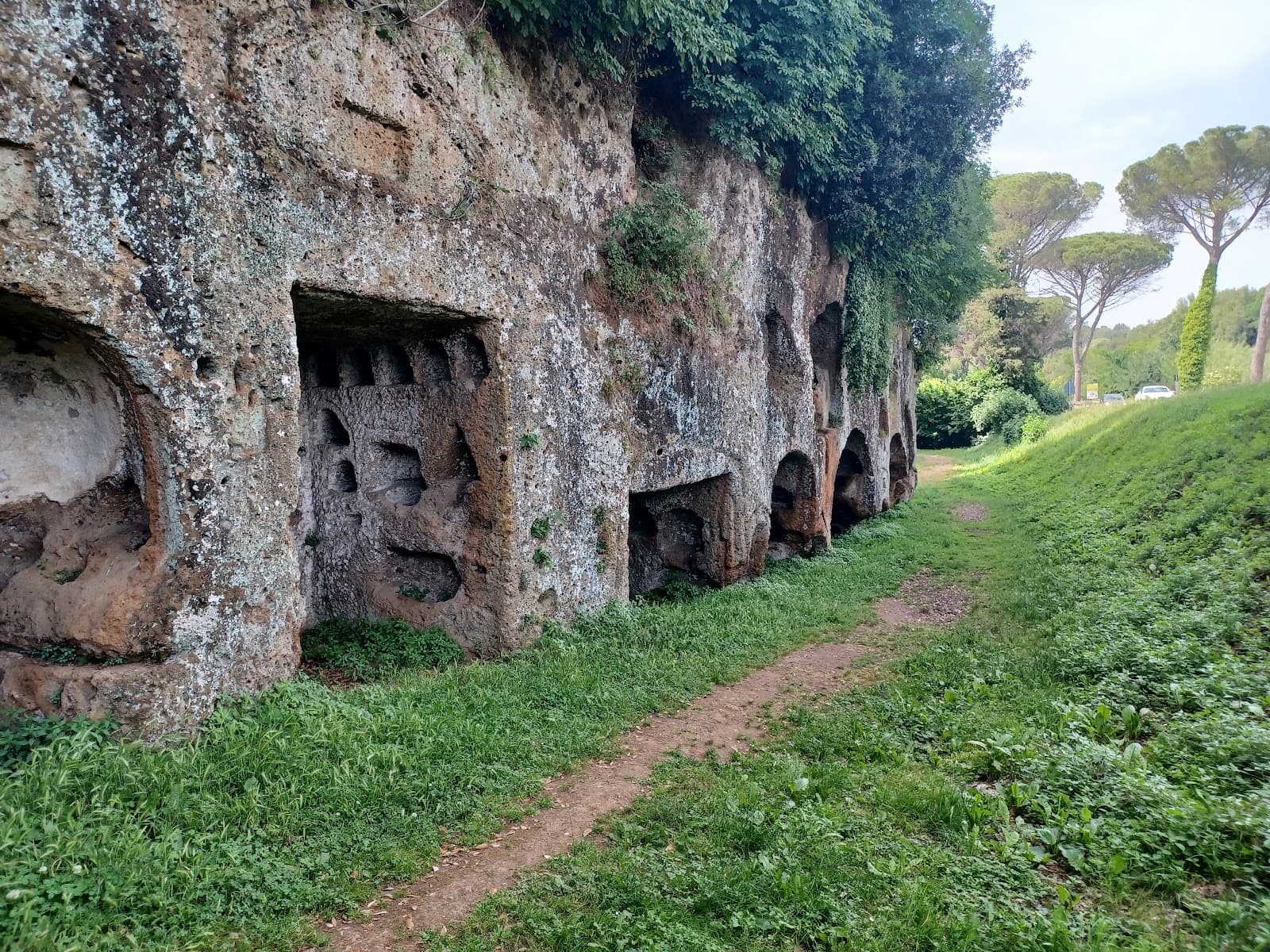
Discover the site's earlier life as an Etruscan tomb, with sarcophagi hinting at its ancient past.
Plans like a pro.
Thinks like you
Planning Your Visit
Book Ahead for This Underground Gem
Explore the Surrounding Archeological Park
Best Times
Insider Tips
from TikTok, Instagram & Reddit
🎟️ Book Tickets in Advance
Entry is often by guided tour or timed slot. Book ahead to secure your spot and avoid disappointment.
👟 Wear Comfortable Shoes
You'll be walking on uneven surfaces and potentially damp floors inside the tuff rock.
📸 Photography is Allowed
Capture the stunning frescoes and unique architecture, but be mindful of others and any specific rules.
🐶 Dog-Friendly Exploration
Well-behaved dogs are welcome to join you on your visit.
Tips
from all over the internet
🎟️ Book Tickets in Advance
Entry is often by guided tour or timed slot. Book ahead to secure your spot and avoid disappointment.
👟 Wear Comfortable Shoes
You'll be walking on uneven surfaces and potentially damp floors inside the tuff rock.
📸 Photography is Allowed
Capture the stunning frescoes and unique architecture, but be mindful of others and any specific rules.
🐶 Dog-Friendly Exploration
Well-behaved dogs are welcome to join you on your visit.
🗺️ Explore the Archeological Park
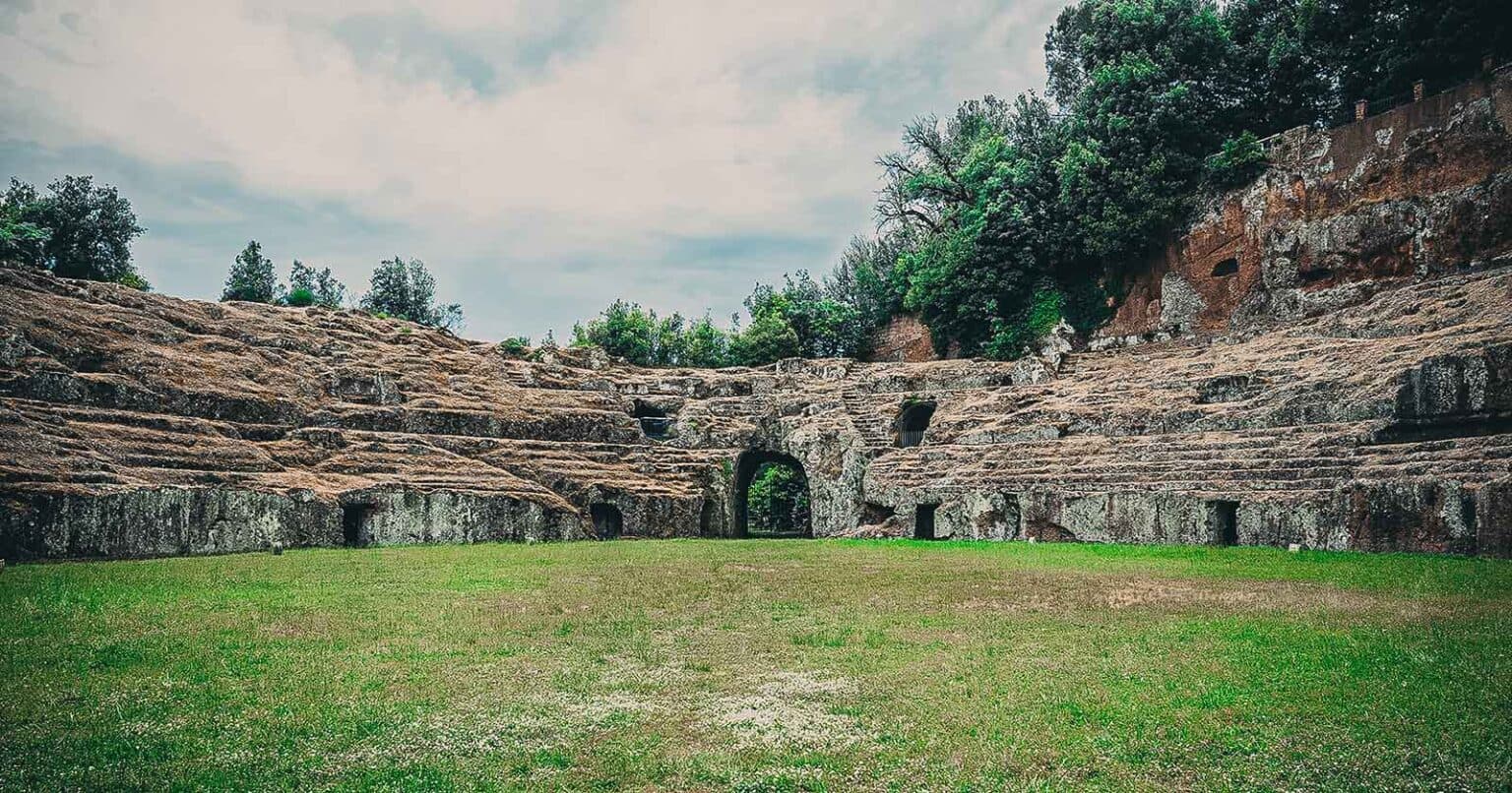
Combine your visit with the nearby Roman amphitheater and Etruscan tombs for a full historical immersion.
What Travellers Say
Reviews Summary
Visitors consistently praise the Mitreo di Sutri as a 'real masterpiece' and a 'must-see' site, highlighting its unique underground architecture and stunning, well-preserved frescoes. Many are awestruck by the beauty and historical significance, noting that photos don't do it justice. Some mention the need to book in advance and the uneven terrain inside.
"Real masterpiece in Sutri. Must see
You should book to enter this church carved in the turf rock with Many frescos inside"
Ermanno Papa
"One of the top sights in the whole peninsula.
A super rare church."
metalpsyche82
"A site of indescribable beauty and interest that photos cannot convey. If it weren't clear that Sutri is an absolute must-see, I can confirm it loudly. In the archaeological area that includes the necropolis and the ancient Roman amphitheater, right at the edge of Savorelli Hill and above the children's play area, a clearing with a metal cross and a small door carved into the tuff leads to a mystical, jaw-dropping space. Obviously, it's called a church because its last use is certain—at least in religious terms—but it's recognized that it was previously a Mithraeum thanks to several significant structural features. Of the Mithraeum (though it may have been a tomb before; there are stone sarcophagi upon entering), the square vestibule at the entrance and the long corridor carved into the tuff stone end in a larger cave. A corridor flanked by two seats where rites were performed and meals were consumed, and a central drainage channel reminiscent of the fossa sanguinis (blood pit) for collecting fluids during sacrifices, remain. However, the symbols associated with the cult of Mithras are missing. Instead, the conversion into a church (with stunning frescoes dating back to 1200/1300), with its small altar and religious representations, clearly demonstrates a reuse for this purpose. Upon entering, one is astonished by the fresco depicting the Madonna, Saint Christopher, Saint Michael, and the pilgrimage to Gargano (with spectacular clarity). But all the interior walls feature religious depictions, including a small nativity scene with the Holy Family and an ox and donkey, carved into the apse, which was later excavated to give the whole structure greater spaciousness. The two side naves, carved into the tuff and divided by small pillars with arches, take on a magical and evocative appearance thanks to the lighting. You can also admire some 18th-century majolica tiles depicting the Stations of the Cross. It's truly a must-see and one of the most beautiful experiences you can have in this richly diverse area (and beyond, I'd say). It's definitely worth visiting along with the Amphitheater. Need some useful info? Then leave a like and check out other reviews of Rome and beyond."
Roberto Cecchini
What People Like
What People Dislike
Frequently Asked Questions
🚇 🗺️ Getting There
The Mitreo is located within the Sutri Archaeological Park, near the Roman amphitheater. It's accessible by car, with parking available nearby. Public transport options might be limited, so checking local bus schedules is recommended.
Yes, there is parking available within or near the Sutri Archaeological Park, making it convenient for visitors arriving by car.
It's a pleasant walk from the town center, but be prepared for some uphill sections. The path is scenic and leads through historical areas.
The most common way to reach Sutri from Rome is by car, taking about an hour. Alternatively, you can take a train to a nearby station and then a bus, or look for direct bus services if available.
Often, access to the Mitreo is facilitated by guided tours that explain its history and significance. It's advisable to check the official park website or inquire locally about tour availability and timings.
🎫 🎫 Tickets & Entry
Yes, tickets are typically required for entry to the Sutri Archaeological Park, which includes the Mitreo. It's best to purchase tickets in advance online or at the park's ticket office.
Opening hours can vary seasonally and may depend on guided tour schedules. Always check the official website of the Sutri Archaeological Park for the most up-to-date information before your visit.
Ticket prices are usually for the entire archaeological park. Check the official park website for current admission fees, which may include access to the amphitheater, necropolis, and the Mitreo.
While some areas of the park might be accessible independently, the Mitreo itself may have specific access requirements, often linked to guided tours to preserve the site and provide context.
Discounts may be available for children, seniors, or groups. Check the park's official ticketing information for any applicable concessions.
🎫 🧭 Onsite Experience
The Mitreo di Sutri, also known as the Church of the Madonna del Parto, is a unique underground structure carved into tuff rock. It served as an Etruscan tomb, a pagan Mithraeum, and later a Christian church, featuring remarkable frescoes.
Inside, you'll find stunning medieval frescoes, the ancient structure of the Mithraeum with its corridors and seating, and evidence of its past as an Etruscan tomb.
Due to its underground nature and carved structure, the Mitreo may present challenges for those with significant mobility issues. The terrain can be uneven.
A visit to the Mitreo itself might take around 30-45 minutes, but allow extra time if you are exploring the surrounding archaeological park, including the amphitheater and tombs.
Comfortable walking shoes are essential. The temperature inside the tuff rock can be cooler than outside, so a light layer might be advisable.
📸 📸 Photography
Photography is generally permitted inside the Mitreo, allowing you to capture its unique frescoes and architecture. However, always check for any specific signage or guidelines regarding flash photography.
The areas with the most vibrant frescoes, particularly the Madonna del Parto and the nativity scene, offer excellent photographic opportunities. The interplay of light and shadow in the carved corridors is also striking.
The interior can be dimly lit, especially in the deeper sections. Using a camera with good low-light performance or a tripod (if permitted) can help capture clearer images.
Drone photography is typically not allowed within archaeological sites or historical monuments due to preservation and safety concerns. Always check local regulations.
A camera with good detail capture and low-light capabilities is ideal. Even a smartphone with a good camera can produce excellent results, especially with careful composition.
For Different Travelers
Tailored advice for your travel style
👨👩👧 Families with Kids
Tips for families: Plan your visit to coincide with a guided tour if available, as guides can often make the history more accessible and engaging for kids. Ensure children wear sturdy shoes as the ground can be uneven. While dogs are welcome, consider if your child is comfortable around animals. The archaeological park also has open spaces where children can move around.
🏛️ History Buffs & Archeology Enthusiasts
Key highlights for history buffs: Pay close attention to the structural remnants of the Mithraeum, such as the seating and drainage channels, which are crucial for understanding the cult's practices. Study the iconography and style of the frescoes to date them and understand their religious significance. Don't miss the surrounding Etruscan tombs and the Roman amphitheater to contextualize the Mitreo within the broader history of Sutri.
📸 Photographers & Art Lovers

Photography tips: Visit during the day when lighting is generally best, though consider the time of day for optimal light and shadow play. Focus on capturing the detail and color of the frescoes, as well as the architectural nuances of the underground chambers. Be mindful of any restrictions on flash photography. The surrounding archaeological park also offers picturesque views.
Deep Dives
In-depth insights and expert knowledge
The Layers of History: From Tomb to Temple to Church
With the rise of Christianity, the Mithraeum underwent another transformation, becoming a Christian church dedicated to the Madonna del Parto (Our Lady of Childbirth) and later Saint Michael the Archangel. This conversion is marked by the addition of a small altar and, most strikingly, the splendid frescoes that adorn the interior walls. These artworks, dating primarily from the 14th and 16th centuries, depict religious scenes with remarkable clarity and color, offering a vivid glimpse into medieval religious art. The juxtaposition of these vibrant frescoes against the ancient tuff rock creates a truly unique and evocative atmosphere.
Visitors are often struck by the magical and evocative appearance of the interior, enhanced by the lighting that plays on the carved naves and pillars. The site's ability to showcase such a profound evolution of religious and cultural practices within a single, subterranean space makes it an exceptionally significant archaeological and artistic treasure. It's a place where you can literally walk through centuries of history.
Unveiling the Frescoes: Artistry in Tuff
Beyond the central Madonna, the walls are covered with various religious representations, including a charming nativity scene carved into the apse. The side naves, divided by small pillars and arches, also feature painted scenes that contribute to the overall spiritual ambiance. The colors, though softened by time, still retain a remarkable vibrancy, especially when illuminated by the carefully placed lighting.
These frescoes not only showcase artistic talent but also provide valuable insights into the religious beliefs and artistic styles of the period. They offer a direct connection to the past, allowing visitors to appreciate the devotion and craftsmanship that went into transforming this ancient space into a place of Christian worship. The preservation of these artworks within the stable environment of the tuff rock has been crucial to their survival.
Social
from TikTok, Instagram & Reddit