Necropoli Rupestre Sutri
Explore ancient Etruscan tombs carved into tuff rock, a Roman amphitheater, and mysterious Via Cave pathways.
Highlights
Must-see attractions

Social
From TikTok & Reddit
Best Time
Fewer crowds, peaceful exploration
Necropoli Rupestre Sutri
Best Time
Fewer crowds, peaceful exploration
Highlights
Must-see attractions
Explore ancient Etruscan tombs carved into tuff rock, a Roman amphitheater, and mysterious Via Cave pathways.
"A must-see stop with fascinating history, from Etruscan tombs to Roman structures."
👟 Comfortable Footwear Essential
The terrain can be uneven; wear sturdy shoes for exploring tombs and paths.
💰 Amphitheater & Mithraeum Ticket
A combined ticket grants access to the amphitheater and Mithraeum; the necropolis is free.
Highlights
Discover the most iconic attractions and experiences
Etruscan Rock-Cut Tombs
Various levels along the tuff spur
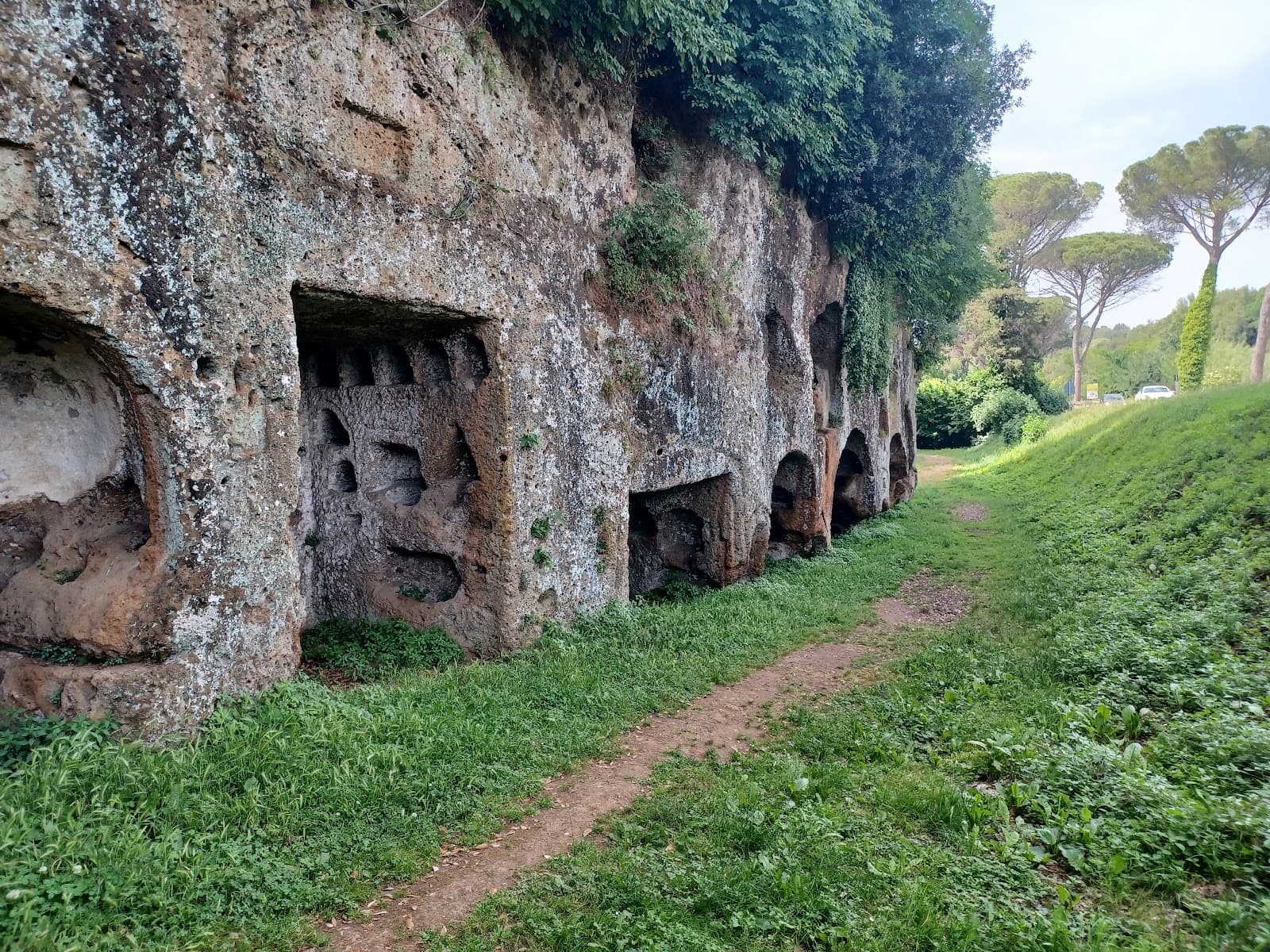
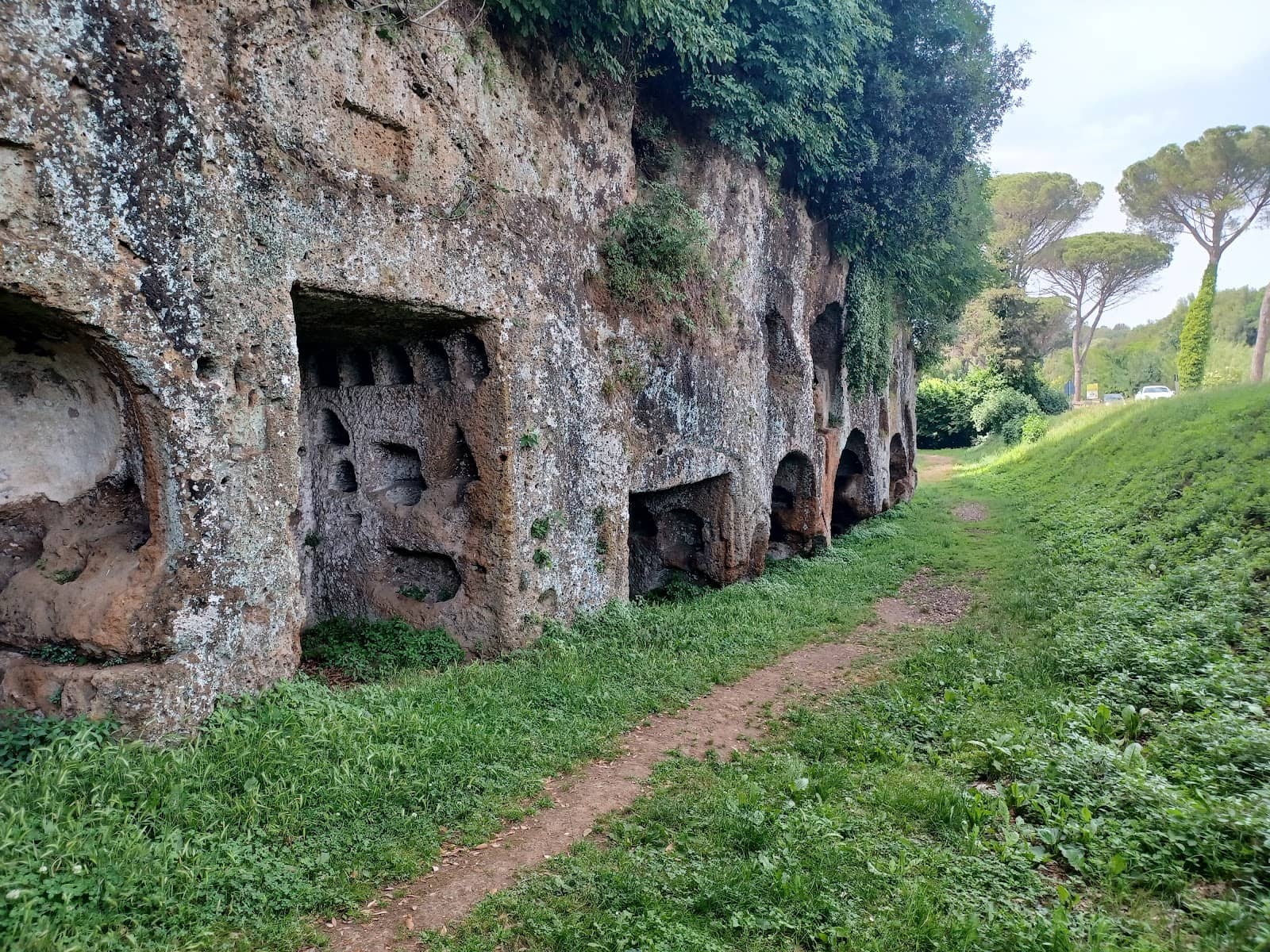
Over sixty ancient tombs carved directly into the tuff rock, showcasing diverse architectural styles.
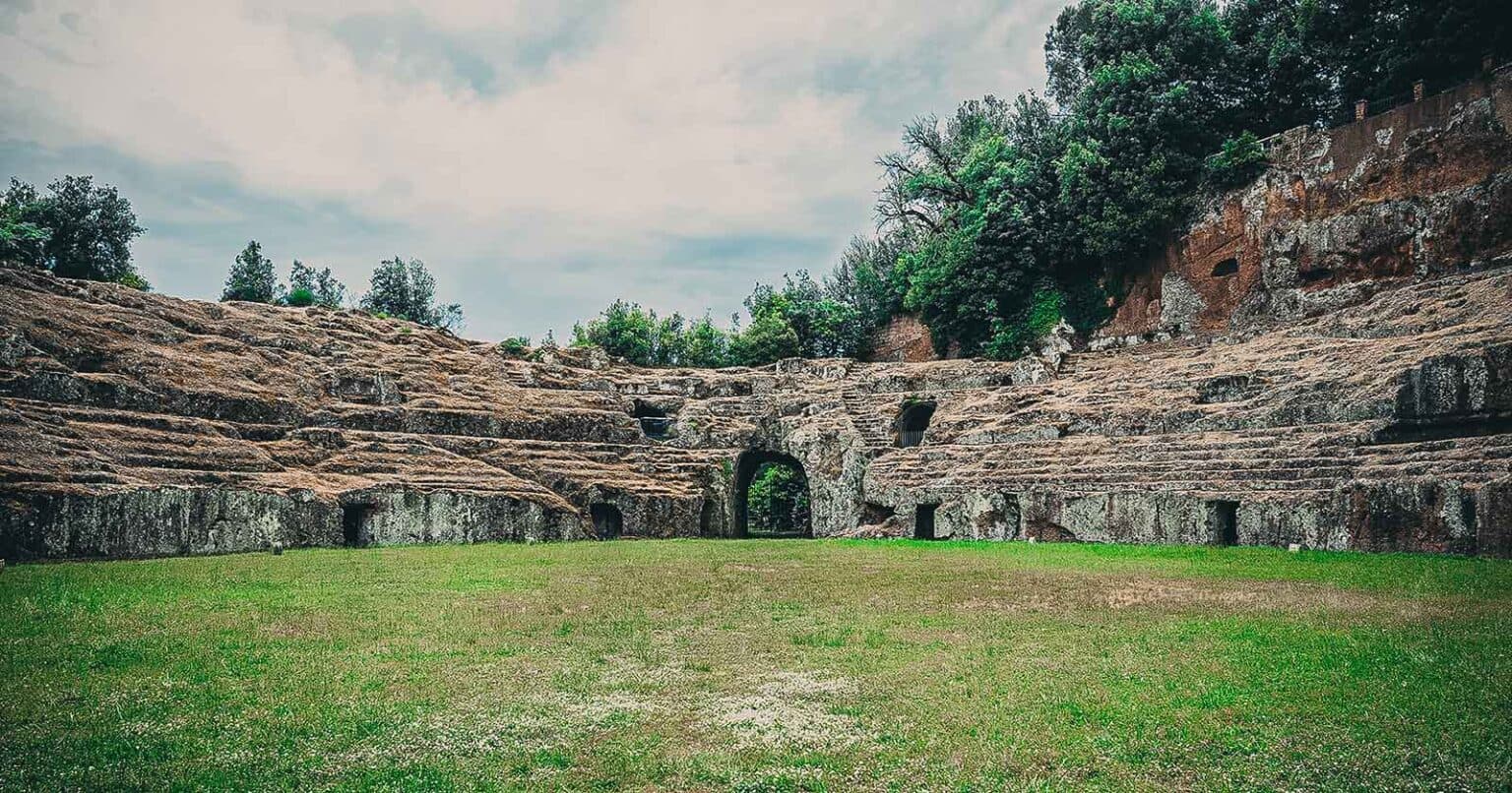
Roman Amphitheater
Archaeological Park
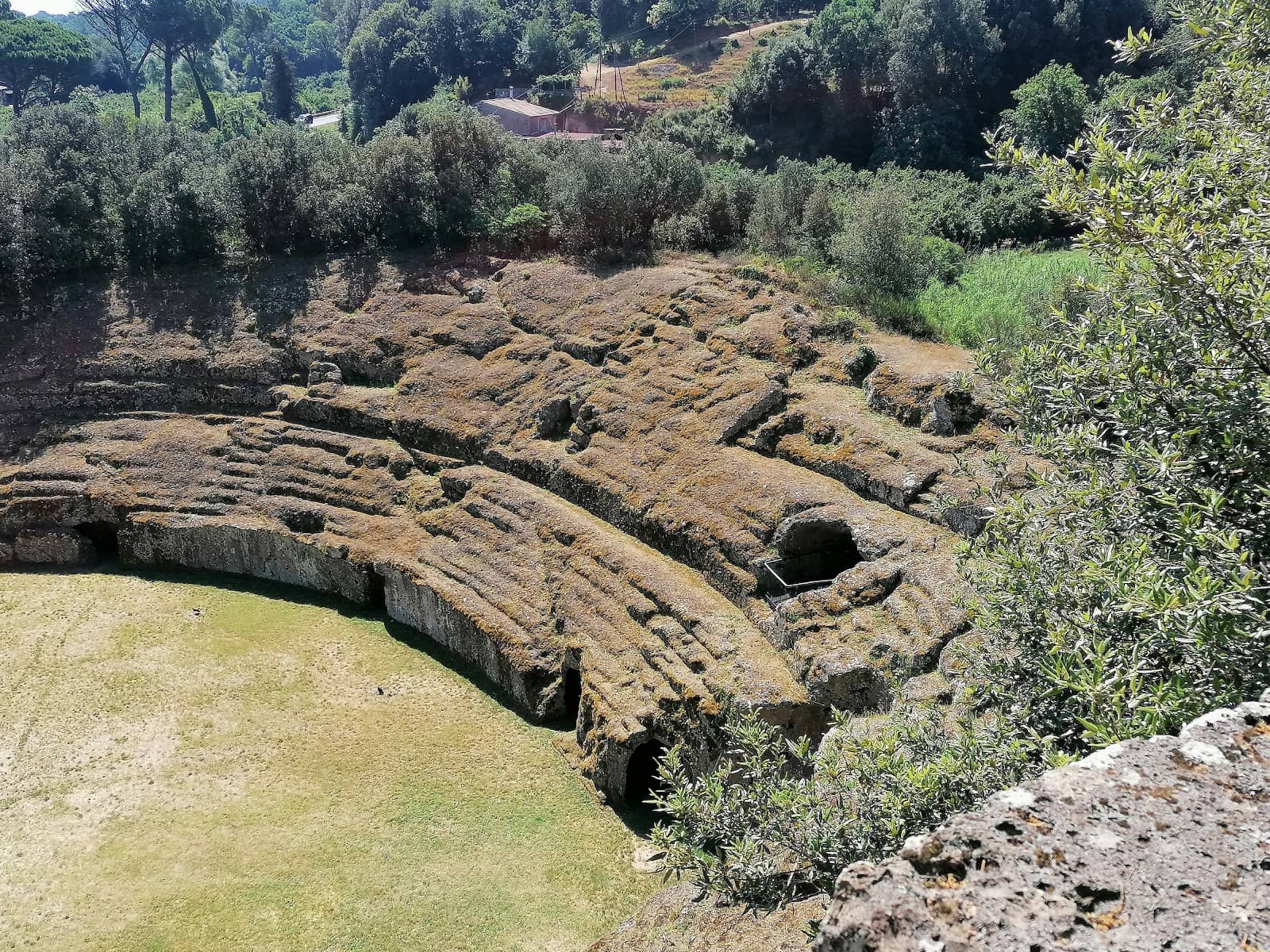
A well-preserved Roman amphitheater offering a glimpse into ancient entertainment and architecture.
Mithraeum
Archaeological Park
A fascinating underground temple dedicated to the god Mithras, with a unique history of reuse.
Via Cave
Surrounding Park
Ancient Etruscan pathways, also known as 'tagliate,' connecting settlements and necropolises.
Plans like a pro.
Thinks like you
Planning Your Visit
Timing Your Visit to Necropoli Rupestre Sutri
Navigating the Necropolis
Best Times
Insider Tips
from TikTok, Instagram & Reddit
👟 Comfortable Footwear Essential
The terrain can be uneven; wear sturdy shoes for exploring tombs and paths.
💰 Amphitheater & Mithraeum Ticket
A combined ticket grants access to the amphitheater and Mithraeum; the necropolis is free.
🚶♀️ Explore the Via Cave
Discover ancient Etruscan pathways ('tagliate') for a unique historical walk.
📸 Capture the Scenery
The tuff rock formations and ancient structures offer great photo opportunities.

Tips
from all over the internet
👟 Comfortable Footwear Essential
The terrain can be uneven; wear sturdy shoes for exploring tombs and paths.
💰 Amphitheater & Mithraeum Ticket
A combined ticket grants access to the amphitheater and Mithraeum; the necropolis is free.
🚶♀️ Explore the Via Cave
Discover ancient Etruscan pathways ('tagliate') for a unique historical walk.
📸 Capture the Scenery
The tuff rock formations and ancient structures offer great photo opportunities.
💧 Stay Hydrated
Especially during warmer months, carry water as you explore the outdoor sites.
What Travellers Say
Reviews Summary
Visitors consistently praise Necropoli Rupestre Sutri as a worthwhile stop, highlighting its fascinating Etruscan tombs, well-preserved Roman amphitheater, and unique Mithraeum. Many appreciate the free access to the necropolis and the opportunity to explore the ancient Via Cave pathways. Some note that while the main sites are accessible, certain tomb areas can be challenging to navigate.
"great stop on the way, we visited the amphitheater and the dark inner tunnels with the lovely view of the site that been preserved are worth visiting."
Ben Schlomi
"It is a stroll that is must"
Giovanni Pollarolo
"We all see them as we drive along the Cassia...we often linger on the most exposed ones, devoid of the vegetation that dominates the public gardens of the archaeological area at the foot of Sutri, but on closer inspection they frame the entire tuff spur...well before and a little after (about two hundred meters)...and many more are within. It's difficult to establish a precise date, but scholars have hypothesized that this necropolis was used from the 1st century BC to the 3rd-4th century AD, constituting one of the most significant examples of Roman-era rock tombs in the Etruscan-Faliscan territory. Over sixty tombs carved into the tuff rock and on various levels have been recorded. Over the centuries—and not so long ago, I'd say until a few decades ago—they have been variously reused, adapted, and modified, making it difficult, if not impossible, to classify or date them correctly (they have even been renovated, inhabited, used as a warehouse, sheepfold, cellar, and so on...the Mithraeum that became a church has a history all its own). Various types can be recognized, including single-chamber tombs, double-chamber tombs, tombs with arched entrances, rectangular niches, with or without recesses for cinerary urns, and arcosolia (in the most hidden parts, some feature lintels with columns, similar to those in Norchia). Obviously, nothing of their contents remains, as by the Middle Ages they had already been largely stripped of all their furnishings and funerary objects. They can be visited via a small path that runs along the tuff rock (and for safety reasons, it's best not to enter anyway). A must-see, along with the amphitheater and Mithraeum. Useful information? So leave a like and look at the other reviews made on this area and especially on Rome and beyond"
Roberto Cecchini
What People Like
What People Dislike
Frequently Asked Questions
🚇 🗺️ Getting There
Necropoli Rupestre Sutri is easily accessible from Rome. Driving is the most convenient option, taking approximately 45-60 minutes via the Via Cassia (SS2). Public transport involves taking a regional train from Rome to Monterosi and then a local bus or taxi to Sutri. Some travelers suggest it's a great stop on the way to other destinations like Pisa.
Yes, there is parking available near the archaeological area, particularly close to the entrance for the amphitheater and Mithraeum. It's generally convenient for visitors arriving by car.
Absolutely! Necropoli Rupestre Sutri makes for an excellent day trip from Rome. You can easily combine a visit to the necropolis with the amphitheater and Mithraeum, and still have time to explore the charming town of Sutri itself.
The main archaeological sites, including the amphitheater, Mithraeum, and the entrance to the necropolis paths, are relatively close to each other and walkable. For exploring the more extensive Via Cave system, comfortable walking shoes are essential.
While not always advertised extensively online, local guides may be available at the site, especially during peak season. Checking with the local tourist information office in Sutri upon arrival is recommended for the most up-to-date information on guided tours.
🎫 🎫 Tickets & Entry
The Necropoli Rupestre itself is free to explore. However, access to the Roman Amphitheater and the Mithraeum requires a ticket, typically costing around €5 for the amphitheater and an additional fee for combined access.
Generally, advance booking is not required for Necropoli Rupestre Sutri, especially for the free necropolis areas. For the amphitheater and Mithraeum, tickets can usually be purchased on-site. It's always a good idea to check the official website or local tourism information for any updates, particularly during holidays.
Opening hours can vary seasonally. The amphitheater and Mithraeum typically follow specific schedules, while the necropolis paths are often accessible for longer periods. It's best to verify the current opening hours before your visit, as they can change.
The main paths to the amphitheater and Mithraeum are generally accessible, but exploring the rock-cut tombs and some of the Via Cave can be challenging due to uneven terrain and steps. Visitors with mobility concerns should exercise caution and stick to the more accessible areas.
Yes, you can visit on public holidays, but expect potentially higher visitor numbers. It's advisable to check specific holiday opening hours as they might differ from regular schedules.
🎫 🧭 Onsite Experience
Necropoli Rupestre Sutri boasts over sixty Etruscan rock-cut tombs, a well-preserved Roman amphitheater, and a unique Mithraeum. You can also explore the ancient Etruscan 'Via Cave' pathways. It's a significant archaeological site offering a journey through different historical periods.
To fully appreciate the necropolis, amphitheater, Mithraeum, and a portion of the Via Cave, allocate at least 2-3 hours. If you plan to hike more extensively through the Via Cave, you could easily spend half a day.
Restroom facilities are usually available near the ticket office for the amphitheater and Mithraeum. Dedicated cafes within the archaeological park are uncommon, so it's recommended to bring your own snacks and water, or plan to dine in the nearby town of Sutri.
Follow the marked paths that lead to the various tombs and the amphitheater. For the Via Cave, look for signage indicating the trails. Comfortable walking shoes are a must, and a map from the ticket office can be helpful.
While some tunnels and tombs are accessible, visitors are advised to exercise caution. The terrain can be uneven, and some areas might be unstable. Stick to marked paths and avoid entering areas that appear unsafe.
📸 📸 Photography
The rock-cut tombs themselves offer dramatic perspectives, especially when framed by vegetation. The Roman amphitheater provides a grand architectural backdrop. The Via Cave, with its high tuff walls, creates unique, atmospheric shots. Late afternoon light can enhance the textures of the rock.
Generally, photography for personal use is allowed throughout the site. However, using tripods or professional equipment might require special permission, especially in sensitive areas or during peak times. It's always best to be mindful of other visitors.
A versatile lens, such as a 24-70mm equivalent, is useful for capturing both wider landscapes and details of the tombs. A wide-angle lens can be great for the Via Cave and amphitheater. Consider bringing a polarizing filter to manage reflections and enhance the colors of the tuff rock.
Drone usage is typically restricted in archaeological sites to protect the heritage and ensure visitor safety. It's highly unlikely that drone photography is permitted without explicit authorization, which is rarely granted for recreational purposes.
The 'golden hours' – shortly after sunrise and before sunset – offer the most dramatic and flattering light for photography. The low-angle sun accentuates the textures of the tuff rock and creates beautiful shadows. Midday sun can be harsh and wash out details.
For Different Travelers
Tailored advice for your travel style
👨👩👧 Families with Kids
🚶 Budget Travelers
🏛️ History Buffs
Deep Dives
In-depth insights and expert knowledge
The Etruscan Legacy: Tombs and Via Cave
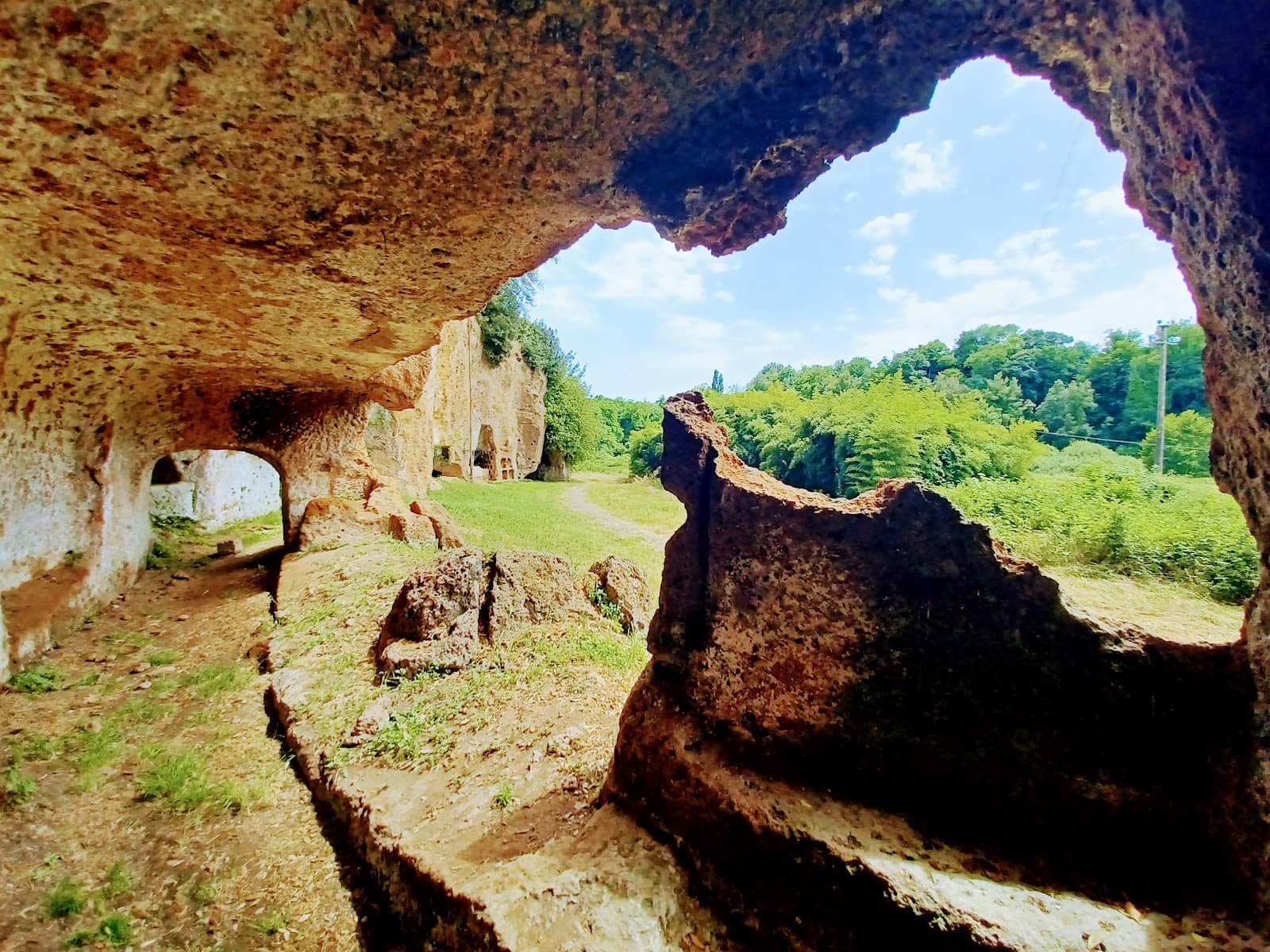
The Via Cave, also known as 'tagliate,' are ancient pathways cut deep into the earth, forming narrow canyons. These were crucial for connecting Etruscan settlements with their necropolises and surrounding territories. Walking through the Via Cave feels like stepping back in time, with towering tuff walls on either side, often covered in moss and vegetation. It's an immersive experience that highlights the Etruscans' mastery of landscape modification.
Travelers often describe the Via Cave as a 'walk through time,' emphasizing the unique atmosphere and historical significance of these ancient routes.
Roman Influence: Amphitheater and Mithraeum
Adjacent to the amphitheater is the Mithraeum, a fascinating underground temple dedicated to the Roman god Mithras. This site has a complex history, having been repurposed over centuries, including being used as a church. Its subterranean nature and the remnants of its religious function make it a compelling discovery for visitors interested in Roman cults and religious practices.
Social
from TikTok, Instagram & Reddit