Chiesa di San Domenico
Historic basilicas housing masterpieces from Gothic to Baroque, reflecting centuries of art, faith, and Dominican heritage.
Highlights
Must-see attractions

Social
From TikTok & Reddit
Best Time
Fewer crowds, peaceful atmosphere
Chiesa di San Domenico
Best Time
Fewer crowds, peaceful atmosphere
Highlights
Must-see attractions
Historic basilicas housing masterpieces from Gothic to Baroque, reflecting centuries of art, faith, and Dominican heritage.
"A treasure trove of art and history, offering a glimpse into Italy's rich cultural and religious past."
Check for Events
Concerts and special exhibitions are often held here. Check schedules beforehand! :musical_score:
Admire the Facade
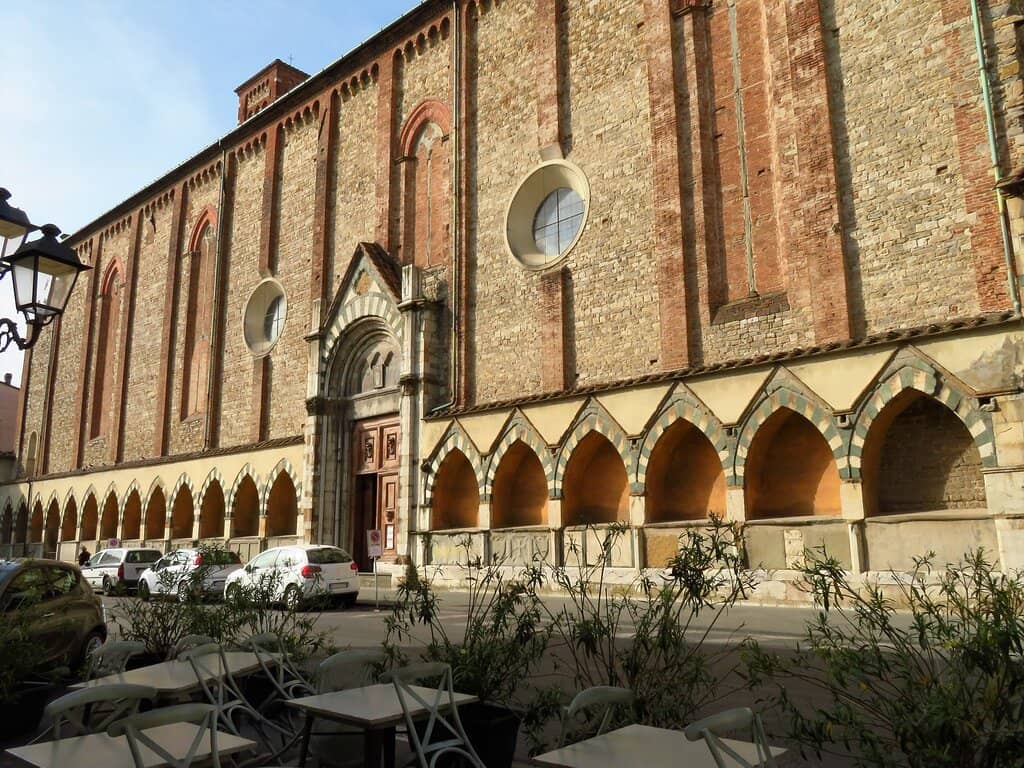
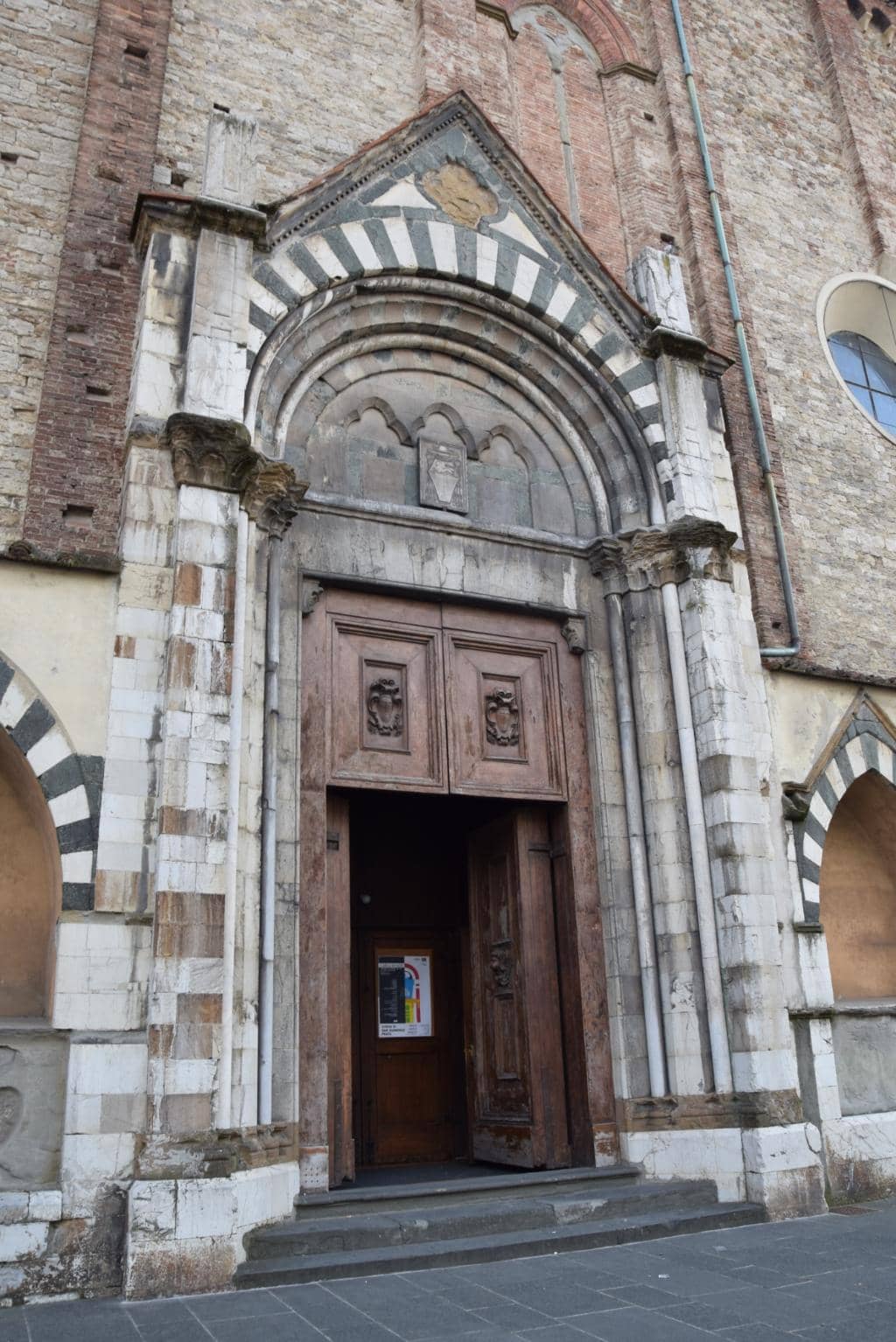
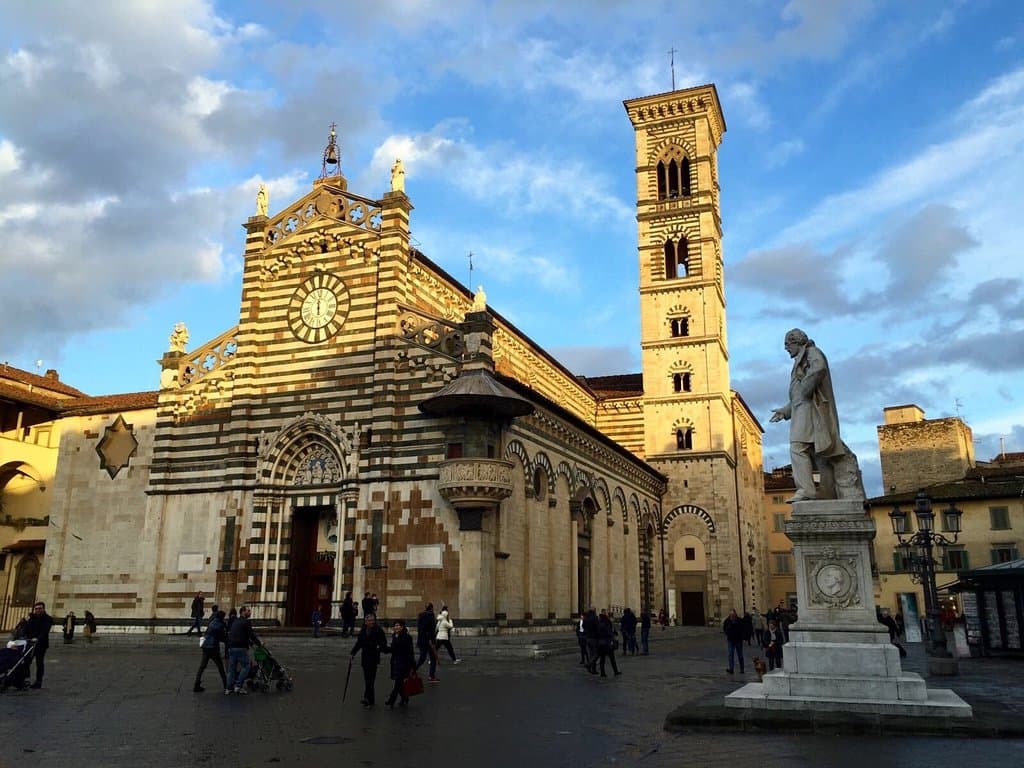
The facade is often left unfinished, adding to its unique historical character. :building_construction:
Highlights
Discover the most iconic attractions and experiences
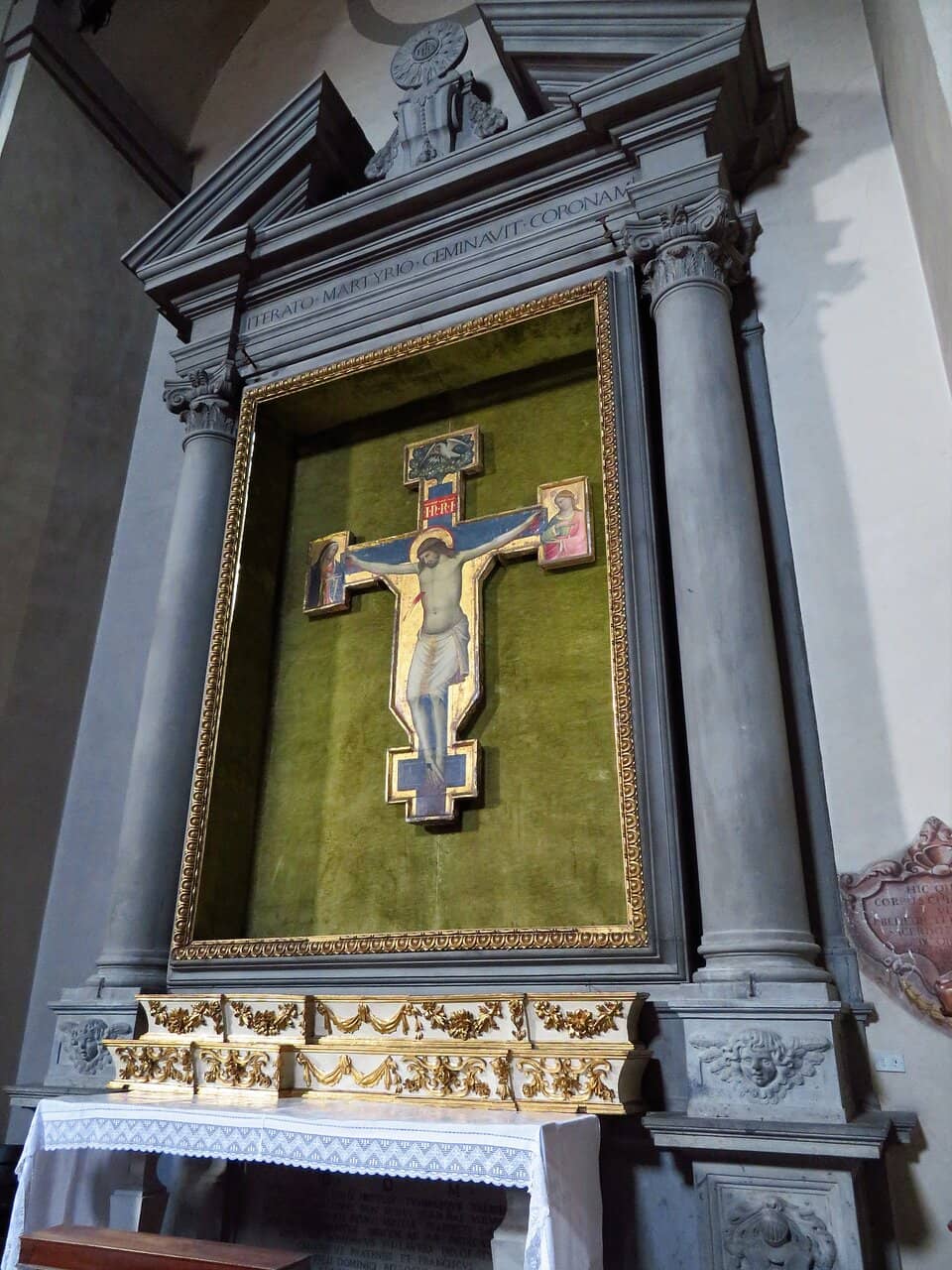
Cimabue's Crucifix
Arezzo
A pivotal work marking the transition to Gothic art, this powerful crucifix is a must-see for art enthusiasts.
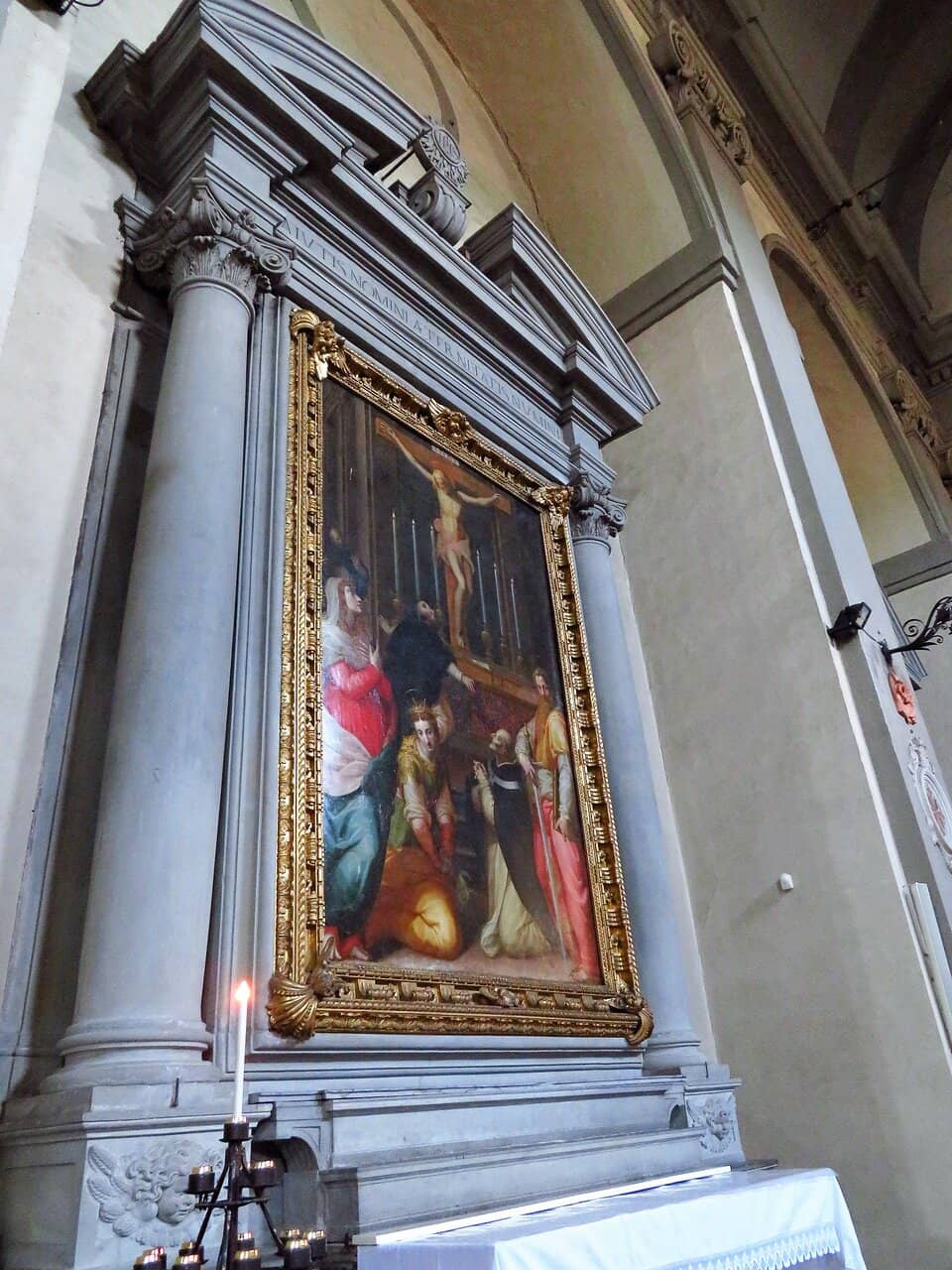
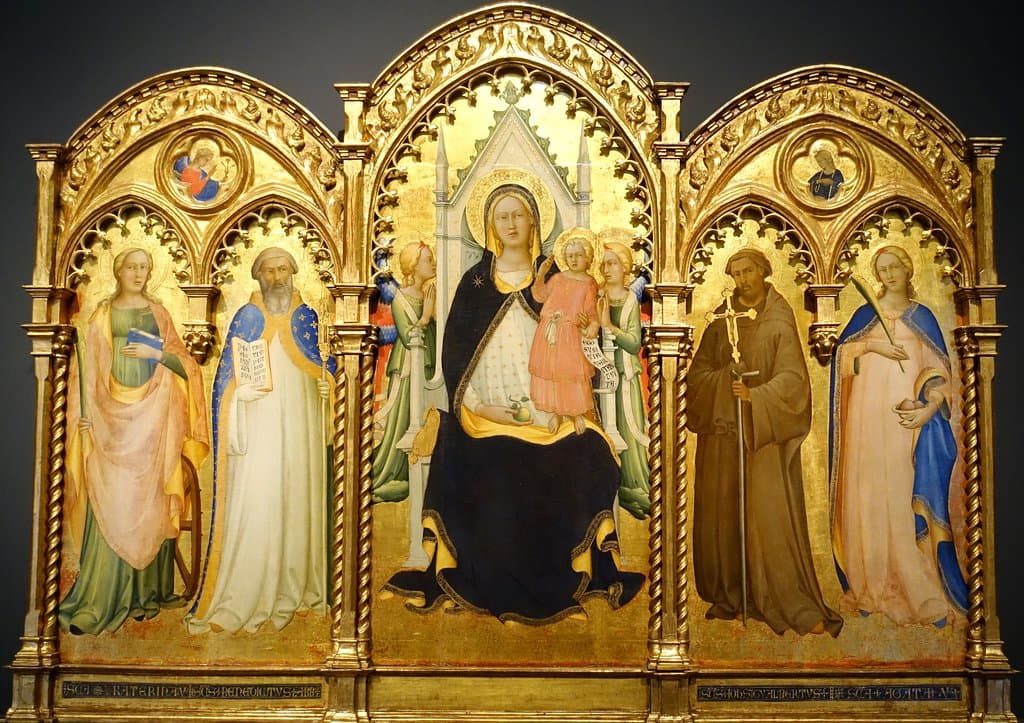
Crucifix Speaking to Saint Thomas Aquinas
Naples
Legend says this artwork by Poppi depicts a divine conversation, a fascinating piece of religious art.
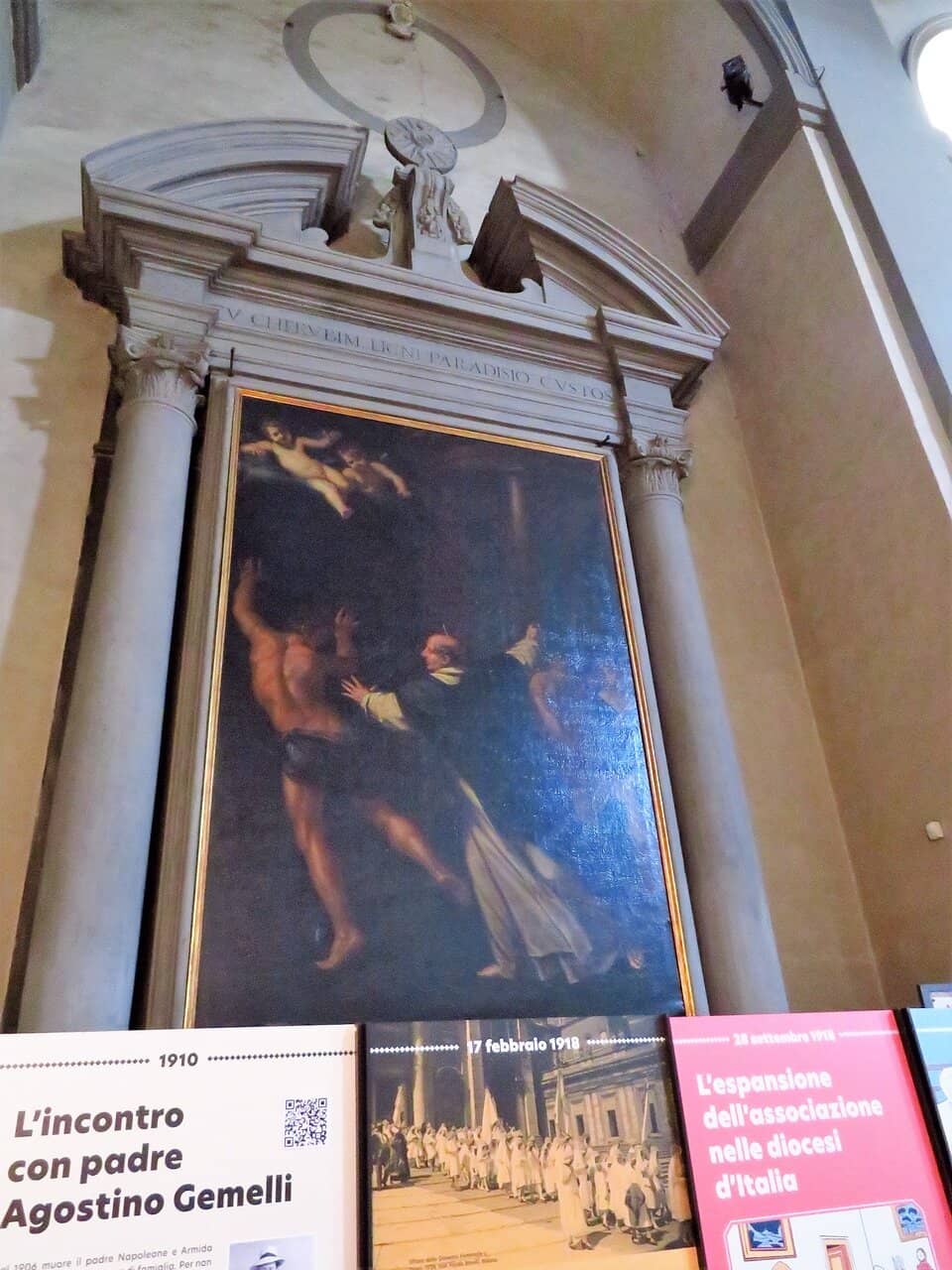
Renaissance Cloister
Prato
A grand Renaissance cloister adorned with columns and funerary monuments, offering a serene historical walk.
Macchina delle Quarantore
Naples
A rare and spectacular Baroque mechanism from 1676, used during Easter, showcasing intricate artistry.
Plans like a pro.
Thinks like you
Planning Your Visit
Timing Your Visit
Art & History Immersion
Best Times
Insider Tips
from TikTok, Instagram & Reddit
Check for Events
Concerts and special exhibitions are often held here. Check schedules beforehand! :musical_score:
Admire the Facade
The facade is often left unfinished, adding to its unique historical character. :building_construction:
Look for Copies
Some artworks, like those in Perugia, are surprisingly copies with fascinating stories. :mag:
Free Entry
Many San Domenico churches offer free admission, making them accessible for all. :moneywithwings:
Tips
from all over the internet
Check for Events
Concerts and special exhibitions are often held here. Check schedules beforehand! :musical_score:
Admire the Facade
The facade is often left unfinished, adding to its unique historical character. :building_construction:
Look for Copies
Some artworks, like those in Perugia, are surprisingly copies with fascinating stories. :mag:
Free Entry
Many San Domenico churches offer free admission, making them accessible for all. :moneywithwings:
Explore the Cloister
Don't miss the adjacent cloister, especially if it's hosting an event. It's a hidden gem! :park:
What Travellers Say
Reviews Summary
Visitors often praise the rich artistic heritage and historical significance of Chiesa di San Domenico and its sister basilicas, highlighting masterpieces and architectural beauty. The free entry at many locations is a significant plus. However, some find the austerity of the Mendicant architecture less appealing, and access to certain areas or specific artworks can be limited.
"Ok"
Enrico Capecchi
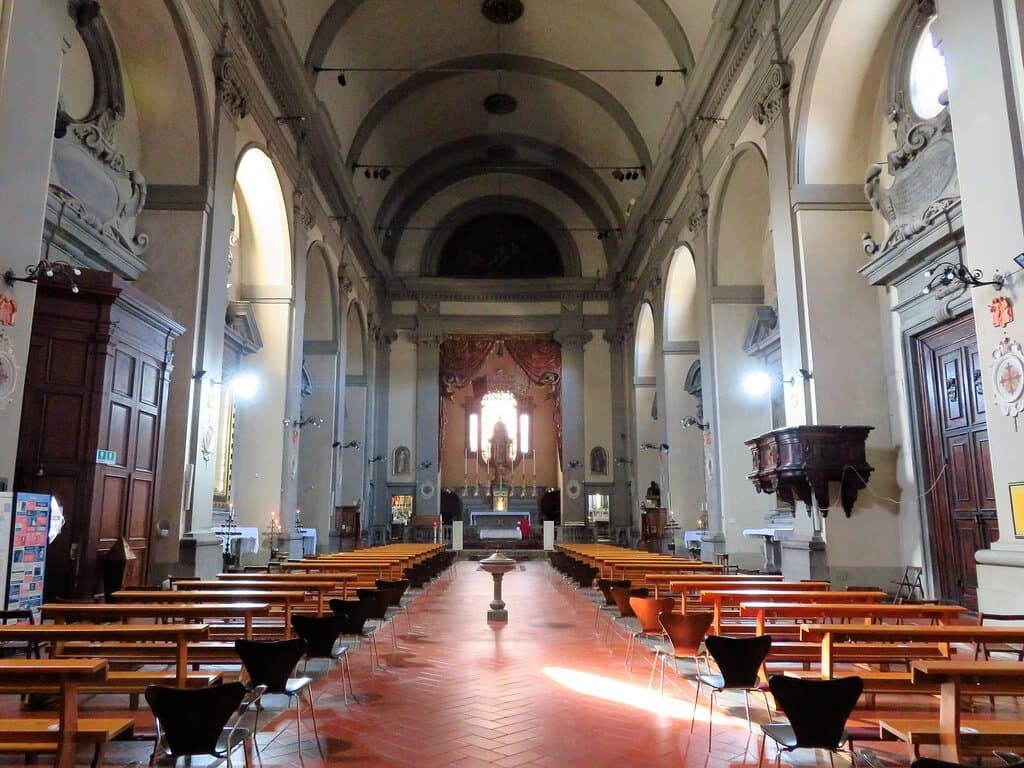
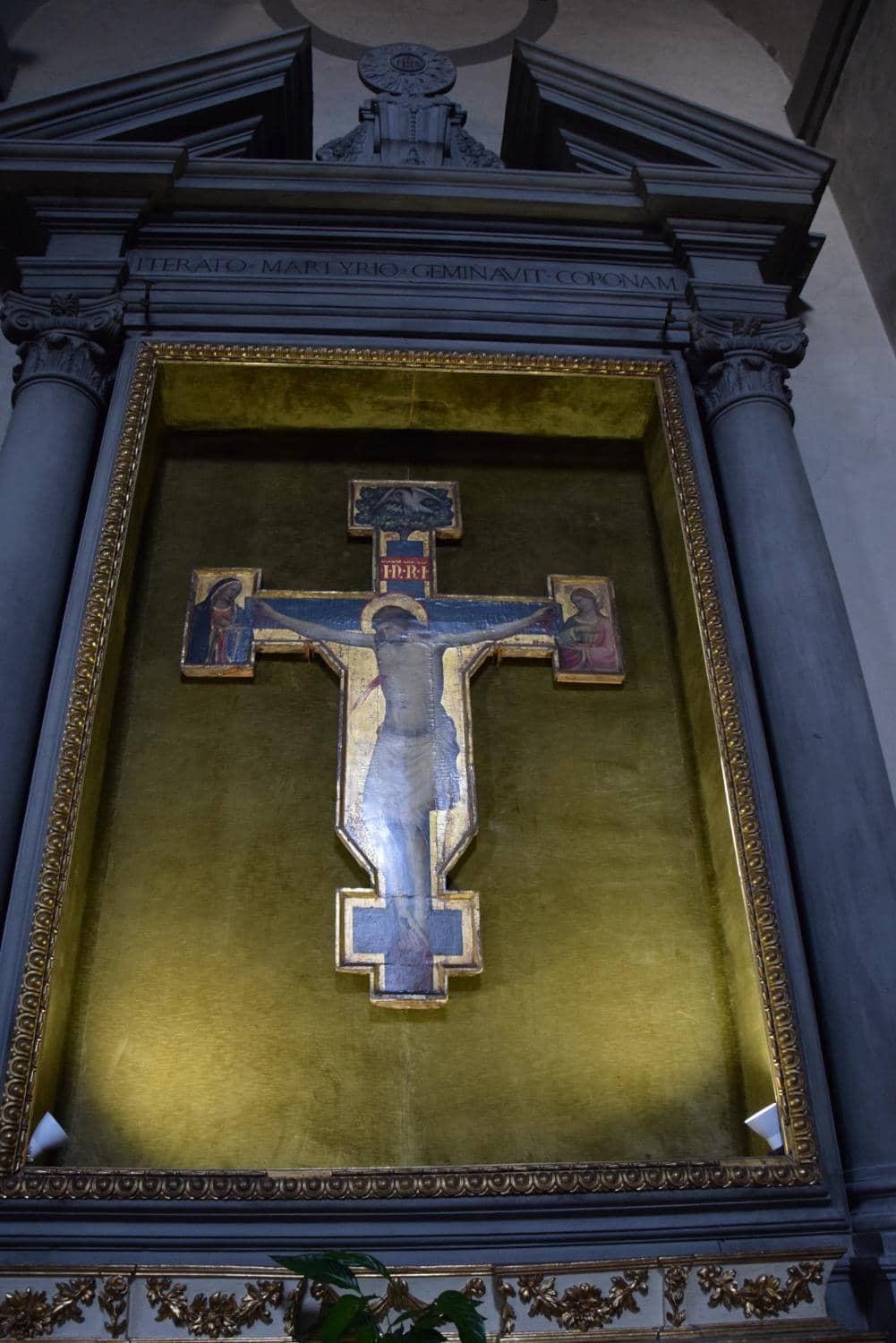
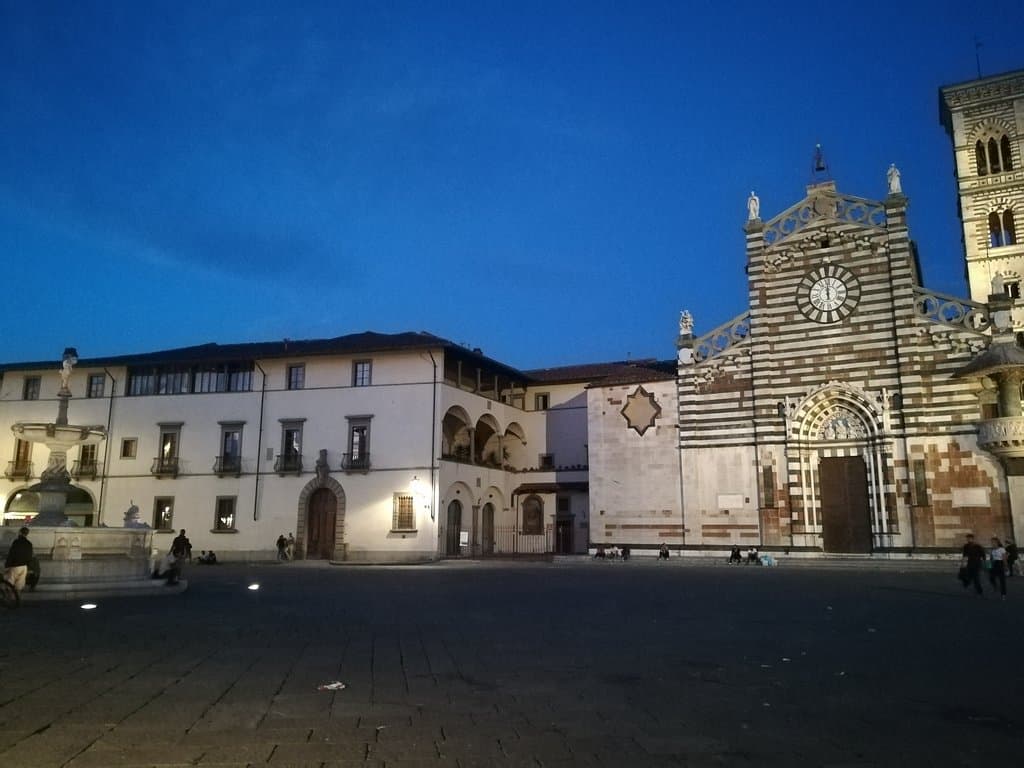
"The Basilica of San Domenico is an example of a "Mendicant" Church, where the austerity of the simple architecture is "mitigated" by both structural elements and decorative motifs (very few to tell the truth). Founded in 1281, the Church has a troubled history (I don't know the background). It was completed in 1316, but the facade was left unfinished. Here, at the beginning of the 16th century, lived Fra Bartolomeo, a Dominican friar and famous painter. Then on 12 September 1647 a devastating fire, caused by lightning, caused the loss of numerous works of art and precious furnishings, probably including the "Pulcra Tabula" by Giotto di Bondone, commissioned in 1312 by a certain Ricuccio del fu Puccio, a wealthy Florentine, as well as significant structural damage. The version we see today, from the 17th century, is due to the design of Baccio del Bianco and Pier Francesco Silvani. Inside, in addition to the High Altar by Baccio del Bianco and Silvani, you can appreciate a Crucifix on a panel from the end of the 14th century, attributed to Lorenzo di Niccolò and a painting by Poppi, "Crucifix speaking to Saint Thomas". Adjacent to the Church is the Museum of Mural Painting, created from the rooms of the Convent (which I have not visited), open only on certain occasions (exhibitions) with a vast Renaissance Cloister."
Michele De Gruttola
"I visited the cloister of San Domenico for a charity event, and it was a wonderful experience because I had never seen it before. It's a large Renaissance cloister with columns, lined with funerary monuments and tombstones, including those of Piero Cironi, Luigi Muzzi, and the tomb of Sem Benelli, a great playwright from Prato.
The convent houses the Museum of Mural Painting, which preserves several detached frescoes. A very interesting visit, full of history and beauty."
Pamela Nardini
What People Like
What People Dislike
Frequently Asked Questions
🚇 🗺️ Getting There
Chiesa di San Domenico Maggiore in Naples is accessible via public transport. Several bus lines stop nearby, and it's a pleasant walk from the historic center. Consider using a navigation app for real-time routes.
Basilica San Domenico in Bologna is centrally located. You can easily walk from Piazza Maggiore or take a short bus ride. It's also a key landmark on many city walking tours.
Yes, the Chiesa di San Domenico in Arezzo is quite central and easy to find. It's often mentioned as a key stop for those exploring the city's art and history.
The Oratorio del Rosario within the Chiesa di San Domenico in Cosenza is located near the historic center, making it accessible by foot or local bus services.
Reaching the Chiesa di San Domenico in Taverna (CZ) might require local transport or a car, especially if you're interested in historical reenactments. Check local travel advice for the region.
🎫 🎫 Tickets & Entry
Many Chiesa di San Domenico locations, like the one in Prato, offer free entry to the main basilica. However, specific chapels, museums, or special exhibitions might have separate admission fees. Always check on-site or the official website.
Opening hours can vary significantly between different San Domenico churches. It's best to check the specific hours for the basilica you plan to visit, as some may close for midday breaks or have limited hours on certain days.
The Museum of Mural Painting, often located within the convent of San Domenico, may have an entrance fee and is sometimes only open for special exhibitions or events. Inquire locally for current access.
The Macchina delle Quarantore is a special Easter apparatus. Access and viewing opportunities are typically limited to the Easter period.
Some San Domenico churches, especially those with significant art collections like in Naples or Arezzo, may offer guided tours. It's advisable to book in advance or inquire about availability upon arrival.
🎫 🎨 Art & History
Famous artworks include Cimabue's Crucifix in Arezzo,
Many San Domenico churches were founded by the Dominican Order in the 13th century. They often feature Mendicant architecture, characterized by austerity, though many have been enriched over centuries with art and decorative elements. Fires and renovations have shaped their current appearance.
Mendicant churches, like many San Domenico basilicas, were built with simpler, more austere designs to reflect the vows of poverty taken by friars. They often have a longitudinal plan and minimal ornamentation, though later additions can be quite elaborate.
Yes, artists like Fra Bartolomeo, a Dominican friar and painter, lived and worked in San Domenico churches. Beato Angelico also created significant works for these religious sites.
The Macchina delle Quarantore is a spectacular Baroque apparatus used during the Easter period for forty hours of prayer. The one in Naples' San Domenico Maggiore is a rare surviving example of this intricate mechanism.
📸 📸 Photography
Photography policies vary. Many churches allow non-flash photography for personal use, but it's always best to check for signs or ask staff. Flash photography is generally prohibited to protect artworks.
Look for dramatic architectural features, the interplay of light and shadow, and of course, the significant artworks. The cloisters often offer beautiful perspectives.
Drone photography is typically restricted in urban areas and around historical religious sites due to privacy and safety regulations. Always check local laws before flying a drone.
A versatile lens (like a 24-70mm equivalent) is useful for capturing both wide architectural shots and details. A fast prime lens can be great for low-light interiors. A tripod might be restricted, so a monopod or image stabilization is helpful.
If you are fortunate enough to see the 'Macchina delle Quarantore' during its display, non-flash photography is likely permitted, but always confirm on-site.
For Different Travelers
Tailored advice for your travel style
👨👩👧 Families with Kids
Look for churches that might have more visually striking elements or are part of a larger historical area that can be explored. Some events, like Christmas concerts, can be more family-friendly. Always check for any specific family programs or child-friendly exhibits before visiting.
🏛️ Art & History Buffs
+2Pay attention to the architectural evolution, from the austere Mendicant style to later Baroque embellishments. The stories behind the artworks, such as the 'Crucifix speaking to Saint Thomas Aquinas' or the 'Macchina delle Quarantore', add layers of fascination.
Consider visiting locations with adjacent museums, like the Museum of Mural Painting, for a more comprehensive understanding of the region's artistic past. Researching the specific artists and historical context beforehand will greatly enhance your appreciation.
🚶♀️ Solo Travelers
Take your time to wander through the basilicas and cloisters, absorbing the atmosphere and details of the art and architecture at your own pace. It's a great opportunity for personal reflection and photography.
Engage with local guides if available, or use audio guides to deepen your understanding of the history and significance of each site. Many San Domenico locations are well-integrated into city centers, making them easy to explore independently.
Deep Dives
In-depth insights and expert knowledge
The Artistry of San Domenico Churches
to the dramatic Baroque 'Macchina delle Quarantore' in Naples,Many interiors showcase altarpieces by notable artists like Poppi, whose 'Crucifix speaking to Saint Thomas Aquinas' is a highlight in Naples.
The Dominican Order, known for its intellectual and artistic patronage, ensured these churches became repositories of significant religious and cultural artifacts. Even the architectural elements, from grand facades to intricate cloisters, tell a story of faith and artistic evolution. When visiting, take time to appreciate not just the famous pieces but also the details: the frescoes, the sculptures, and the historical context of each artwork. The Museum of Mural Painting adjacent to some convents offers a deeper dive into the fresco tradition, preserving detached works for future generations.
Architectural Styles and History
Over time, these structures have undergone transformations. Fires, like the devastating one in 1647 that damaged a Naples location, led to significant renovations and reconstructions, often in Baroque styles. The version of the church seen today might be a 17th-century interpretation, as in Prato, designed by architects like Baccio del Bianco and Pier Francesco Silvani.
Adjacent to many churches are the convents, which often contain beautiful cloisters. These Renaissance cloisters, like the one in Prato, are characterized by columns and are frequently lined with funerary monuments and tombstones, offering a peaceful space for reflection and a glimpse into the lives of historical figures.
Community Events and Performances
Historical reenactments, such as medieval festivals, can also take place in and around these ancient sites, bringing history to life. These occasions often draw local participation and provide a unique cultural immersion for visitors interested in local traditions and heritage.
Attending an event at a San Domenico church can offer a different perspective on the space, transforming it from a static monument into a living venue. It's always a good idea to check local event listings or the church's official calendar before your visit to see if any special activities are scheduled.


Social
from TikTok, Instagram & Reddit