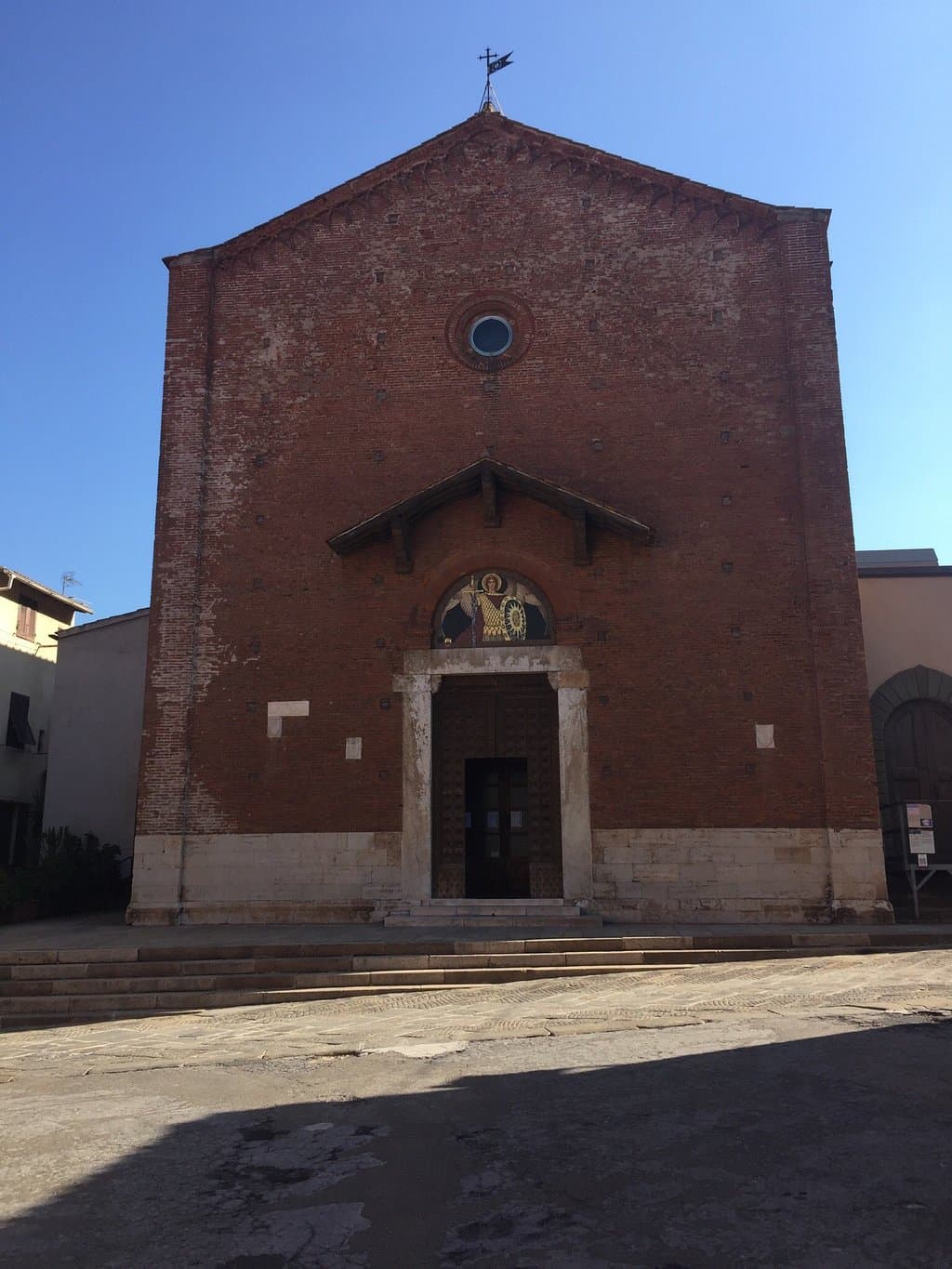
Concattedrale di Sant'Antimo Martire
A medieval church in Piombino, showcasing Romanesque architecture and centuries of evolving history, with a notable cloister museum.

Highlights
Must-see attractions

Social
From TikTok & Reddit
Best Time
Fewer crowds, peaceful atmosphere
Concattedrale di Sant'Antimo Martire
Best Time
Fewer crowds, peaceful atmosphere
Highlights
Must-see attractions
A medieval church in Piombino, showcasing Romanesque architecture and centuries of evolving history, with a notable cloister museum.
"A medieval church that changed over the centuries, now nice to visit with elements of interest."

Free Cloister Museum
Visit the free museum in the cloister for historical insights. :museum:
Appreciate Simplicity
The Romanesque style is beautiful in its simplicity. Enjoy the understated elegance. :sparkles:

Highlights
Discover the most iconic attractions and experiences
Renaissance Cloister
Adjacent to the Cathedral
A beautiful cloister with a rich history, offering a peaceful escape and a glimpse into the past.

15th-Century Baptismal Font
Interior of the Cathedral
An ancient and beautiful baptismal font, showcasing the artistry of the 15th century.

Romanesque Architecture
Cathedral Exterior and Interior
Admire the simple yet beautiful Romanesque style, featuring a trussed roof and enduring architectural elements.
Plans like a pro.
Thinks like you
Planning Your Visit
Timing Your Visit
Exploring the Cloister Museum
Best Times
Insider Tips
from TikTok, Instagram & Reddit
Free Cloister Museum
Visit the free museum in the cloister for historical insights. :museum:
Appreciate Simplicity
The Romanesque style is beautiful in its simplicity. Enjoy the understated elegance. :sparkles:
Historical Layers
The cathedral has evolved over centuries; appreciate its many historical layers. :clock1:
Tips
from all over the internet
Free Cloister Museum
Visit the free museum in the cloister for historical insights. :museum:
Appreciate Simplicity
The Romanesque style is beautiful in its simplicity. Enjoy the understated elegance. :sparkles:
Historical Layers
The cathedral has evolved over centuries; appreciate its many historical layers. :clock1:
What Travellers Say
Reviews Summary
Visitors find the Concattedrale di Sant'Antimo Martire to be a historically significant and architecturally interesting medieval church. Its Romanesque simplicity and the adjacent Renaissance cloister, which houses a free museum, are frequently praised. While some note it's not perfectly preserved, its evolving nature over centuries makes it a worthwhile stop for those interested in Piombino's past.
"There is a free museum in the cloister that is definitely worth visiting."
Missy Hellendale
"It's a medieval church, but it changed over the centuries and it's now nice to visit, but not too well preserved. Still, it has elements of interest, and it deserves a visit."
Simone S
"Piombino Cathedral is a beautiful church dating back to the 13th century, having been renovated several times. Its interior contains ancient elements such as the 15th-century baptismal font; the Renaissance cloister is also beautiful."
Marina Russo
What People Like
What People Dislike
Frequently Asked Questions
🚇 🗺️ Getting There
The Concattedrale di Sant'Antimo Martire is located in Piombino, Italy. If arriving by car, look for parking in the city center. Public transport options may include local buses; check regional schedules for the most up-to-date information.
The cathedral is situated in the heart of Piombino, making it generally accessible by foot once you are in the city center. Be prepared for some walking on cobblestone streets.
🎫 🎫 Tickets & Entry
Entry to the Concattedrale di Sant'Antimo Martire itself is typically free. However, there might be a small fee or donation requested for specific areas or events.
Opening hours can vary, especially during religious holidays or special services. It's advisable to check local listings or inquire at the Piombino tourist information center for the most current times.
Yes, the cloister museum is a highlight and is often free to visit. It's a great place to learn more about the cathedral's history and art.
🎫 🏛️ Onsite Experience
Key features include the 15th-century baptismal font, the Romanesque architecture with its trussed roof, and the beautiful Renaissance cloister. +1
Photography policies can vary. It's best to look for signage or ask a church official before taking photos, especially if using a flash. +1
A visit can range from 30 minutes to an hour, depending on your interest in the architecture, history, and the cloister museum.
🍽️ 🍽️ Food & Dining
Piombino's city center, where the cathedral is located, offers numerous dining options, from casual trattorias to more formal restaurants serving local Tuscan cuisine.
📸 📸 Photography
The Renaissance cloister offers beautiful architectural shots. The facade and details of the Romanesque style are also photogenic. Consider visiting during the golden hour for softer light. +1
For Different Travelers
Tailored advice for your travel style
👨👩👧 Families with Kids
Keep in mind that the cathedral is a place of worship, so maintaining a respectful demeanor is important. The visit might be more engaging for older children who can appreciate historical context. Consider a shorter visit focused on the main nave and the cloister to keep younger ones interested.
🏛️ History Buffs
Pay close attention to the 15th-century baptismal font and the distinct features of the Renaissance cloister. The cathedral's journey from San Michele to Saint Augustine, and its eventual co-cathedral status, provides a compelling case study in the continuity and change of religious and civic landmarks.
Deep Dives
In-depth insights and expert knowledge
Architectural Evolution
Over time, the cathedral underwent several reconsecrations and renovations. A significant reconsecration in 1502 by Pope Alexander VI dedicated it to Saint Augustine. Later, in 1806, it inherited its current name and dedication from the suppressed church of Sant'Antimo sopra i Canali. The most substantial restoration occurred in the 1930s, which saw the facade rearranged, including the addition of a roof to protect a mosaic on the portal, and the construction of a left nave by merging two ancient chapels.
Today, it stands as the most important Catholic place of worship in Piombino and serves as the co-cathedral of the diocese of Massa Marittima-Piombino. Visitors can appreciate the layers of history evident in its structure, from its medieval origins to its more recent modifications.
The Cloister Museum
Within the museum, you can find ancient elements that tell the story of the church's past. The Renaissance cloister itself is noted for its beauty and offers a tranquil environment for reflection. It's a place where the architectural and spiritual history of Piombino can be explored in detail.


Social
from TikTok, Instagram & Reddit