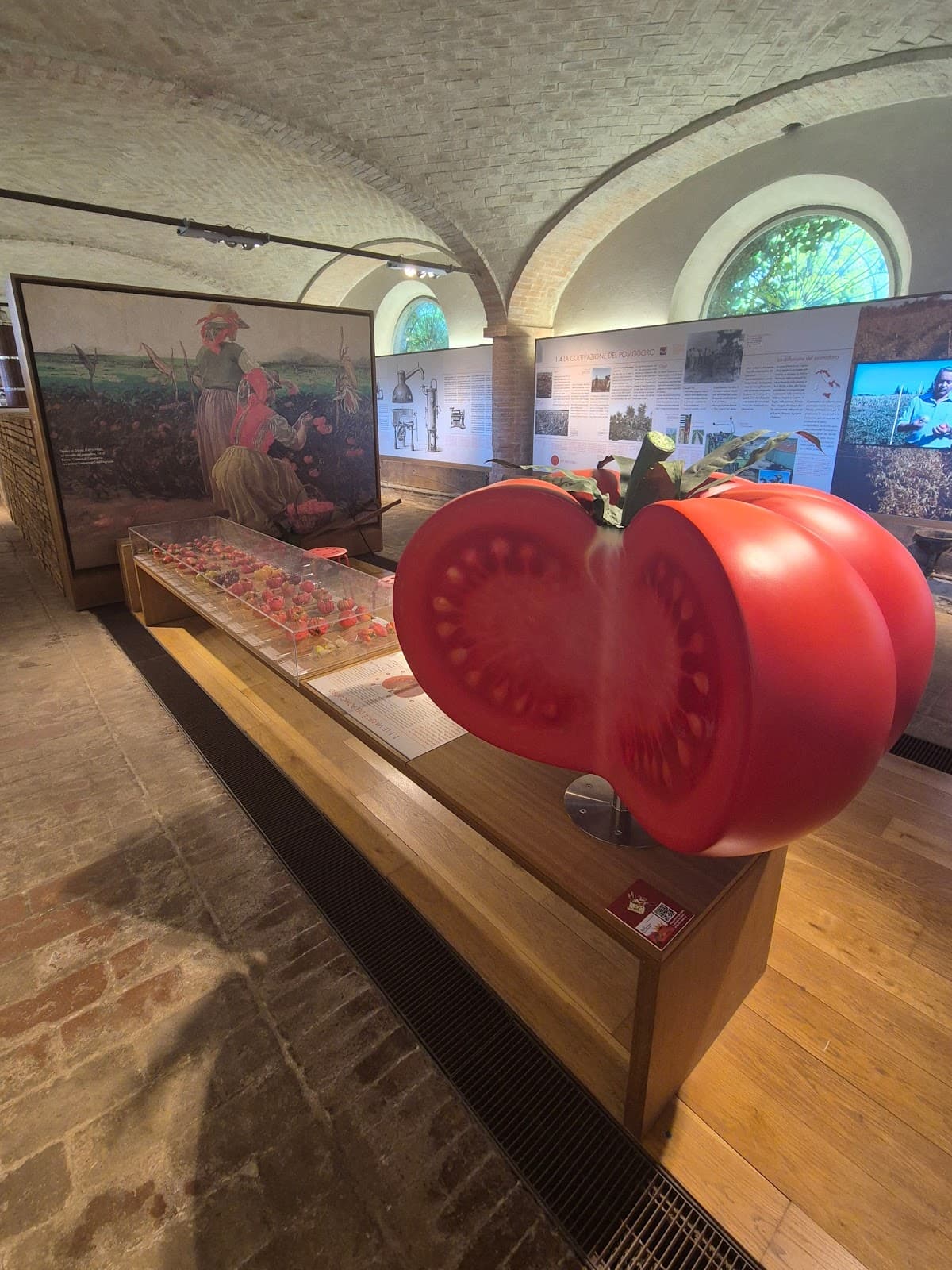
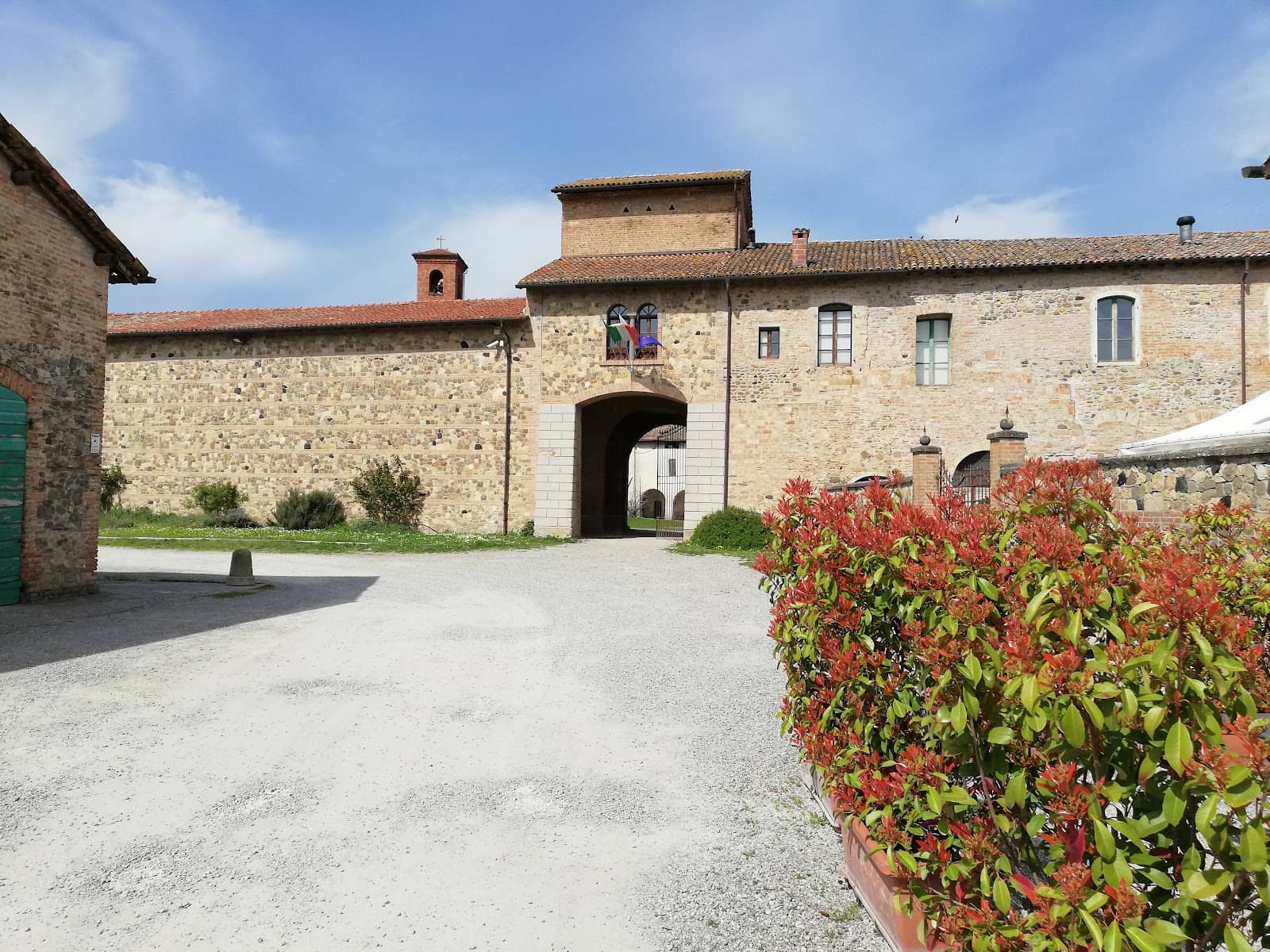
Museo del Pomodoro Corte di Giarola
Discover the fascinating history of the tomato and vintage food processing machinery in this unique museum.
Highlights
Must-see attractions

Social
From TikTok & Reddit
Best Time
Fewer crowds, more relaxed visit
Museo del Pomodoro Corte di Giarola
Best Time
Fewer crowds, more relaxed visit
Highlights
Must-see attractions
Discover the fascinating history of the tomato and vintage food processing machinery in this unique museum.
"A delightful museum, crafted with precision and extensive research, that perfectly pays homage to our region's culinary history."
Scan for Audio Guide
An audio guide is available via QR code on your phone. :iphone:
Dog-Friendly Exploration
Well-behaved dogs are welcome inside the museum! 🐕
Quick Facts
Hours
Rating
4.3 · 44 reviews
Type
Museum
Highlights
Discover the most iconic attractions and experiences
The Journey of the 'Red Gold'
Trace the tomato's path from the Americas to Italy, its transformation from 'poison apple' to culinary icon.
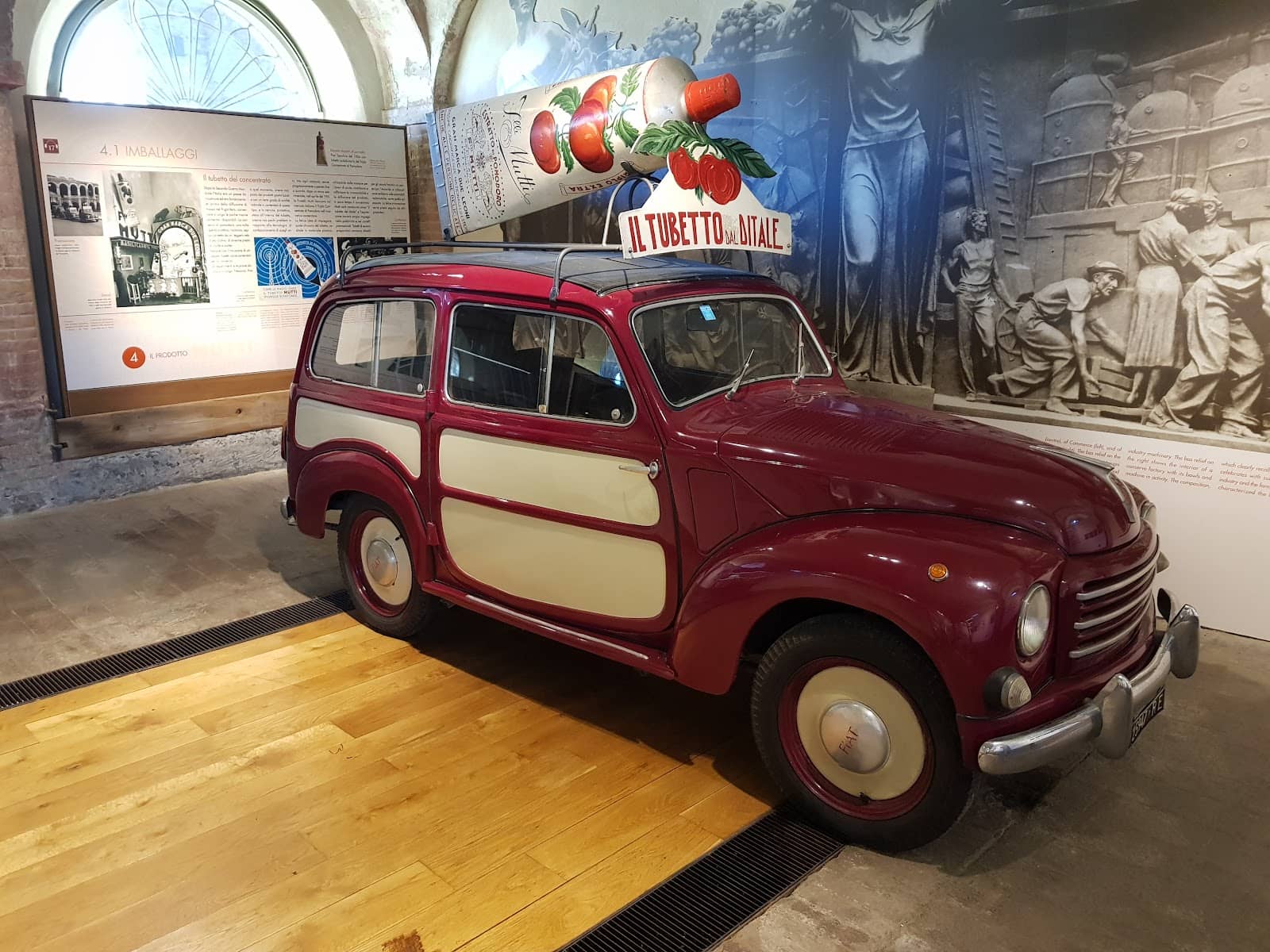
Vintage Food Processing Machinery
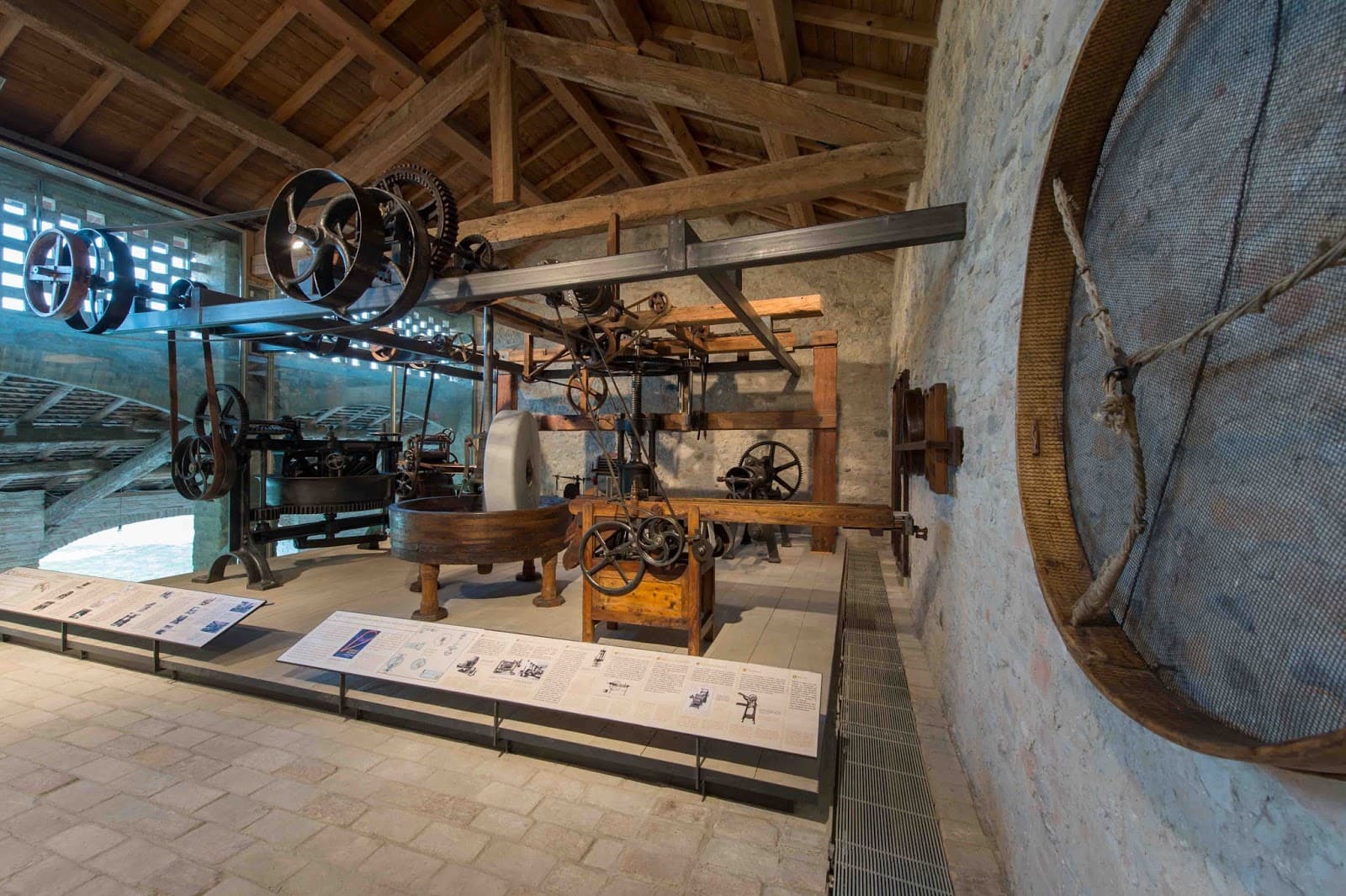
Marvel at the collection of old machinery and ancient artifacts used in tomato processing.
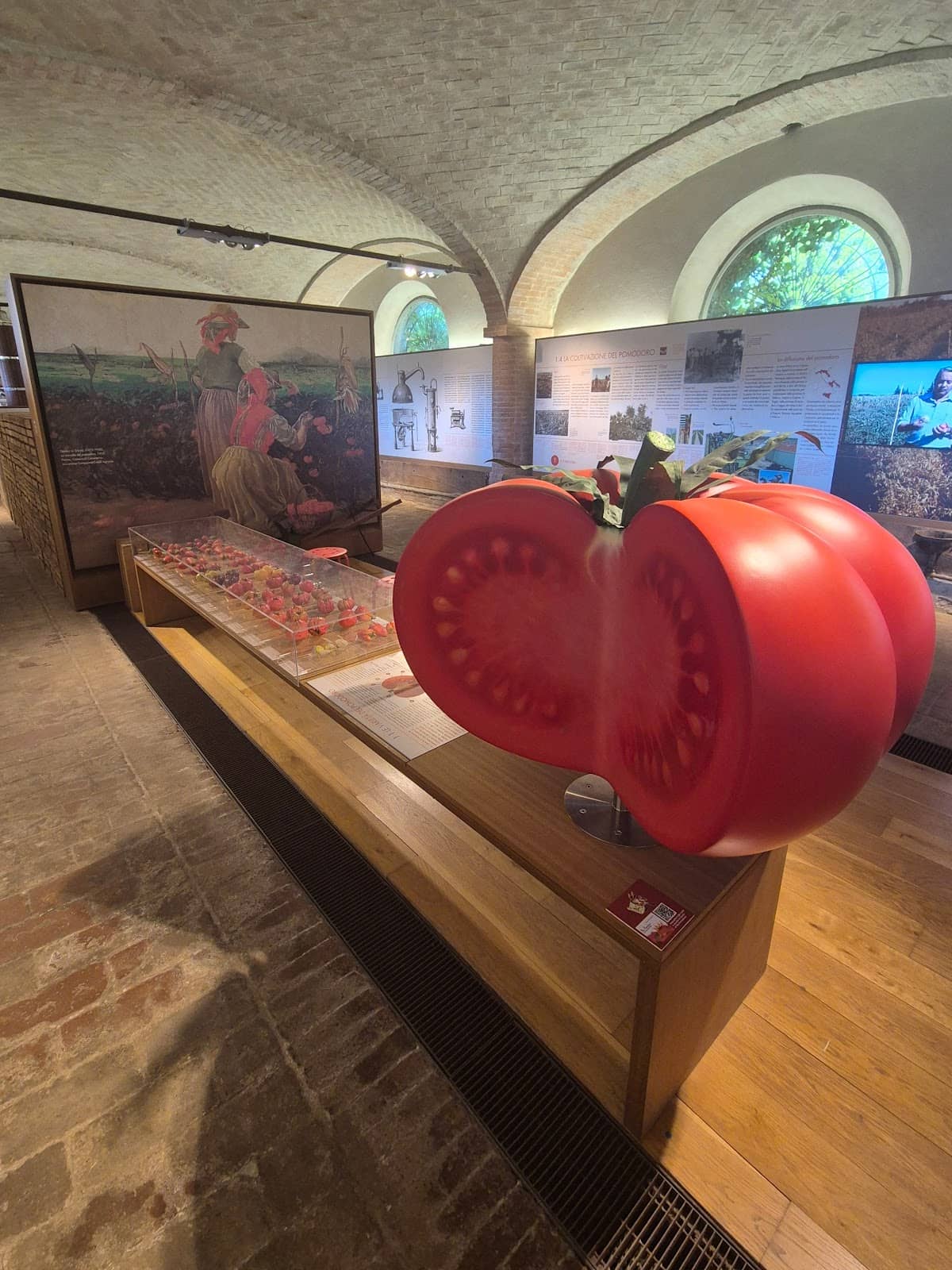
Interactive Displays
Engage with next-generation, interactive features designed for all ages, making learning fun.
Plans like a pro.
Thinks like you
Planning Your Visit
Timing is Everything
Embrace the Local Flavor
Best Times
Insider Tips
from TikTok, Instagram & Reddit
Scan for Audio Guide
An audio guide is available via QR code on your phone. :iphone:
Dog-Friendly Exploration
Well-behaved dogs are welcome inside the museum! 🐕
Read Up!
Lots of text and graphics to absorb; bring your reading glasses if needed. 📚
Summer Heat Advisory
The museum lacks AC, so expect warmth in July. :thermometer:
Tips
from all over the internet
Scan for Audio Guide
An audio guide is available via QR code on your phone. :iphone:
Dog-Friendly Exploration
Well-behaved dogs are welcome inside the museum! 🐕
Read Up!
Lots of text and graphics to absorb; bring your reading glasses if needed. 📚
Summer Heat Advisory
The museum lacks AC, so expect warmth in July. :thermometer:
Combine with Pasta Museum
Visit both the Tomato and Pasta Museums in the same location. :spaghetti:
What Travellers Say
Reviews Summary
Visitors find the Museo del Pomodoro Corte di Giarola to be an informative and well-researched museum, particularly praised for its historical displays and vintage machinery. While some note the lack of English audio guides and poor reception, the interactive elements and the unique dog-friendly policy are highlighted as positives. The museum offers a deep dive into the tomato's journey and food processing history.
"Pretty boring. Can't touch any of the machines. No audio guide in english. No wifi and bad reception."
Gilad Shtockhammer
"RARE MUSEUM WHERE DOGS CAN ENTER. We saw some negative reviews so we were skeptical, but in the end both museums (pasta and tomato) were fine. We learned a lot of interesting things. Its one of those museums where there is a lot to read but its interesting and full of graphics. Also they have a lot of old machinery and ancient artifacts. Overall a good experience if you are nearby. The only thing that is missing is a merchandise shop. We would have bought some magnets, pasta, etc. Also museum has no AC so it was quite hot for July but we made it."
Sanja K.
"Probably all you can fit into a museum about vegetables. Unfortunately the staff doesn't speak English"
Hana Koloverou Šimíková
What People Like
What People Dislike
Frequently Asked Questions
🚇 🗺️ Getting There
The museum is located within the Parco del Taro Regional River Park, in the historic Corte di Giarola. It's part of the Musei del Cibo di Parma. While specific public transport details aren't widely shared, it's best accessed by car, offering a scenic drive through rich pastures and hiking trails.

Parking is generally available at the Corte di Giarola complex, especially during off-peak hours. It's advisable to check local signage upon arrival for designated parking areas.
Yes, the Museo del Pomodoro is an excellent option for a day trip from Parma. The drive is relatively short, allowing ample time to explore the museum and its surroundings.
🎫 🎫 Tickets & Entry
Tickets can be purchased on-site at the museum.
Opening hours can vary seasonally. It's recommended to check the official website or contact the museum directly for the most up-to-date information before your visit.
Yes, there is an entrance fee. The museum is part of the Musei del Cibo di Parma, and combined tickets might be available if you plan to visit other related museums.
Information on discounts for students, seniors, or groups is not widely publicized. It's best to inquire directly with the museum or check their official channels for any available offers.
Visitors are generally not allowed to touch the machines or exhibits to preserve them.
🎫 🧭 Onsite Experience
The museum showcases the history of tomato transformation and production, featuring old machinery, ancient artifacts, and detailed graphics. It covers the tomato's journey from the Americas to becoming a staple of Italian cuisine.
Yes, the museum is designed to be engaging for all ages, with interactive features and a wealth of visual information.
An audio guide is available by scanning a QR code with your smartphone.
The museum has poor reception and no Wi-Fi, so be prepared to disconnect.
Yes, dogs are allowed inside the museum.
🍽️ 🍽️ Food & Dining
There are no specific dining facilities mentioned within the museum itself. However, the Corte di Giarola is located in a region known for its culinary traditions, and nearby agriturismos or restaurants may offer local specialties.
While not explicitly stated, it's generally advisable to consume food and drinks outside of exhibition areas to protect the artifacts. Check for designated picnic spots if available.
The Parma region is famous for Parmigiano Reggiano cheese, Prosciutto di Parma, and various pasta dishes. Tomatoes, of course, are central to many Italian sauces and preparations. +2
📸 📸 Photography
Photography for personal use is generally permitted, but flash photography might be restricted to protect the exhibits. It's always best to check for any specific signage or ask museum staff.
The vintage machinery, historical displays, and the charming Corte di Giarola setting offer great photographic potential. The interactive exhibits can also make for fun, dynamic shots.
Drone photography is typically not allowed inside museums or within historical courtyards due to safety and preservation concerns. Always adhere to local regulations.



Social
from TikTok, Instagram & Reddit