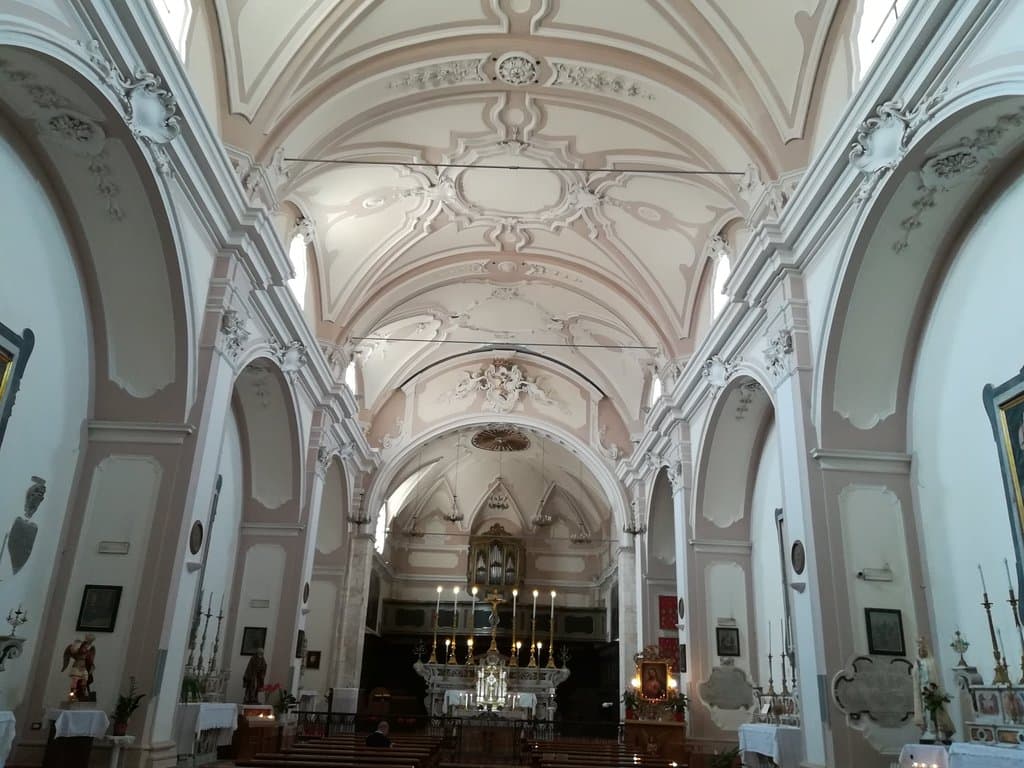
Chiesa di San Domenico
A stunning Baroque masterpiece in Lucera, showcasing intricate art and a rich history from Gothic origins to its current splendor.
Highlights
Must-see attractions

Social
From TikTok & Reddit
Best Time
Fewer crowds, peaceful atmosphere
Chiesa di San Domenico
Best Time
Fewer crowds, peaceful atmosphere
Highlights
Must-see attractions
A stunning Baroque masterpiece in Lucera, showcasing intricate art and a rich history from Gothic origins to its current splendor.
"An imposing, majestic church, beautiful inside, with marble altars and an artistic choir that absolutely must be seen."
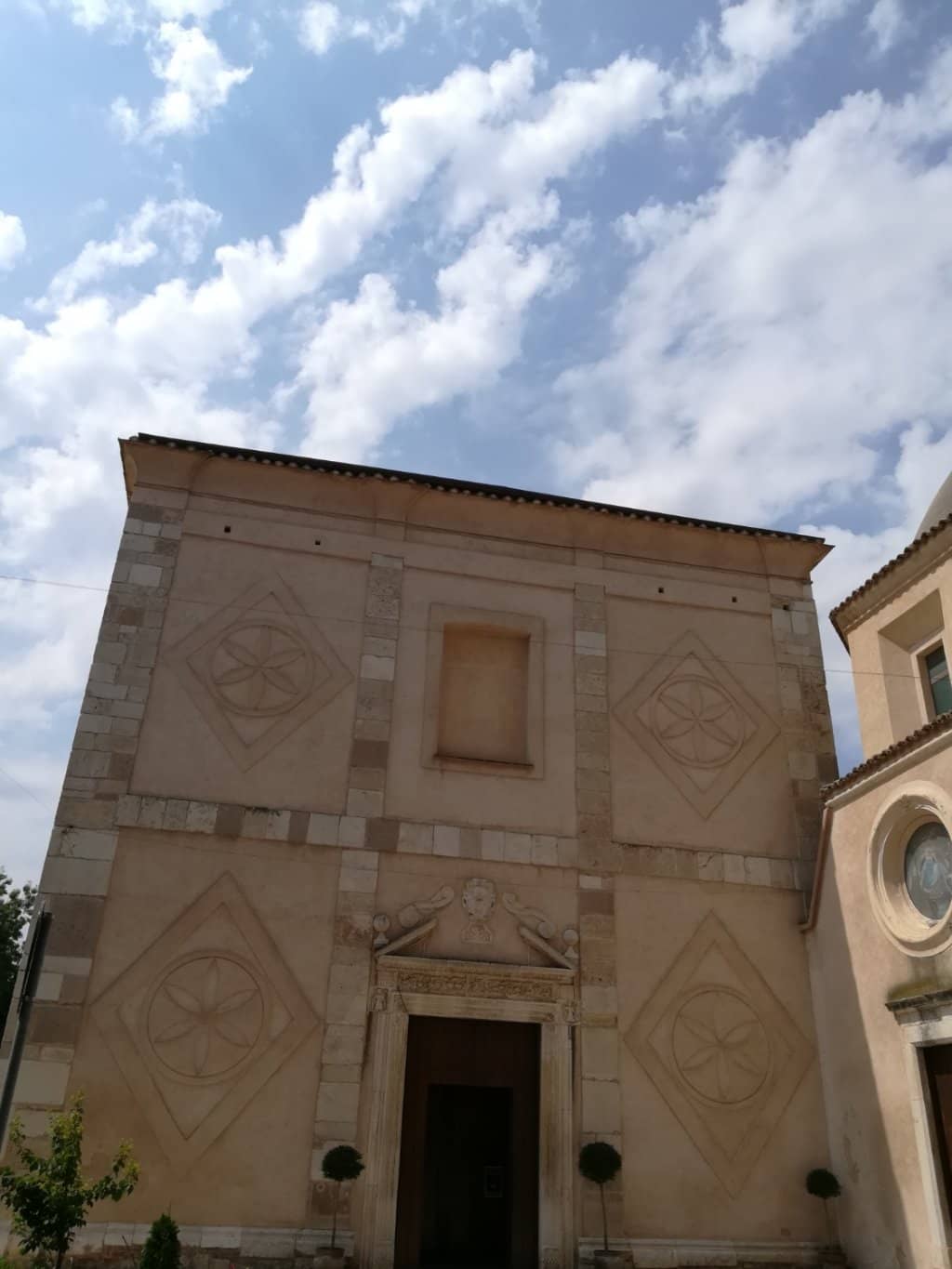
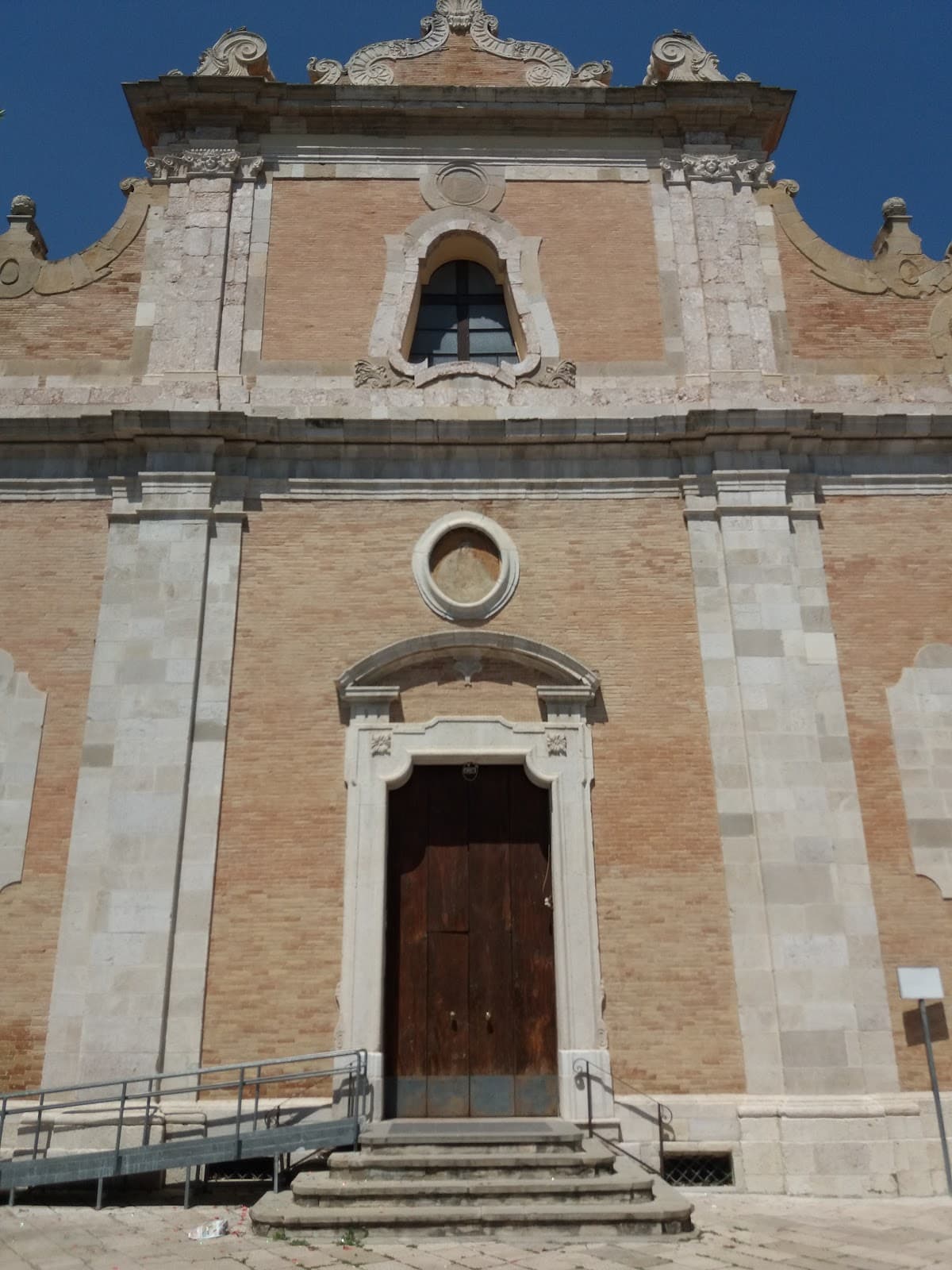
Admire the Facade
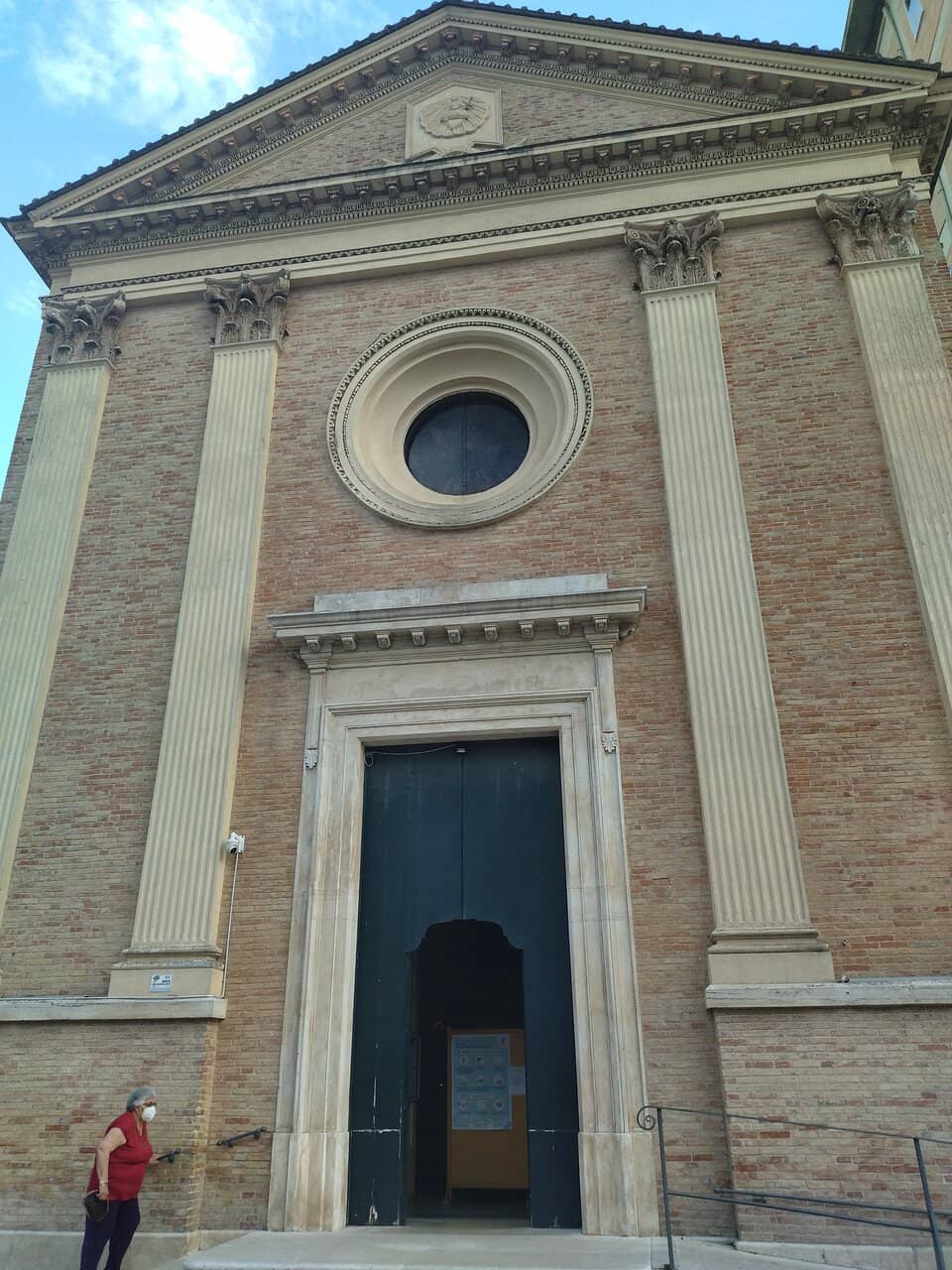
Don't miss the unique checkerboard facade; it's a striking example of Baroque design. :camerawithflash:
Explore the Chapels
Each of the eight side chapels holds unique altarpieces and marble altars worth a closer look. :sparkles:
Highlights
Discover the most iconic attractions and experiences
Baroque Facade
Exterior
A stunning checkerboard facade with a portal featuring the Dominican coat of arms, showcasing 18th-century Baroque artistry.
Intricate Wooden Choir
Apse
Masterfully carved wooden choir with 28 reredos depicting Dominican saints and blesseds, a true artistic marvel.

Marble Altars and Altarpieces
Interior Chapels
Eight side chapels adorned with precious marble altars and hand-painted altarpieces featuring saints and the Virgin Mary.
Plans like a pro.
Thinks like you
Planning Your Visit
Timing Your Visit to San Domenico
Understanding the History
Best Times
Insider Tips
from TikTok, Instagram & Reddit
Admire the Facade
Don't miss the unique checkerboard facade; it's a striking example of Baroque design. :camerawithflash:
Explore the Chapels
Each of the eight side chapels holds unique altarpieces and marble altars worth a closer look. :sparkles:
Appreciate the Choir
The wooden choir in the apse is an intricate masterpiece of Dominican art. :art:
Historical Context
Understand its Gothic-Angevin origins and Baroque transformation for a richer experience. :books:
Tips
from all over the internet
Admire the Facade
Don't miss the unique checkerboard facade; it's a striking example of Baroque design. :camerawithflash:
Explore the Chapels
Each of the eight side chapels holds unique altarpieces and marble altars worth a closer look. :sparkles:
Appreciate the Choir
The wooden choir in the apse is an intricate masterpiece of Dominican art. :art:
Historical Context
Understand its Gothic-Angevin origins and Baroque transformation for a richer experience. :books:
What Travellers Say
Reviews Summary
Visitors praise the Chiesa di San Domenico for its stunning Baroque facade and the rich artistic details within, particularly the intricate wooden choir and marble altars. Its historical significance as a symbol of Lucera's religious and cultural evolution is also frequently noted. Some reviews mention the village itself as being negligible beyond its churches and castle ruins.
"From the outside, the church appears very beautiful, well-maintained, and well-restored. It is easily accessible within the perimeter of old Lucera. I'll add some historical information. The Church of San Domenico, commissioned by the Angevins in the first half of the 14th century, is one of the city's major religious buildings.
Built by Charles II of Anjou, the Church of San Domenico was constructed with material from Arab warehouses abandoned by the Saracens, who were driven out of Lucera in the 14th century. Since the 15th century, it has been an important center of theological and artistic research.
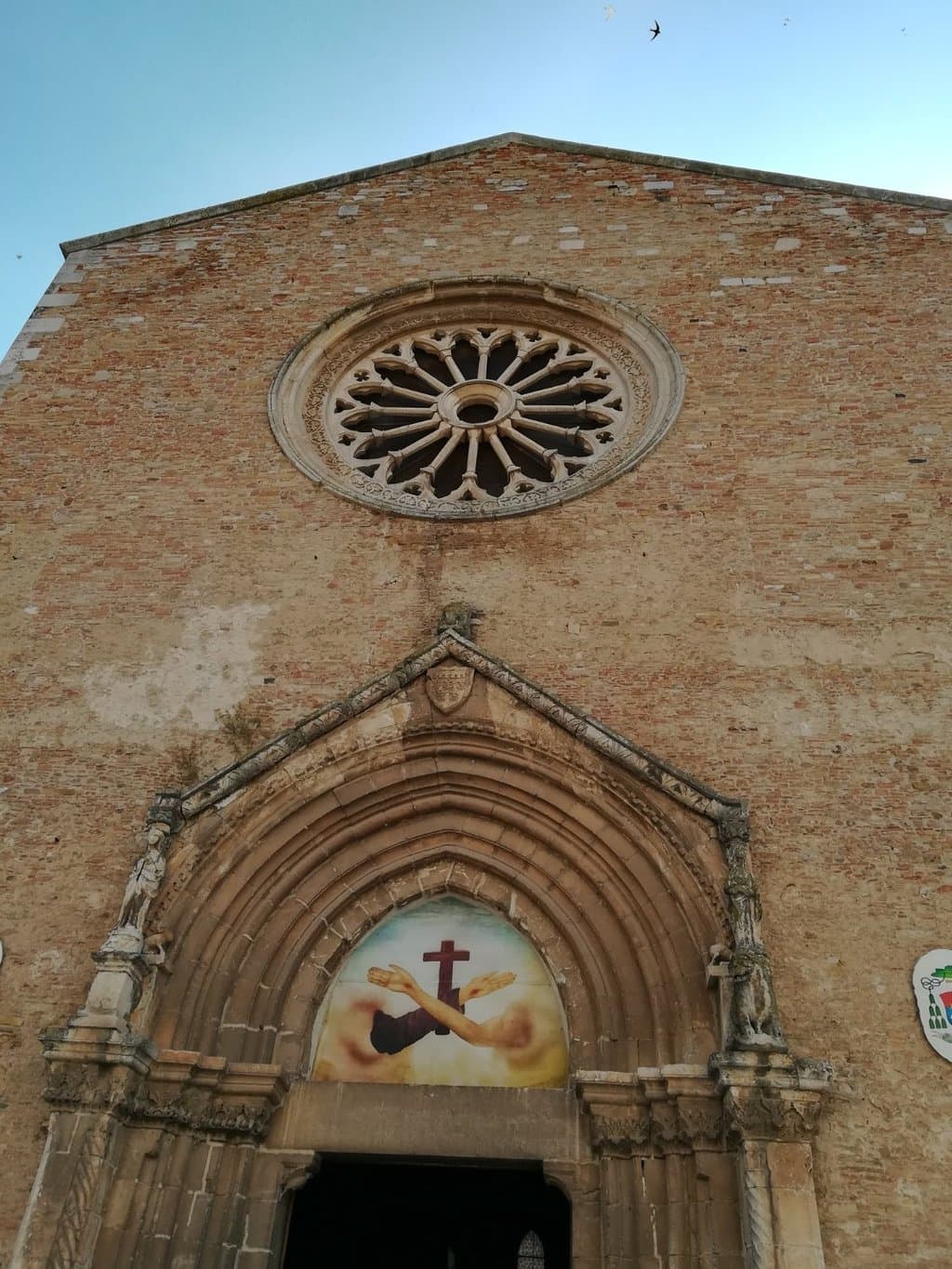
Originally in the Gothic-Angevin style, the church was significantly modified in the 18th century and converted into a sumptuous Baroque style, as evidenced by the addition of eight marble chapels, the rich decorative elements, and above all the original checkerboard façade, which houses the portal with the Dominican coat of arms.
The single-nave interior is enriched with numerous side niches, which house precious altars. The left side wall is punctuated by elegant single-lancet windows, dominated by the Angevin coat of arms. On the right side, a chapel with a domed roof was built in the 16th century, leading to the oratory dedicated to the Virgin of the Rosary.
The church was adjacent to a convent housing Dominican monks, which was confiscated by the Italian state with the advent of Italian unification and used as a Carabinieri barracks. The church of San Domenico was returned to its former splendor with the most recent restorations in 1999, which allowed it to reopen for worship after being closed following the earthquake of November 1980."
Gian Domenico Silvestrone
"The religious building was built on the site of former Arab warehouses, using their materials. It was one of the symbols of the city's rediscovered Christianity, after nearly a century of presence by the Muslim colony of Frederick II. After the expulsion of the Saracens in 1300, Charles II of Anjou transformed Lucera, building many churches, including the Church of San Francesco and the Cathedral. Thus began the era of the Civitas Santae Mariae (Holy Mary), as opposed to the Luceria Saracenorum (Saintly City) that preceded it. The church and the adjoining convent were important centers of theological and artistic research since the 15th century.
However, little remains of the original Gothic-Angevin architectural style: the building was remodeled in the Baroque style in the late 18th century. The beautiful façade, characterized by a geometric interplay of forms, dates back to this period: the entrance portal features a sculpted architrave with the Virgin holding the Child, Saint Dominic on the left holding a book and torch, and Blessed Agostino Casotti and the order's coat of arms on the right. On the right of the façade is the Chapel of the Rosary, built in the late 18th century. With its original domed roof, which earned it the name "Pantheon," it was the mortuary chapel of the Brothers of the Rosary. The oratory, built on the western side of the church, now the Chapel of Saint Joseph, dates back to the early 1500s.
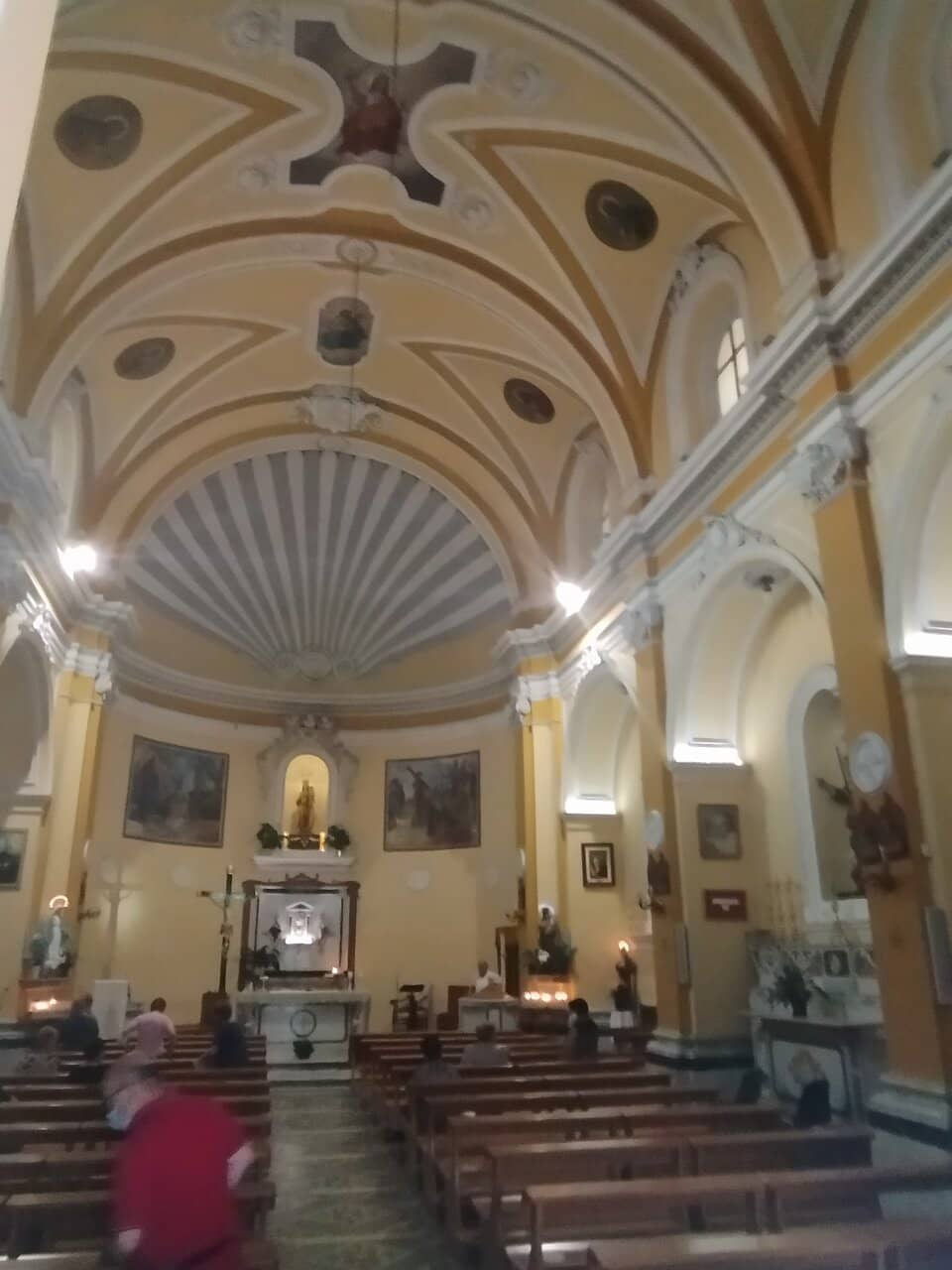
The interior has a single nave with eight side chapels, which house precious altars.
The chapels on the left are dedicated to: Saint Peter Martyr, the Nativity of Jesus Christ, Saint Vincent Ferrer, and Blessed Agostino Casotti. The chapels on the right are dedicated to: St. Thomas Aquinas, St. Rose of Lima, St. Dominic, and the Virgin of the Rosary. Each chapel houses a canvas or altarpiece dedicated to its owner.
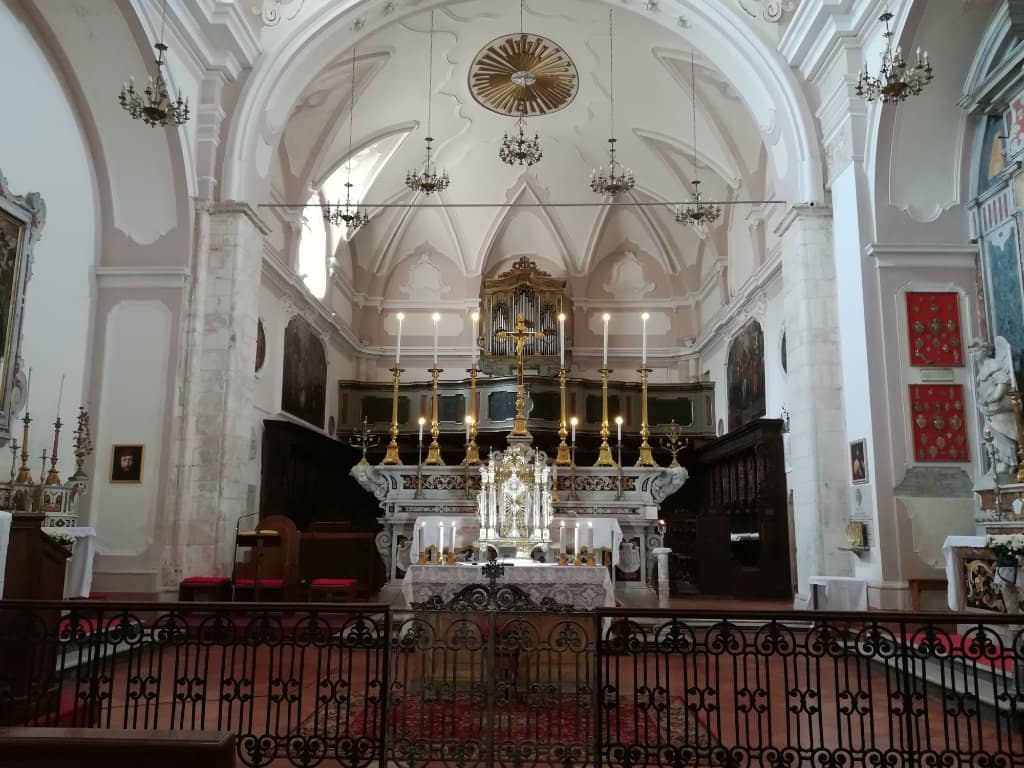
At the center of the apse is the sumptuous high altar, richly decorated with inlays and sculptures. But the most valuable element is the wooden choir by the master Fabrizio Iannulo da Monopoli: meticulously carved, it features 28 reredos with figures of Saints and Blesseds of the Dominican Order, and a statue of Christ tied to the Column at the center. The panels are separated by 26 small columns and 4 half-columns on the two corners, all decorated with floral motifs and adorned with a frame of cherub heads and other decorations that support small tables in the shape of winged sphinxes. #Visitlucera"
Michele Schiavitto
"The church of San Domenico was built in 1700 and belonged to the followers of St. Dominic, known as the Dominicans. The Baroque-style church still houses the altarpieces, rectangular panels with hand-painted figures of the Madonna and Child flanked by other saints. Currently, there are two altarpieces: one dedicated to Blessed Agostino Casotti and the other to the Madonna del Roario. On either side are two marble statues depicting angels. An imposing, majestic church, beautiful inside, with marble altars. The altarpieces on the right side depict the Virgin Mary of the Rosary, St. Rose of Lima, and St. Thomas Aquinas, while on the left side of the church is the altarpiece of the Nativity, the canvas of St. Peter, that of St. Vincent Ferrer, and that of Blessed Angelo Casotti. Behind the high altar is the choir, entirely of carved wood, with 26 small statues representing saints of the Dominican order. It is an artistic church that absolutely must be seen to be appreciated."
Michelangelo Pizzi
What People Like
What People Dislike
Frequently Asked Questions
🚇 🗺️ Getting There
Chiesa di San Domenico is located within the old perimeter of Lucera, making it easily accessible on foot once you are in the historic center. If arriving by car, look for parking in the vicinity of the old town. Public transport options to Lucera itself would typically involve regional buses or trains.
Yes, it's a major religious building in Lucera and is situated within the easily navigable old town. Its distinctive facade makes it a landmark.
Walking is the best way to explore the historic center of Lucera and reach Chiesa di San Domenico. This allows you to appreciate the architecture and atmosphere of the old city.
🎫 🎫 Tickets & Entry
Entry to Chiesa di San Domenico is generally free, as it is an active place of worship. However, it's always a good idea to check for any specific visiting hours or potential small fees for special exhibitions if applicable.
Opening hours can vary, especially for religious sites. It's recommended to check local listings or inquire locally for the most up-to-date visiting times, particularly if you plan to visit outside of regular mass times.
Typically, there is no admission fee to enter the church itself. Donations are often appreciated to help with the upkeep of such historic religious buildings.
You can usually visit during mass, but it's important to be respectful of the ongoing service. Some areas might be restricted during religious ceremonies. Check the schedule beforehand if you wish to attend mass.
Photography rules can vary. While often permitted for personal use, flash photography is usually discouraged to protect the artwork and maintain a reverent atmosphere. Always look for signage or ask church officials.
🎫 🏛️ Onsite Experience
Chiesa di San Domenico showcases a fascinating blend of styles. It was originally built in the Gothic-Angevin style and later significantly remodeled in the 18th century into a sumptuous Baroque style, evident in its facade and interior decorations.
Key artistic highlights include the eight marble chapels with precious altars and altarpieces, the intricate wooden choir in the apse featuring figures of Dominican saints, and the Baroque decorative elements throughout the single nave.
Absolutely. The church's history, from its origins using materials from Arab warehouses to its transformation into a Baroque masterpiece and its role as a center of theological research, makes it a compelling site for history buffs.
The checkerboard facade is a distinctive feature of the 18th-century Baroque remodeling. It adds a unique geometric and visual element to the exterior, housing the main portal with the Dominican coat of arms.
The church and its art, particularly the wooden choir, are deeply connected to the Dominican Order. You can learn about their saints, blesseds, and their historical significance as centers of theological and artistic research.
🍽️ 🍽️ Food & Dining
Yes, the historic center of Lucera, where Chiesa di San Domenico is located, offers several trattorias and restaurants serving local Puglian cuisine. You can find places to eat within a short walking distance.
Lucera offers traditional Puglian dishes, often featuring fresh pasta, local vegetables, olive oil, and regional wines. Expect hearty and flavorful Italian cuisine.
📸 📸 Photography
The checkerboard facade is a must-capture. Inside, focus on the intricate details of the marble altars, the ornate wooden choir, and the stained-glass windows if light permits. The exterior details of the portal are also highly photogenic.
Yes, the interior is rich with artistic details. However, be mindful of lighting conditions and avoid flash photography to respect the sanctity of the place and preserve the artwork.
Late afternoon often provides beautiful lighting that highlights the textures and colors of the facade. Morning light can also be good, depending on the angle.
For Different Travelers
Tailored advice for your travel style
👨👩👧 Families with Kids
🏛️ History Buffs
🎨 Art & Architecture Aficionados
Deep Dives
In-depth insights and expert knowledge
Architectural Evolution: From Gothic to Baroque
However, the church underwent a significant transformation in the late 18th century. It was remodeled into a sumptuous Baroque style, a dramatic shift that redefined its aesthetic. This renovation introduced elements like eight marble chapels, rich decorative features, and the iconic checkerboard facade. The Chapel of the Rosary, with its distinctive domed roof earning it the nickname "Pantheon," is a prime example of this Baroque influence, serving as the mortuary chapel for the Brothers of the Rosary.
While little of the original Gothic structure remains overtly visible, the church's history is layered. The interior, a single nave, is punctuated by side chapels, each housing precious altars and altarpieces. The juxtaposition of its historical origins with its later Baroque splendor makes Chiesa di San Domenico a compelling study in architectural evolution and religious adaptation.
Artistic Treasures Within
Perhaps the most striking artistic element is the wooden choir located at the center of the apse. This meticulously carved masterpiece by Fabrizio Iannulo da Monopoli is a significant work of art. It comprises 28 reredos, each showcasing figures of Saints and Blesseds of the Dominican Order. The intricate details, separated by small columns and adorned with floral motifs and cherub heads, make it a focal point of the church's artistic heritage.
Beyond the chapels and choir, the church also features marble statues depicting angels flanking the high altar, adding to the overall opulence and devotional atmosphere. The combination of these artistic elements creates a rich visual experience for visitors, highlighting the craftsmanship and religious devotion of the periods in which they were created.
Historical Significance and Symbolism
For centuries, the church and its adjacent convent served as important centers of theological and artistic research, particularly from the 15th century onwards. This intellectual and spiritual role cemented its importance within the Dominican Order and the wider religious community. The convent itself, later confiscated and used as a barracks, speaks to the changing political landscape of Italy.
Despite damage from the 1980 earthquake, the church has undergone recent restorations, allowing it to reopen for worship and stand as a testament to resilience. Its journey from Gothic origins to Baroque grandeur, intertwined with the historical narrative of Lucera, makes it a site of profound cultural and religious significance.
Social
from TikTok, Instagram & Reddit