Basilica di San Francesco Antonio Fasani
A sacred sanctuary in Lucera, housing the tomb of Saint Francis Antonio Fasani, blending Gothic-Angevin architecture with profound spiritual significa...
Highlights
Must-see attractions

Social
From TikTok & Reddit
Best Time
Fewer crowds, peaceful atmosphere
Basilica di San Francesco Antonio Fasani
Best Time
Fewer crowds, peaceful atmosphere
Highlights
Must-see attractions
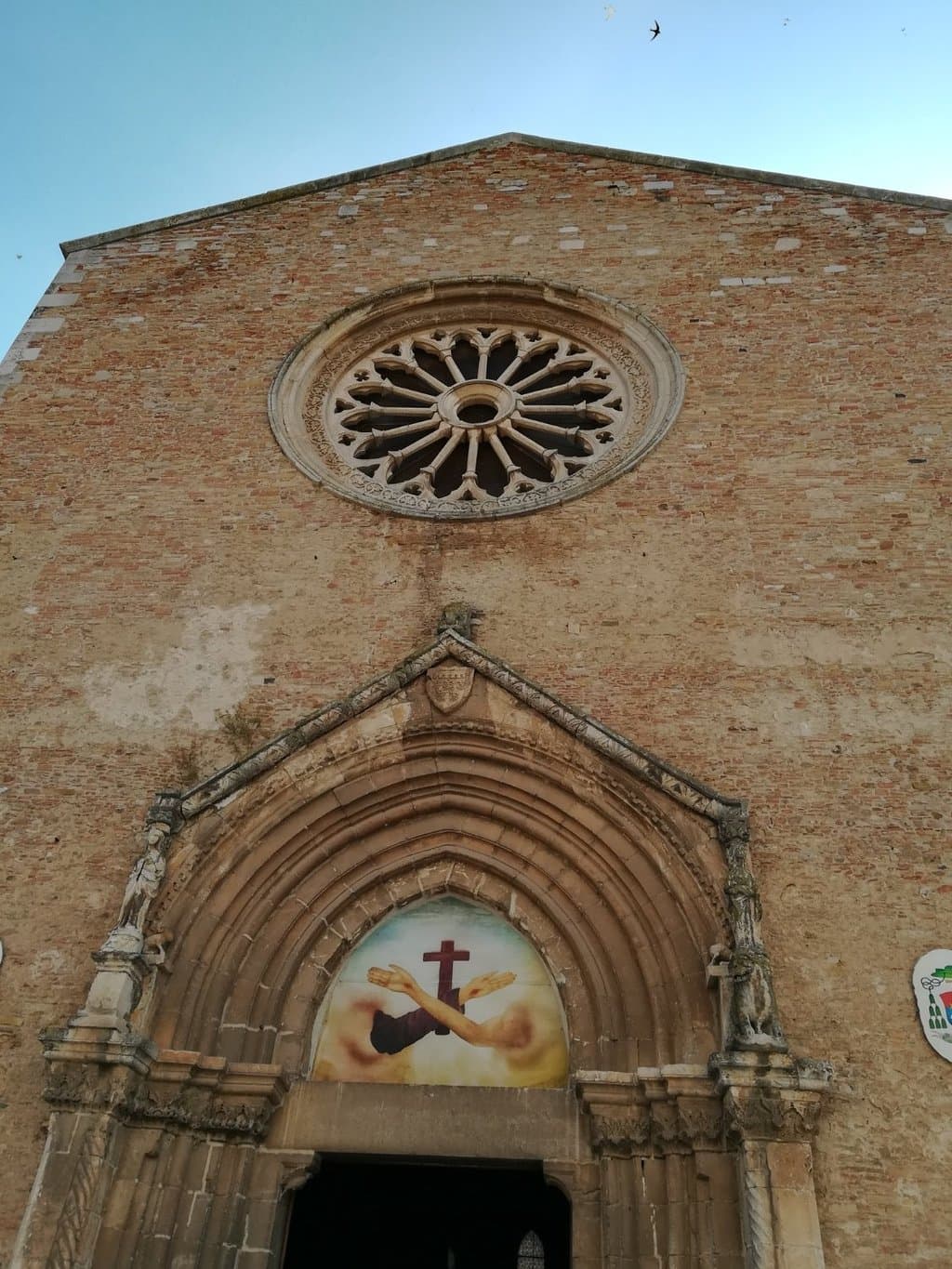
A sacred sanctuary in Lucera, housing the tomb of Saint Francis Antonio Fasani, blending Gothic-Angevin architecture with profound spiritual significance.
"Venerate the preserved body of the beloved 'Father Master' in a crystal and bronze urn."
Respectful Attire Recommended
Dress modestly to show respect for this sacred site. Shoulders and knees should be covered. 🙏
Learn about Padre Maestro
Understanding Saint Francis Antonio Fasani's life enriches your visit. 📚
Quick Facts
Hours
Rating
4.9 · 107 reviews
Type
Church
Highlights
Discover the most iconic attractions and experiences
Tomb of Saint Francis Antonio Fasani
Under the high altar
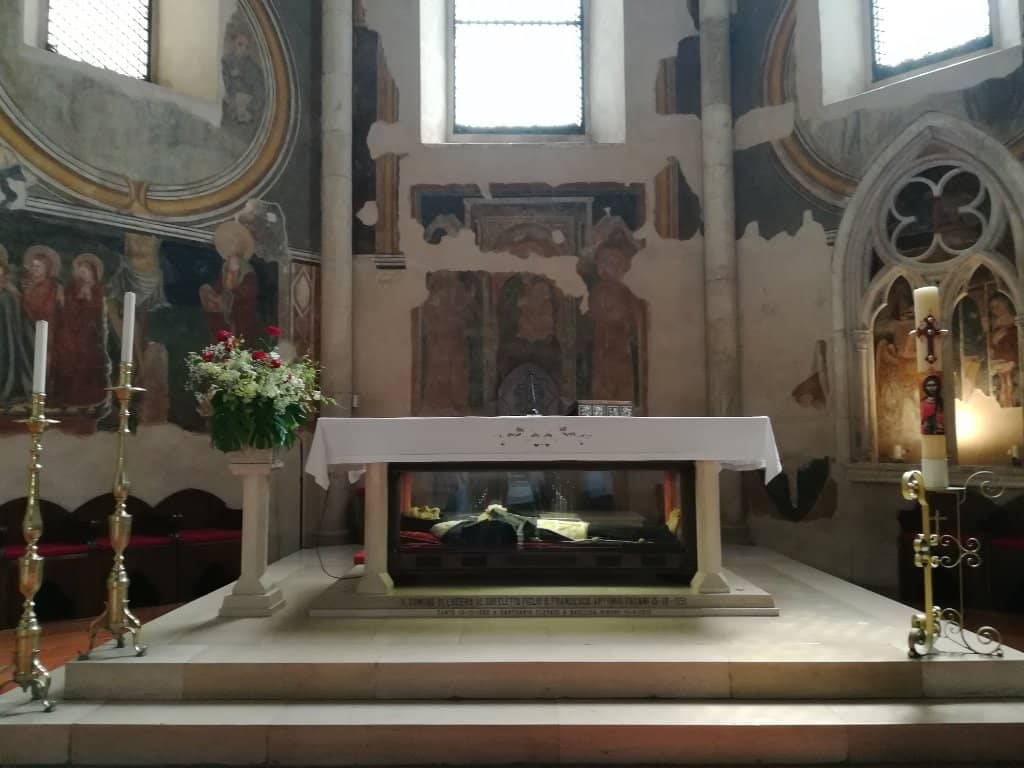
Venerate the preserved body of the beloved 'Father Master' in a crystal and bronze urn.
Gothic-Angevin Architecture
Entire Basilica
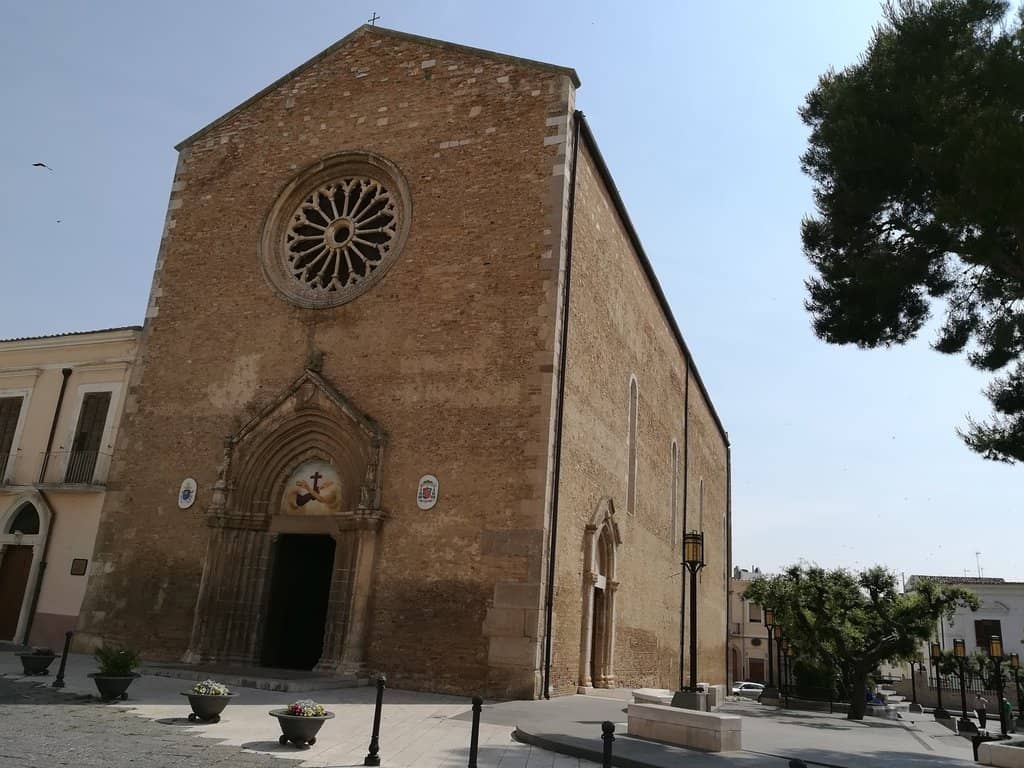
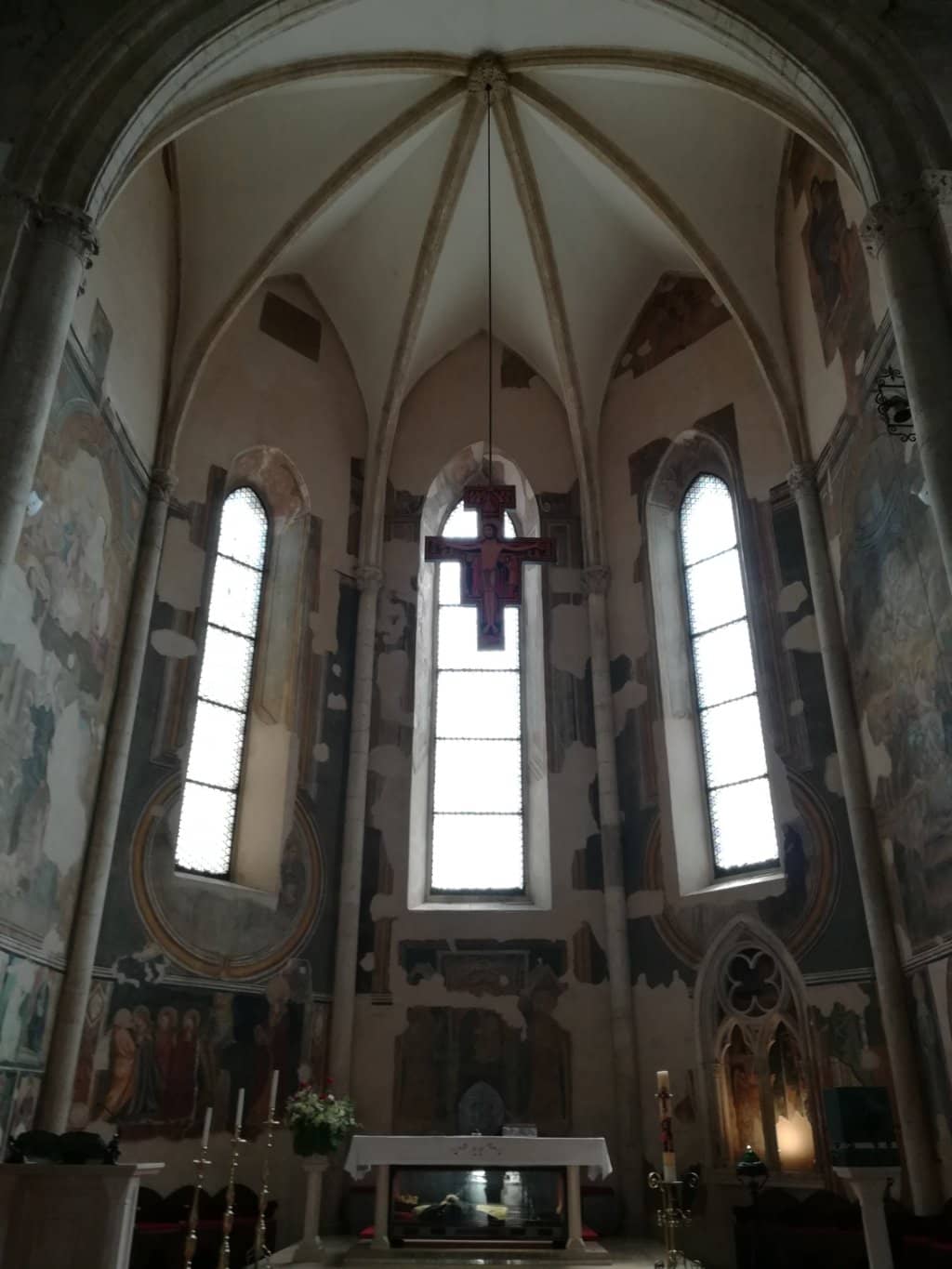
Admire the striking Gothic-Angevin style of this 14th-century church with its single nave and apse.
18th-Century Altars and Statues
Sides of the nave
Explore side altars featuring wooden statues of saints, including works commissioned by Padre Maestro.
Rose Window Facade
Church facade
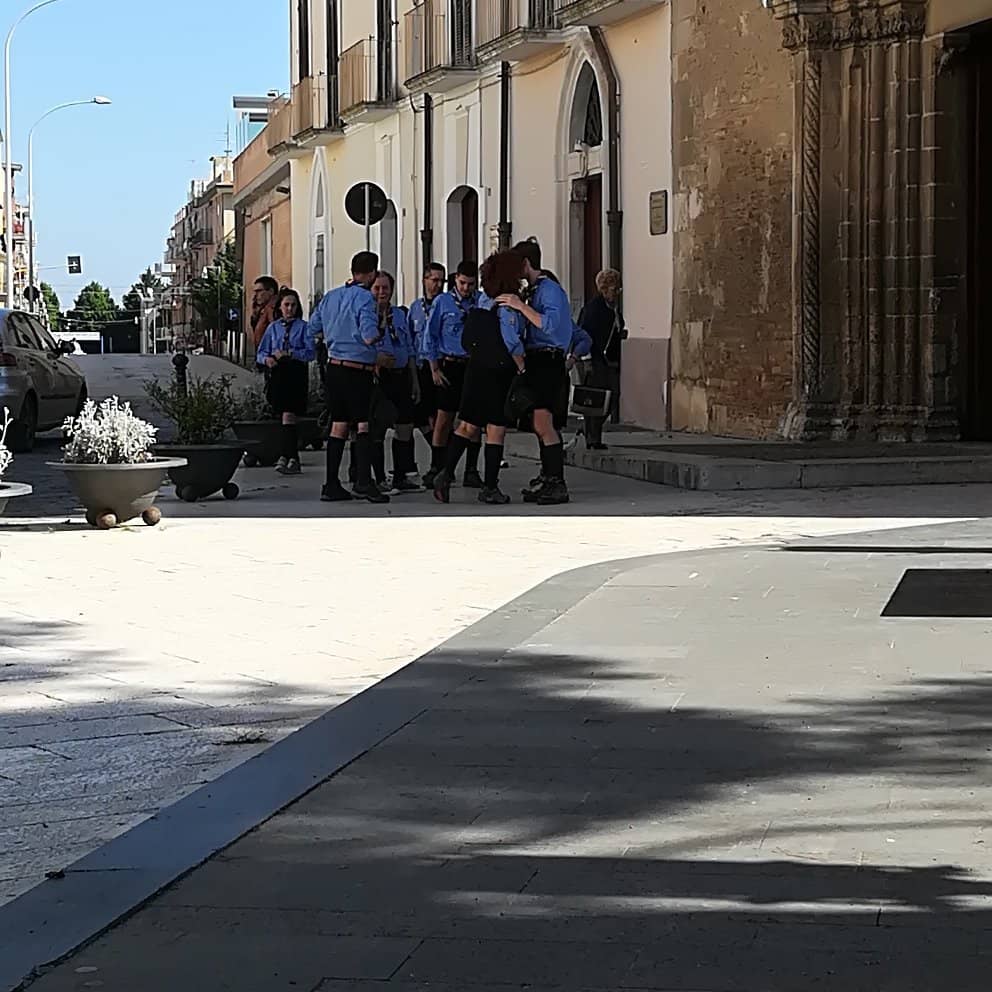
Marvel at the remarkable rose window above the stepped Romanesque-Gothic entrance.
Plans like a pro.
Thinks like you
Planning Your Visit
Timing Your Visit for Serenity
Understanding Saint Francis Antonio Fasani
Best Times
Insider Tips
from TikTok, Instagram & Reddit
Respectful Attire Recommended
Dress modestly to show respect for this sacred site. Shoulders and knees should be covered. 🙏
Learn about Padre Maestro
Understanding Saint Francis Antonio Fasani's life enriches your visit. 📚
Quiet Contemplation
The Basilica is a place of worship; maintain a quiet and respectful demeanor. 🎤
Explore the Historic Center
Combine your visit with exploring Lucera's charming old town. :city_sunrise:
Tips
from all over the internet
Respectful Attire Recommended
Dress modestly to show respect for this sacred site. Shoulders and knees should be covered. 🙏
Learn about Padre Maestro
Understanding Saint Francis Antonio Fasani's life enriches your visit. 📚
Quiet Contemplation
The Basilica is a place of worship; maintain a quiet and respectful demeanor. 🎤
Explore the Historic Center
Combine your visit with exploring Lucera's charming old town. :city_sunrise:
What Travellers Say
Reviews Summary
Visitors praise the Basilica di San Francesco Antonio Fasani for its spiritual significance, housing the tomb of the beloved Saint Francis Antonio Fasani. The church's Gothic-Angevin architecture and historical artworks are also highlighted as points of interest. Some note that it's a place of quiet devotion, best experienced with an understanding of the saint's life.
"San Francesco Antonio Fasani"
Ciro Spagnuolo
"The Church of San Francesco was built by Charles II of Anjou between 1300 and 1304 in honor of Saint Francis of Assisi. It is in Gothic-Angevin style with a single nave and an apse. At the center of the apse, beneath the high altar, in a crystal and bronze urn, the body of Saint Francis Antonio Fasani, known to all as the Father Master, is preserved and venerated. Saint Francis Antonio Fasani was a religious man and priest belonging to the Order of Friars Minor Conventual. On the day of his entrance into the faith, he chose the name Francis Anthony as an act of devotion to two giants of holiness whom he had chosen to imitate: Saint Francis of Assisi, the "all seraphic in ardor," and Saint Anthony of Padua, the saint of the poor. In this church, he was seen several times rising into the air, thus resembling another great saint, Saint Joseph of Cupertino. He was canonized on April 13, 1986, by John Paul II.
On the sides of the nave are five 18th-century sandstone altars containing wooden statues of the venerated saints. On the left side, starting from the entrance, are the altars dedicated to Saint Francis of Assisi (1713), the Crucified Jesus (1600), and Saint Anthony of Padua (1943). On the right side, however, are the altars dedicated to the Ecce Homo (1600) and the Immaculate Conception (1718), alternating with the pulpit, constructed from the ancient sarcophagus of the noble knight Santa from 1555. The statues of Saint Francis of Assisi and the Immaculate Conception were commissioned by Padre Maestro from Giacomo Colombo. The statue of the Ecce Homo is attributed to Aniello Stellato. Father Maestro used to pray before the statue of the Immaculate Conception and was seen in ecstasy several times. It is said that one evening he saw her come to life and received an answer to his prayer. He also obtained healing for a child who could not walk after placing him three times on the altar dedicated to her.
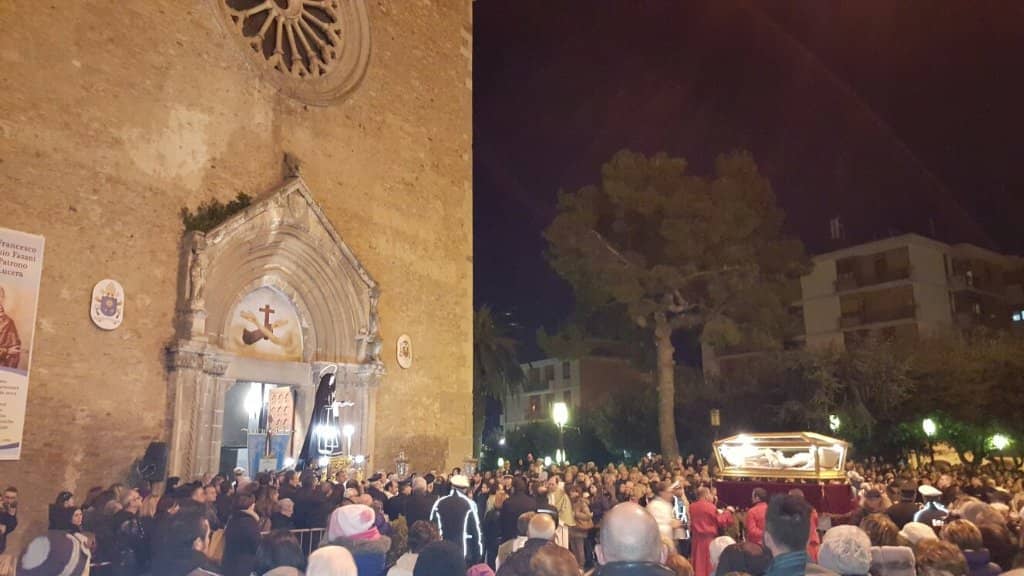
In 2001, the church was declared the "Diocesan Shrine of San Francesco Antonio Fasani," where every year thousands of devotees gather at the foot of the altar to honor the body of Father Maestro. In 2008, the sanctuary was declared a "Monument Witness to a Culture of Peace" and on May 11, 2012, it was elevated to the dignity of a minor basilica."
Gianni
"On the edge of the old town of Luceria stands the simple church of San Francesco. It once belonged to the Teutonic Knights. The façade, stripped down to its essentials, features a large stepped porta, covered by a canopy, in a mixed Romanesque-Gothic style. Above it is a remarkable rose window.
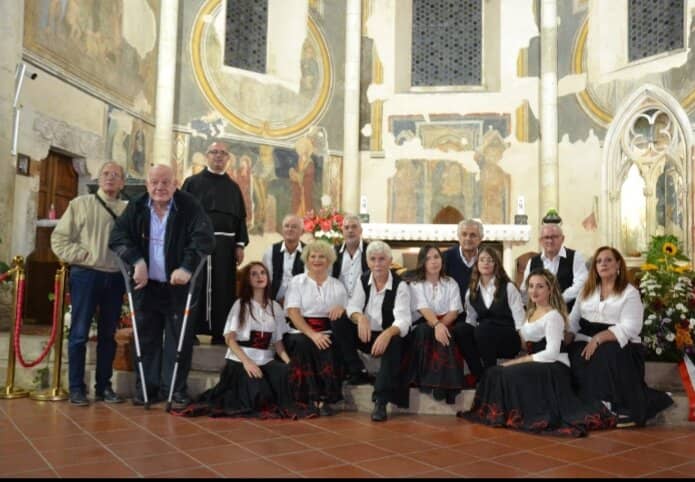
The interior is dominated by the austerity of the Franciscan order. Several valuable frescoes can be admired.
The church was dedicated to Saint Francesco Antonio Fasani."
Gernot Berndt
What People Like
What People Dislike
Frequently Asked Questions
🚇 🗺️ Getting There
The Basilica is located in the historic center of Lucera, easily accessible on foot. If arriving by car, look for parking in the surrounding areas. Public transport options to Lucera can be researched based on your starting point in Puglia.
Yes, it's situated in Piazza Tribunali in the historic center of Lucera, making it a central and easily locatable landmark. :round_pushpin:
Lucera is accessible by train and bus from major cities in Puglia. Many visitors combine a trip to Lucera with other destinations in the region. 🚂
🎫 🎫 Tickets & Entry
Entry to the Basilica is generally free, as it is a place of worship. Donations are always appreciated to help with its upkeep. 💵
Opening hours can vary, especially around religious holidays. It's best to check locally or look for updated information online before your visit. :clock1:
No, the tomb is located within the Basilica, and there is no separate fee to view it. Access is included with your visit to the church. 🎟️
You can visit during mass, but it's advisable to be extra respectful and quiet. Some areas might be restricted during services. ⛪
🎫 🏛️ Onsite Experience
It's a Diocesan Shrine dedicated to Saint Francis Antonio Fasani, housing his preserved body. It's also recognized as a 'Monument Witness to a Culture of Peace.' :dove:
The Basilica features a Gothic-Angevin style, built between 1300 and 1304, with a single nave and apse. :building_construction:
Yes, the Basilica contains several 18th-century sandstone altars with wooden statues of saints, as well as valuable frescoes. 🎨
Photography policies can vary. It's best to look for signage or ask a church official. If allowed, be discreet and avoid flash photography. 📷
'Father Master' is the affectionate name given to Saint Francis Antonio Fasani, whose tomb is venerated here. :saint:
🍽️ 🍽️ Food & Dining
Yes, Lucera's historic center, where the Basilica is located, offers numerous trattorias and restaurants serving local Puglian cuisine. 🍴
Look for regional specialties like orecchiette pasta, local olive oil, and fresh seafood. :pasta:
📸 📸 Photography
The facade with its rose window and the serene interior, especially around the altars and the apse, offer beautiful photographic opportunities. :camerawithflash:
Photography near the tomb might be restricted out of respect. Always check for signs or ask permission before taking photos in sacred areas. :noentrysign:


Social
from TikTok, Instagram & Reddit