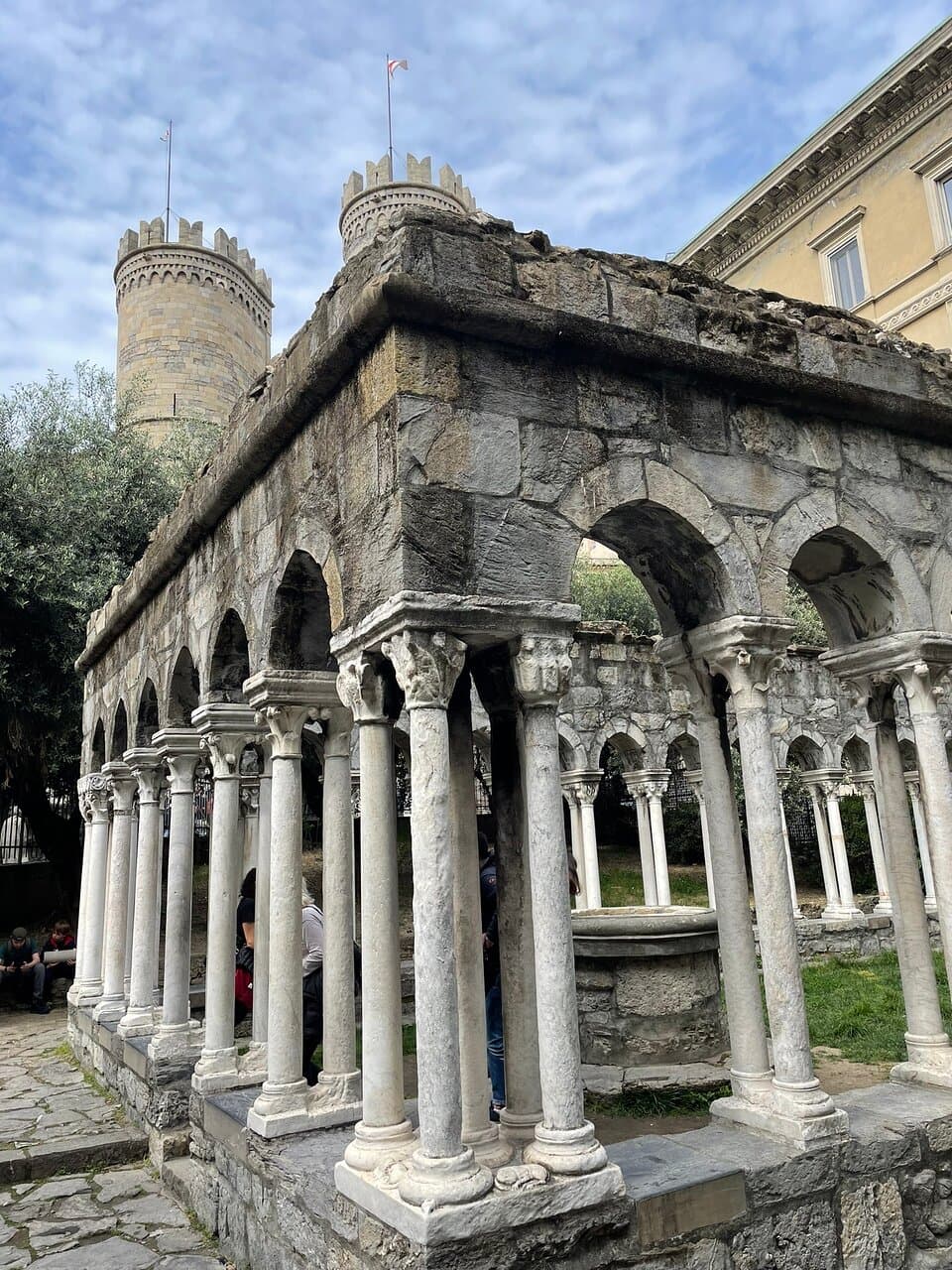
Cloister of Sant'Andrea Ruins
Discover the serene 12th-century Cloister of Sant'Andrea Ruins, a peaceful medieval escape in Genoa with intricate sculptures and Romanesque arches.
Highlights
Must-see attractions

Social
From TikTok & Reddit
Best Time
Beat the small crowds
Cloister of Sant'Andrea Ruins
Best Time
Beat the small crowds
Highlights
Must-see attractions
Discover the serene 12th-century Cloister of Sant'Andrea Ruins, a peaceful medieval escape in Genoa with intricate sculptures and Romanesque arches.
"A hidden gem that transports you back to Genoa's medieval past, offering a peaceful escape."

Free Admission Gem
Enjoy this historical site without any cost! It's a budget-friendly stop on your Genoa exploration. :moneywithwings:
Combine with Nearby Sites
Perfectly paired with Columbus's House and Porta Soprana for a compact historical tour. :world_map:
Highlights
Discover the most iconic attractions and experiences
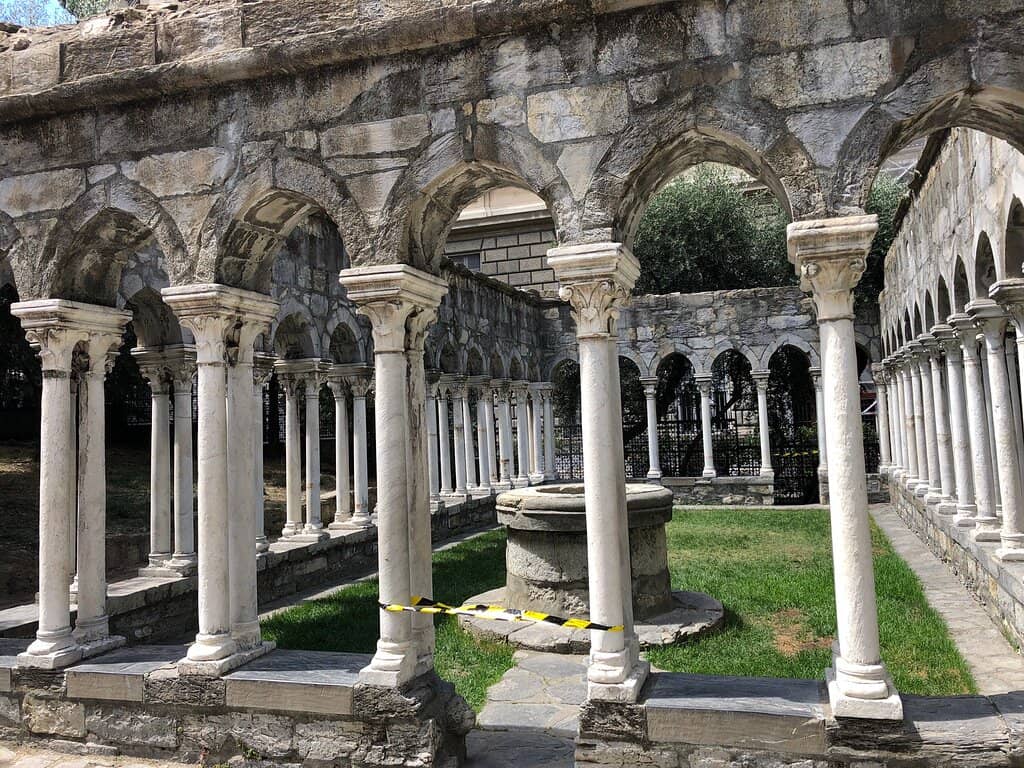
Romanesque Arches
Main Cloister Area
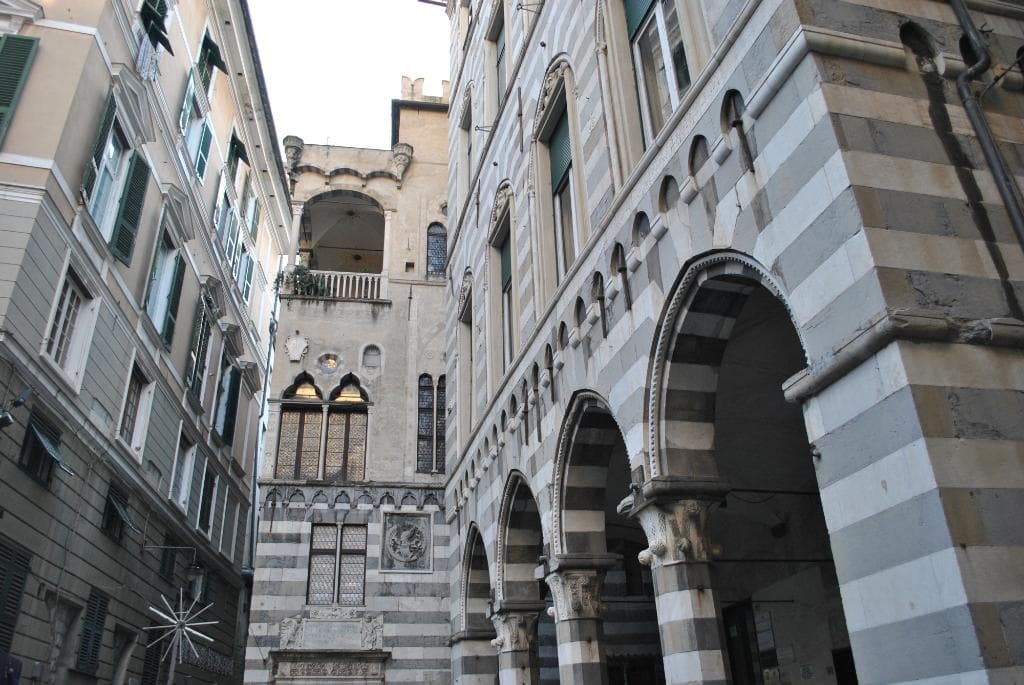
Admire the intricate two-column structure and weathered stone arches, whispering tales of medieval Genoa.

Biblical & Idyllic Sculptures
Column Bases and Walls
Examine detailed sculptures depicting biblical scenes, chivalry, and charming idyllic moments from a bygone era.

Monastery Garden Remnants
Surrounding Area
Wander through the atmospheric remains of the monastery garden, where greenery intertwines with ancient stones.
Plans like a pro.
Thinks like you
Planning Your Visit
A Peaceful Medieval Escape
Quick Visit, Lasting Impression
Best Times
Insider Tips
from TikTok, Instagram & Reddit
Free Admission Gem
Enjoy this historical site without any cost! It's a budget-friendly stop on your Genoa exploration. :moneywithwings:
Combine with Nearby Sites
Perfectly paired with Columbus's House and Porta Soprana for a compact historical tour. :world_map:
Photographer's Delight
Capture stunning shots of ancient architecture intertwined with lush greenery. :camerawithflash:
Quiet Reflection Spot
A peaceful oasis to pause and reflect on Genoa's rich medieval history. :pray:
Tips
from all over the internet
Free Admission Gem
Enjoy this historical site without any cost! It's a budget-friendly stop on your Genoa exploration. :moneywithwings:
Combine with Nearby Sites
Perfectly paired with Columbus's House and Porta Soprana for a compact historical tour. :world_map:
Photographer's Delight
Capture stunning shots of ancient architecture intertwined with lush greenery. :camerawithflash:
Quiet Reflection Spot
A peaceful oasis to pause and reflect on Genoa's rich medieval history. :pray:
What Travellers Say
Reviews Summary
Visitors find the Cloister of Sant'Andrea Ruins to be a charming and peaceful historical site, offering a glimpse into medieval Genoa. Its free admission and convenient location near other landmarks are frequently praised, though some note it's a brief visit.
"The Monastery of Sant'Andrea of Romanesque origin it is part of the monastery of the same name, which was demolished in order to implement the urban restructuring plan of the area. Thus, at the beginning of the 20th century, the cloister was demolished and then reassembled, unfortunately without keeping the original order of the sculptures, on the present site, near the Columbus house. Interesting is the two-column structure and sculptures depicting biblical scenes, but also chivalry and idyllic scenes. The climatic remains of the monastery garden."
Grace
"The St. Andrew’s Cloister Ruins, located near Christopher Columbus’s house, are a hidden gem that transport you back to Genoa’s medieval past. These picturesque remnants of a 12th-century monastery are a peaceful escape from the bustling city, offering a serene atmosphere amidst ancient stone arches and columns.
The cloister is small but beautifully preserved, with ivy and greenery adding to its charm. It’s a perfect spot for history lovers or anyone looking to take a quiet moment to reflect. The architecture speaks of a bygone era, and it’s easy to imagine monks once walking these grounds.
Its proximity to other landmarks, like the Porta Soprana and Columbus’s house, makes it a convenient and worthwhile stop. Admission is free, and it’s an excellent place to sit and relax or snap some stunning photos."
Wisanu Tuntawiroon
"The ruins of the Monastery of St. Andrew in Genoa are an impressive historical site.
Founded in the 12th century, this ancient monastery captivates with its architecture and the atmosphere of antiquity.
Walking among the ruins and ancient stone walls immerses one in the past and prompts reflection on its history and significance to Genoa."
Alice
What People Like
What People Dislike
Frequently Asked Questions
🚇 🗺️ Getting There
The Cloister of Sant'Andrea Ruins are conveniently located near Christopher Columbus's house in Genoa. You can easily reach them by walking from the city center or using public transport to get close to the area. Many visitors combine a visit here with nearby attractions like Porta Soprana.
Parking directly at the ruins is limited. It's recommended to use public parking garages in the city center and then walk or take public transport to the site.
Yes, the ruins are within walking distance of many central Genoa attractions, including the historic port area. It's a pleasant walk through the city's charming streets.
🎫 🎫 Tickets & Entry
No, admission to the Cloister of Sant'Andrea Ruins is completely free. It's a public space that can be visited without purchasing any tickets.
As an open-air historical site, the ruins are generally accessible during daylight hours. There are no specific official opening or closing times posted, but it's best to visit when there's natural light.
There is no entrance fee. The Cloister of Sant'Andrea Ruins are free to explore, making it an accessible historical site for all visitors.
🎫 🧭 Onsite Experience
Most visitors find that 15-20 minutes is sufficient to explore the Cloister of Sant'Andrea Ruins in detail. It's a compact site, perfect for a quick yet meaningful stop.
You can see the remnants of a 12th-century monastery, including Romanesque arches, two-column structures, and sculptures depicting biblical and idyllic scenes. The remains of the monastery garden are also present.
Absolutely! The ruins offer beautiful architectural details and a charming atmosphere, especially with the greenery. It's a great spot for photographers looking for unique historical shots.
There are no facilities directly at the ruins themselves. You'll need to use restrooms or find cafes in the surrounding areas of Genoa.
📸 📸 Photography
Late afternoon often provides beautiful golden hour light that enhances the textures of the ancient stones. Early mornings can also be good for fewer people and softer light.
Focus on the intricate details of the Romanesque arches, the sculpted columns, and the interplay of light and shadow. The greenery adds a lovely contrast to the stone.
Drone usage is generally restricted in historical city centers and protected areas. It's best to check local regulations before attempting to fly a drone.
For Different Travelers
Tailored advice for your travel style
👨👩👧 Families with Kids
Keep the visit short and sweet, focusing on the most visually striking elements. Its proximity to other attractions means you can easily transition to more interactive experiences afterward. Remember to bring water and snacks, as there are no facilities on-site.
🚶 Budget Travelers
Combine your visit with other free attractions in the area, like exploring the exterior of Columbus's House or walking through the historic streets. It's a prime example of how to experience the rich culture of Genoa affordably.
📸 Photography Enthusiasts
Aim for the golden hour in the late afternoon for the most dramatic lighting. The unique sculptures and the overall serene ambiance provide a rich backdrop for capturing evocative images of Genoa's medieval past.
Deep Dives
In-depth insights and expert knowledge
A Glimpse into Medieval Genoa
What makes these ruins particularly fascinating are the architectural details and sculptural elements. The characteristic two-column structure of the cloister is evident, with columns often adorned with intricate carvings. These sculptures depict a range of subjects, from biblical narratives to scenes of chivalry and idyllic pastoral life, providing insights into the artistic and cultural sensibilities of the era. The atmospheric remains of the monastery garden further enhance the sense of stepping back in time.
While the reassembly may not have perfectly preserved the original order of the sculptures, the site remains a compelling historical artifact. It serves as a peaceful sanctuary, offering a quiet moment of reflection amidst the bustling city. Its proximity to other significant landmarks makes it an easily accessible and enriching addition to any Genoa itinerary.
Experiencing the Ruins: What to Expect
The atmosphere here is one of tranquility and historical resonance. Visitors often describe it as a peaceful escape from the urban environment. The ancient stone arches, weathered by time, are often draped with ivy and greenery, adding a picturesque quality to the ruins. This natural integration with the environment creates a unique and photogenic setting, perfect for capturing memorable images.
Many reviewers highlight the free admission as a significant advantage, making it an accessible attraction for all budgets. It's frequently recommended as a must-see when exploring the area around Columbus's house and the Porta Soprana, allowing for a cohesive historical tour of Genoa's medieval heritage.

Social
from TikTok, Instagram & Reddit