
Arco di Federico II Via Arpi
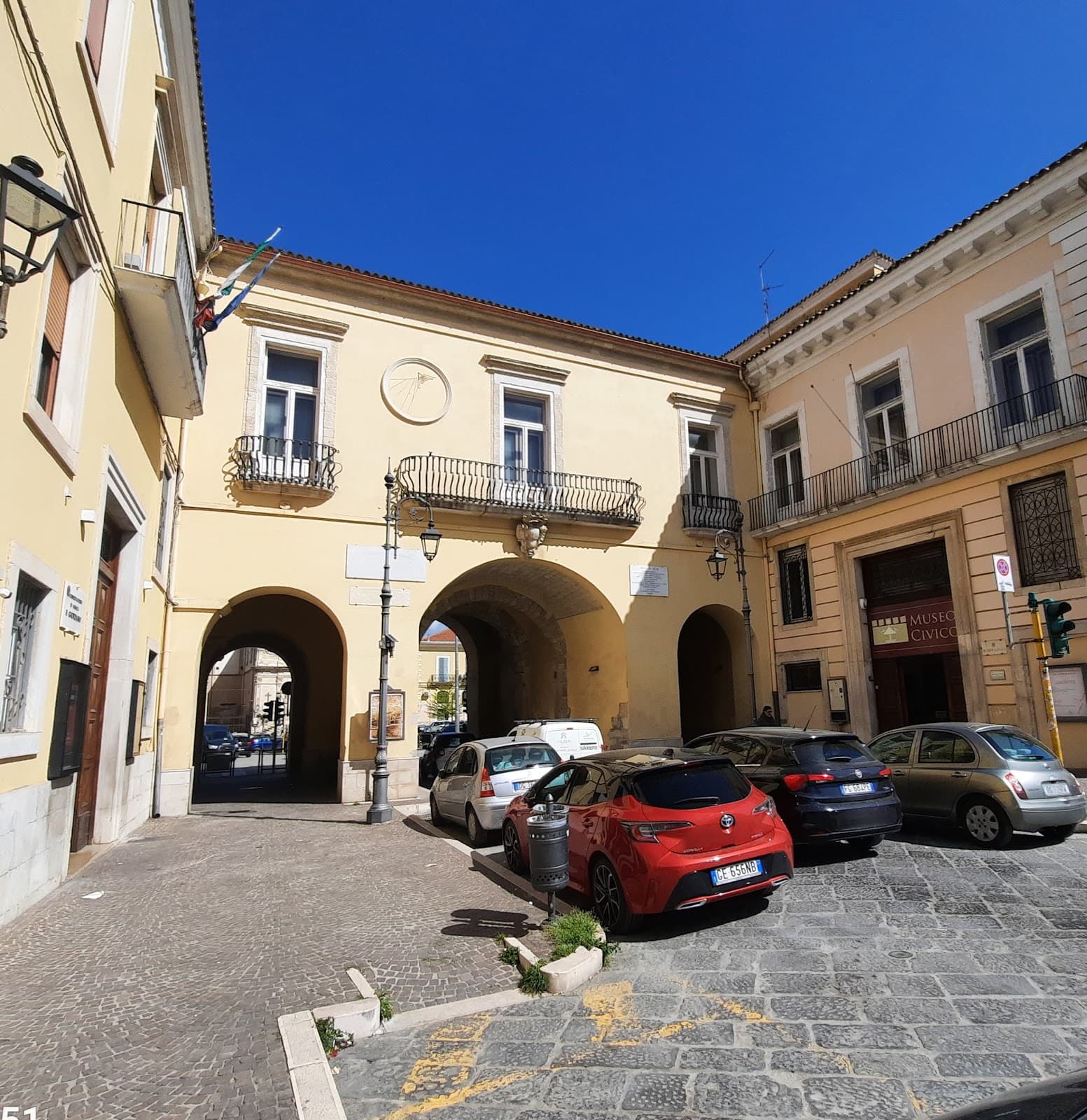
A surviving 13th-century portal from Frederick II's palace, a key historical remnant on Foggia's charming Via Arpi.
Highlights
Must-see attractions

Social
From TikTok & Reddit
Best Time
To appreciate historical details
Arco di Federico II Via Arpi
Best Time
To appreciate historical details
Highlights
Must-see attractions
A surviving 13th-century portal from Frederick II's palace, a key historical remnant on Foggia's charming Via Arpi.
"Important portal but not easy to understand its importance."

Look for Ornaments
Seek out the ornaments made by Bartolomeo da Foggia in 1223, a testament to medieval artistry. :art:
Imagine the Palace
This arch is a remnant; imagine the grandeur of the original Frederick II palace. :thinking_face:

Highlights
Discover the most iconic attractions and experiences
The Frederick II Arch
Via Arpi, Foggia
A surviving portal from Frederick II's 13th-century palace, showcasing ancient craftsmanship.
Via Arpi's Charm
Historic Center of Foggia
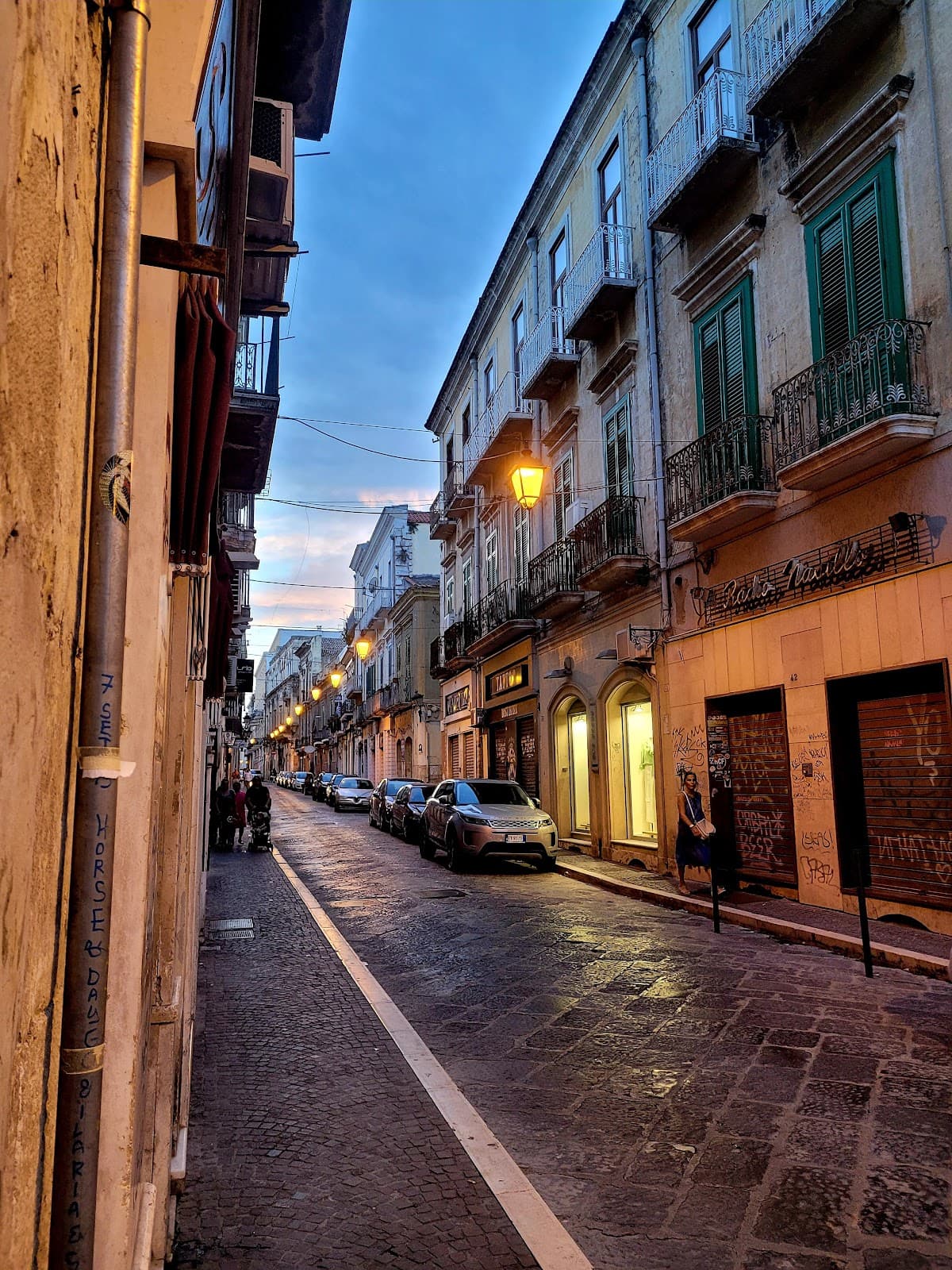
Wander the historic street where the arch stands, soaking in the atmosphere of old Foggia.
Plans like a pro.
Thinks like you
Planning Your Visit
Timing Your Visit
Understanding Its Significance
Best Times
Insider Tips
from TikTok, Instagram & Reddit
Look for Ornaments
Seek out the ornaments made by Bartolomeo da Foggia in 1223, a testament to medieval artistry. :art:
Imagine the Palace
This arch is a remnant; imagine the grandeur of the original Frederick II palace. :thinking_face:
Explore Via Arpi
The arch is on a wonderful old street. Take time to explore the surrounding historic Via Arpi. :walking:
Tips
from all over the internet
Look for Ornaments
Seek out the ornaments made by Bartolomeo da Foggia in 1223, a testament to medieval artistry. :art:
Imagine the Palace
This arch is a remnant; imagine the grandeur of the original Frederick II palace. :thinking_face:
Explore Via Arpi
The arch is on a wonderful old street. Take time to explore the surrounding historic Via Arpi. :walking:
What Travellers Say
Reviews Summary
Visitors find the Arco di Federico II to be an important historical remnant of Frederick II's palace, appreciating its excellent original condition and the craftsmanship of its ornaments. While its significance is recognized, some note that its importance might not be immediately obvious to all, and it's best enjoyed as part of a broader exploration of the historic Via Arpi.
"Portal in excellent original condition of the Frederick II palace in the historic center of Foggia, of which only a section of wall remains a few meters further."
Fanny
"Important portal but not easy to understand its importance"
Fabrizio Pivari
"Beautiful well, even if not original but reconstructed. The old Via Arpi where it is located is wonderful."
TIK TOK ITALY
What People Like
What People Dislike
Frequently Asked Questions
🚇 🗺️ Getting There
The Arco di Federico II is located on Via Arpi in the historic center of Foggia. It's easily accessible by foot if you are already in the city center. Public transport options to the city center are available, and from there, it's a short walk. :bus:
Parking in historic city centers can be challenging. Look for paid parking lots or street parking in designated areas slightly away from the immediate vicinity of Via Arpi to avoid ZTL (limited traffic zones). :car:
🎫 🎫 Tickets & Entry
No, the Arco di Federico II is an outdoor monument located on a public street, Via Arpi. There is no admission fee, and you can view it at any time. :free:
As an outdoor monument, the arch is accessible 24/7. However, for the best viewing experience and to appreciate the details, it's recommended to visit during daylight hours. :sunrise:
📸 📸 Photography
For the best lighting and fewer people, aim for early morning or late afternoon. The golden hour light can beautifully highlight the ancient stone and architectural details. :camerawithflash:
Try capturing the arch from a slight distance to include some of the charming Via Arpi in the frame. Experiment with different perspectives to showcase its historical context. :iphone:
🎫 🏛️ History & Significance
The arch is a surviving portal from the palace of Emperor Frederick II, built in the 13th century. It's a crucial remnant of a once-grand structure and a testament to the architectural prowess of the era. :scroll:
Frederick II was a Holy Roman Emperor and King of Sicily, a powerful and influential ruler. His palace in Foggia was a significant residence, reflecting his power and patronage of the arts and architecture. :crown:
Unfortunately, much of the original palace has been lost to time and historical events. The Arco di Federico II is one of the few remaining visible parts, offering a glimpse into its past glory. :ruins:
For Different Travelers
Tailored advice for your travel style
History Enthusiasts
Photographers
Deep Dives
In-depth insights and expert knowledge
The Legacy of Frederick II
While the grand palace is largely gone, the arch stands as a proud testament to its former existence. It invites visitors to imagine the scale and splendor of the original structure. Its presence on Via Arpi, a street with its own historical narrative, adds to the immersive experience of stepping back in time. Understanding Frederick II's impact on the region helps contextualize the arch's enduring significance.
Exploring Via Arpi
Many visitors find that exploring Via Arpi enhances their appreciation of the arch. The street provides a sense of scale and context that might be missed if one were only focused on the monument itself. It’s an opportunity to experience the living history of Foggia, where ancient remnants coexist with everyday life. Take your time, perhaps stop at a local café, and let the ambiance of this historic street envelop you. :coffee:
Social
from TikTok, Instagram & Reddit