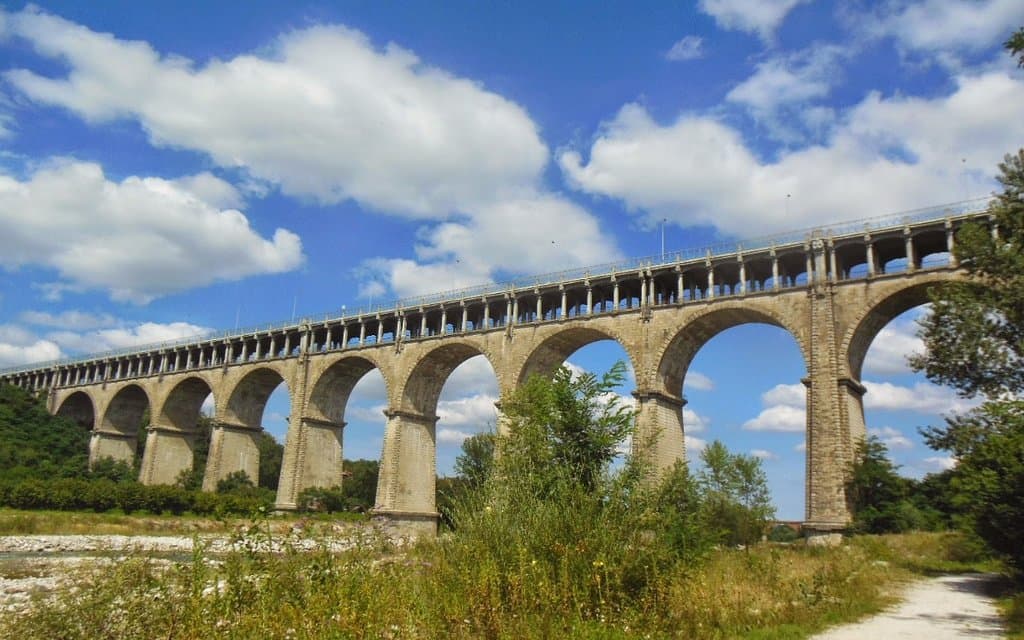
Soleri Viaduct Cuneo
A monumental road and railway viaduct, the Soleri Viaduct is a symbol of Cuneo's resilience and engineering prowess, offering stunning arches and hist...
Highlights
Must-see attractions

Social
From TikTok & Reddit
Best Time
Best light for photos
Soleri Viaduct Cuneo
Best Time
Best light for photos
Highlights
Must-see attractions
A monumental road and railway viaduct, the Soleri Viaduct is a symbol of Cuneo's resilience and engineering prowess, offering stunning arches and historical depth.
"A bridge that has a lot of stories to tell... definitely worth a 5-star review for tourists."
📸 Photography Hotspots
Explore viewpoints from below, like Basse Sant'Anna, for dramatic arch perspectives. :camerawithflash:
🚲 Cycle Path Access
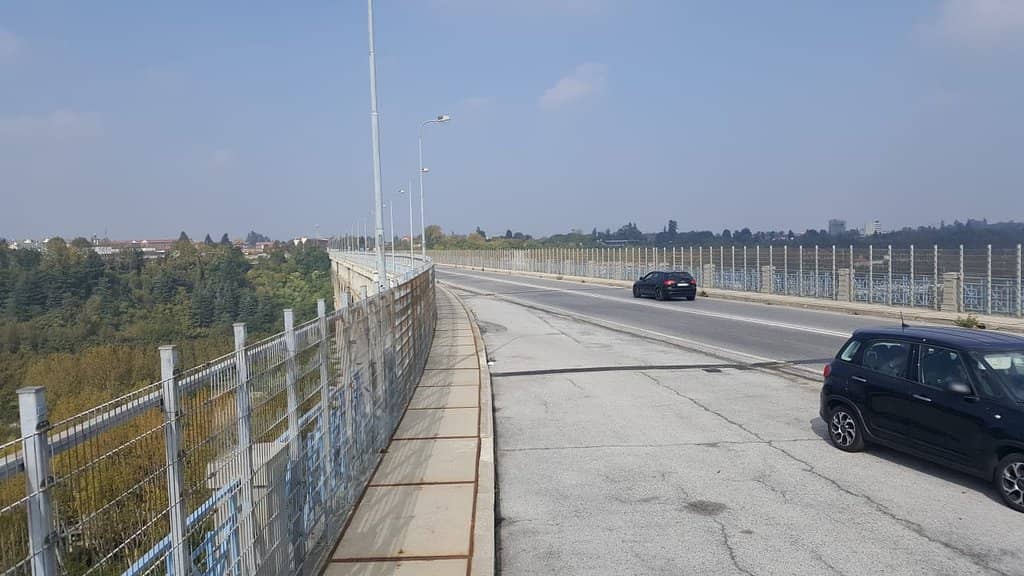
Utilize the cycle path for unique angles and a pleasant way to experience the viaduct. :athletic_shoe:
Highlights
Discover the most iconic attractions and experiences
The Grand Arches
The entire length of the viaduct
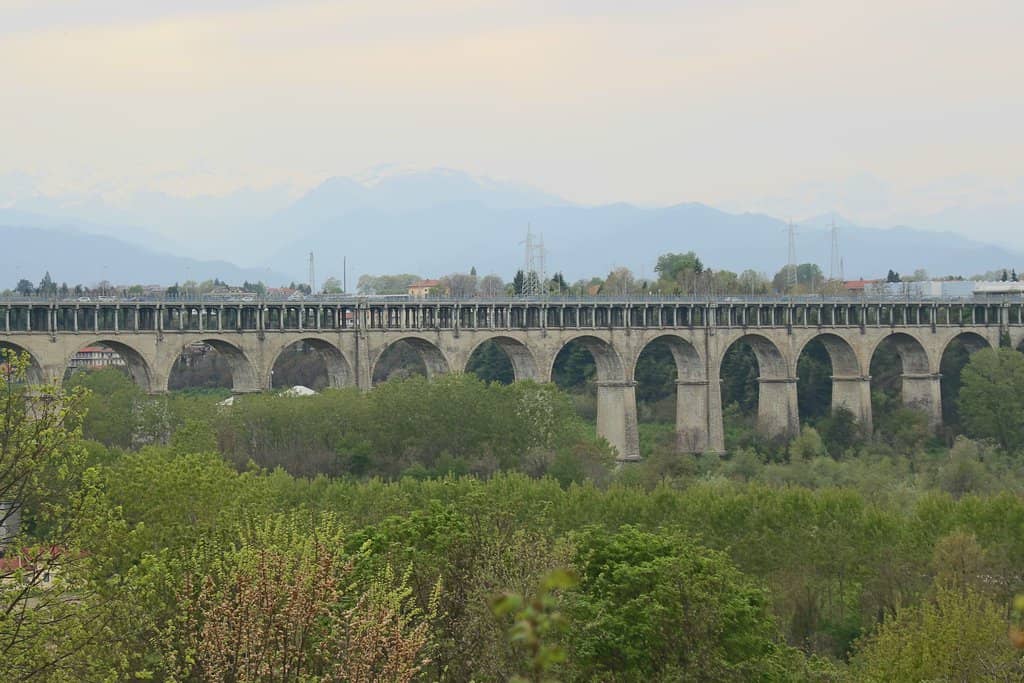
Marvel at the 34 reinforced concrete arches, a testament to early 20th-century engineering and resilience.
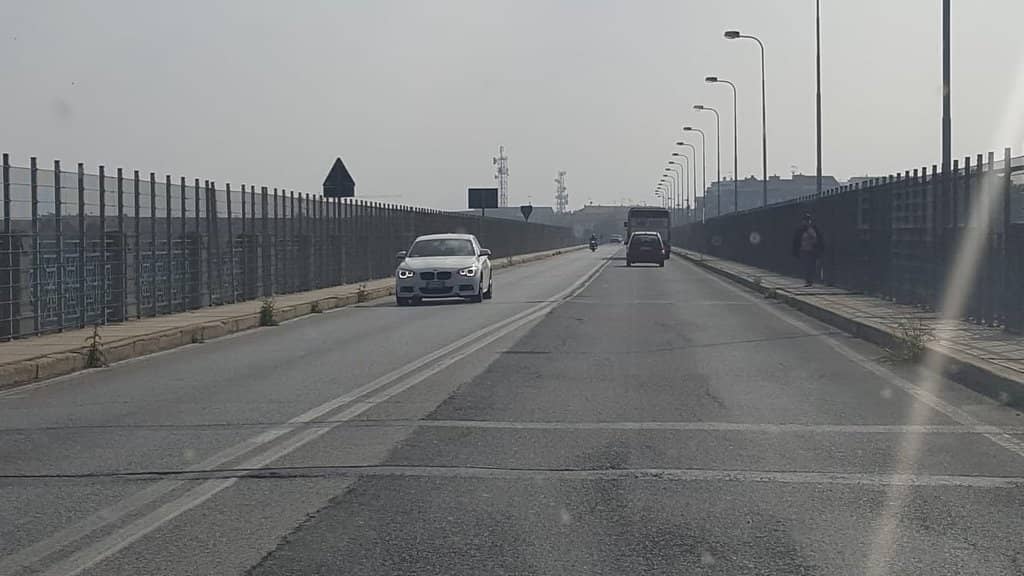
Historical Significance
Viaduct and surrounding areas
Discover its construction during the Fascist era and its survival through WWII, a symbol of Cuneo's indomitable spirit.
Cycle Path Views
Dedicated cycle path
Enjoy unique perspectives and a leisurely ride along the viaduct, perfect for capturing stunning photos.
Plans like a pro.
Thinks like you
Planning Your Visit
A Bridge Through Time
Capturing the Arches
Best Times
Insider Tips
from TikTok, Instagram & Reddit
📸 Photography Hotspots
Explore viewpoints from below, like Basse Sant'Anna, for dramatic arch perspectives. :camerawithflash:
🚲 Cycle Path Access
Utilize the cycle path for unique angles and a pleasant way to experience the viaduct. :athletic_shoe:
📜 Historical Context
Learn about its construction and WWII survival to appreciate its significance. :books:
Tips
from all over the internet
📸 Photography Hotspots
Explore viewpoints from below, like Basse Sant'Anna, for dramatic arch perspectives. :camerawithflash:
🚲 Cycle Path Access
Utilize the cycle path for unique angles and a pleasant way to experience the viaduct. :athletic_shoe:
📜 Historical Context
Learn about its construction and WWII survival to appreciate its significance. :books:
What Travellers Say
Reviews Summary
Visitors praise the Soleri Viaduct as a lovely and historically significant sight, appreciating its well-maintained condition and impressive scale. Its architectural grandeur and resilience through wartime are frequently highlighted, making it a compelling subject for photography and a symbol of Cuneo's enduring spirit.
"Lovely sight."
Liz A.
"Love old viaducts.. And this one looks in great condition"
Jo Moldo
"The Soleri Viaduct is a road viaduct (768 m) and a railway viaduct (858 m). It consists of 34 arches, with reinforced concrete pillars.
Its construction began in 1913, but was completed during the Fascist era. The street lamps at the sides of the road entrances were replaced by fasces in pink Baveno granite with bronze decorations, which rested on marble bases bearing the inscription "DUX." At the end of Fascism, these were removed.
It was bombed and mined during the Second World War, but always resisted. It was only inaugurated in 1948. Now, it also finally has a cycle path.
Among the images, we tried to capture different perspectives by admiring its arches... from below the Basse Sant'Anna."
Shadow JenGi
What People Like
What People Dislike
Frequently Asked Questions
🚇 🗺️ Getting There
The Soleri Viaduct is accessible by car and is a prominent landmark in Cuneo. Public transport options might be available to reach the city center, from where you can walk or cycle to the viaduct. Parking availability should be checked in advance, especially during peak seasons.
Parking availability can vary. It's advisable to look for public parking areas in Cuneo and then walk or cycle to the viaduct. Some local advice suggests checking for parking near the Basse Sant'Anna area for good views.
Yes, if you are in Cuneo's city center, walking to the Soleri Viaduct is feasible and a great way to see the city. The viaduct itself is also pedestrian-friendly, especially with the addition of a cycle path.
🎫 🎫 Tickets & Entry
No, the Soleri Viaduct is an open-air structure and generally does not require an entrance ticket for viewing or walking/cycling across it. It's a public infrastructure.
As an outdoor public structure, the Soleri Viaduct is accessible at all times. However, for the best experience and safety, visiting during daylight hours is recommended.
There is no admission fee to visit or cross the Soleri Viaduct. It is a public road and railway viaduct accessible to everyone.
📸 📸 Photography
For stunning photos, try viewpoints from below, such as the Basse Sant'Anna area, to capture the scale of the arches. The cycle path also offers unique perspectives looking along the viaduct. Early morning or late afternoon light can create dramatic effects.
Drone regulations can be complex and vary by location. It's essential to check current local drone laws and obtain any necessary permits before flying a drone near the Soleri Viaduct.
The 'golden hours' around sunrise and sunset offer the most beautiful light for photography, casting a warm glow on the structure. Midday can be harsh, but still offers good visibility of the arches.
🎫 🏛️ History & Architecture
Construction of the Soleri Viaduct began in 1913, but it was completed during the Fascist era and officially inaugurated in 1948 after facing significant challenges, including bombing during World War II.
The Soleri Viaduct is a significant example of early 20th-century engineering, characterized by its reinforced concrete construction and numerous arches. It reflects the architectural and engineering trends of its time.
The viaduct has a storied past, including its construction during the Fascist regime (with fasces decorations at the entrances, later removed) and its resilience during World War II when it was bombed but not destroyed. It stands as a symbol of Cuneo's history.
For Different Travelers
Tailored advice for your travel style
👨👩👧 Families with Kids
For a more immersive experience, discuss the viaduct's history with your children – its construction, its role in wartime, and how it has evolved. This can turn a simple visit into a memorable history lesson. Ensure comfortable walking shoes are worn, as exploring the different viewpoints can involve some walking.
📸 Photography & Videography Buffs
Experiment with different times of day to capture the changing light. Golden hour (sunrise and sunset) will bathe the concrete in warm hues, while midday can offer stark contrasts. The cycle path provides a dynamic element for capturing movement and a sense of journey across the structure. Don't forget to explore the historical elements, such as the remnants of its past, to add narrative depth to your visuals.
Deep Dives
In-depth insights and expert knowledge
The Engineering Marvel of Soleri Viaduct
During World War II, the viaduct faced significant threats, having been bombed and mined. Its survival through these turbulent times has cemented its status as a symbol of resilience for the city of Cuneo. The original street lamps at the road entrances were notably replaced by fasces, a symbol of the Fascist regime, adorned with bronze and granite, further embedding the viaduct in the historical narrative of Italy. These were, of course, removed after the war, marking a shift in its historical context.
Today, the Soleri Viaduct continues to serve its purpose, with the addition of a cycle path enhancing its accessibility and appeal for recreational use. This modern addition allows visitors to experience the viaduct from a new perspective, appreciating its scale and architectural grandeur while enjoying the surrounding landscape. Its enduring presence makes it a significant landmark for both locals and tourists interested in industrial heritage and architectural history.
Photography and Videography Opportunities
Travelers and creators often recommend exploring viewpoints from below the viaduct, particularly from areas like Basse Sant'Anna. This vantage point allows for dramatic shots looking up at the arches, emphasizing their height and the viaduct's massive presence. The interplay of light and shadow beneath the arches can create compelling visual narratives, especially during the golden hours of sunrise and sunset.
The addition of a cycle path on the viaduct itself offers another dimension for capturing unique content. Cyclists and pedestrians can document their journey across the structure, providing a sense of movement and scale. Wide-angle lenses are ideal for capturing the full sweep of the arches, while telephoto lenses can isolate specific architectural details or distant views. The historical context of the viaduct also adds a layer of depth for storytellers and visual artists.
Social
from TikTok, Instagram & Reddit