Pieve dei SS. Tommaso e Ansano Castelvecchio
An ancient Lombard-Romanesque parish church in Tuscany, famed for its unique summer solstice light phenomenon and rich history.
Highlights
Must-see attractions

Social
From TikTok & Reddit
Best Time
Witness the magical light phenomenon
Pieve dei SS. Tommaso e Ansano Castelvecchio
Best Time
Witness the magical light phenomenon
Highlights
Must-see attractions
An ancient Lombard-Romanesque parish church in Tuscany, famed for its unique summer solstice light phenomenon and rich history.
"A beautiful, small, Romanesque parish church with a unique solar phenomenon during the summer solstice."
📞 Call for Interior Access
If the door is locked, try calling the number on the sign to arrange an interior visit.
☀️ Solstice Event Info
Check local event listings for guided tours or special activities during the summer solstice.

Quick Facts
Hours
Rating
4.6 · 75 reviews
Type
Church
Highlights
Discover the most iconic attractions and experiences
Summer Solstice Light Phenomenon
Crypt entrance
Witness a beam of sunlight illuminate the crypt during the summer solstice, a symbol of rebirth and resurrection.
Romanesque Architecture
Exterior and interior
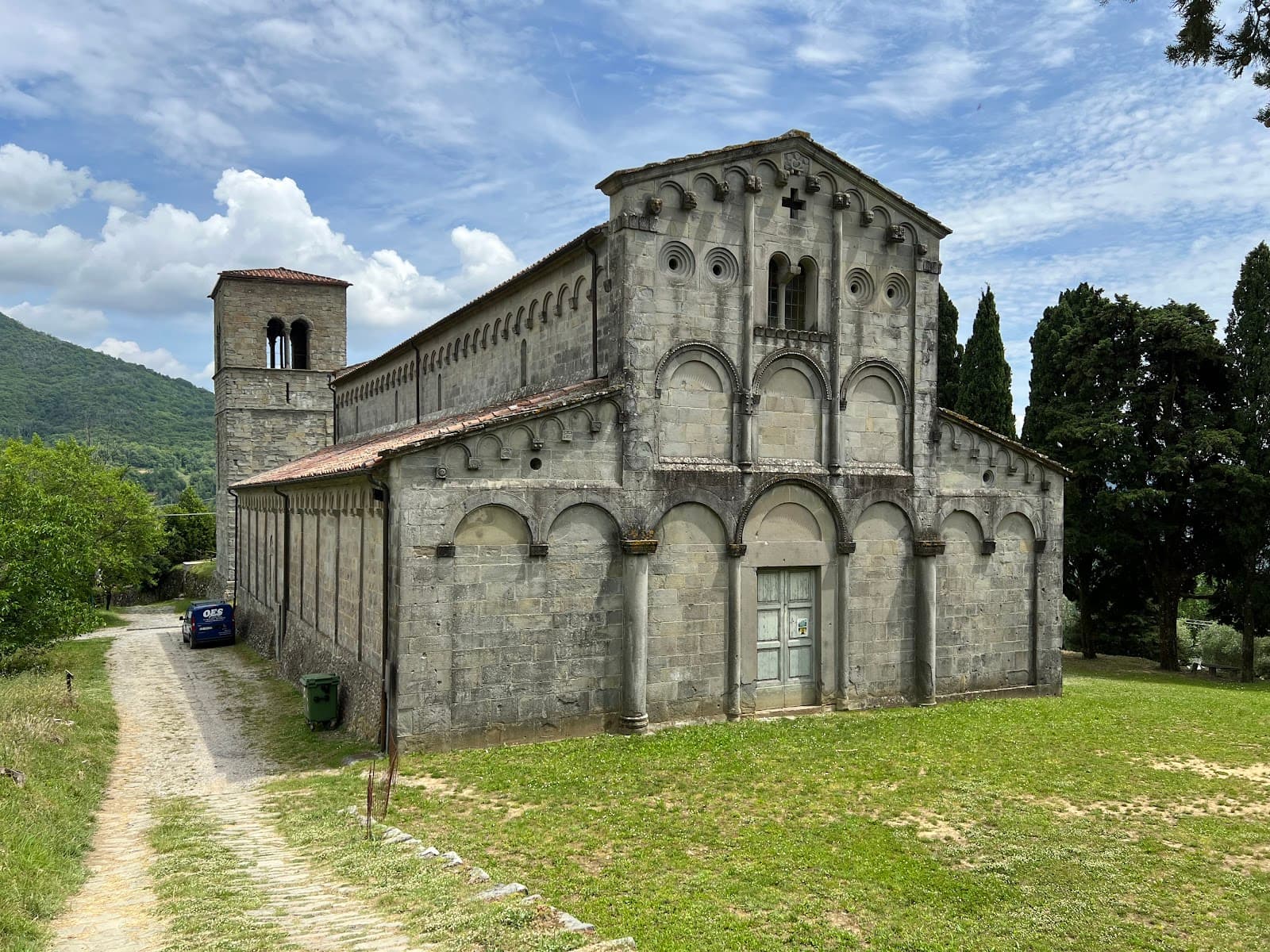
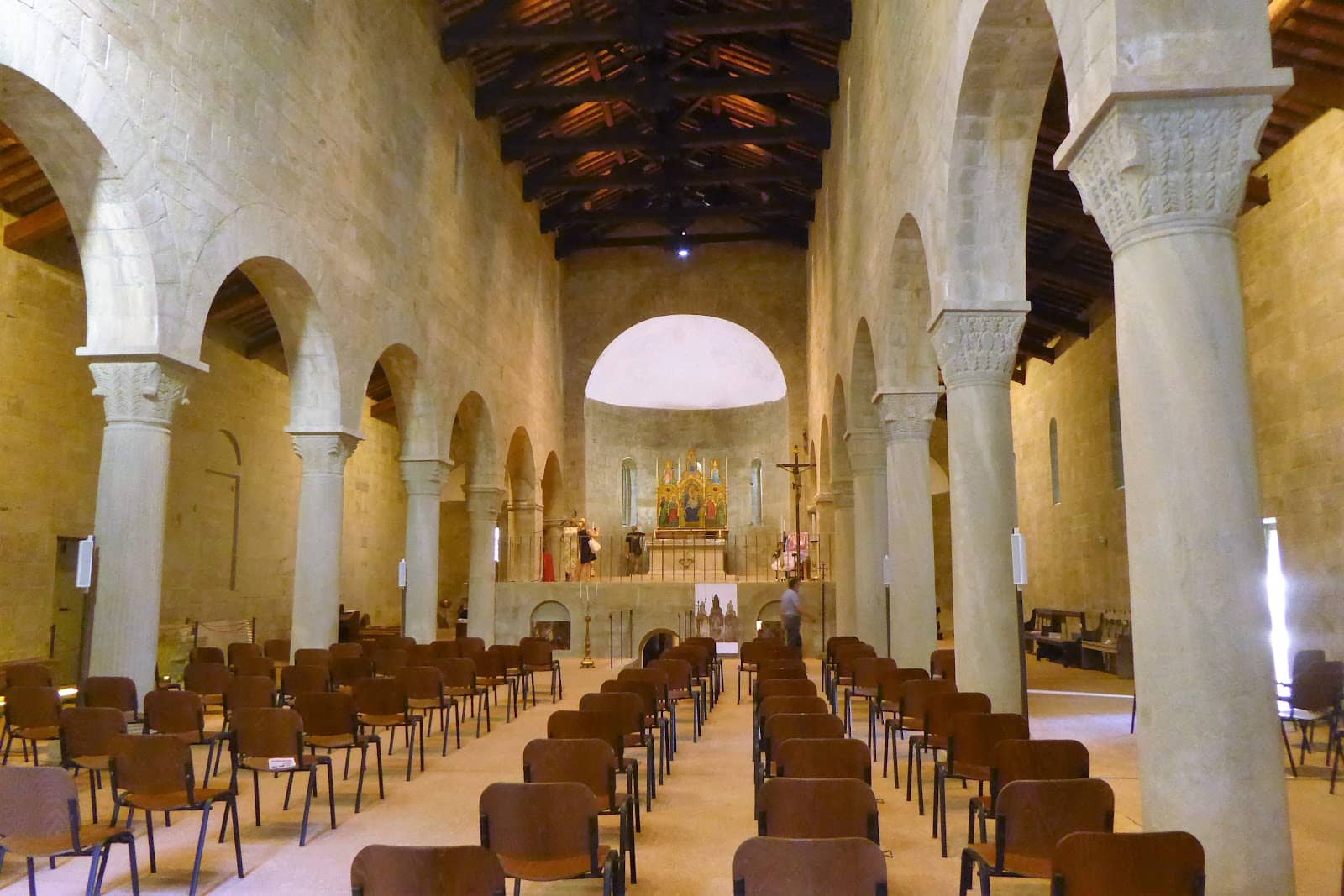
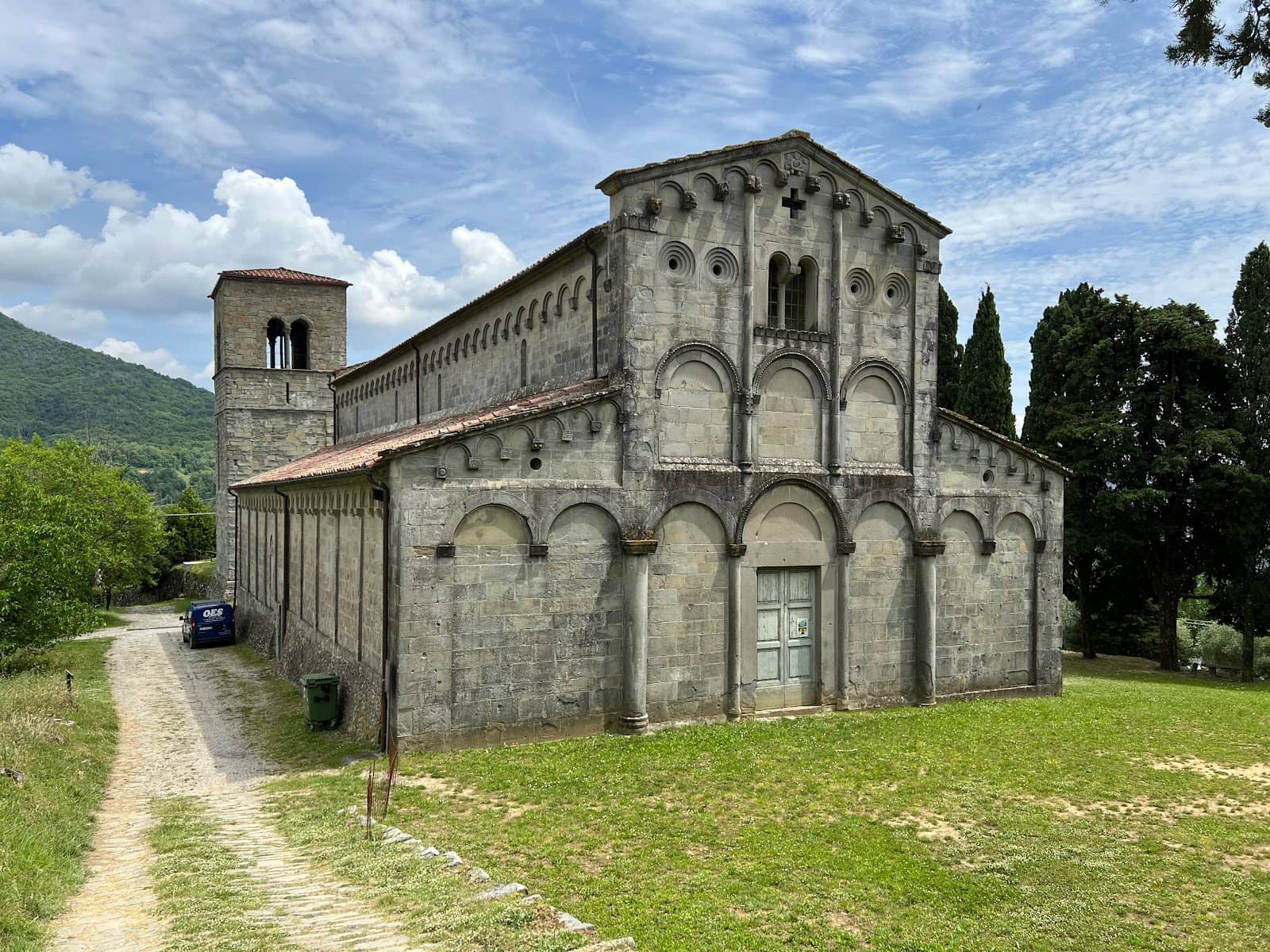
Admire the ancient stone basilica, featuring three apses, a main entrance facade, and a detached bell tower.
Symbolic Stone Carvings
Facade and capitals
Discover zoomorphic and anthropomorphic figures, including enigmatic three-figure carvings with debated meanings.
Detached Bell Tower
East of the chancel
A freestanding Romanesque bell tower, possibly a former Roman-era watchtower, that chimes the hours.
Plans like a pro.
Thinks like you
Planning Your Visit
Timing Your Visit for the Light Phenomenon
Accessing the Interior
Best Times
Insider Tips
from TikTok, Instagram & Reddit
📞 Call for Interior Access
If the door is locked, try calling the number on the sign to arrange an interior visit.
☀️ Solstice Event Info
Check local event listings for guided tours or special activities during the summer solstice.
👟 Comfortable Walking Shoes
The area around the Pieve involves some walking, so wear comfortable shoes.
📸 Capture the Details
Bring your camera to photograph the unique Romanesque architecture and symbolic carvings.
Tips
from all over the internet
📞 Call for Interior Access
If the door is locked, try calling the number on the sign to arrange an interior visit.
☀️ Solstice Event Info
Check local event listings for guided tours or special activities during the summer solstice.
👟 Comfortable Walking Shoes
The area around the Pieve involves some walking, so wear comfortable shoes.
📸 Capture the Details
Bring your camera to photograph the unique Romanesque architecture and symbolic carvings.
What Travellers Say
Reviews Summary
Visitors praise the Pieve dei SS. Tommaso e Ansano Castelvecchio for its beautiful Romanesque architecture and historical significance. The unique summer solstice light phenomenon is a major draw, offering a memorable experience. While interior access can sometimes be challenging, the overall atmosphere and ancient charm are highly appreciated.
"A beautiful, small, Romanesque parish church. It likely dates from the 12th century, although some mentions are even earlier.
A stone basilica, oriented (with the chancel facing east). The eastern façade is enriched by three apses; the western façade has the main entrance.
To the east of the chancel is a freestanding bell tower, also Romanesque. The clock strikes the hours and chimes every half hour.
To the west of the church is a modest monument, an obelisk commemorating the victims of World War I."
Paweł Piotr Sucholeski
"Unfortunately, I wasn't able to visit the interior, but you can do so by calling a cell phone number listed on a small sign on the Pieve's door.
Its origins date back to the Lombard era; the first documented reference appears to date back to 879 AD, when the bishop of Lucca, Gherardo, granted (with a formal contract) some of the parish's property to two brothers, thus certifying its existence. Since then, the importance of the parish has been well documented by countless other documents, which attest to its centrality not only religiously but also juridically. A turning point in the history of the parish church was marked by the establishment of the Diocese of Pescia in 1519. While until then the church had maintained a centralized role, governing numerous minor parishes located in neighboring towns (for example, San Frediano di Aramo, San Martino a Medicina, Sant'Andrea di Pontito, and San Pietro a Lucchio), from that moment on it was included in the new Diocese, thus inexorably losing its importance.
I'm including some photos; those depicting the interior I found online."
Andrea Pompilii
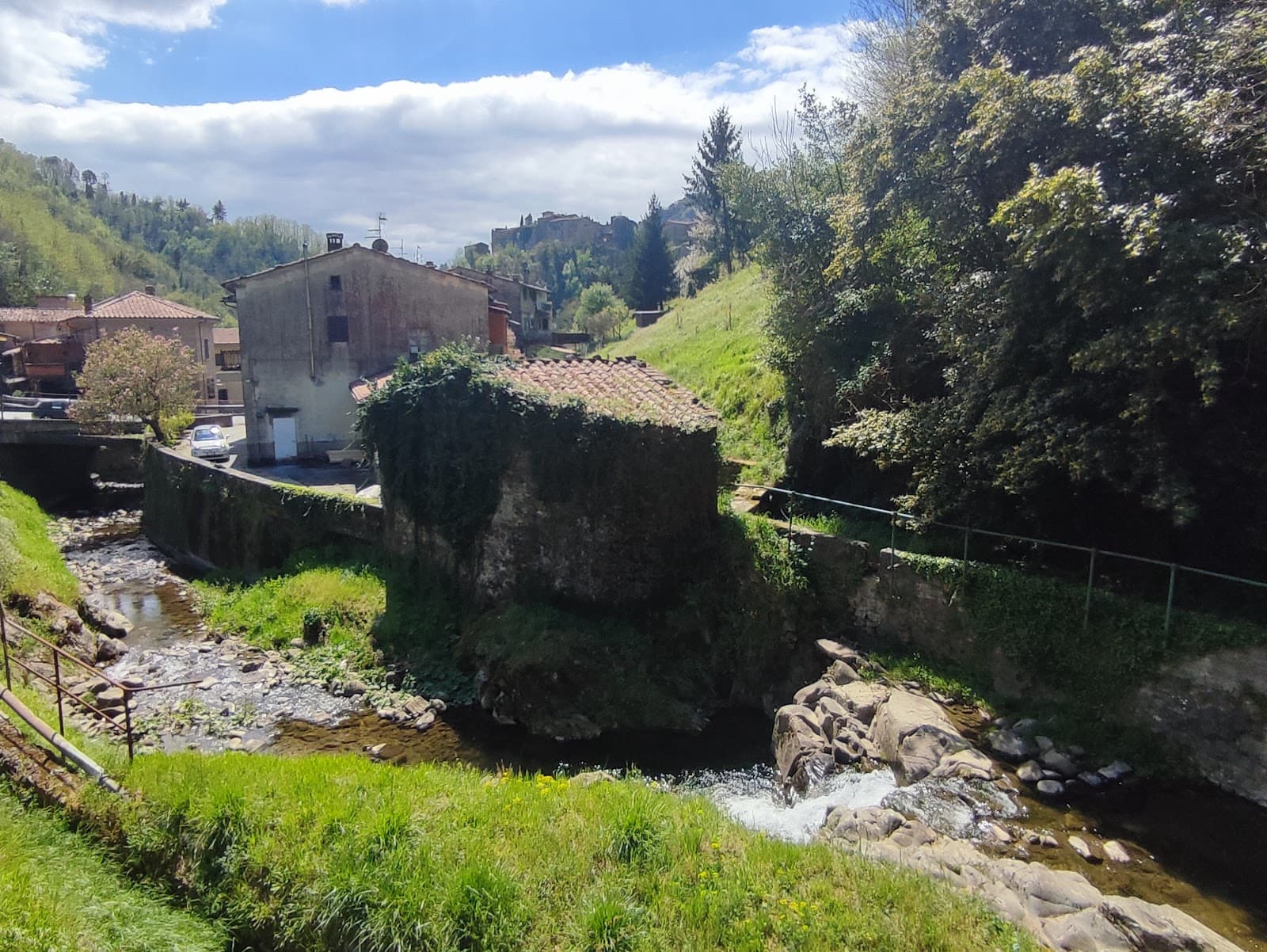
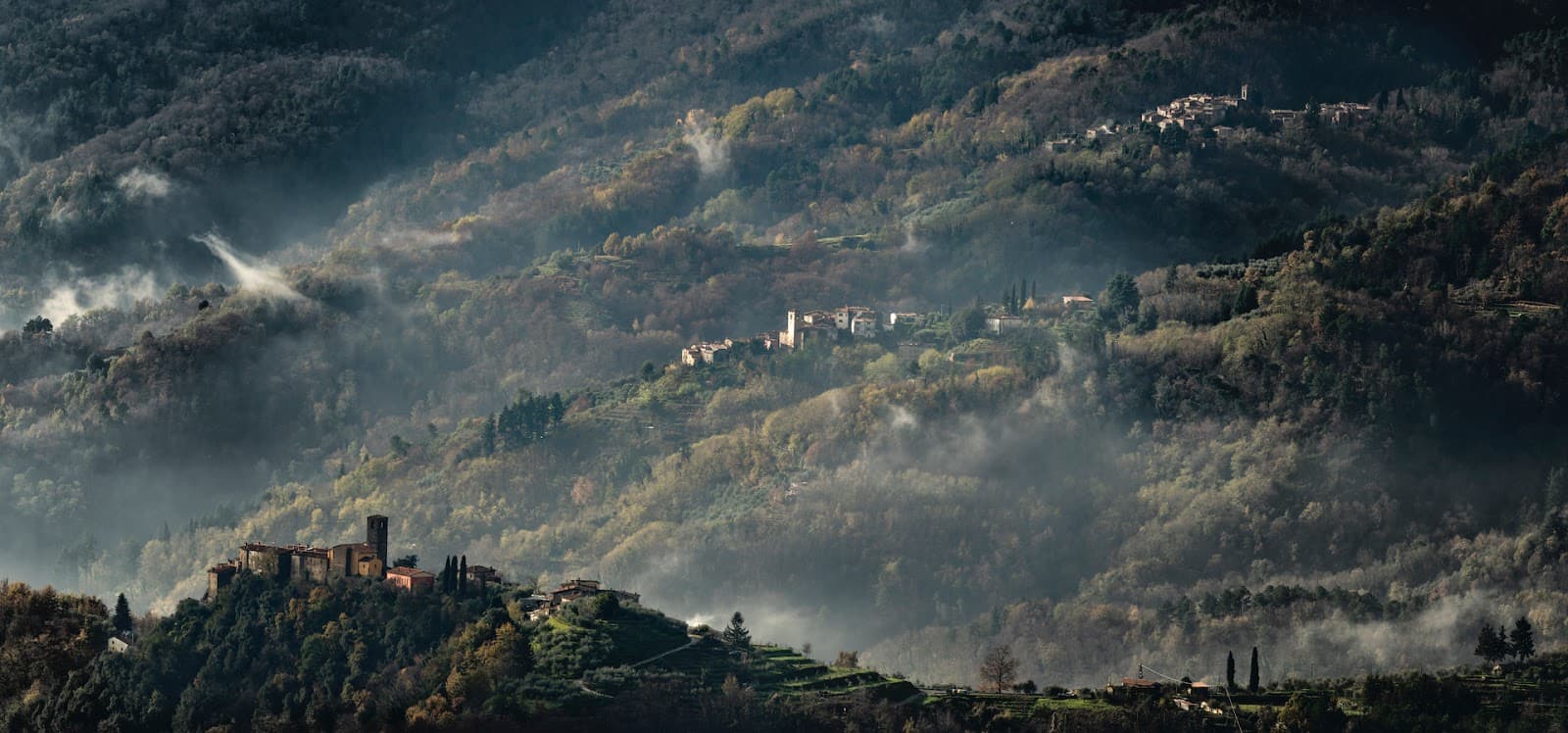
"The Parish Church of Saints Ansano and Tommaso is located in Castelvecchio di Pescia, in what is known as the Svizzera Pesciatina... on the route of the 10 Castella. But let's proceed in order. The Parish Church is located outside the village, in an elevated and dominant position, and is very ancient (hypotheses regarding its construction range between the 9th and 12th centuries). It is based on an ancient document from 879 AD and from surveys carried out beneath the Church... it was certainly a point of reference for the entire Valleriana. In fact, based on its location and proximity to an ancient road that connected Pescia to Lucchio (a branch of the Via del Brennero), it has been hypothesized that it was a passage point for pilgrims on the Via Francigena (the presence of symbols such as the shape of an inverted 8, symbolizing infinity, some figures in the capitals, and the reference to the number 3 would suggest this). The parish church, in Lombard-Romanesque style, was built with stone from nearby quarries by craftsmen from Pisa and Lucca and faces east, as was the ancient custom. This allows, during the summer solstice (9:00 a.m. and 6:00 p.m. solar time), a beam of light to strike the entrance to the crypt, located beneath the presbytery. Legend has it that it arose on the site where Saint Ansanus retreated to pray. During the winter solstice, a ray of light illuminates the interior of the crypt. The façade features zoomorphic and anthropomorphic figures, but above all, three figures, present both on the façade and the back, perhaps representing Jesus with the Virgin Mary and Mary Magdalene; perhaps God with Adam and Eve, or simply praying... it is unknown. According to popular tradition, it is instead the "White Death." The central figure is said to be the master bricklayer who died falling from the building, perhaps at the hands of the devil, depicted in the monstrous figures below. This is intended to commemorate the sacrifice of those who lost their lives building the House of God. The interior, with three naves, is punctuated by columns with decorated capitals and round arches. The presbytery is elevated above ground level and is accessed via side stone stairs. Below the presbytery is the magnificent crypt. The roof is trussed. It was first restored in 1875, when the parish church was declared a National Monument, then during the two world wars, and in modern times, between 1978 and 2006. During various interventions, the Baroque altars were removed to restore the structure to its original state; the façade was rebuilt and the main staircase was removed in favor of side staircases, which overall retained the Lombard-Romanesque style, but... the restoration... was so-so. The 14th-century triptych, perhaps by Nanni di Jacopo, was in very poor condition and was removed and replaced with a copy. The bell tower, only 13 meters high, is likely a Roman-era watchtower and is detached from the main body of the parish church. Its decline began in 1519, when the Diocese of Pescia was established. The village is also interesting. Its layout is fan-shaped, perched for defensive reasons, with a single entrance door (the hinges are still present) leading to a maze of streets. Here is the Church of San Giovanni Battista. Of note is a 16th-century altarpiece (Madonna and Child with Saints John and Thomas) from the parish church, and a 17th-century Suffering Christ. Below the church, accessed via a slip road, is the Oratory of the Holy Rosary. Entirely decorated with stories of Christ and the Virgin, the frescoes were made visible during some local events. In 2007, a meticulous restoration was funded, allowing us to appreciate this little gem today. Until the 20th century, the Oratory was home to the Compagnia del SS Rosario, then in 1980 it passed to the Misericordia di Castelvecchio. The area is called Svizzera Pesciatina (Pesciatina Switzerland) because it was named after the Swiss exile Sismonde de Sismondi, perhaps feeling at home there... it was the 18th century."
Michele De Gruttola
What People Like
What People Dislike
Frequently Asked Questions
🚇 🗺️ Getting There
The Pieve is located in Castelvecchio di Pescia, within the Svizzera Pesciatina region. It's best accessed by car, with parking available nearby. Public transport options are limited, so check local bus schedules if relying on them.
The church is situated outside the main village of Castelvecchio, in an elevated position. Follow signs for the Pieve or use GPS coordinates for accurate navigation.
Yes, Castelvecchio di Pescia and the Pieve can be visited as a day trip from nearby cities like Lucca or Florence, though it's recommended to allow ample time for exploration.
🎫 🎫 Tickets & Entry
There is no admission fee to visit the exterior of the Pieve. For interior access, you may need to call a number posted on the door.
The exterior is always accessible. Interior visiting hours are not fixed and may require arranging a visit by phone.
Yes, it is possible to visit the interior, but you might need to call a specific phone number listed on the church door to arrange access.
The most notable event is the summer solstice phenomenon. It's advisable to check local tourism websites or inquire locally about any guided tours or special events.
🎫 🧭 Onsite Experience
Take your time to admire the Romanesque architecture, explore the exterior details, and if possible, arrange a visit to the interior and crypt.
During the summer solstice, a ray of sunlight passes through a specific point and illuminates the crypt, symbolizing rebirth and resurrection.
The Pieve dates back to at least the 9th century and was a significant religious and juridical center before the establishment of the Diocese of Pescia in 1519.
The surrounding village of Castelvecchio di Pescia is also worth exploring, with its fan-shaped layout and historical buildings.
The exterior is generally accessible, but the interior and crypt may involve stairs and uneven surfaces. It's best to inquire about specific accessibility when arranging an interior visit.
📸 📸 Photography
Capture the exterior's Romanesque facade, the detached bell tower, and the intricate stone carvings. If you gain interior access, photograph the crypt and architectural details.
Photography rules inside churches can vary. It's polite to ask for permission if you're unsure, especially if there are services or other visitors.
Morning light can be beautiful for exterior shots. For the solstice phenomenon, specific times are key.


Social
from TikTok, Instagram & Reddit