Atlit Detainee Camp Museum
A poignant museum preserving the history of Jewish immigrants detained by the British in Atlit, a crucial chapter in Israel's founding.
Highlights
Must-see attractions

Social
From TikTok & Reddit
Best Time
Fewer crowds, more reflective
Atlit Detainee Camp Museum
Best Time
Fewer crowds, more reflective
Highlights
Must-see attractions
A poignant museum preserving the history of Jewish immigrants detained by the British in Atlit, a crucial chapter in Israel's founding.
"A very important heritage site, tells the story of the clandestine aliya to Israel. The place is super interesting!!"
Wear Comfortable Shoes
You'll be doing a lot of walking around the camp grounds. :athletic_shoe:
Allow Ample Time
Give yourself at least 2-3 hours to fully absorb the history and exhibits. :clock:
Highlights
Discover the most iconic attractions and experiences
The Detention Barracks
Main Camp Area
Walk through the preserved barracks where thousands of Jewish immigrants were held. Feel the weight of history in these stark, evocative spaces.

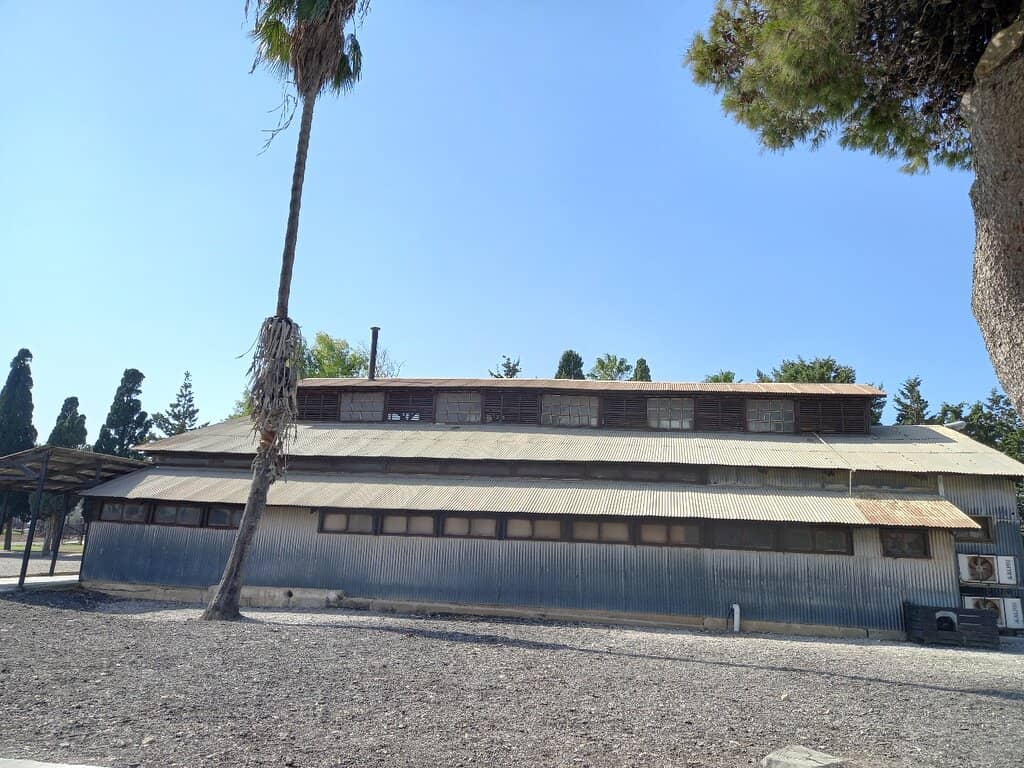
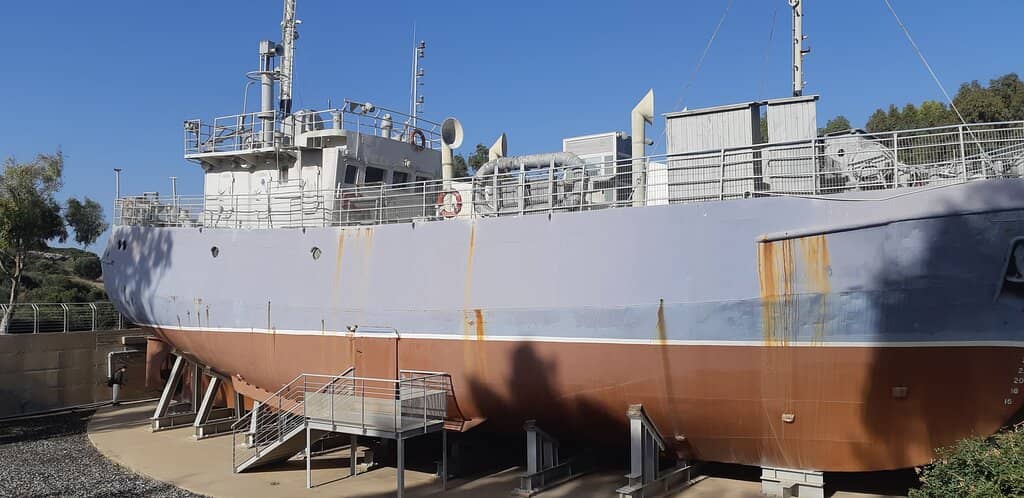
The Immigrant Ship 'Exodus 1947'
Outdoor Exhibit
See a replica of the iconic ship that carried desperate immigrants, symbolizing the clandestine aliyah.
+1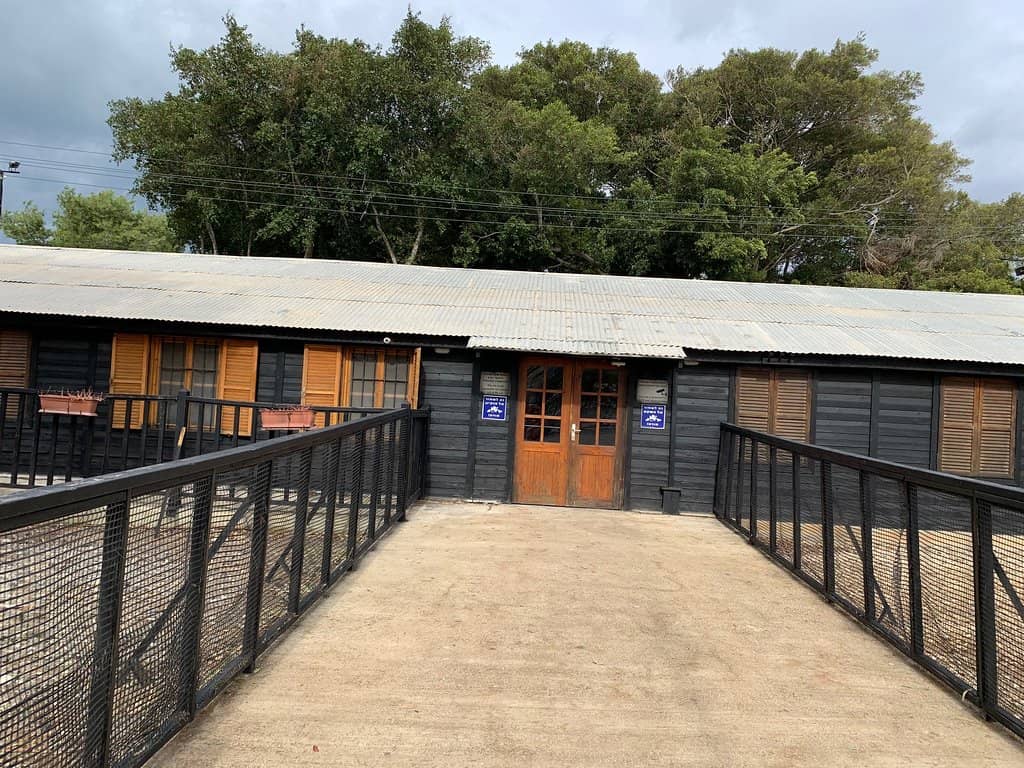
The 'Ma'apilim' Story
Exhibition Halls
Learn about the harrowing journeys and resilience of Jewish refugees seeking a home in Palestine.
Plans like a pro.
Thinks like you
Planning Your Visit
Understand the Historical Significance
Book Guided Tours in Advance
Best Times
Insider Tips
from TikTok, Instagram & Reddit
Wear Comfortable Shoes
You'll be doing a lot of walking around the camp grounds. :athletic_shoe:
Allow Ample Time
Give yourself at least 2-3 hours to fully absorb the history and exhibits. :clock:
Consider a Guided Tour
Guides bring the history to life and offer deeper insights. :bustsinsilhouette:
Bring Water
Especially during warmer months, stay hydrated while exploring the outdoor areas. :droplet:
Tips
from all over the internet
Wear Comfortable Shoes
You'll be doing a lot of walking around the camp grounds. :athletic_shoe:
Allow Ample Time
Give yourself at least 2-3 hours to fully absorb the history and exhibits. :clock:
Consider a Guided Tour
Guides bring the history to life and offer deeper insights. :bustsinsilhouette:
Bring Water
Especially during warmer months, stay hydrated while exploring the outdoor areas. :droplet:
What Travellers Say
Reviews Summary
Visitors consistently praise the Atlit Detainee Camp Museum as a 'very important heritage site' that offers a deep dive into the history of clandestine immigration to Israel. Many highlight the moving and educational experience, with guides often cited for bringing the stories to life. While the subject matter is somber, the museum is considered a must-visit for understanding Israel's past.
"A detention center for illegal Jewish immigrants, known as “ma’apilim”. Before and during World War II, thousands of Jewish people were fleeing their homes trying to escape persecution and concentration camps, seeking refuge in Palestine from 1934 to 1948 (which is now the State of Israel). The land was under British Mandate and officials let very few Jewish people into the country legally. Those who did not have a valid permit to be in the country were detained and placed in camps like the one in Atlit.
We had a really good guide bringing us around the place. Getting to know the history of Israel deeper 😊"
Jacob Isaac
"Wonderful museum that tells thehistory of the illegal immigration to Eretz Israel during the British mandate. Worth a visit"
Sandra Aisen
"That space was great, and you can learn so many things about the history of Israel."
Lior Jaglin
What People Like
What People Dislike
Frequently Asked Questions
🚇 🗺️ Getting There
The museum is located near Atlit, south of Haifa. You can reach it by car via Highway 2, taking the Atlit exit. Public transportation options include taking a bus or train to Atlit and then a short taxi ride or walk to the museum.
Yes, there is parking available for visitors at the Atlit Detainee Camp Museum.
Absolutely! It's a popular stop for day trips from both Tel Aviv and Haifa, often combined with other historical sites in the region.
🎫 🎫 Tickets & Entry
Opening hours can vary, so it's best to check the official museum website or contact them directly before your visit. Generally, it's open on weekdays and sometimes on weekends.
Admission fees apply. It's advisable to check the museum's official website for the most current ticket prices and any potential discounts.
While not always mandatory, booking tickets in advance, especially for guided tours, is highly recommended to secure your spot and avoid disappointment.
The museum occasionally hosts special events, exhibitions, and educational programs. Keep an eye on their official channels for announcements.
🎫 🧭 Onsite Experience
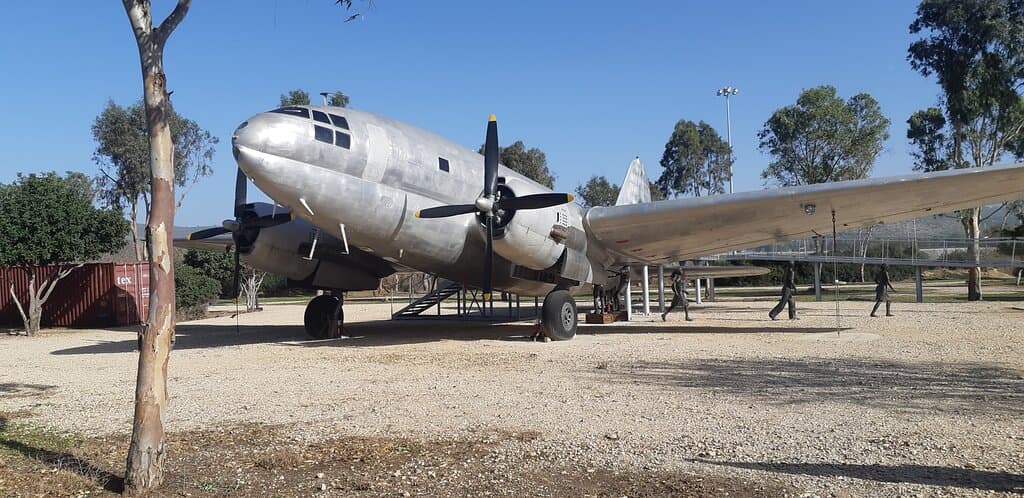
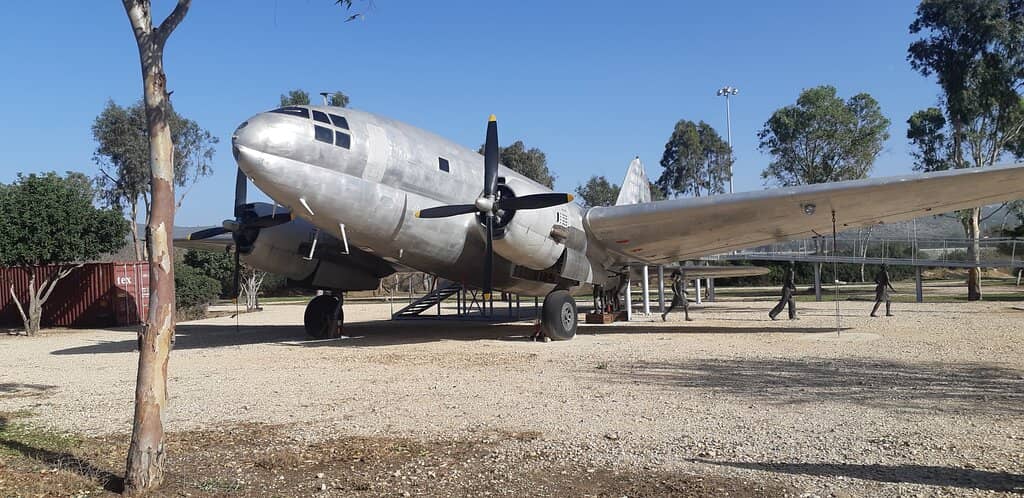
You can explore the preserved detention barracks, learn about the history of clandestine immigration, see exhibits on the lives of the detainees, and view the replica of the immigrant ship 'Exodus 1947'.
Yes, guided tours are highly recommended as they provide in-depth historical context and personal stories from knowledgeable guides.
The museum deals with sensitive historical topics. While educational, it's best suited for older children and teenagers who can grasp the historical context.
Most visitors spend between 2 to 3 hours to fully experience the exhibits and grounds.
Yes, the museum typically offers visitor facilities including restrooms. A gift shop may also be available for souvenirs.
📸 📸 Photography
Photography is generally allowed in most areas for personal use, but it's always good to check for any specific restrictions, especially in exhibition halls.
The preserved barracks, the immigrant ship replica, and the outdoor grounds offer compelling photographic opportunities. Capture the atmosphere and historical remnants.
Drone usage is typically restricted at historical and sensitive sites. It's best to assume drones are not permitted unless explicitly stated otherwise.
For Different Travelers
Tailored advice for your travel style
👨👩👧 Families with Older Children
Focus on the stories of resilience and hope to make the visit more engaging for younger visitors. Consider booking a guided tour, as guides can often tailor their explanations to different age groups, making the complex history more accessible. Discussing the exhibits beforehand can also help prepare children for the sensitive nature of the content.
📚 History Enthusiasts
Engage with the detailed exhibits and consider a guided tour to gain the most comprehensive understanding. The preserved structures and artifacts offer a unique perspective that goes beyond textbook knowledge, allowing for a more profound connection with the past.
Deep Dives
In-depth insights and expert knowledge
The History of Clandestine Immigration
These immigrants, known as 'ma'apilim' (meaning 'those who ascend'), faced perilous journeys and, upon arrival, were often intercepted by British authorities. Instead of being allowed to enter, they were detained and sent to camps, with Atlit being one of the most significant. The museum vividly portrays the harsh conditions, the resilience of the detainees, and their unwavering hope for freedom and a future in Israel.
Visiting the museum offers a profound understanding of this critical chapter in Israeli history. It highlights the immense sacrifices made by those who yearned to return home and the complex political landscape they navigated. The stories shared here are not just historical facts but deeply human narratives of struggle, hope, and the pursuit of a homeland.
Exploring the Camp Grounds
Beyond the barracks, the site includes various other structures and outdoor areas that were integral to the camp's operation. These might include administrative buildings, kitchens, and recreational spaces, all contributing to a comprehensive picture of the detainee experience. The replica of the immigrant ship 'Exodus 1947' is another significant highlight, serving as a powerful symbol of the desperate voyages undertaken by so many.
+1Visitors are encouraged to take their time exploring the grounds, paying attention to the details and the atmosphere. The open spaces, while perhaps appearing serene now, once held immense tension and longing. The museum's layout is designed to guide you through this history, making it an immersive and educational experience.

Social
from TikTok, Instagram & Reddit