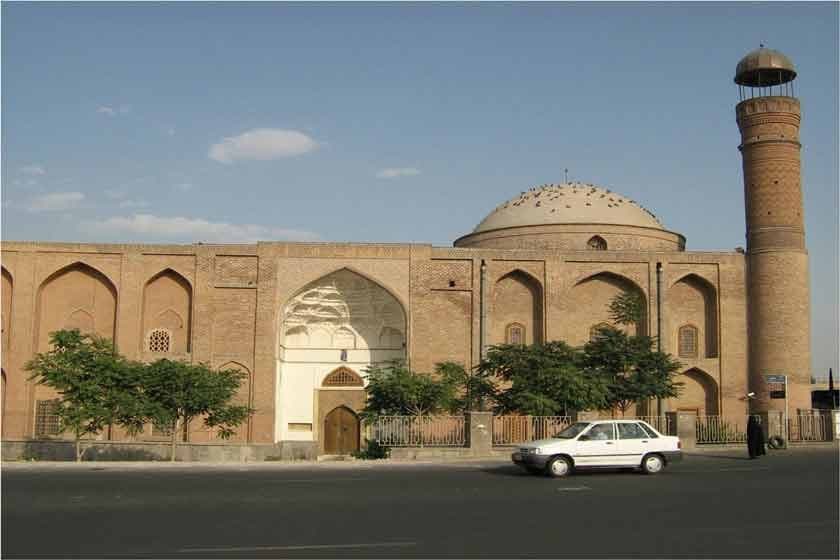
Quran and Manuscripts Museum
Discover ancient Quranic manuscripts and exquisite calligraphy within the stunning Safavid-era Sahib al-Amr Mosque.
Highlights
Must-see attractions

Social
From TikTok & Reddit
Best Time
Fewer crowds, peaceful atmosphere
Quran and Manuscripts Museum
Best Time
Fewer crowds, peaceful atmosphere
Highlights
Must-see attractions
Discover ancient Quranic manuscripts and exquisite calligraphy within the stunning Safavid-era Sahib al-Amr Mosque.
"A spiritual and artistic journey through centuries of Islamic heritage."
📸 Capture the Calligraphy
Photography is often allowed, but check for restrictions. Focus on the intricate calligraphy and artistic details.
🚶♀️ Explore the Mosque
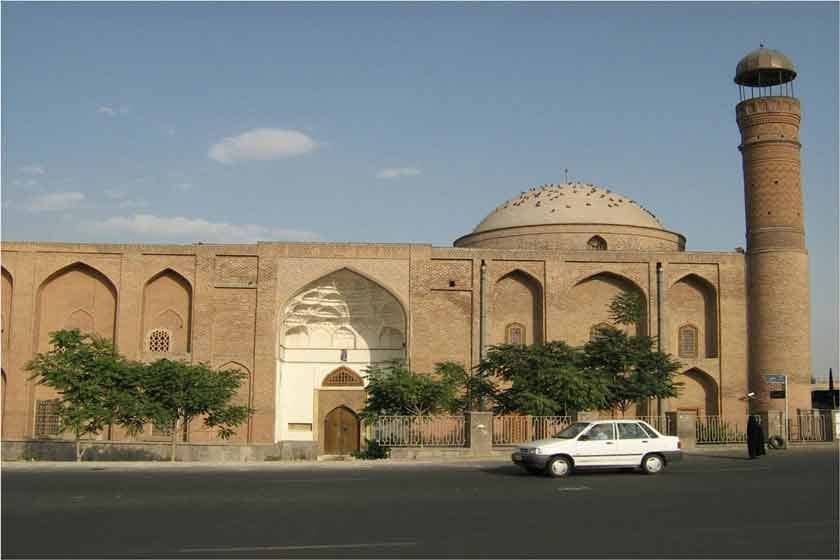
Don't miss the beautiful Safavid architecture of the Sahib al-Amr Mosque surrounding the museum.
Highlights
Discover the most iconic attractions and experiences
Ancient Quranic Manuscripts
Main Exhibition Halls
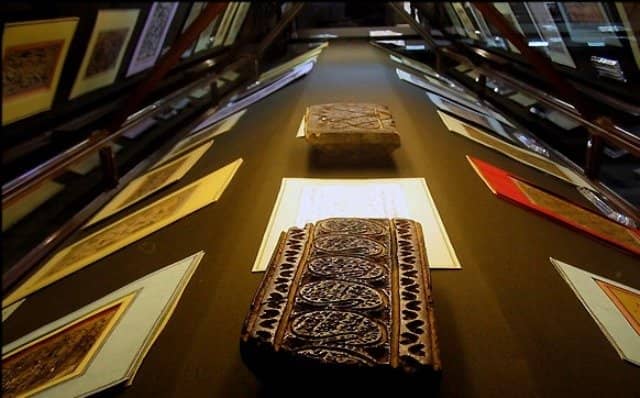
Marvel at centuries-old Qurans, some handwritten by renowned calligraphers. A true testament to Islamic art and history.
Imam Reza's Handwriting
Special Collection
See a rare piece of hide believed to bear the handwriting of Imam Reza (AS). A deeply spiritual artifact.
Smallest Gilded Quran
Display Case
Witness the incredible detail of the smallest gilded Quran in Iran, a miniature masterpiece of calligraphy.
Safavid Architecture
Sahib al-Amr Mosque
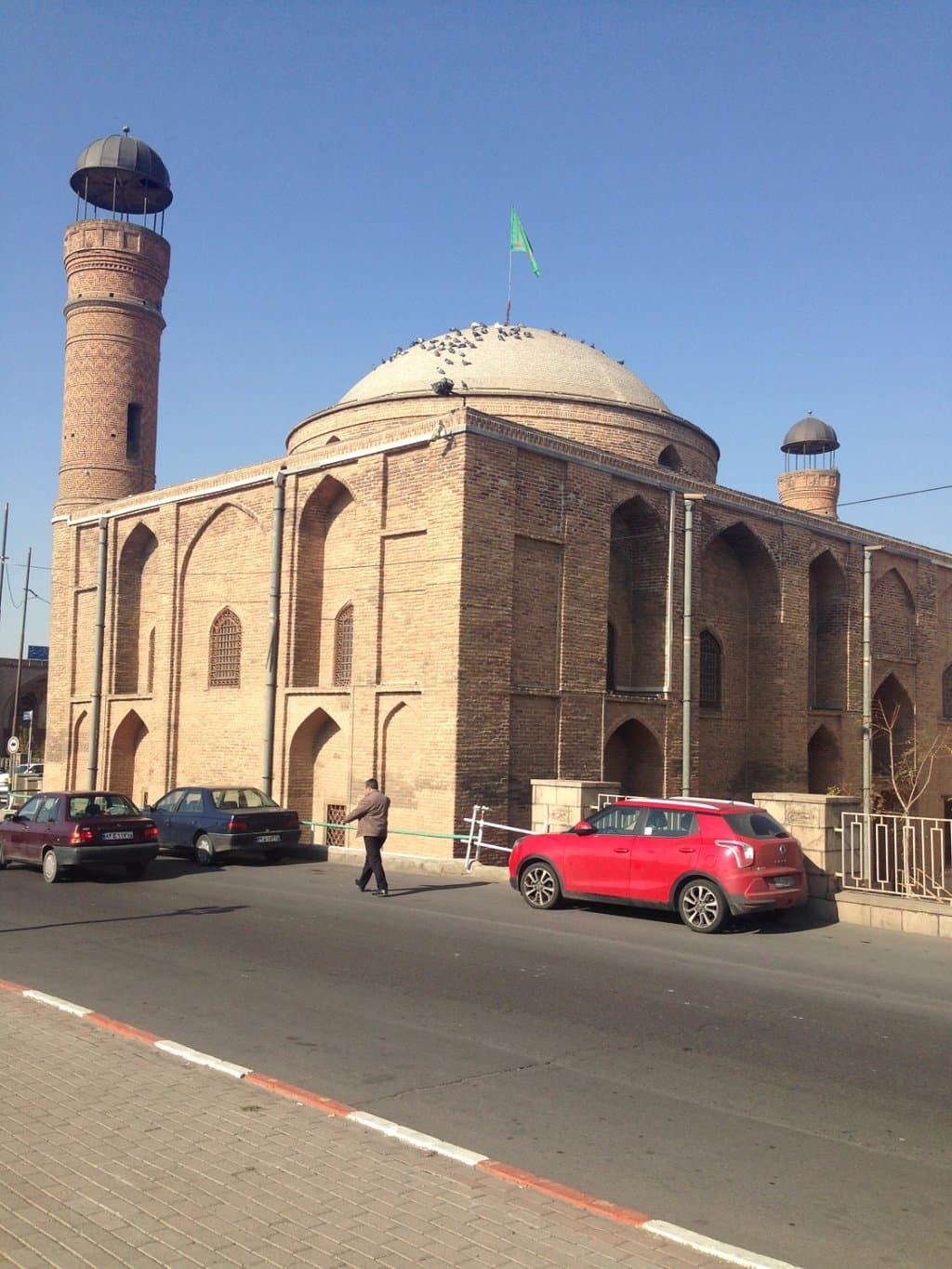
Admire the stunning Safavid architecture of the Sahib al-Amr Mosque, where the museum is housed.
Plans like a pro.
Thinks like you
Planning Your Visit
Timing Your Visit
Respectful Attire
Best Times
Insider Tips
from TikTok, Instagram & Reddit
📸 Capture the Calligraphy
Photography is often allowed, but check for restrictions. Focus on the intricate calligraphy and artistic details.
🚶♀️ Explore the Mosque
Don't miss the beautiful Safavid architecture of the Sahib al-Amr Mosque surrounding the museum.
🧐 Read the Exhibit Notes
Take time to read the descriptions to understand the historical context and significance of each manuscript.
🙏 Dress Modestly
Ensure shoulders and knees are covered out of respect for the religious artifacts.
Tips
from all over the internet
📸 Capture the Calligraphy
Photography is often allowed, but check for restrictions. Focus on the intricate calligraphy and artistic details.
🚶♀️ Explore the Mosque
Don't miss the beautiful Safavid architecture of the Sahib al-Amr Mosque surrounding the museum.
🧐 Read the Exhibit Notes
Take time to read the descriptions to understand the historical context and significance of each manuscript.
🙏 Dress Modestly
Ensure shoulders and knees are covered out of respect for the religious artifacts.
What Travellers Say
Reviews Summary
Visitors praise the museum for its significant collection of ancient Quranic manuscripts and the impressive artistry of Islamic calligraphy. The unique artifacts, like the smallest gilded Quran and Imam Reza's handwriting, are highlighted as particularly moving. The setting within the beautiful Safavid-era Sahib al-Amr Mosque adds to the overall cultural and historical appeal of the visit.
"Located on the site of Sahebalamr Mosque, in Tabriz, the museum boasts of a fantastic collection of Qur’anic manuscripts related to different periods of history, with a display of beautiful pieces of calligraphy.
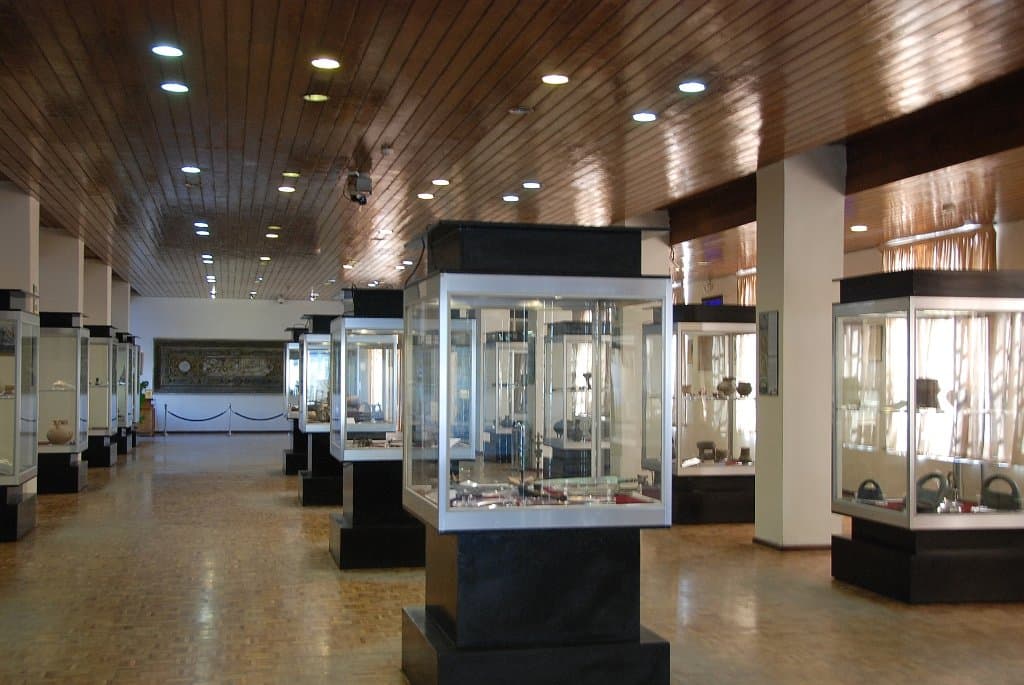
On display are an array of miniature paintings, metal sheets engraved with prayers, intricately hand decorated penholders, and elaborate pieces of pottery.
Among the museum’s most prized possessions is a sample of what is thought to be Imam Reza’s (AS) own handwriting on a piece of hide.
Copies of the holy Qur’an by famous calligraphers are showcased at the museum, including handwritten works by the likes of Mullah Abdul Baghi-Tabrizi who was the master of Thuluth - a large and elegant, cursive calligraphic script, used in medieval times on mosque decorations, thought to be invented by the Persian Ibn Muqlah Shirazi in the 11th century CE. There are also works by a master of Naskh, Mirza Tahir Khoshnevis,which is a modification of the Thuluth calligraphic style resulting in a smaller size and greater finesse, according to Makanbin, the official West Azerbaijan tourism site.
Other works of prominence include: clothing adorned with the entire Qur’an inscribed on its cloth, an example of the smallest gilded Qur’ans, and a stone carved inscription is cuneiform.
The mosque is a typical example of Safavid architecture, and was officially registered as a national heritage site in 2001."
D Rahbar
"The Quran and Calligraphy Museum is one of the most attractive museums in Tabriz, which opened its doors to visitors in 2001. As the name of the museum suggests, the subject of its works includes old Qurans and unique manuscripts of great calligraphers. In the Quran and Calligraphy Museum, about 190 old Qurans and manuscripts can be seen, including the smallest gilded Quran in Iran and the handwritten Quran known as Imam Reza (AS) on deer skin. In addition to the aforementioned works, various engraved pen cases, porcelain and earthenware decorated with Quranic verses from the Islamic period are also displayed in this museum. It is worth mentioning that this museum is located in one of the famous and old mosques in Tabriz, called Sahib al-Amr Mosque, whose construction history dates back to the era of Shah Tahmasp Safavi. The unique stucco work, decorations, and architecture of this mosque are very impressive and interesting on their own, and combining them with the works on display in the Quran and Calligraphy Museum doubles the value of visiting this complex."
Saeed Garaaghaji
"Pleasant surprise! I'm asked when I was there? I wasn't there, I saw photos here on the posts page - tabrizcartoons. Congratulations and good luck! 13.11.2024."
Nicolae Viziteu
What People Like
What People Dislike
Frequently Asked Questions
🚇 🗺️ Getting There
The museum is located within the Sahib al-Amr Mosque in Tabriz. You can reach Tabriz by air, train, or bus. From the city center, local taxis or ride-sharing services are readily available to take you to the mosque.
While there might not be direct bus routes to the mosque itself, Tabriz has a metro system and bus network. You can take a bus or metro to a nearby station and then a short taxi ride to the Sahib al-Amr Mosque.
Using a GPS app on your phone is highly recommended. Taxis are also a convenient option for tourists. Asking locals for directions to Sahib al-Amr Mosque is also a good strategy.
Parking availability can be limited in the city center. It's advisable to check with your accommodation or local sources for the nearest public parking areas to the Sahib al-Amr Mosque.
Depending on your starting point, it might be a considerable walk. If you enjoy walking and exploring, it could be an option, but factor in time and the weather.
🎫 🎫 Tickets & Entry
Opening hours can vary, especially around religious holidays. It's best to check the most current information closer to your visit, as they are housed within a mosque.
Admission fees are generally modest for museums in Iran. Specific pricing details should be confirmed upon arrival or through official tourism websites.
Advance booking is typically not required for this museum. However, for special exhibitions or during peak tourist seasons, it's always a good idea to check if pre-booking is recommended.
Visitors are expected to dress modestly, covering shoulders and knees. Shoes are usually removed before entering prayer areas or certain exhibition spaces within the mosque.
Accessibility can vary in older buildings. While the mosque is a historical site, inquire about specific accessibility features for the museum sections if needed.
🎫 🧭 Onsite Experience
Don't miss the ancient Quranic manuscripts, the believed handwriting of Imam Reza (AS), and the smallest gilded Quran in Iran. The intricate calligraphy and miniature paintings are also highlights.
Photography policies can differ. Generally, photos without flash are permitted in many areas, but it's crucial to observe signage and ask staff if unsure.
A visit can take anywhere from 1 to 2 hours, depending on your interest in calligraphy, history, and the architectural details of the mosque.
Information on guided tours might be limited. It's advisable to inquire at the museum entrance or check with local tour operators in Tabriz.
The mosque itself is a significant example of Safavid architecture, registered as a national heritage site. Its unique stucco work and decorations are impressive.
🍽️ 🍽️ Food & Dining
Typically, museums housed within mosques do not have on-site dining facilities. You'll find numerous restaurants and cafes in the surrounding areas of Tabriz.
Tabriz offers a rich culinary scene, with traditional Iranian dishes, local specialties like 'Kufteh Tabrizi' (Tabrizi meatballs), and various kebabs.
Yes, most Iranian restaurants offer vegetarian dishes like various stews (khoresh) and rice dishes. Vegan options might require specific requests.
Use online review platforms or ask your hotel concierge for recommendations. Exploring the local bazaars often leads to authentic eateries.
Tipping is appreciated but not always mandatory. A service charge might be included in the bill. Rounding up the bill or leaving a small tip for excellent service is common.
📸 📸 Photography
Focus on the intricate details of the manuscripts, the calligraphy, and the architectural elements of the Sahib al-Amr Mosque. The exterior of the mosque also offers great photo opportunities.
Always check for signage regarding photography. Flash photography is usually prohibited to protect the delicate manuscripts.
A versatile lens (like a 24-70mm) is useful for capturing both wide architectural shots and close-ups of manuscripts. A prime lens with a wide aperture can be good for low-light conditions.
Yes, the exterior of the mosque is generally open for photography and offers beautiful architectural views, especially during golden hour.
The unique opportunity lies in capturing the artistry of ancient Islamic calligraphy and the historical significance of the manuscripts, set within a beautiful mosque.
For Different Travelers
Tailored advice for your travel style
👨👩👧 Families with Kids
Consider preparing children beforehand about the importance of the Quran and the art of calligraphy to enhance their understanding and respect during the visit. Keep the visit concise to maintain their engagement. Look for any interactive displays, though these are less common in such specialized museums.
🕌 Religious & History Enthusiasts
The historical context provided by the Sahib al-Amr Mosque, a national heritage site, further enriches the experience. It's a place to connect with centuries of devotion, artistry, and scholarship. The unique artifacts, such as the smallest gilded Quran and Imam Reza's supposed handwriting, add layers of historical and spiritual significance that are deeply compelling.

🎨 Art & Architecture Lovers
Furthermore, the setting within the Sahib al-Amr Mosque provides a magnificent architectural experience. Admire the Safavid-era design, the stucco work, and the overall ambiance of this historical place of worship. The combination of fine art within a grand architectural structure makes for a visually stunning and culturally enriching visit.
Deep Dives
In-depth insights and expert knowledge
The Art of Islamic Calligraphy
Visitors can observe how different styles evolved over centuries, reflecting regional influences and the evolving aesthetic sensibilities of calligraphers. The intricate details, the flow of the ink, and the balance of composition in each piece tell a story of dedication and profound spiritual connection. The museum's collection provides a unique opportunity to delve into the history of the written Quran and the artistic traditions that have safeguarded it.
Architectural Marvel: Sahib al-Amr Mosque
Exploring the mosque itself is an experience that complements the museum visit. The blend of religious artifacts and the spiritual ambiance of the mosque creates a holistic cultural immersion. The architectural details, from the domes to the tilework, reflect the artistic and engineering prowess of the Safavid period. Many visitors find the mosque's beauty and historical significance to be as captivating as the manuscripts displayed within.
Rare and Unique Artifacts
Another remarkable exhibit is the smallest gilded Quran in Iran, showcasing incredible miniaturization and meticulous craftsmanship. The museum also features other fascinating artifacts such as miniature paintings, metal sheets engraved with prayers, intricately decorated penholders, and elaborate pottery adorned with Quranic verses. These diverse items provide a comprehensive look at the artistic expressions associated with the Holy Quran throughout history.
Social
from TikTok, Instagram & Reddit