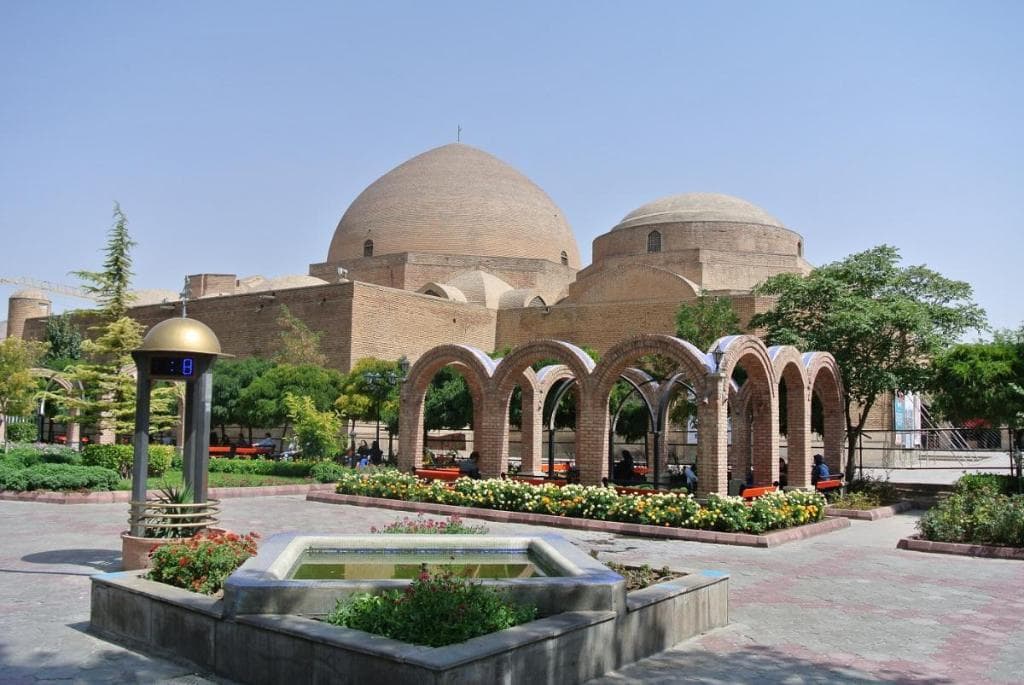
Kabud (Blue) Mosque Tabriz
A 15th-century marvel of Islamic architecture, the Blue Mosque captivates with its surviving turquoise tiles and resilient spirit.
Highlights
Must-see attractions

Social
From TikTok & Reddit
Best Time
Magical light on tiles
Kabud (Blue) Mosque Tabriz
Best Time
Magical light on tiles
Highlights
Must-see attractions
A 15th-century marvel of Islamic architecture, the Blue Mosque captivates with its surviving turquoise tiles and resilient spirit.
"Shattered turquoise tiles whisper tales of Tabriz’s golden age; a stolen piece of the sky."
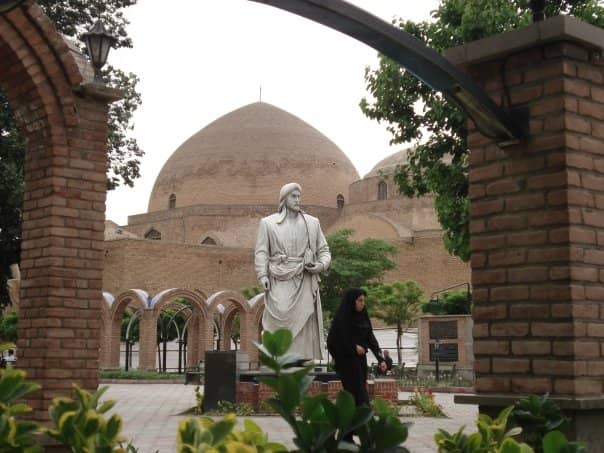
🌅 Visit at Sunset
The fading light makes the blue tiles sing. A truly magical experience!
✨ Admire Surviving Mosaics
Focus on the remaining original tiles; their beauty is haunting and profound.
Highlights
Discover the most iconic attractions and experiences
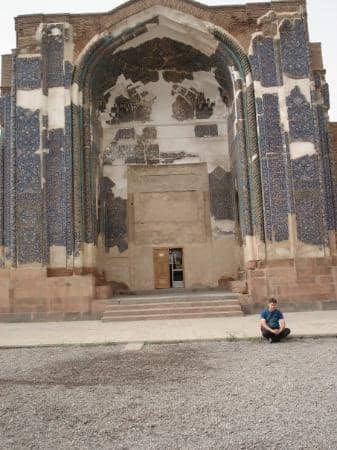
Intricate Blue Tile Mosaics
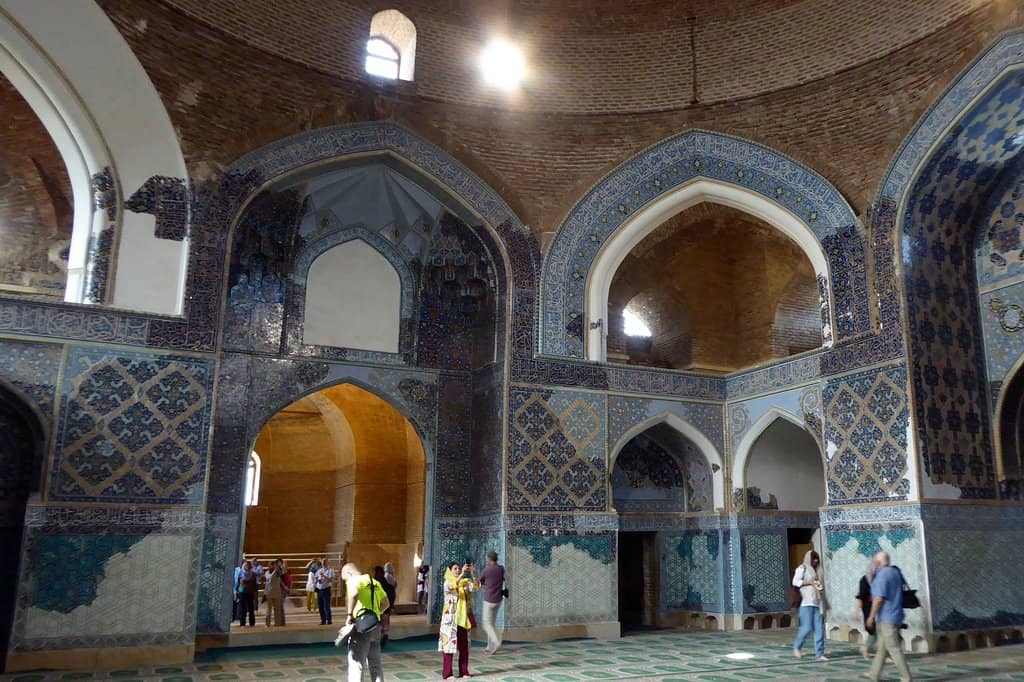
Marvel at the surviving 15th-century tilework, a breathtaking display of cobalt blues and turquoise.
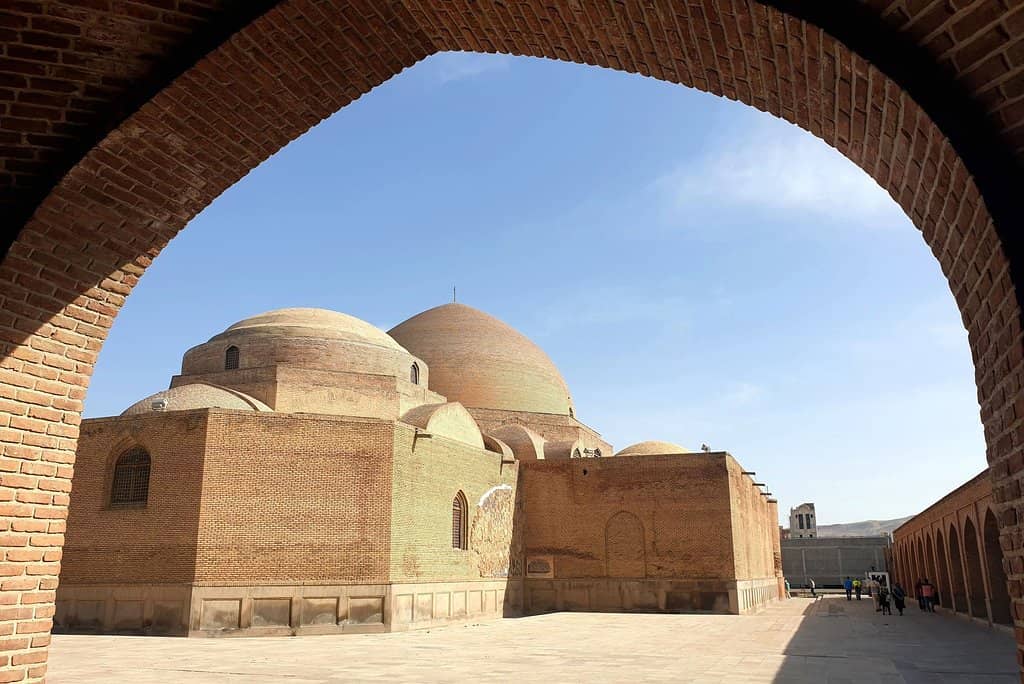
Reconstructed Domes
Witness the impressive reconstruction efforts that pay homage to the mosque's original grandeur.
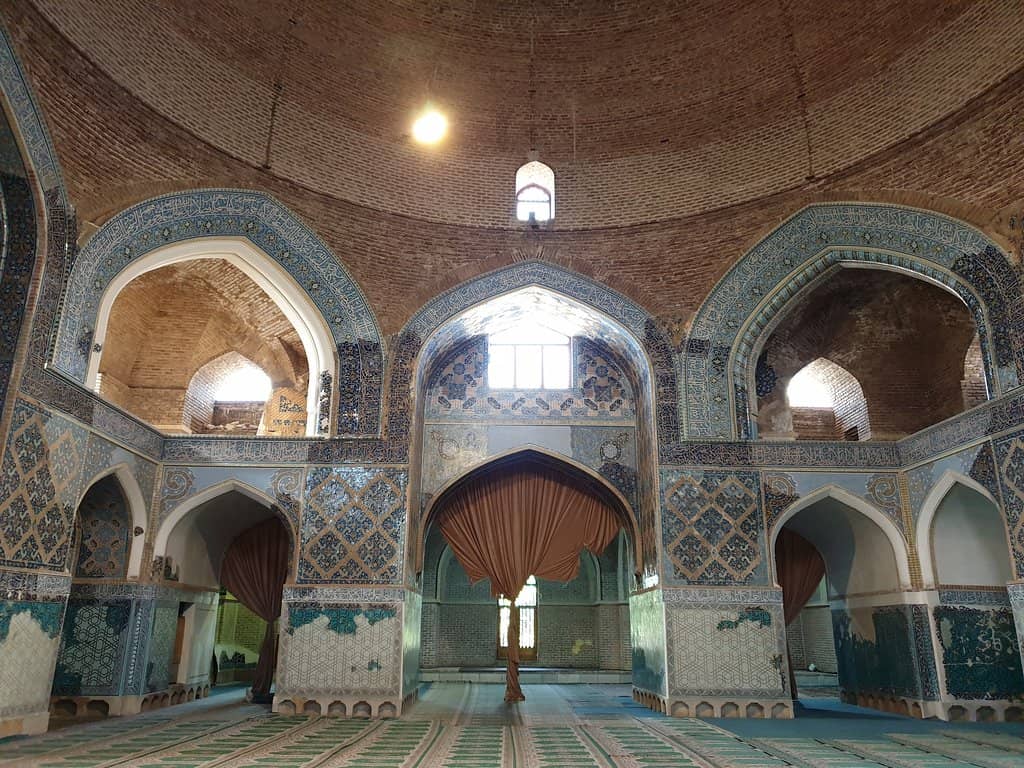
Calligraphy and Arabic Inscriptions
Admire the detailed Arabic writings, likely from the Quran, adorning the mosque's surfaces.
Plans like a pro.
Thinks like you
Planning Your Visit
Timing Your Visit for the Best Light
Understanding Its History and Resilience
Best Times
Insider Tips
from TikTok, Instagram & Reddit
🌅 Visit at Sunset
The fading light makes the blue tiles sing. A truly magical experience!
✨ Admire Surviving Mosaics
Focus on the remaining original tiles; their beauty is haunting and profound.
📚 Seek Out a Guide
A dedicated guide can share deep insights into the mosque's history and architecture.
📸 Capture the Blues
The vibrant blues are incredibly photogenic, especially with the right lighting.
Tips
from all over the internet
🌅 Visit at Sunset
The fading light makes the blue tiles sing. A truly magical experience!
✨ Admire Surviving Mosaics
Focus on the remaining original tiles; their beauty is haunting and profound.
📚 Seek Out a Guide
A dedicated guide can share deep insights into the mosque's history and architecture.
📸 Capture the Blues
The vibrant blues are incredibly photogenic, especially with the right lighting.
What Travellers Say
Reviews Summary
Visitors are captivated by the Blue Mosque's surviving 15th-century tilework, describing its beauty as haunting and profound. While acknowledging the significant damage from earthquakes and the extensive reconstruction, many find the remaining mosaics and the restoration efforts deeply impressive. It's considered a must-see for its historical significance and architectural artistry.
"An old mosque from the Qaraqoyunlu dynasty, late 15th century. Most of the decorative tile work is gone, but what remains reveals the grandiose work that has been done in building the mosque.
Tiles that have been used are in shades of blue with Arabic writings, probably from the Koran."
I am Q
"From the outside appearance of the mosque, in the entrance, it was clear that the building was damaged greatly by the earthquake. There are still remnants of the blue patterns and they had made a great job of renovating it. The interior is also renovated specially the dome. People still go there to pray, and there is a small souvenir shop inside."
Iscene Suyo
"The Blue Mosque of Tabriz – A Stolen Piece of the Sky! Kabud Mosque (Blue Mosque), where shattered turquoise tiles whisper tales of Tabriz’s golden age. Built in 1465, this 15th-century masterpiece was once a kaleidoscope of cobalt blues and emerald greens—until earthquakes left it "half-ruined, half-eternal." Today, its surviving mosaics glow like scattered sapphires, while the reconstructed sections pay homage to its lost grandeur.
Locals call it The Turquoise of Islam and when sunlight hits those remaining tiles, you’ll see why. Don’t miss the haunting beauty of its unfinished domes and the hidden "Night Sky" mihrab, where stars seem to twinkle in the calligraphy.
A must-see: Where history’s wounds shine brighter than perfection.
Visit at sunset—the fading light makes the blues sing"
Aria M
What People Like
What People Dislike
Frequently Asked Questions
🚇 🗺️ Getting There
The Blue Mosque (Kabud Mosque) is centrally located in Tabriz, making it easily accessible. You can reach it by local taxi or ride-sharing services. Many visitors also find it convenient to walk from nearby attractions.
Yes, it's a prominent landmark in the city center. Look for signs directing you to Masjed-e Kabud.
Taxis and ride-sharing apps are efficient for getting around Tabriz. For shorter distances, walking is also a great option to soak in the city's atmosphere.
🎫 🎫 Tickets & Entry
Entry to the Blue Mosque is generally free, though there might be a small fee for specific areas or for guided tours. It's always good to check on-site for any current requirements.
The mosque is typically open daily, but hours can vary. It's advisable to check local listings or inquire upon arrival, especially around prayer times.
While the mosque is a place of worship, there is usually no admission fee for general visitors. Donations are often welcome to support its upkeep and reconstruction.
Yes, you can visit on Fridays, but be mindful that it's a day of prayer for Muslims, so it might be busier or have altered access during specific prayer times.
📸 📸 Photography
Photography is generally permitted inside the Blue Mosque, but it's always respectful to be discreet, especially during prayer times. Avoid using flash photography.
The golden hours around sunrise and sunset offer the most dramatic lighting for capturing the mosque's blue tiles. Midday sun can be harsh.
The exterior facade with its intricate tilework and the interior dome area are popular for photography. Experiment with different angles to capture its unique beauty.
🎫 🏛️ History & Architecture
The Blue Mosque was completed in 1465 during the Qaraqoyunlu dynasty, making it a significant 15th-century architectural marvel.
It gets its name from the extensive use of vibrant blue and turquoise glazed tiles and mosaics that adorned its exterior and interior.
A devastating earthquake in 1779 caused significant damage, destroying much of its original tilework. It has since undergone extensive reconstruction.
The mosque was built by Jahanshah and his wife, and they are both buried within its premises, similar to the Taj Mahal.
For Different Travelers
Tailored advice for your travel style
👨👩👧 Families with Kids
 Consider focusing on the visual aspects and the story of its resilience.
 It's a relatively contained space, making it manageable for families. Ensure children are supervised and reminded to be respectful in a place of worship. The surrounding area also offers opportunities for a pleasant walk, making it a good stop on a family itinerary in Tabriz.
📸 Photographers
Pay attention to the interplay of light and shadow, which can dramatically enhance the textures and colors. The reconstructed dome and the detailed mihrab are also prime subjects. Remember to be respectful of worshippers and avoid intrusive photography, especially during prayer times.
Deep Dives
In-depth insights and expert knowledge
The Resilience of the Blue Mosque
Despite the devastation, the mosque has undergone significant reconstruction over the centuries. While much of the original decorative tile work is gone, the surviving fragments and the meticulous restoration efforts offer a profound glimpse into its former glory. The ongoing work ensures that this architectural gem continues to inspire awe and admiration, standing as a symbol of Tabriz's rich cultural heritage.
Visitors often remark on the haunting beauty of the mosque, noting how even its 'half-ruined' state possesses a unique charm. The surviving mosaics glow like scattered sapphires, and the reconstructed sections are a careful homage to its lost splendor. It's a place where history's wounds are visible, yet shine brighter than perfection.
Architectural Marvels and Artistic Details
Key architectural elements include its grand dome, which has been carefully reconstructed, and the detailed mihrab. One particularly fascinating feature mentioned by visitors is the 'Night Sky' mihrab, where the calligraphy appears to twinkle like stars.
Even in its partially reconstructed state, the mosque's artistic details are captivating. The geometric patterns, floral motifs, and the sheer scale of the tilework, where it remains, speak volumes about the ambition and skill of its creators. It's a place that rewards close observation and appreciation for the artistry involved.
Social
from TikTok, Instagram & Reddit