Subak Museum
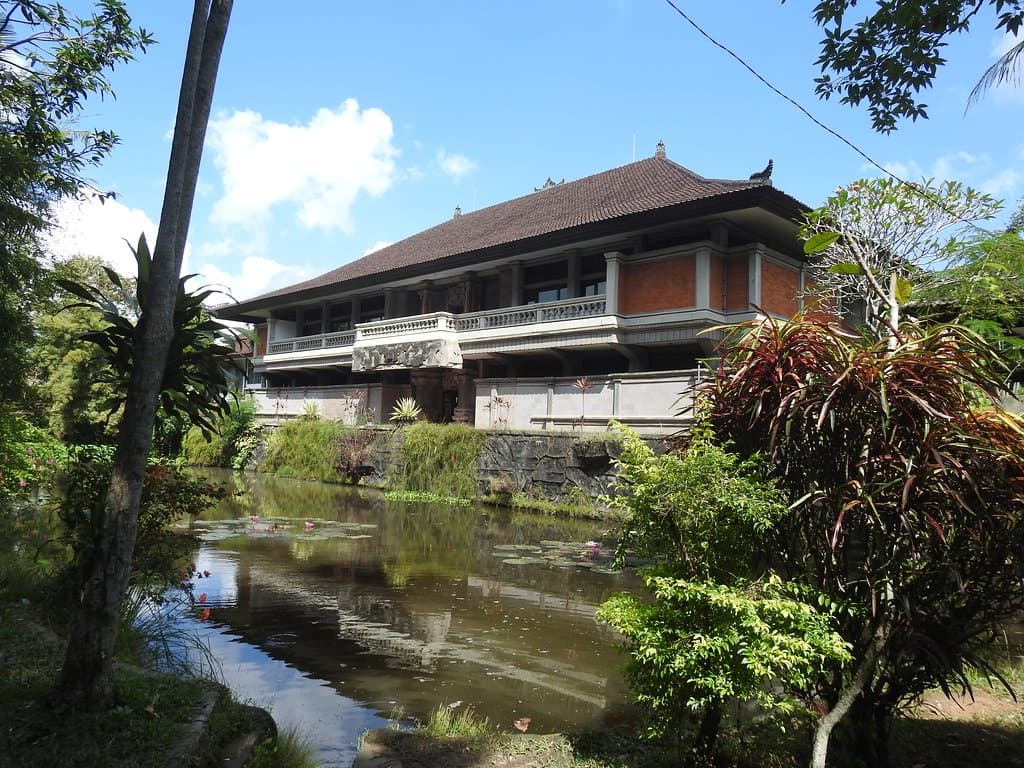
Discover Bali's ancient Subak irrigation system and traditional life at the Water Museum (Wamu) Mandala Mathika.
Highlights
Must-see attractions

Social
From TikTok & Reddit
Best Time
Fewer crowds, better learning
Subak Museum
Best Time
Fewer crowds, better learning
Highlights
Must-see attractions
Discover Bali's ancient Subak irrigation system and traditional life at the Water Museum (Wamu) Mandala Mathika.
"A gem for understanding Bali's agricultural heritage and cultural harmony."
🎯 Guided Tour Included
A passionate guide is included in the fair admission price, offering deep insights.
⏰ Short & Sweet Visit
Allocate about 30-60 minutes for a thorough understanding of the exhibits.
Highlights
Discover the most iconic attractions and experiences
Subak Irrigation System
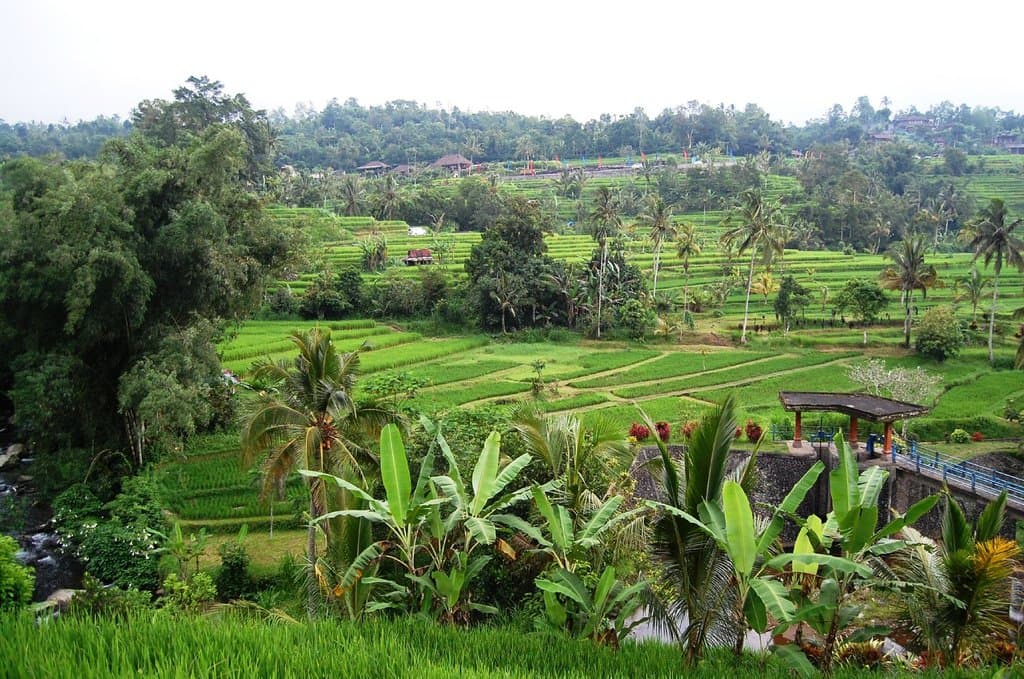
Explore Bali's ancient, UNESCO-recognized water management system that harmonizes humans, nature, and culture.
Traditional Balinese Home
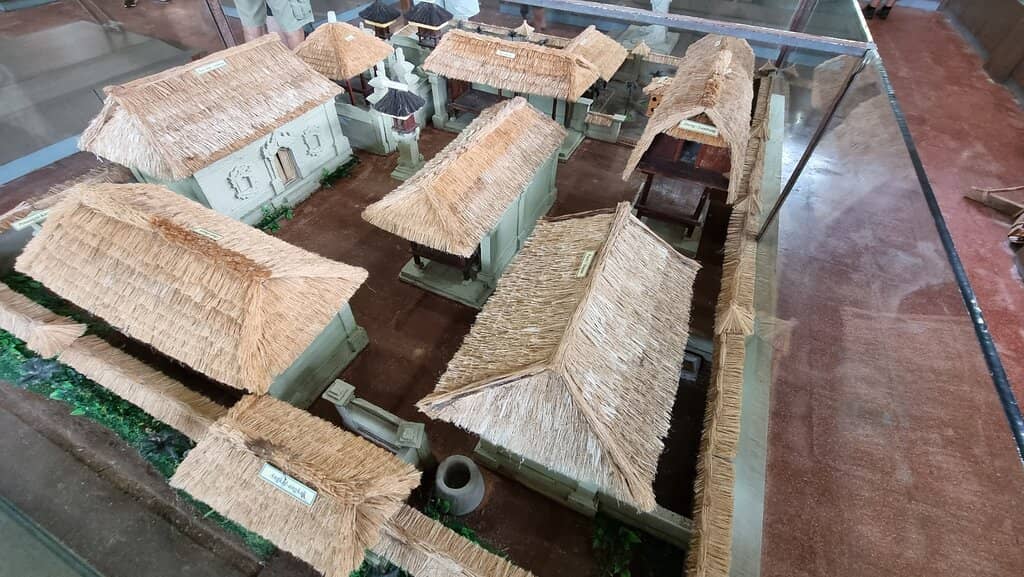
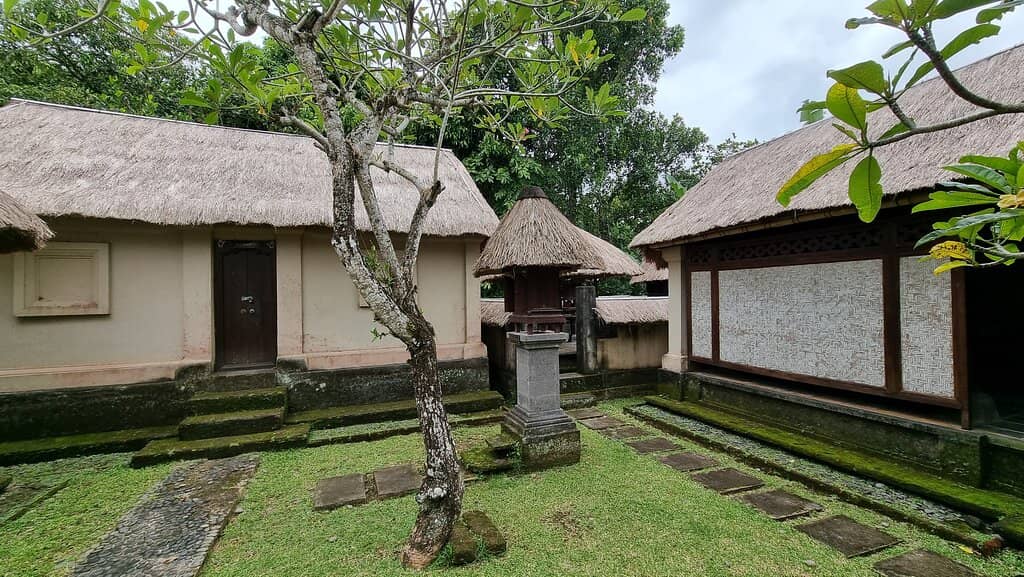
Step inside a preserved traditional Balinese family home, offering a glimpse into local life and customs.
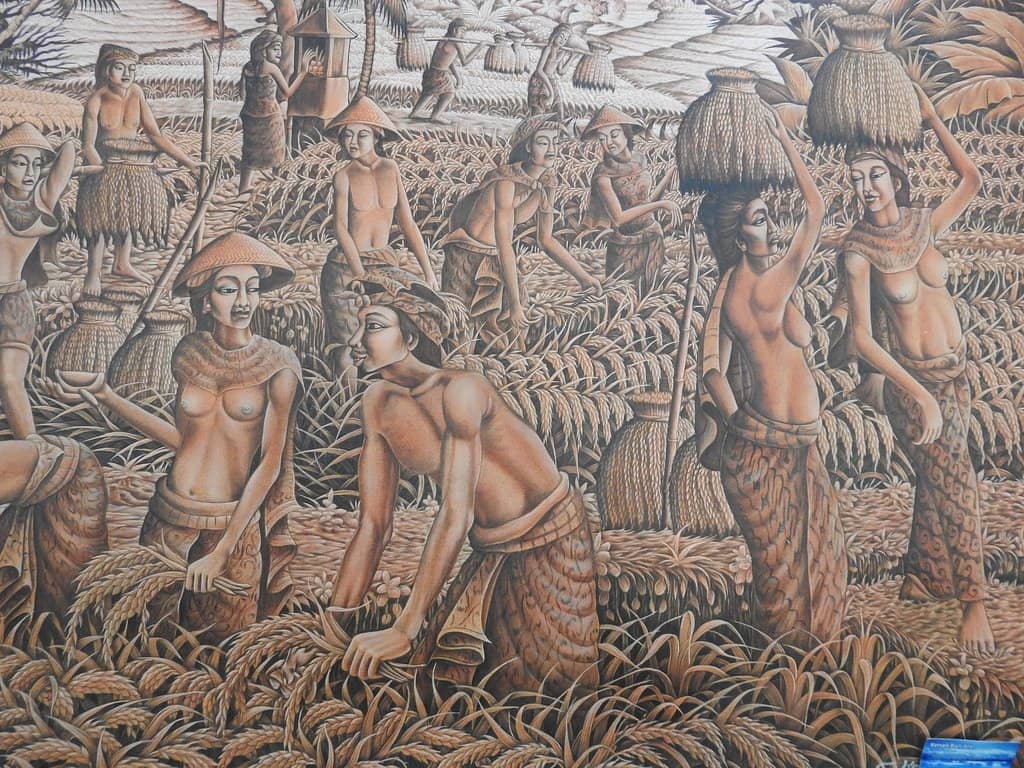
Ancient Farming Tools
See the authentic, traditional tools used for rice cultivation, showcasing historical agricultural practices.
Plans like a pro.
Thinks like you
Planning Your Visit
Embrace the Subak System
Recent Renovations & New Identity
Best Times
Insider Tips
from TikTok, Instagram & Reddit
🎯 Guided Tour Included
A passionate guide is included in the fair admission price, offering deep insights.
⏰ Short & Sweet Visit
Allocate about 30-60 minutes for a thorough understanding of the exhibits.
💰 Affordable Entry
The admission fee is very reasonable, making it a great value for the knowledge gained.
🗺️ Navigational Challenge
Finding the museum can be a bit confusing, so plan your route in advance.
Tips
from all over the internet
🎯 Guided Tour Included
A passionate guide is included in the fair admission price, offering deep insights.
⏰ Short & Sweet Visit
Allocate about 30-60 minutes for a thorough understanding of the exhibits.
💰 Affordable Entry
The admission fee is very reasonable, making it a great value for the knowledge gained.
🗺️ Navigational Challenge
Finding the museum can be a bit confusing, so plan your route in advance.
📚 Educational for Kids
Kindergarten classes visit, highlighting its value for young learners interested in farming.
What Travellers Say
Reviews Summary
Visitors consistently praise the Subak Museum for its insightful look into Bali's traditional irrigation system and cultural heritage. The passionate guides and affordable entry make it a highly recommended stop for understanding local life and agriculture. While some find it a bit confusing to locate, the educational value and unique glimpse into a Balinese home make it a worthwhile experience.
"I had very pleasant experience. It is small exebittion very good guided by passionate staff. Now I get much clearer picture of traditional crop growing and rice terraces has whole new meaning for me. It took me about 30 minutes, and price of 15000idr is fair. I found this gem by chance while waiting for a bus to Java."
Uros Popovic
"Great place to learns about rise production. Museum includes traditional Balinese family home.
Guide is included in the price.
Great museum for just 15K rp.
Strongly recommended."
Boris Tarasov
"A great place to learn and add to the science of agriculture in ancient times.
Where all the tools used are still traditiobal tools."
Dewa Putu
What People Like
What People Dislike
Frequently Asked Questions
🚇 🗺️ Getting There
The Subak Museum is located in Tabanan, Bali. While it's a great place to learn about the Subak system, some visitors have noted that navigating there can be a bit confusing. It's recommended to use a reliable GPS or map application. If you're relying on public transport, be aware that it might be less frequent in this area. Renting a scooter or hiring a driver are popular options for easier access.
Public transport options to the Subak Museum might be limited and less frequent compared to more tourist-heavy areas in Bali. Visitors often find it more convenient to arrange private transportation like a scooter rental or a taxi/driver.
🎫 🎫 Tickets & Entry
The admission fee is very affordable, often cited as around 15,000 IDR, making it a great value for the educational experience.
Generally, advance booking is not required for the Subak Museum. You can typically purchase tickets upon arrival.
Opening hours can vary, but it's generally open during daytime hours. It's advisable to check for the most current hours before your visit, especially if you plan to go on a specific day or holiday.
Yes, a guided tour is often included in the admission price. The guides are described as passionate and provide detailed information about the Subak system and exhibits.
🎫 🧭 Onsite Experience
Most visitors find that a visit to the Subak Museum takes approximately 30 to 60 minutes to fully appreciate the exhibits and learn from the guided tour.
You can expect to learn about Bali's traditional 'Subak' irrigation system, see traditional farming tools, and explore a preserved traditional Balinese family home. The museum offers a clear picture of traditional crop growing and rice terraces.
Yes, the museum is considered educational for children, with kindergarten classes even visiting for learning experiences about traditional farming.
The Subak system is a UNESCO World Heritage recognized traditional Balinese irrigation system that reflects a deep harmony between humans, nature, and culture. It's a testament to ancient water management and agricultural practices.
Yes, the museum has been renovated and has transformed into the Water Museum (Wamu) Mandala Mathika, joining the Global Network of Water Museums (Wamu-Net).
📸 📸 Photography
Photography is generally allowed inside the museum, allowing you to capture the traditional tools and the Balinese home. Some areas might have specific restrictions, so it's always good to observe any signage.
The traditional Balinese home interior and the display of ancient farming tools offer great photographic opportunities. The overall theme of traditional agriculture provides a unique backdrop.
For Different Travelers
Tailored advice for your travel style
👨👩👧 Families with Kids
 The exhibits on traditional farming tools and the preserved Balinese home can spark curiosity and provide a hands-on feel for historical practices. The guided tours, often included, can make the learning experience interactive and fun for children. It's a great way to introduce kids to Balinese culture and sustainable agriculture in a digestible format.
 🧑🏫 Students & Educators
+1 The museum's recent transformation into a Water Museum (Wamu) Mandala Mathika also makes it relevant for studies on water management and its global significance. 🌿 Eco-Tourists & Sustainability Enthusiasts
Understanding the Subak system offers critical insights into community-based resource management and can inspire discussions on modern environmental challenges. The museum's focus on this ancient practice highlights the enduring wisdom of traditional cultures. Deep Dives
In-depth insights and expert knowledge
Understanding the Subak System
+1Visitors can expect to learn about the intricate network of canals, weirs, and tunnels that distribute water from mountain springs to the rice paddies. The museum showcases the tools and techniques used by farmers, offering a tangible connection to this historical practice. The recent renovation and integration into the Global Network of Water Museums highlight its ongoing importance in understanding water resource management.
Through exhibits and guided tours, the museum aims to educate both locals and tourists about the cultural and ecological significance of Subak. It's a crucial reminder of how traditional knowledge can offer valuable lessons for modern sustainable practices.
A Glimpse into Traditional Balinese Life
Exploring the home allows you to see how families lived, interacted, and maintained their connection to the land and their traditions. This aspect of the museum adds a rich, human dimension to the understanding of the Subak system, showing how it was integrated into the fabric of everyday life.
This immersive experience complements the educational exhibits on agriculture, providing a holistic view of Balinese heritage and the importance of community and tradition. It’s a quiet space for reflection on a simpler, yet deeply connected, way of life.



Social
from TikTok, Instagram & Reddit