Sari Temple
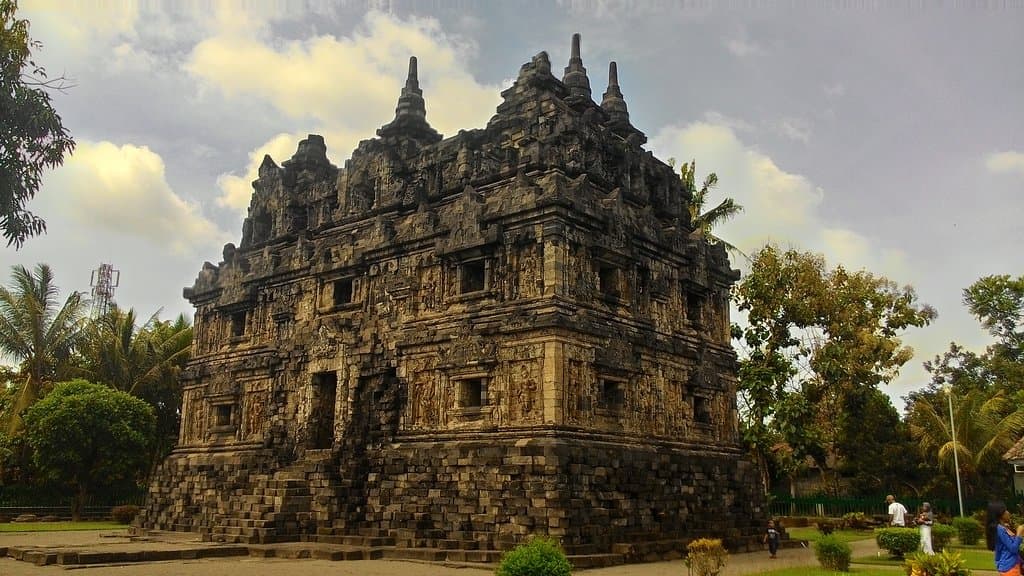
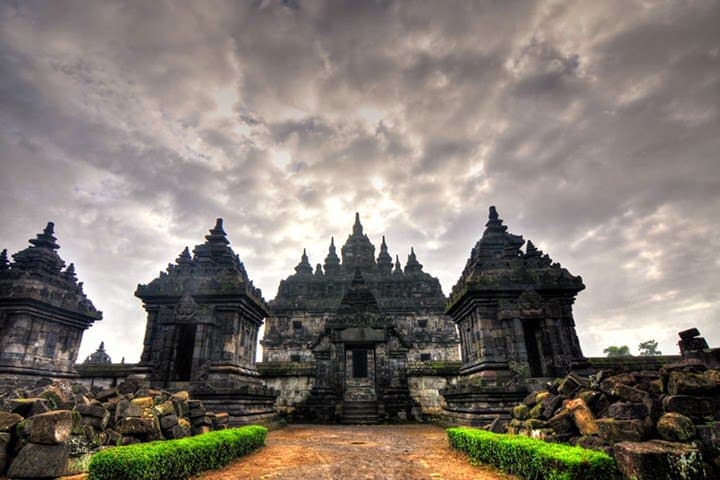
An 8th-century Buddhist temple ruin, Sari Temple offers a glimpse into the ancient Mataram Kingdom's rich history and artistry.
Highlights
Must-see attractions

Social
From TikTok & Reddit
Best Time
Beat the heat and crowds
Sari Temple
Best Time
Beat the heat and crowds
Highlights
Must-see attractions
An 8th-century Buddhist temple ruin, Sari Temple offers a glimpse into the ancient Mataram Kingdom's rich history and artistry.
"The temple itself was so beautiful! The locket uncle, Pak Heri, was so humble and friendly when telling me about the story behind the temple!"
☀️ Beat the Heat
Visit early morning or late afternoon to avoid the midday sun and enjoy a more comfortable exploration.
📚 Learn the History
Read the information boards to understand the temple's rich Buddhist heritage and significance.
Highlights
Discover the most iconic attractions and experiences
Architectural Marvel
Main temple structure
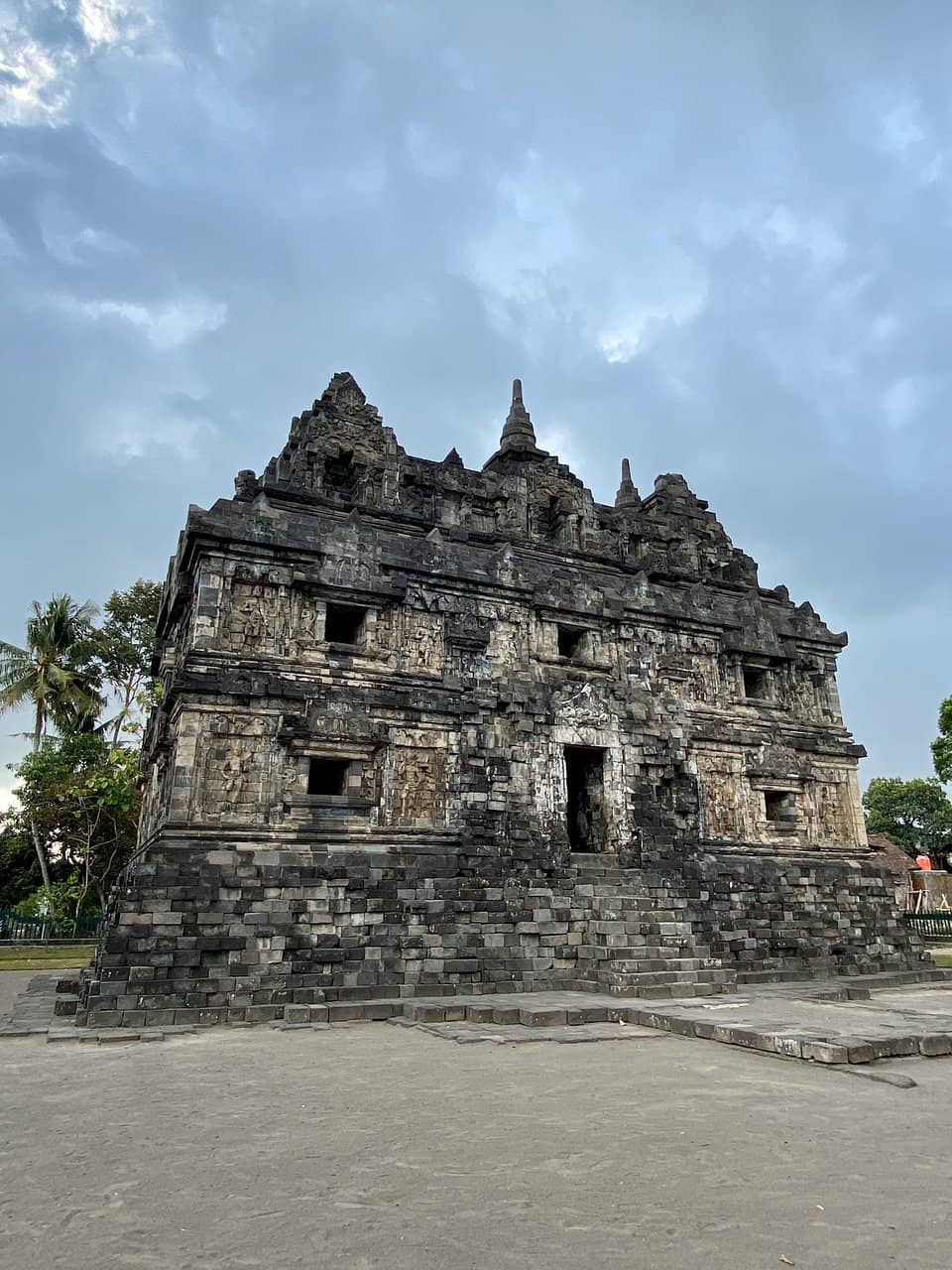
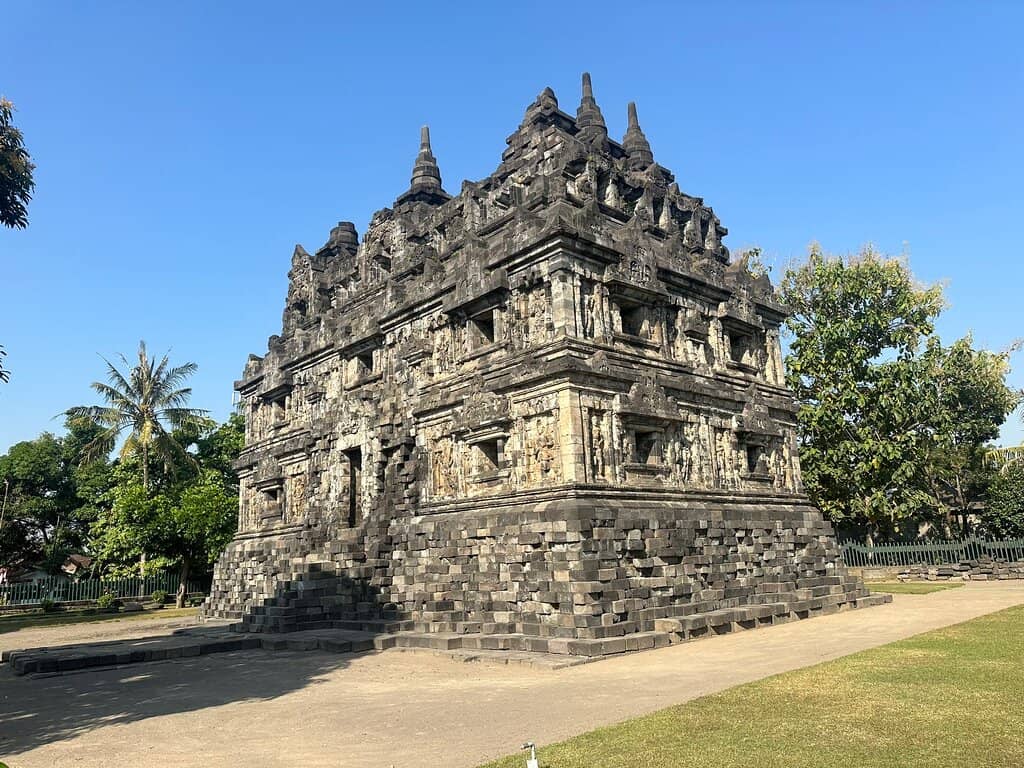
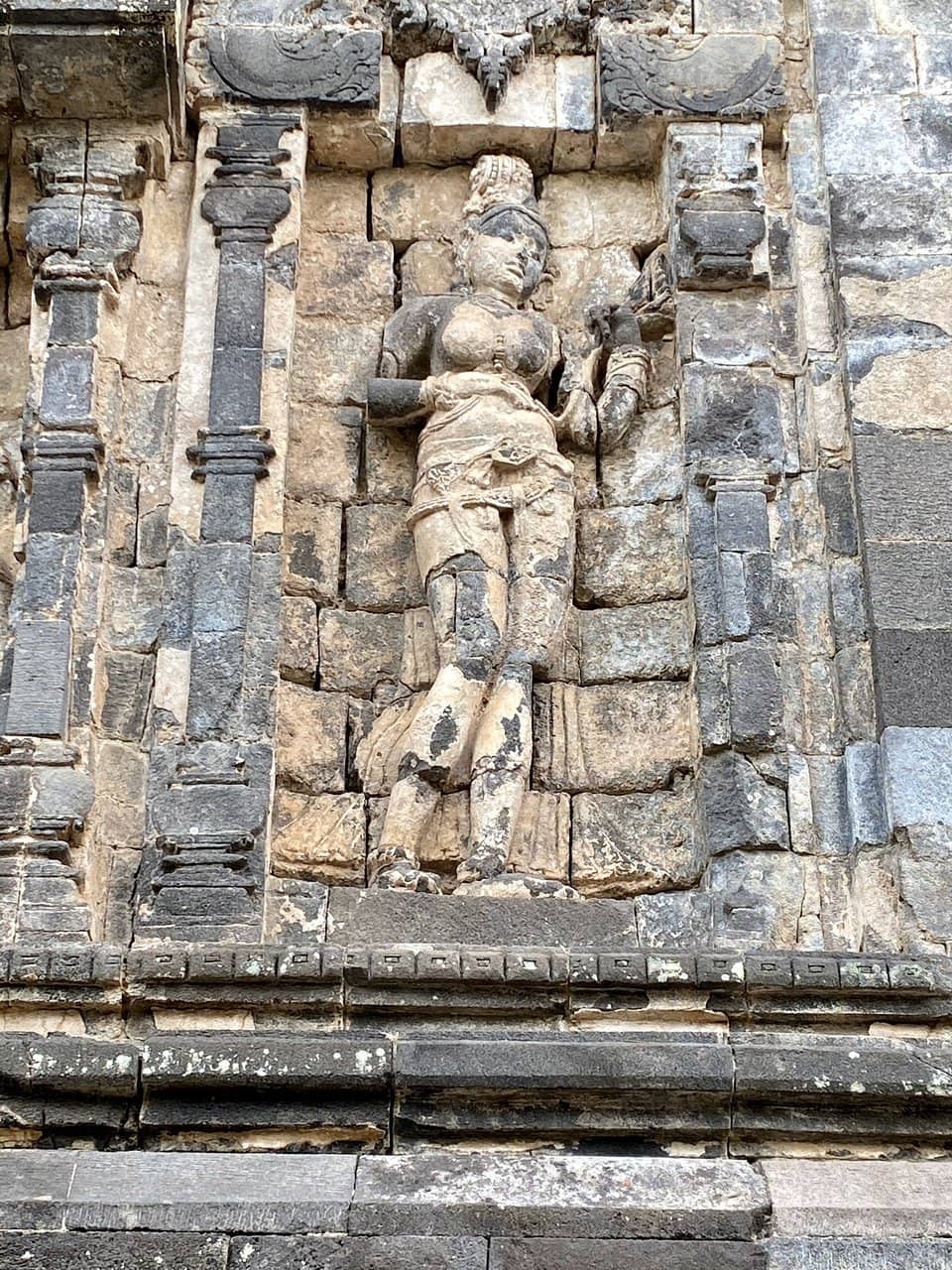
Admire the intricate carvings of Boddhisattvas and kinara-kinaris, showcasing the artistry of the 8th century.
Stupa Roof Design
Temple roof
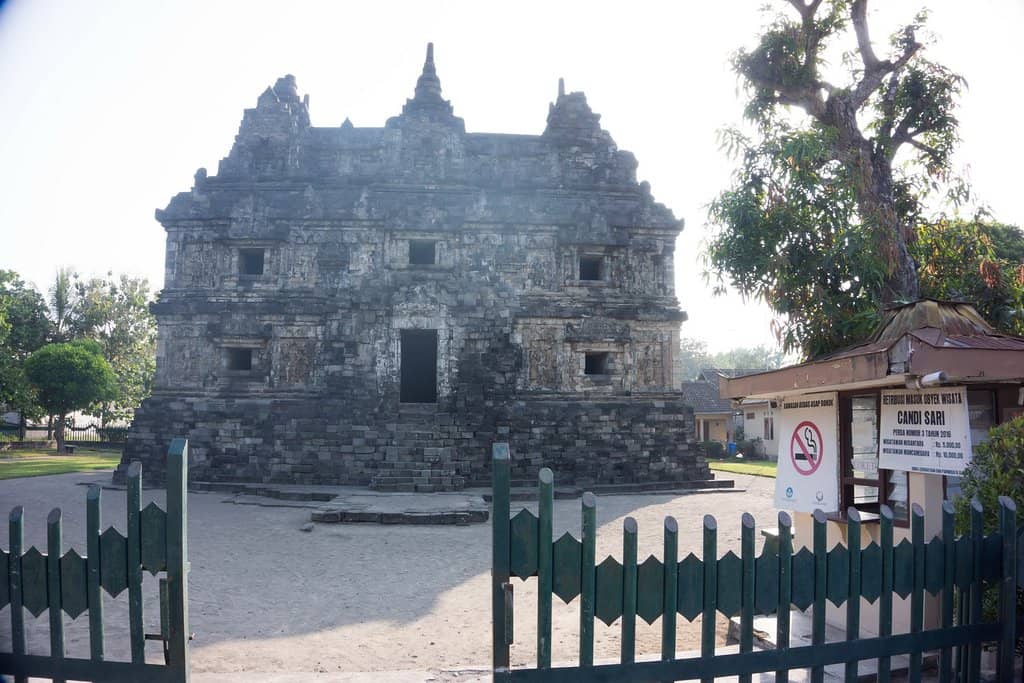
Observe the unique arrangement of nine stupas, symbolizing the sacred zones of this ancient Buddhist monastery.
Historical Significance
Temple grounds
Explore the ruins and learn about its role as a vihara during the Ancient Mataram Kingdom.
Plans like a pro.
Thinks like you
Planning Your Visit
Timing is Key for a Peaceful Visit
Understand the History
Best Times
Insider Tips
from TikTok, Instagram & Reddit
☀️ Beat the Heat
Visit early morning or late afternoon to avoid the midday sun and enjoy a more comfortable exploration.
📚 Learn the History
Read the information boards to understand the temple's rich Buddhist heritage and significance.
🚶♂️ Explore the Ruins
Wander through the grounds to appreciate the remaining structures and ancient artistry.
🙏 Respectful Attire
Consider wearing modest clothing, similar to what's seen in temple-related reels, for a respectful visit. 
Tips
from all over the internet
☀️ Beat the Heat
Visit early morning or late afternoon to avoid the midday sun and enjoy a more comfortable exploration.
📚 Learn the History
Read the information boards to understand the temple's rich Buddhist heritage and significance.
🚶♂️ Explore the Ruins
Wander through the grounds to appreciate the remaining structures and ancient artistry.
🙏 Respectful Attire
Consider wearing modest clothing, similar to what's seen in temple-related reels, for a respectful visit.
What Travellers Say
Reviews Summary
Sari Temple is appreciated for its historical significance and intricate 8th-century Buddhist carvings, offering a glimpse into the Ancient Mataram Kingdom. Visitors enjoy the peaceful atmosphere and the chance to learn about its past, though some note it can be hot and access might be limited at times.
"Sari Temple is the first Buddhist temple together with Kalasan Temple that built in the Ancient Mataram Kingdom area (later become Special Region of Yogyakarta and Central Java) around 8th AD Classical Javanese Period.
This temple is a legacy of 2 great dynasties that once led the Ancient Mataram Kingdom, namely Sanjaya Hindu-based Dynasty in the north and the Syailendra Buddha-based Dynasty in the south as it is recorded in the Sanskrit Kalasan Inscription. The construction of this temple was a gift from the marriage between the two dynasties. This temple was intended to be a vihara/monastery for Buddhist priests while the other (Kalasan Temple) was intended to be a shrine/worshipping place for Goddess Tara.
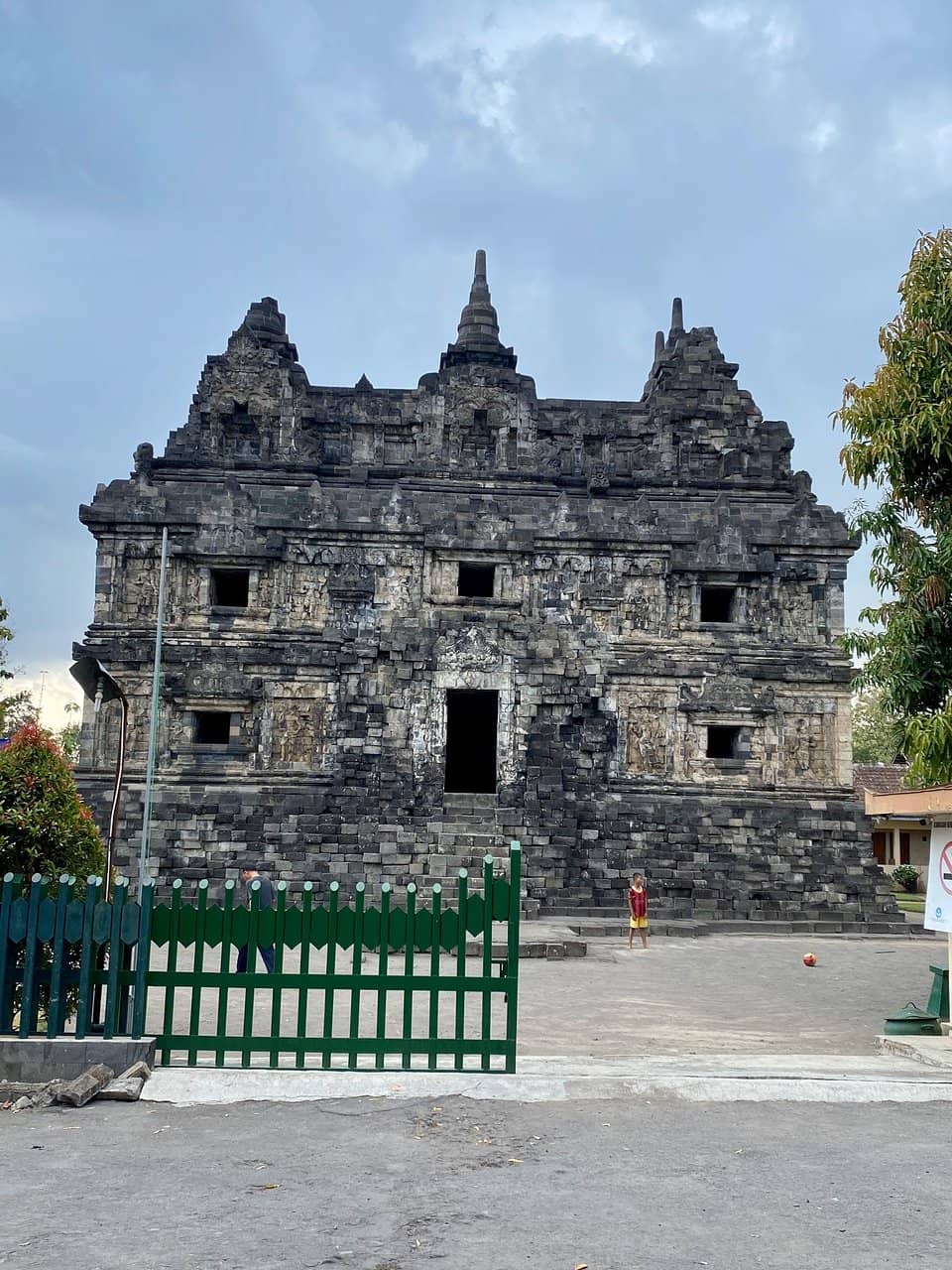
This temple was built facing east-direction symmetrically and divided into two axis part: horizontal (inner and outer) and vertical (lower and higher), where the outer & lower parts represent the profane zone and the inner & higher parts represent the sacred zone.
The Horizontal Part
-The outer is the terrace with an open door on its front-side.
-The inner is the temple itself.
The Vertical Part
-The lower is both 1st & 2nd floor of the temple. The facade were installed by 38 Boddhisatvas (it is supposed to be 40, but the other 2 were lost / destroyed): 12 on east & west-direction and 8 on north & south-direction all showing the same Tribhangga attitude holding padma flower also kinaras-kinaris in the same numbers which each pair of them flank 16 open-windows, 3 closed-windows, as well as 1 main door in the middle of it. The room were splitted into 3 chambers where on the edge of each it left empty (it is supposed to be a place installed by a statue of the Buddha along with other 2 major Boddhisatvas).
-The higher part is the roof of the temple. There are 9 stupa separated by 3 following the number of 3 chambers in the floor below. There are also 12 houses separated by 3 on each direction."
Aswin Nobby
"When I visited, this temple was closed for entrance even during daytime around 2 to 3pm. Very quiet neighborhood and small in land size."
Lyda Hak
"The temple itself was so beautiful! The locket uncle, Pak Heri, was so humble and friendly when telling me about the story behind the temple! Definitely a worth temple to visit😍"
Liqsa Khairunnisa
What People Like
What People Dislike
Frequently Asked Questions
🚇 🗺️ Getting There
Sari Temple is located in the Special Region of Yogyakarta. It's accessible by local transport, such as taxis or ride-sharing services. The area is described as quiet, so planning your transport in advance is advisable.
While it's a historical site, the temple itself is noted as being small in land size and in a quiet neighborhood. Using GPS or asking locals for directions is recommended.
Given the quiet surroundings and potential heat, a private car or motorcycle rental might offer the most flexibility for exploring Sari Temple and nearby historical sites.
🎫 🎫 Tickets & Entry
Information regarding ticket prices is not readily available, but some visitors have noted the temple being closed for entrance at times. It's best to check local information or arrive during standard visiting hours.
Some visitors have reported the temple being closed for entrance even during daytime hours. It's advisable to confirm current operating times before your visit.
Specific details on entrance fees are scarce. However, the temple is a historical site, and a small fee might be applicable.
While historical sites typically have visiting hours, one review mentioned the temple being closed for entrance during the afternoon. It's wise to plan your visit accordingly.
🎫 🧭 Onsite Experience
You can explore the ruins of the 8th-century Buddhist temple, admire the intricate carvings of Boddhisattvas, and learn about its history as a vihara. The unique stupa design on the roof is also a highlight. +1
Yes, the ancient architecture and intricate details offer great photographic opportunities. The softer light in the early morning or late afternoon can be ideal.
Given its smaller size and quiet surroundings, a visit to Sari Temple can be relatively short, perhaps an hour or two, especially if you take time to read the historical information.
One visitor mentioned a friendly local guide, Pak Heri, who shared the temple's story. While not guaranteed, friendly locals might be around to offer insights.
The name 'Sari' is noted to truly represent the temple's essence, described as an outstanding temple on the Shiva plateau, appreciated for its relics and ornaments.
🍽️ 🍽️ Food & Dining
The area around Sari Temple is described as having a quiet neighborhood with not much activity. It's advisable to dine before or after your visit in a more commercial area.
There are no mentions of food stalls or dining facilities directly at Sari Temple. It's recommended to bring your own water and snacks if needed.
📸 📸 Photography
Focus on the intricate carvings of Boddhisattvas, the unique stupa formations on the roof, and the overall ancient architecture. The surrounding quiet environment can also make for atmospheric shots.
There are no specific regulations mentioned regarding drone photography. However, it's always best to check local rules and be respectful of the historical site.
Late afternoons often provide softer, more flattering light for photography, while early mornings can offer a serene atmosphere with fewer people.
No specific restrictions have been noted, but standard etiquette for visiting religious and historical sites should be followed.
For Different Travelers
Tailored advice for your travel style
👨👩👧 Families with Kids
Given the heat, plan your visit for early morning or late afternoon. Bring plenty of water and snacks, as dining options are limited nearby. The quiet environment is conducive to a more relaxed family outing, allowing kids to explore without overwhelming crowds.
🏛️ History Buffs & Archaeology Enthusiasts
Pay close attention to the architectural details, the Boddhisatva carvings, and the symbolic arrangement of the stupas. Reading the onsite information boards and perhaps engaging with any local guides available will greatly enrich your understanding of this significant historical site.
Deep Dives
In-depth insights and expert knowledge
The Historical Tapestry of Sari Temple
The temple's design is a fascinating blend of religious symbolism and architectural planning. It faces east and is divided into horizontal and vertical zones. The horizontal division includes an outer terrace and the inner temple structure, representing the profane and sacred realms respectively. Vertically, the lower part comprises two floors adorned with 38 Boddhisatva statues (originally 40) and kinara-kinaris, while the higher part features a roof with nine stupas, symbolizing different aspects of Buddhist cosmology.
Originally serving as a vihara or monastery for Buddhist priests, Sari Temple complements the nearby Kalasan Temple, which was dedicated as a shrine for Goddess Tara. This dual-temple complex highlights the religious landscape of ancient Java and the syncretic practices that may have existed. Despite restoration efforts, the temple retains its historical charm and offers a glimpse into the spiritual and architectural achievements of its era.
Experiencing Sari Temple Today
Some visitors have noted that the temple can be quite hot, especially during the midday sun, making early morning or late afternoon visits more comfortable. The quiet surroundings contribute to a peaceful atmosphere, allowing for contemplation and a deeper connection with the site. While not a bustling tourist hub, the temple's unique historical context and artistic remnants make it a worthwhile stop for those interested in Javanese history and Buddhist heritage.
While direct access to the inner chambers might be restricted or the temple may be closed at certain times, the exterior and surrounding grounds still offer a rich experience. The friendly demeanor of locals, like the mentioned guide Pak Heri, can further enhance the visit by providing personal anecdotes and historical context.


Social
from TikTok, Instagram & Reddit