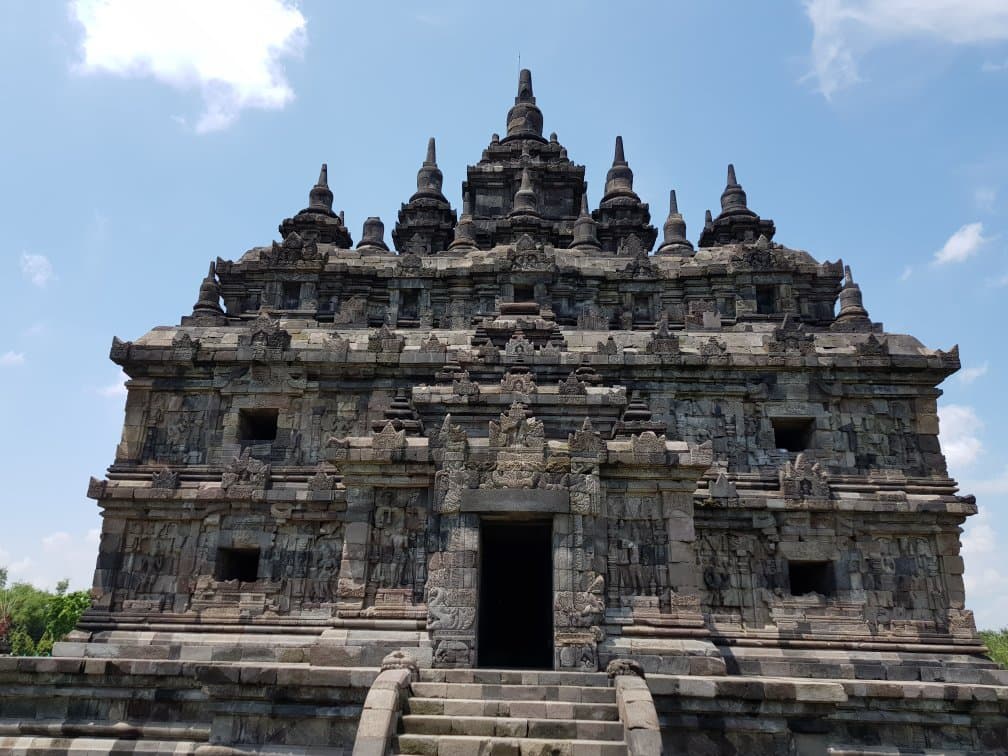
Sambisari Temple Yogyakarta
Unearth a 9th-century Hindu temple uniquely buried underground for centuries, offering a tranquil historical escape.
Highlights
Must-see attractions

Social
From TikTok & Reddit
Best Time
Cooler temperatures, fewer visitors
Sambisari Temple Yogyakarta
Best Time
Cooler temperatures, fewer visitors
Highlights
Must-see attractions
Unearth a 9th-century Hindu temple uniquely buried underground for centuries, offering a tranquil historical escape.
"A hidden gem with a fascinating history, Sambisari Temple offers a peaceful and unique experience."
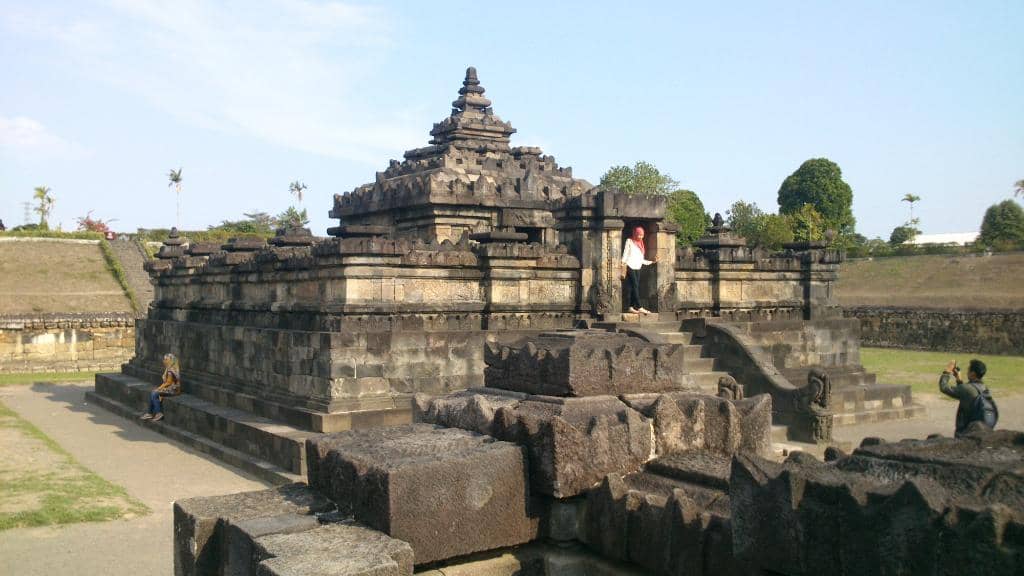
🚶♀️ Explore at Your Own Pace
This smaller, less developed temple allows for a relaxed visit without the rush of larger sites. :walking:
☀️ Beat the Sun
Visit during cooler hours to comfortably explore the site, especially during the hotter months. :sunny:
Highlights
Discover the most iconic attractions and experiences
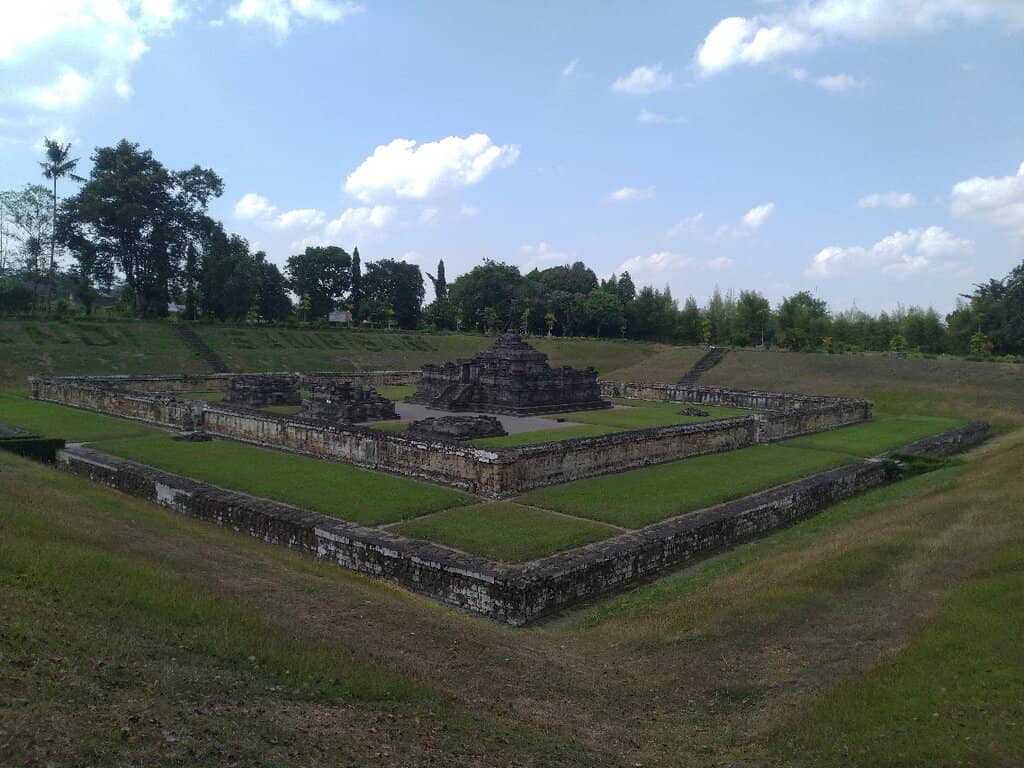
The Underground Sanctuary
Main temple complex
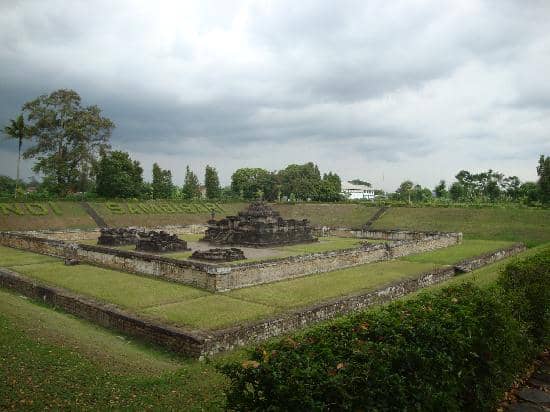
Experience a 9th-century Hindu temple uniquely situated 6.5 meters below ground, rediscovered after centuries of volcanic burial.
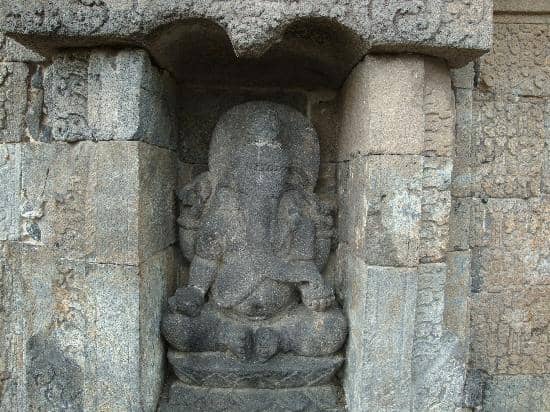
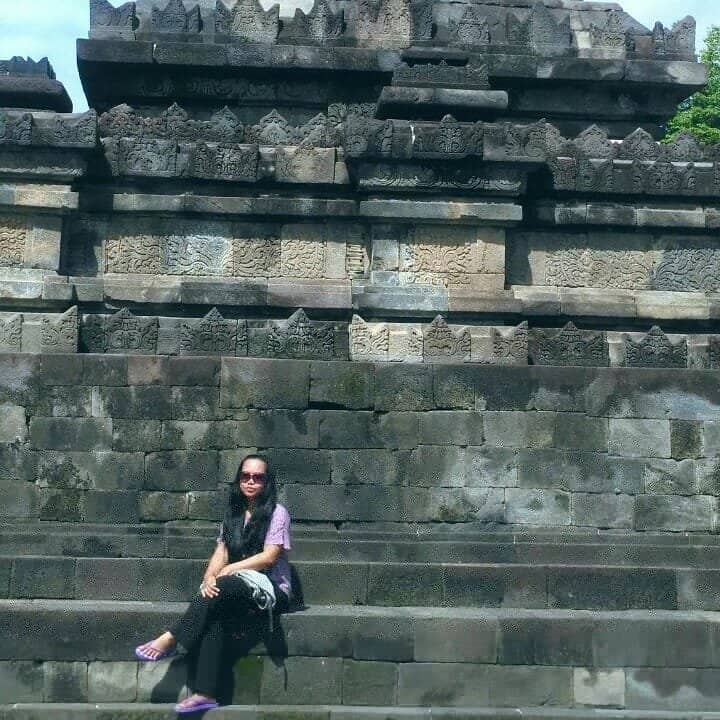
Intricate Stone Carvings
Temple walls and structures
Admire the detailed reliefs and ancient Javanese architecture, a testament to the temple's historical significance.
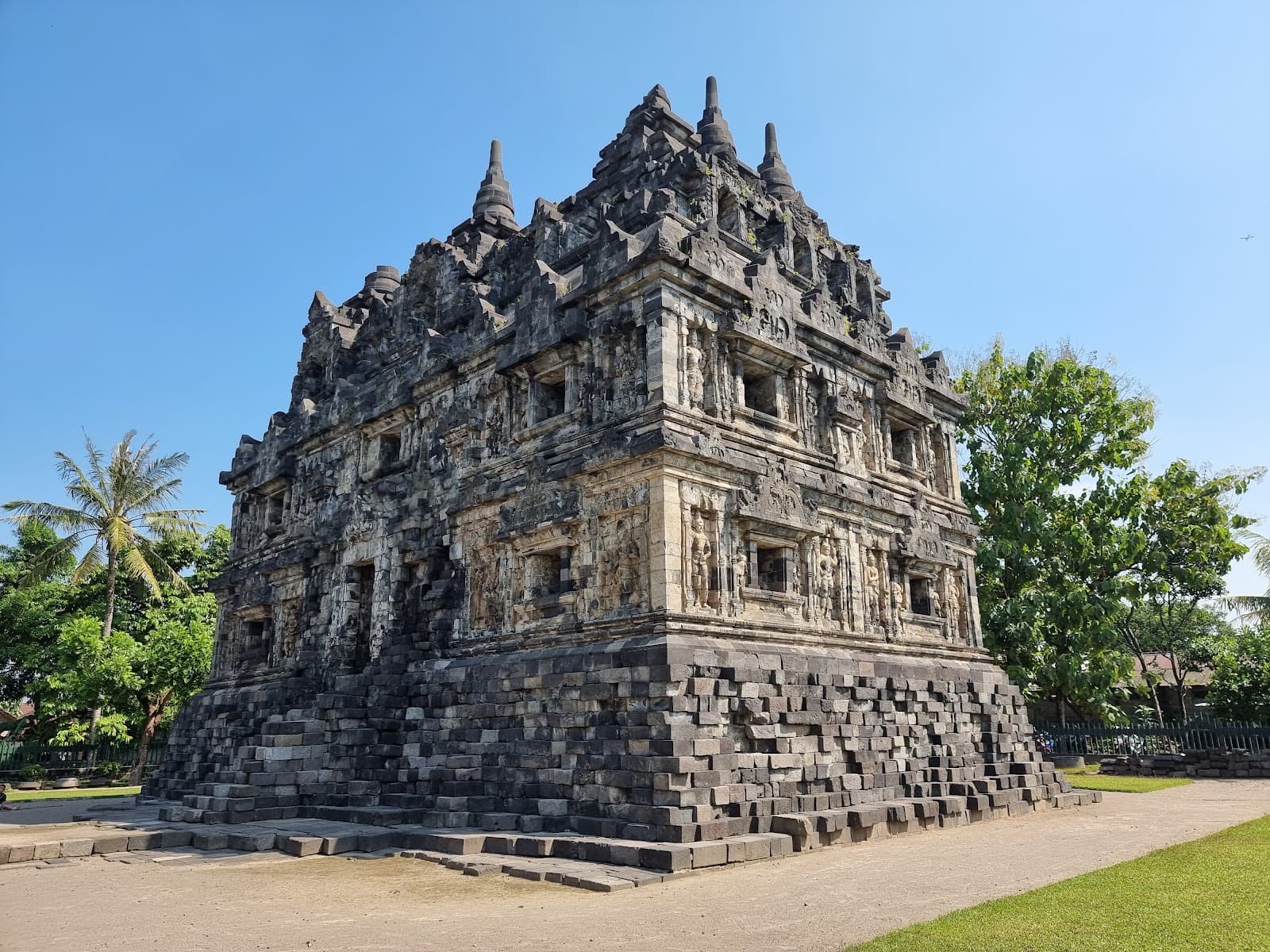
Peaceful Atmosphere
Temple grounds
Enjoy a quiet and reflective visit, a welcome change of pace from larger, more bustling temple sites.

Plans like a pro.
Thinks like you
Planning Your Visit
Unearth a Hidden Gem
Beat the Heat and Crowds
Best Times
Insider Tips
from TikTok, Instagram & Reddit
🚶♀️ Explore at Your Own Pace
This smaller, less developed temple allows for a relaxed visit without the rush of larger sites. :walking:
☀️ Beat the Sun
Visit during cooler hours to comfortably explore the site, especially during the hotter months.
📸 Capture the History
The unique underground setting and intricate carvings make for stunning, memorable photographs.
💰 Free Admission
Enjoy this historical site without an entrance fee, making it a budget-friendly option.
Tips
from all over the internet
🚶♀️ Explore at Your Own Pace
This smaller, less developed temple allows for a relaxed visit without the rush of larger sites. :walking:
☀️ Beat the Sun
Visit during cooler hours to comfortably explore the site, especially during the hotter months.
📸 Capture the History
The unique underground setting and intricate carvings make for stunning, memorable photographs.
💰 Free Admission
Enjoy this historical site without an entrance fee, making it a budget-friendly option.
What Travellers Say
Reviews Summary
Sambisari Temple is praised as a unique and peaceful hidden gem, offering a fascinating glimpse into 9th-century Javanese Hindu history with its distinctive underground setting. Visitors appreciate its quiet atmosphere and intricate carvings, making it a worthwhile alternative to more crowded sites. While smaller, its historical significance and tranquil ambiance are consistently highlighted.
"Sambisari Temple, located near Yogyakarta, is a hidden gem of ancient Javanese architecture. This Hindu temple, which dates back to the 9th century, is uniquely situated underground, having been buried by volcanic ash until its rediscovery in the 20th century. The temple's simple yet striking design, with intricately carved reliefs and a central shrine, offers a peaceful and less crowded alternative to other temples in the region. Surrounded by lush greenery, Sambisari provides visitors with a quiet, reflective atmosphere and a glimpse into the rich history of Java’s Hindu heritage."
Yustika Muharastri
"Very interesting and unique place to go to. A hidden gem and quiet place to visit"
m day
"Lovely change of pace from Borobadur and Prambanan. Much smaller and less developed, but you'll probably be alone and you can take it in at your own pace. Beautiful carvings."
Stuart Helmer
What People Like
What People Dislike
Frequently Asked Questions
🚇 🗺️ Getting There
Sambisari Temple is located in Sleman, a short drive from Yogyakarta. You can hire a taxi, use ride-sharing apps like Gojek or Grab, or rent a scooter for more flexibility. Many visitors combine a visit with other temples in the area.
While direct public transport might be limited, you can take a local bus towards the Sleman area and then a short taxi or motorcycle ride to the temple. Renting a car with a driver is also a convenient option for exploring multiple sites.
For exploring multiple temples like Sambisari, Kalasan, and Sari, renting a car with a driver or using a classic VW car tour is highly recommended for a unique experience.
Sambisari Temple is relatively close to Adisucipto International Airport (JOG), typically a 20-30 minute drive depending on traffic.
Yes, there are parking facilities available for cars and motorcycles at Sambisari Temple, making it convenient for visitors arriving by private vehicle.
🎫 🎫 Tickets & Entry
No, Sambisari Temple is often cited as having free admission, making it an accessible historical site for all travelers.
The temple is generally open daily from morning until late afternoon or early evening. It's advisable to check for any specific seasonal hours, though it's typically accessible throughout daylight hours.
As there is no entrance fee, advance booking is not required. You can visit Sambisari Temple spontaneously during its operating hours.
Visitors are expected to dress respectfully, covering shoulders and knees, as it is a sacred site. Please refrain from touching the ancient structures.
Sambisari Temple is usually open during religious holidays, but it might be more crowded. It's always a good idea to confirm local holiday schedules if planning a visit during these times.
🎫 🧭 Onsite Experience
The most unique feature is its location 6.5 meters below ground, offering a glimpse into a 9th-century Hindu temple rediscovered after being buried by volcanic ash.
A visit to Sambisari Temple typically takes about 1-2 hours, allowing ample time to appreciate its unique setting, architecture, and peaceful ambiance.
Yes, children often find the 'underground' aspect fascinating. It's a calm environment, and they might enjoy seeing the ancient stones and carvings.
While official guided tours might not always be readily available, local guides may offer their services. You can also explore independently and learn from information boards if present.
Basic facilities like restrooms are usually available. It's advisable to bring your own water and snacks as options might be limited on-site.
📸 📸 Photography
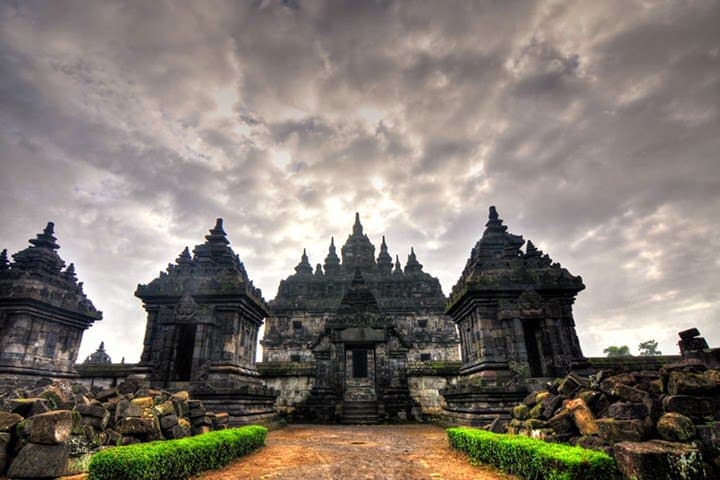
The entire underground complex offers unique photo opportunities. Capture the contrast between the sky and the temple ruins, and the intricate details of the carvings.
Photography is generally allowed within the temple grounds. However, always be respectful of the site and other visitors.
A standard DSLR or mirrorless camera with a versatile lens (e.g., 24-70mm) is ideal. A wide-angle lens can be useful for capturing the overall underground setting.
Drone usage is typically restricted at historical and religious sites to preserve their sanctity and for safety reasons. It's best to assume drones are not permitted unless explicitly stated otherwise.
Late afternoon offers beautiful golden hour light that enhances the textures of the stone and creates a magical atmosphere. Early morning can also provide soft, diffused light.
For Different Travelers
Tailored advice for your travel style
👨👩👧 Families with Kids
Bring water and snacks, as facilities are basic. The relatively small size means kids won't get too tired exploring. It's a great opportunity to introduce them to history and ancient architecture in an engaging way. Remember to dress respectfully, covering shoulders and knees.
💰 Budget Travelers
This allows you to experience a significant historical site without incurring entry fees, saving money for other activities or local food. Combine your visit with other free or low-cost attractions in the Sleman area. Renting a scooter can be an economical way to reach the temple and explore the surroundings independently. Pack your own water and snacks to avoid on-site markups.
🏛️ History & Archaeology Enthusiasts
The well-preserved carvings and the lingga-yoni symbol provide tangible links to the past. Its rediscovery in the 20th century adds a layer of modern archaeological narrative. It's a site that rewards careful observation and contemplation, offering a different perspective compared to the grander, more famous temples.
Deep Dives
In-depth insights and expert knowledge
The Discovery of Sambisari Temple
The temple's unique subterranean location is its most striking feature. It was buried approximately 6.5 meters below the current ground level, creating a 'sunken sanctuary' effect. This preservation method, albeit natural, has kept much of the temple's original structure and intricate carvings remarkably intact. Visitors today can descend into this ancient space, feeling as though they are stepping back in time.
+1Dedicated to Lord Shiva, the temple's central shrine houses a lingga-yoni, a potent symbol of creation and fertility in Hinduism. The surrounding structures and the remaining reliefs provide a glimpse into the religious practices and artistic achievements of the era. Its discovery has added another layer to Yogyakarta's rich archaeological landscape, complementing larger sites like Prambanan and Borobudur.
Architectural Significance and Preservation
The temple's preservation is largely due to its burial under volcanic ash. This natural covering protected the delicate stone from erosion and weathering for centuries. Since its rediscovery, efforts have been made to maintain its condition, allowing visitors to appreciate its historical integrity. The site serves as a valuable educational resource for understanding ancient Javanese civilization and religious practices.
Visitors often remark on the temple's quiet charm and the feeling of stepping into a hidden world. Unlike more commercialized sites, Sambisari offers a more intimate and reflective experience, allowing for a deeper connection with the past. Its unique setting and well-preserved details make it a compelling destination for history enthusiasts and those seeking a less crowded cultural experience.

Social
from TikTok, Instagram & Reddit