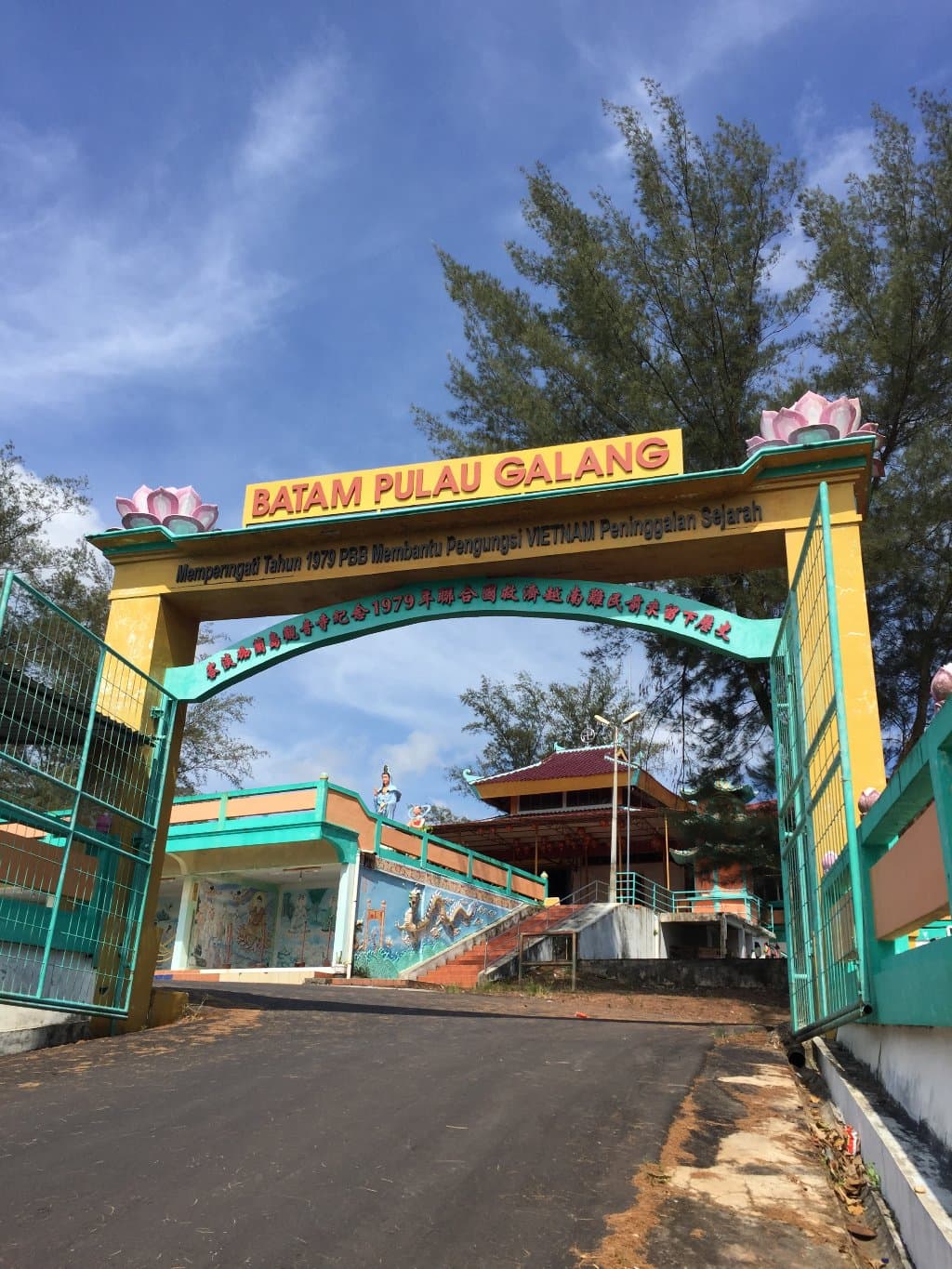
Galang Refugee Camp Indonesia
A poignant historical site preserving the legacy of Vietnamese refugees who found temporary sanctuary in Indonesia.
Highlights
Must-see attractions

Social
From TikTok & Reddit
Best Time
Fewer crowds, cooler temperatures
Galang Refugee Camp Indonesia
Best Time
Fewer crowds, cooler temperatures
Highlights
Must-see attractions
A poignant historical site preserving the legacy of Vietnamese refugees who found temporary sanctuary in Indonesia.
"A perfect place to remember the past, about the suffering of Vietnamese people who fled the war in their country."
🚗 Arrange Local Transport
Taxis can be expensive; consider hiring a local driver or going with a friend for better navigation and cost.
🐒 Watch Your Belongings
Monkeys are present in the area, so be mindful of your personal items.
Highlights
Discover the most iconic attractions and experiences
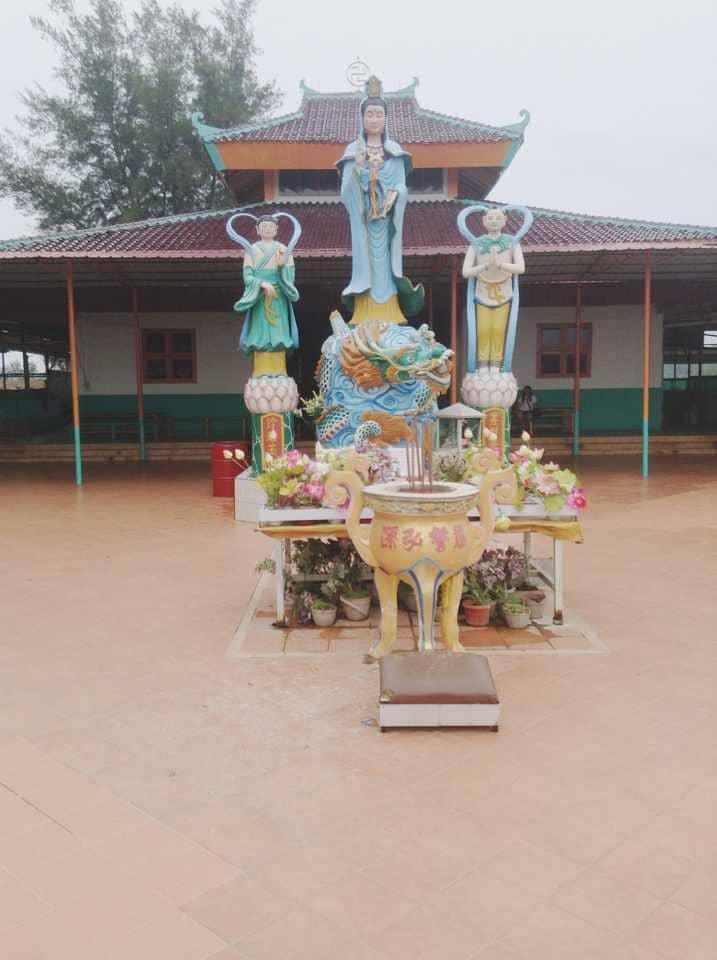
The Hilltop Temple
Summit of the camp
A serene spiritual center offering panoramic views and a poignant reminder of faith amidst hardship.
The Museum of Memories
Central area
Discover artifacts, photos, and models detailing the harrowing journey and lives of Vietnamese refugees.
Former Refugee Dwellings
Scattered throughout the camp
Explore the remnants of schools, hospitals, and homes, offering a tangible connection to the past.
Restored Refugee Tombs
Camp cemetery
A touching tribute to those who perished during their journey, maintained by successful alumni.
Plans like a pro.
Thinks like you
Planning Your Visit
Plan Your Journey to Kampung Vietnam
Respect and Preservation
Best Times
Insider Tips
from TikTok, Instagram & Reddit
where to go in Batam?
🚗 Arrange Local Transport
Taxis can be expensive; consider hiring a local driver or going with a friend for better navigation and cost.
🐒 Watch Your Belongings
Monkeys are present in the area, so be mindful of your personal items.
🙏 Be Respectful
This is a historical site; treat all exhibits and structures with care and reverence.
💧 Stay Hydrated
It can get hot and humid, so carry plenty of water.
Tips
from all over the internet
🚗 Arrange Local Transport
Taxis can be expensive; consider hiring a local driver or going with a friend for better navigation and cost.
🐒 Watch Your Belongings
Monkeys are present in the area, so be mindful of your personal items.
🙏 Be Respectful
This is a historical site; treat all exhibits and structures with care and reverence.
💧 Stay Hydrated
It can get hot and humid, so carry plenty of water.
What Travellers Say
Reviews Summary
Visitors find the Galang Refugee Camp a poignant historical site, offering a deep dive into the Vietnamese refugee experience. While many appreciate Indonesia's preservation efforts, some note the camp's deteriorating condition and the need for better exhibit curation. Despite these drawbacks, it's considered a worthwhile visit for its historical significance and the stories it tells.
"For those who love history, this camp is a perfect place to remember the past, about the suffering of Vietnamese people who fled the war in their country.
Unfortunately, the local government has neglected and upkeep of this place, resulting in many buildings being destroyed beyond repair. All that remains are models in the museum room at the camp.
Nevertheless, this place is still worth visiting."
Ivan
"It was an OK experience. Drove quite far away from Batam city center to see the place. It was pretty clean but I think the gov can make the place better than now.
I don't think they keep it that well. You could see some of the books is put inside this glass box but inside of the box is very dirty. Also, they have this collection of photos without actually telling a story."
Olivia M
"Such a beautiful place. As a Vietnamese, I am grateful to Indonesia for preserving it as a museum."
lvt phong
What People Like
What People Dislike
Frequently Asked Questions
🚇 🗺️ Getting There
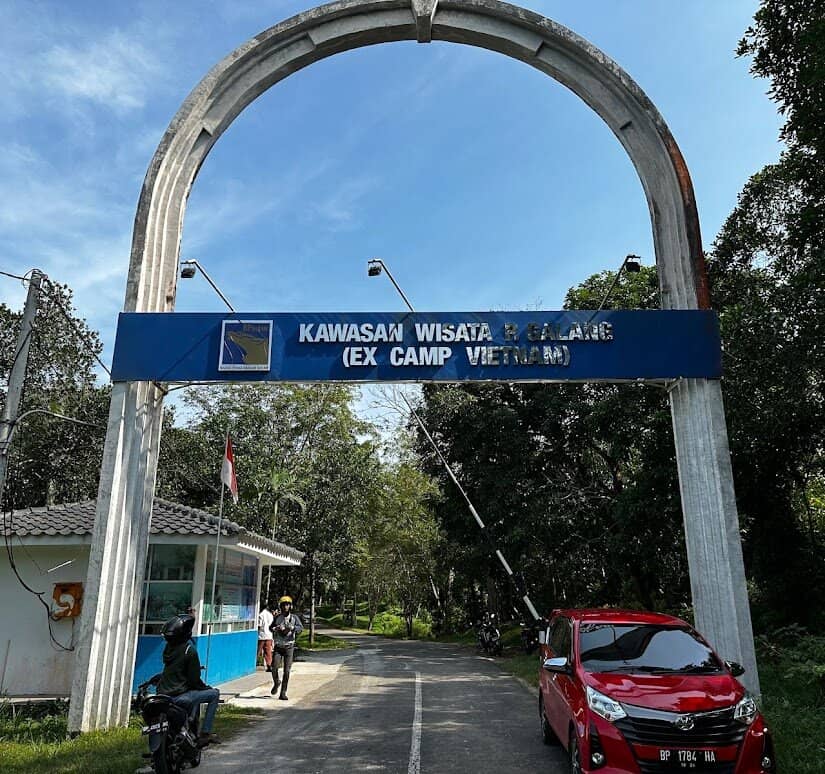
The Galang Refugee Camp, also known as Kampung Vietnam, is located on Galang Island, quite a distance from Batam city center. It's best to hire a private car or motorbike taxi for the journey, which can take over an hour. Many visitors recommend arranging this through a local contact or a trusted driver, as navigating public transport can be challenging and expensive.
Finding immediate return transportation can be difficult. It's advisable to arrange your return trip with your driver beforehand or ensure they are available for pick-up.
The travel time from Batam city center to the Galang Refugee Camp is approximately 1 to 1.5 hours, depending on traffic and road conditions.
While specific tour packages might be limited, many local drivers offer day trips that include the refugee camp. Inquire at your accommodation or local tourist information centers for recommendations.
Cycling is possible but not recommended for most tourists due to the long distance and potentially challenging road conditions. It's a significant undertaking.
🎫 🎫 Tickets & Entry
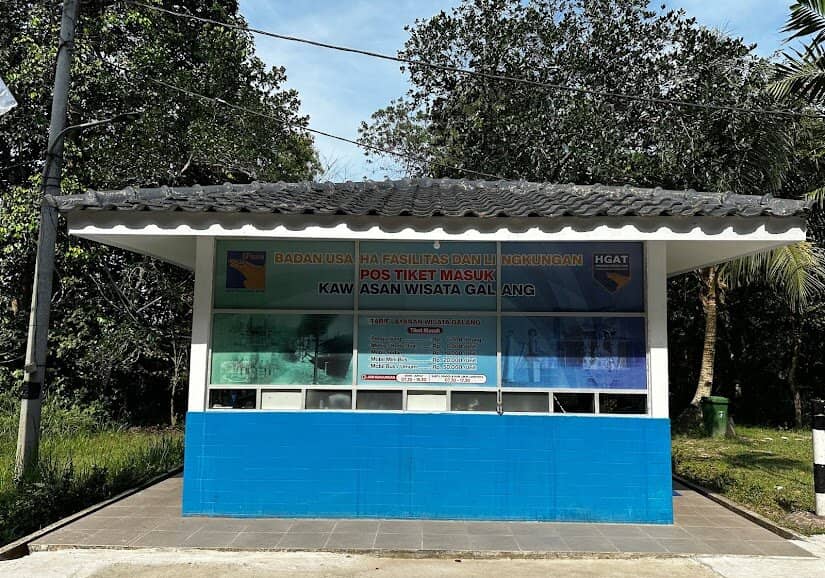
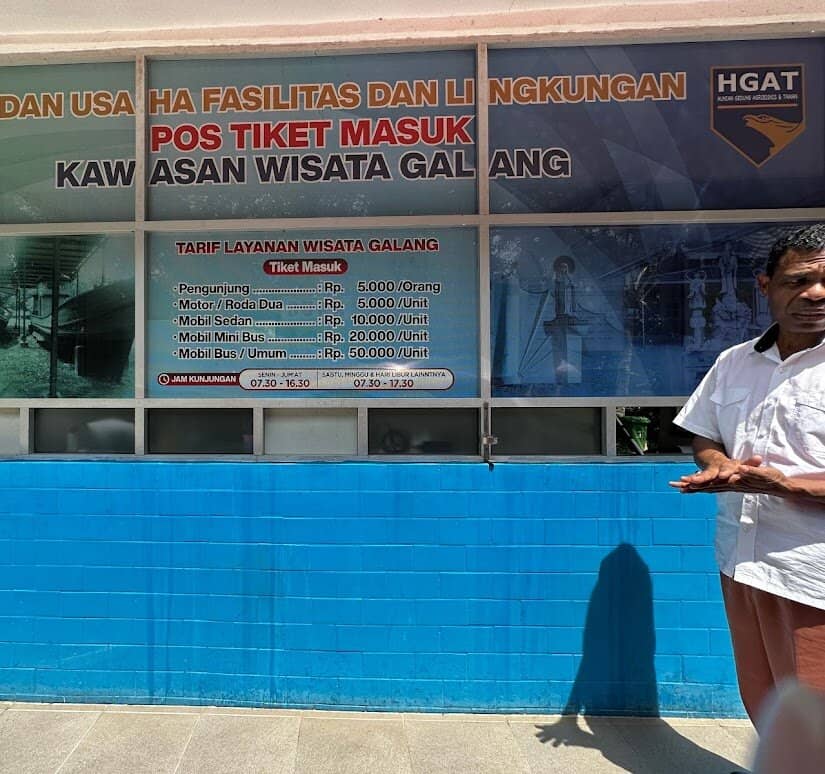
Currently, there is no official entrance fee mentioned by visitors. However, it's always a good idea to check for any local charges upon arrival.
The camp is generally accessible during daylight hours. The museum and specific facilities might have their own operating times, so visiting earlier in the day is advisable.
No advance booking is typically required for the Galang Refugee Camp. Visitors can usually enter freely.
Visitors are expected to be respectful of the historical significance of the site. Be mindful of the exhibits and the overall atmosphere.
The camp is likely open on public holidays, but it might be more crowded. It's best to confirm local holiday schedules if planning a visit on such days.
🎫 🧭 Onsite Experience
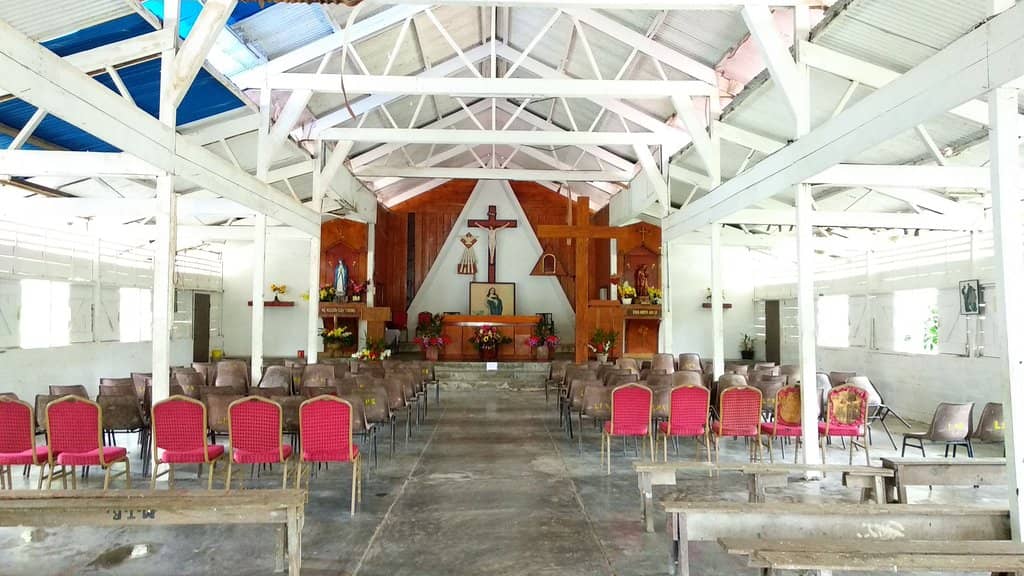
You can explore the hilltop temple, a museum with artifacts and models, former refugee dwellings like schools and hospitals, and the restored tombs of refugees. It offers a comprehensive look at the history of Vietnamese refugees in Indonesia.
Reviews suggest that while the site is historically significant, some buildings are in disrepair, and the museum exhibits could benefit from better upkeep and storytelling.
Official guided tours are not widely advertised. However, hiring a local driver might provide some insights, or you can explore independently.
The camp is generally considered safe, but visitors should be aware of their surroundings and belongings, especially due to the presence of monkeys.
Comfortable walking shoes are essential as you'll be exploring the grounds. Light, breathable clothing is recommended due to the tropical climate. Dress respectfully, as it is a historical and memorial site.
📸 📸 Photography
Photography is generally allowed within the camp grounds and the museum. However, always be respectful and avoid photographing individuals without their consent. Some exhibits might have specific restrictions.
The hilltop temple offers great panoramic views. The various structures, including former dwellings and the museum exhibits, also provide compelling photographic opportunities to capture the historical atmosphere.
When photographing museum exhibits, be mindful of lighting conditions. Some displays might be behind glass, which can cause reflections. Focus on capturing the essence of the artifacts and their historical context.
Drone usage regulations can vary. It's best to check local rules and obtain any necessary permissions before flying a drone over the camp.
A versatile lens, such as a 24-70mm, would be useful for capturing both wider scenes and details. A wide-angle lens can be great for the temple and expansive views. Consider bringing a polarizing filter to manage reflections.
For Different Travelers
Tailored advice for your travel style
👨👩👧 Families with Kids
It's advisable to prepare children beforehand about the historical context of the camp. Focus on the stories of resilience and hope. The hilltop temple can be a visually engaging point for younger visitors. Ensure children are supervised, especially around any potentially unstable structures and be aware of the presence of monkeys.
🤔 History Enthusiasts
Visitors interested in this topic will find the restored tombs particularly moving, as they represent the sacrifices made. Engaging with the site requires an appreciation for its historical context and an understanding of the challenges faced by both the refugees and the caretakers of the site.
Deep Dives
In-depth insights and expert knowledge
The History of the Galang Refugee Camp
Life in the camp was challenging, marked by uncertainty and the hope for a better future. Refugees lived in makeshift shelters and established communities, creating a unique cultural enclave on Galang Island. The camp included various facilities such as schools, hospitals, places of worship, and even a boat that symbolized their perilous journey. The memory of this period is preserved through the remaining structures and the museum, offering a poignant glimpse into a significant chapter of Southeast Asian history.
Today, the Galang Refugee Camp Indonesia stands as a memorial and a historical site. While some structures have fallen into disrepair, efforts have been made by former refugees and the local community to restore and maintain key areas, such as the tombs of those who died during their stay. Visiting the camp provides a powerful educational experience, allowing individuals to reflect on the human cost of conflict and the resilience of those seeking refuge.
Navigating the Site and Its Condition
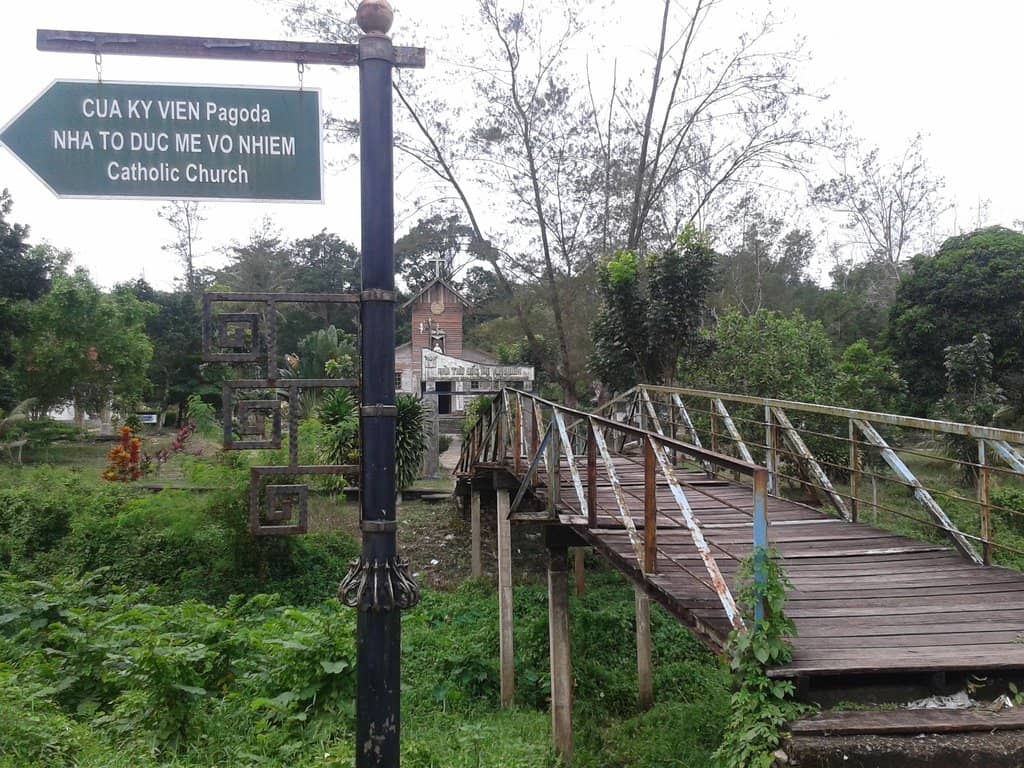
It's important to note that the upkeep of the camp has been a concern for some visitors. While the historical significance is undeniable, many buildings are in a state of disrepair, and some museum displays are described as needing better organization and storytelling. Despite these challenges, the site remains a powerful testament to the refugee experience.
When visiting, wear comfortable shoes as you'll be doing a lot of walking. Be prepared for the tropical climate by staying hydrated. While the camp is a place of remembrance, it's also a reminder of the resilience of the human spirit.



Social
from TikTok, Instagram & Reddit