Vedanthangal Bird Sanctuary
India's oldest bird sanctuary, a 74-acre wetland haven attracting thousands of migratory birds.
Highlights
Must-see attractions

Social
From TikTok & Reddit
Best Time
Peak migratory bird season
Vedanthangal Bird Sanctuary
Best Time
Peak migratory bird season
Highlights
Must-see attractions
India's oldest bird sanctuary, a 74-acre wetland haven attracting thousands of migratory birds.
"A wonderful time surrounded by nature, a great spot for photography, birdwatching, or just relaxing."
🎯 Visit During Peak Season
November to February is best for seeing migratory birds. Outside this, sightings can be sparse.
🎒 Pack Snacks & Water
Food options are limited. Bring your own refreshments to enjoy amidst nature.
Highlights
Discover the most iconic attractions and experiences
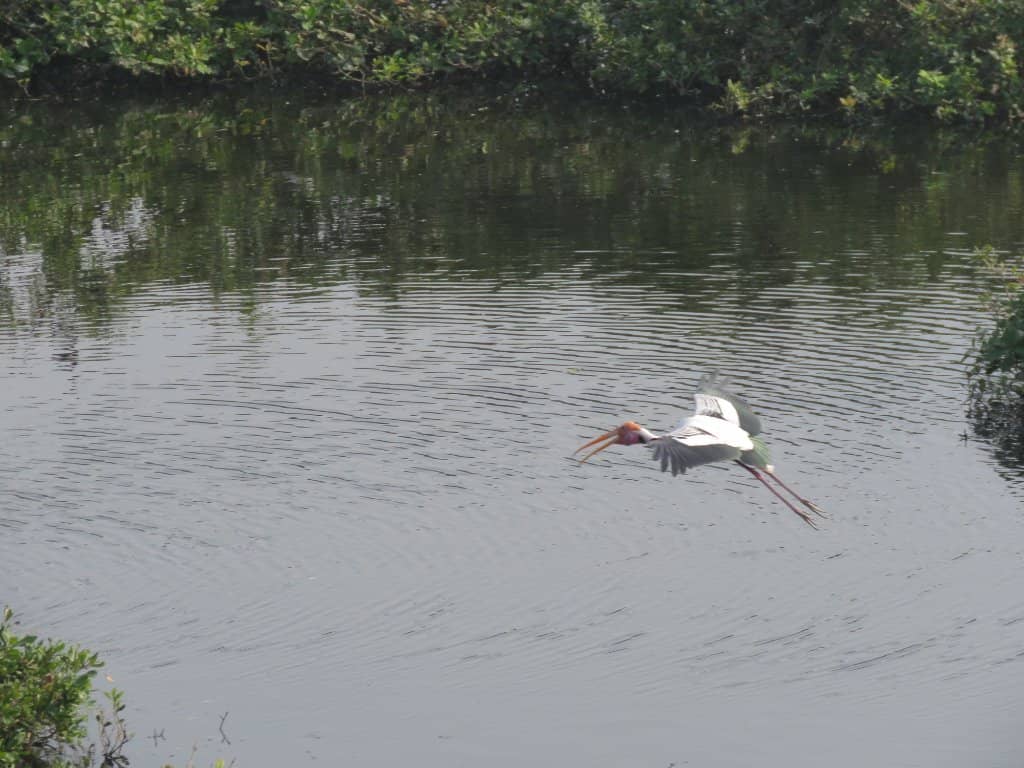
Migratory Bird Spectacle
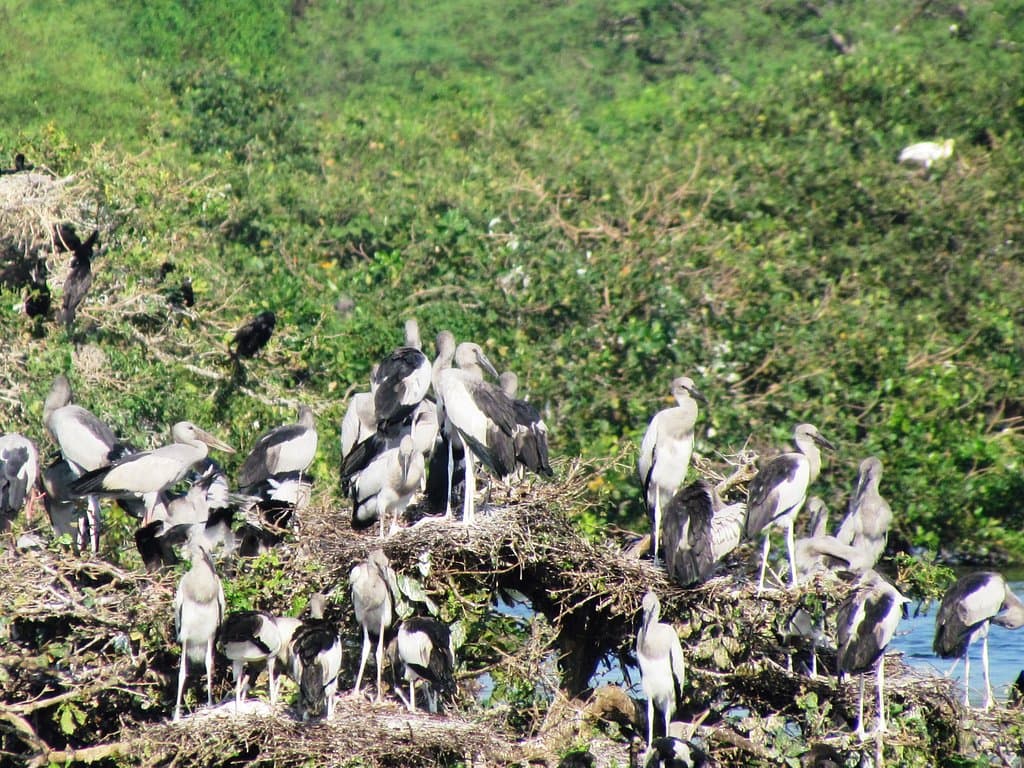
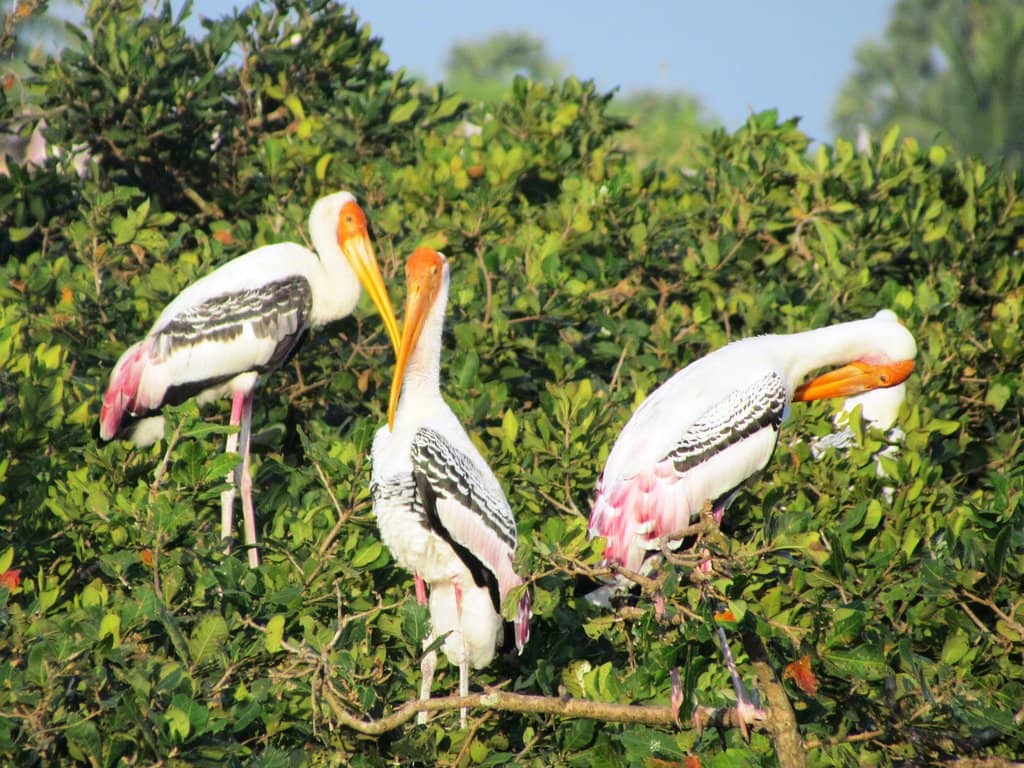
Witness thousands of migratory birds, including pelicans, storks, and herons, in their natural habitat.
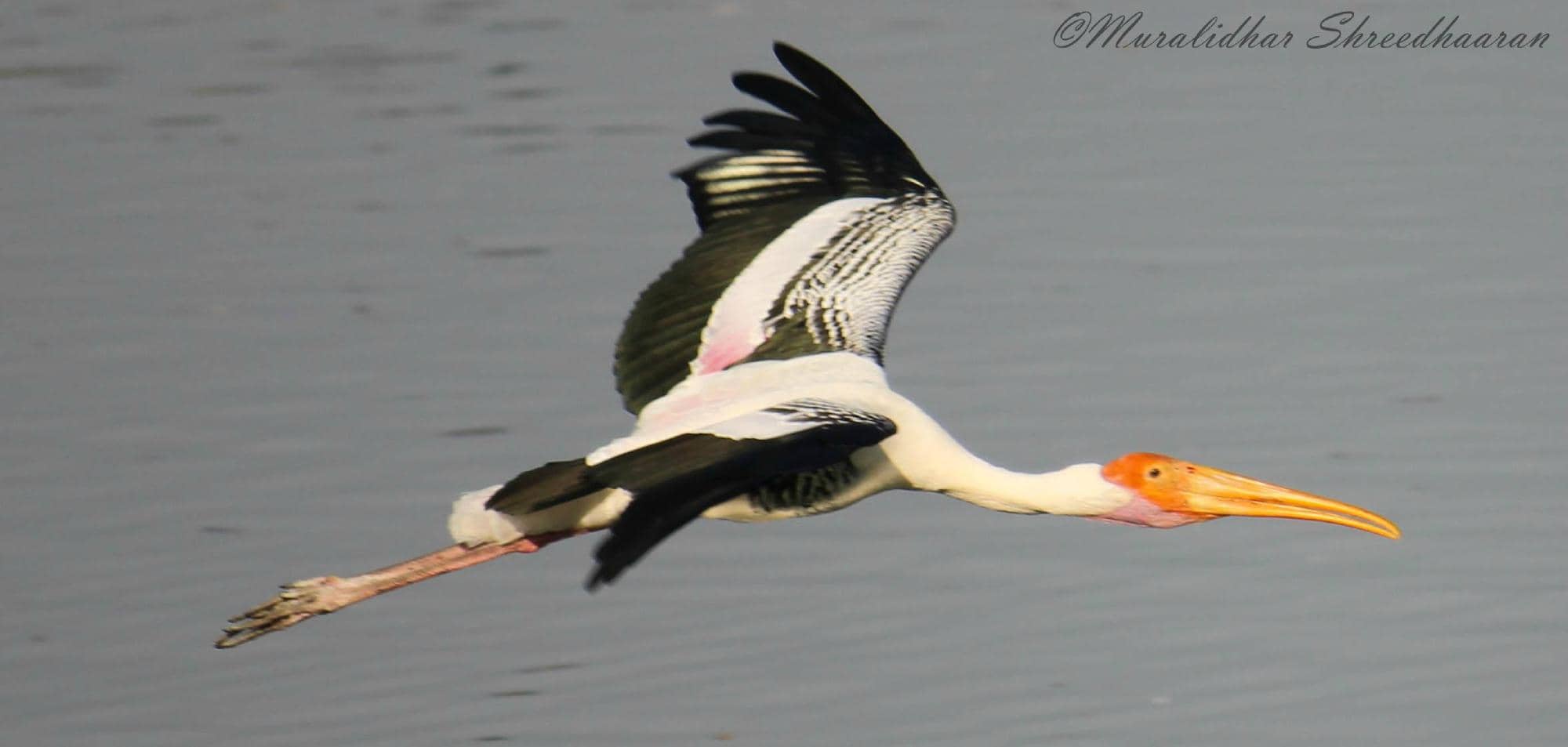
Watchtower Views
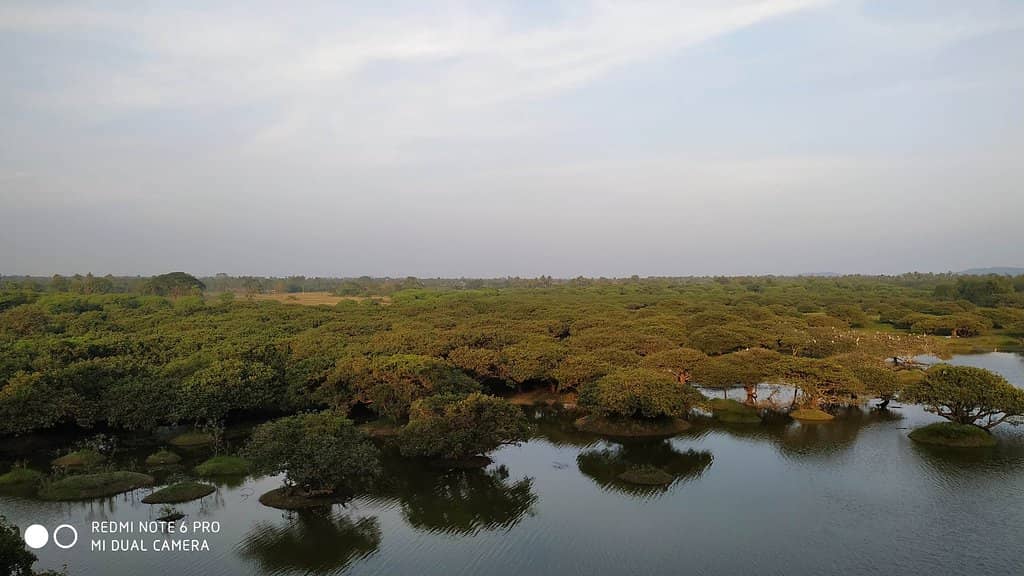
Gain a unique perspective of the sanctuary and its avian residents from the dedicated watchtower.
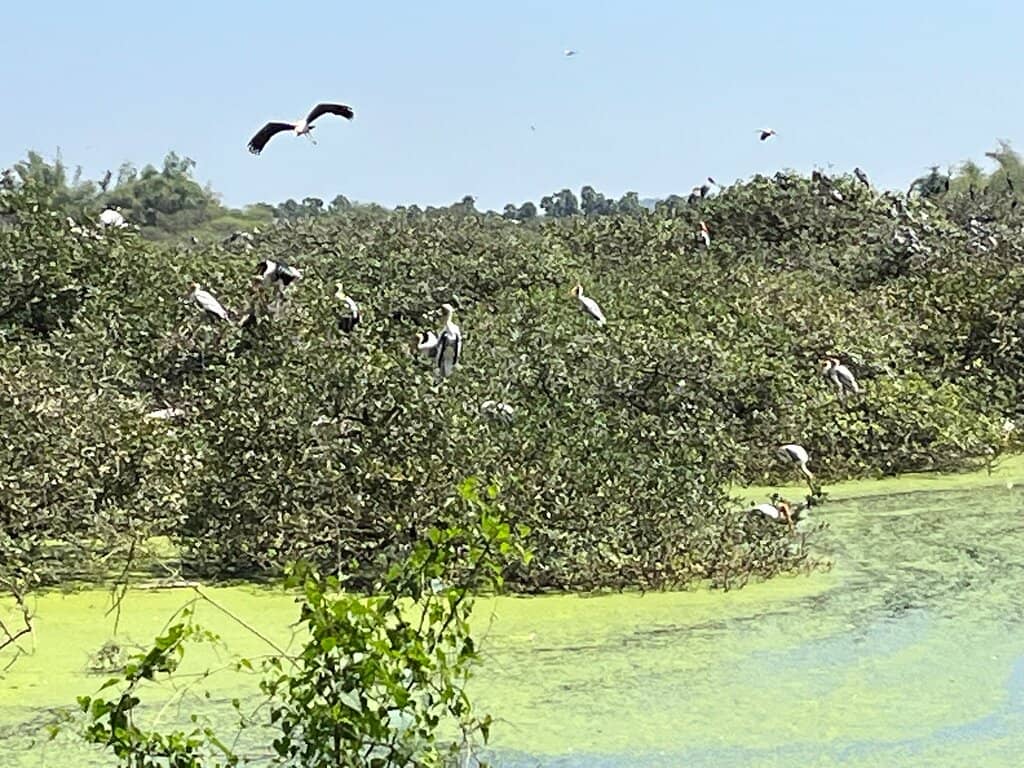
Serene Natural Setting
Enjoy a peaceful escape from the city amidst lush greenery and the soothing sounds of nature.
Plans like a pro.
Thinks like you
Planning Your Visit
Best Time for Bird Sightings
What to Bring & Expect
Best Times
Insider Tips
from TikTok, Instagram & Reddit
🎯 Visit During Peak Season
November to February is best for seeing migratory birds. Outside this, sightings can be sparse.
🎒 Pack Snacks & Water
Food options are limited. Bring your own refreshments to enjoy amidst nature.
🔭 Binoculars: Rent or Skip?
Rentals are available, but clarity might be similar to your own eyes. Consider if it's worth the extra weight.
🚗 Parking Caution
Avoid parking under trees to prevent 'aerial attacks' from birds!
Tips
from all over the internet
🎯 Visit During Peak Season
November to February is best for seeing migratory birds. Outside this, sightings can be sparse.
🎒 Pack Snacks & Water
Food options are limited. Bring your own refreshments to enjoy amidst nature.
🔭 Binoculars: Rent or Skip?
Rentals are available, but clarity might be similar to your own eyes. Consider if it's worth the extra weight.
🚗 Parking Caution
Avoid parking under trees to prevent 'aerial attacks' from birds!
📸 Photography Fees
There's a separate fee for cameras, so be prepared if you plan to capture the avian beauty.
⏰ Early Bird Catches Birds
Arrive early in the morning for the best birdwatching activity and serene views.
What Travellers Say
Reviews Summary
Visitors praise Vedanthangal Bird Sanctuary for its serene natural beauty and the opportunity to witness diverse birdlife, especially during the migratory season. The low entry fees and well-maintained grounds are appreciated, though some note limited food options and potential for low bird activity outside peak months. The unique 'aerial attacks' from birds are a memorable, albeit humorous, aspect.
"Such a blissful place.🌱Full of Nature.🌴This was India's First Bird Sanctuary, established in the year 1936. 🐦🦆Natural breeze is surrounded all over. Cleanly maintained. But walk carefully, the stone sometimes stuck in our leg. Entry ₹10/- per person. Phone camera ₹50/-.For Binoculars you have to rent for ₹100/- from a private person outside."
Kamalesh Arivazhagan
"“I visited the bird sanctuary on 16th November 2025 at around 6:00 am. The place was very calm and peaceful, with fresh air and plenty of greenery all around. The walking paths are clean and easy to follow, making it a comfortable spot for a quiet morning walk.
During my visit, I could see only a few types of birds, but I still enjoyed the overall experience. The sound of nature, the cool morning weather, and the natural surroundings made the visit relaxing and refreshing. It’s a nice place for nature lovers and families , Photographer.who want to spend some peaceful time away from the city rush"
Jeevanmanickam
"Vedanthangal Bird Sanctuary, nestled in the Madurantakam taluk of Tamil Nadu, represents one of India's oldest and most celebrated wildlife sanctuaries. The name 'Vedanthangal' itself reflects its historic roots as a ‘hunter’s hamlet’, with the landscape evolving over centuries from a favored hunting ground to a nature sanctuary of international importance.
Originating in the 18th century, it was declared a protected area under British colonial administration and today stands recognized as a Ramsar wetland, affirming its significance on a global stage for avian biodiversity.
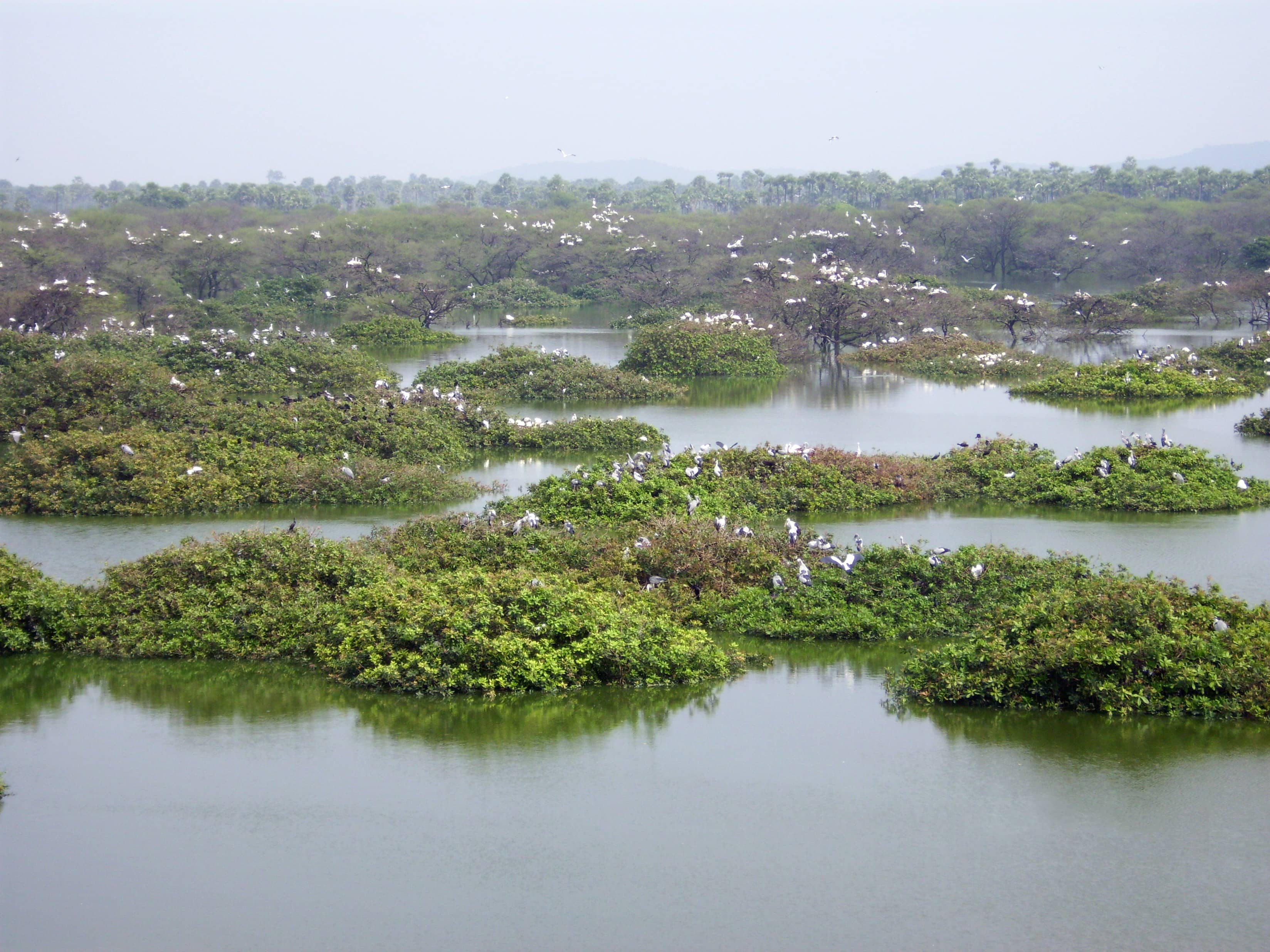
Upon arriving at Vedanthangal, visitors are greeted by an expansive and picturesque wetland, enveloped in greenery and bordered by a carefully maintained pathway that traces the edge of the lake.
The sanctuary covers around 74 acres, and its tranquil ambiance is frequently punctuated by the calls of thousands of birds. With over 40,000 birds recorded during the migratory season, the site transforms each year into a living mosaic as flocks descend from as far away as Siberia, Australia, Canada, and Sri Lanka.
Birdwatchers and nature lovers are treated to close-up views of painted storks, open-billed storks, spoonbills, herons, egrets, and pelicans, among others. The sanctuary’s unique draw is its accessibility—multiple watchtowers and viewing platforms overlook the breeding grounds and water bodies, making bird observation a delight even for casual visitors.
The sanctuary experience is both educational and immersive. Near the entrance, a cool hall equipped with video displays narrates the stories and characteristics of hundreds of species that frequent the sanctuary.
Facilities are focused on convenience with restrooms, clean drinking water, ample parking, and the ability to hire binoculars for closer views of nesting birds. There’s no restaurant inside, but the serenity of the setting more than compensates, encouraging visitors to linger and absorb the natural spectacle.
Visiting Vedanthangal is best from November to March, when the migratory season is at its peak and birds are most active in breeding and nest-building.
The sanctuary’s commitment to conservation and eco-tourism is evident in its strict guidelines, maintaining quiet, respecting wildlife, and promoting sustainable visitor practices. Dedicated to the well-being of both its feathered guests and human visitors, Vedanthangal stands not only as a haven for birds but also as a sanctuary for those seeking peace, beauty, and a deeper connection with nature."
A J Bashha
What People Like
What People Dislike
Frequently Asked Questions
🚇 🗺️ Getting There
Vedanthangal Bird Sanctuary is approximately 75 km from Chennai via NH45. You can drive your own vehicle, taking narrow roads through green fields. Alternatively, take a train to Chengalpattu and then local buses or taxis.
Yes, it's considered an easy day trip from Chennai, offering a peaceful escape into nature.
Traveling by your own vehicle is convenient, especially once you enter the village. Public transport options are available via Chengalpattu.
The sanctuary is tucked away about 12 km from the national highway, accessible via winding roads through lush green fields.
Yes, you can take a train to Chengalpattu and then catch buses or taxis to the sanctuary.
🎫 🎫 Tickets & Entry
Entry fees are nominal: ₹10 for adults, ₹5 for children. Mobile phone entry is free, but camera charges are ₹50.
Yes, there is a small entry fee of ₹5 for children. Children under 5 years old usually have no entry fee.
There is a camera fee of ₹50 for photography within the sanctuary.
Yes, snacks are allowed inside the sanctuary, and it's recommended to bring your own food as proper restaurants are scarce nearby.
The sanctuary is typically open from 6 AM to 6 PM, but it's always good to confirm current timings.
🎫 🐦 Onsite Experience
You can spot thousands of migratory birds, including pelicans, storks, and herons, along with 115 identified species, some of which are rare. 
Yes, there is a watchtower and three viewpoints spread across a 1 km stretch, offering great views of the birds.
Binoculars are available for rent outside the gate, typically around ₹50-₹100, though their clarity might not be significantly better than your own eyes.
The sanctuary is generally well-maintained with clean walkways and seating areas, offering a serene atmosphere.
Early mornings are recommended for the best bird activity and to witness scenic sunrise views over the wetlands.
🍽️ 🍽️ Food & Dining
There are no proper restaurants within the sanctuary. It's advisable to carry your own food and snacks.
Food options are limited near the sanctuary. Visitors often enjoy fresh guava fruits and tender coconuts from local vendors.
Yes, you can bring your own food and enjoy a picnic in the natural surroundings.
📸 📸 Photography
Absolutely! It's a hotspot for photography, allowing you to capture stunning shots of birds and serene landscapes.
There is a specific fee for using cameras within the sanctuary, which is ₹50.
Wildlife photography is popular, focusing on the diverse species of migratory and resident birds.
While generally permitted, always be mindful of the birds' space and avoid disturbing them.
For Different Travelers
Tailored advice for your travel style
👨👩👧 Families with Kids
It's a great opportunity for children to connect with nature and learn about different birds. Remember to pack snacks and water, as food options are limited. The nominal entry fees make it an affordable outing for the whole family.
📸 Photography Enthusiasts
+1While there's a camera fee, the opportunity to photograph diverse species in their natural habitat is well worth it. Visiting during the peak season (November to February) and early mornings will maximize your chances of getting incredible shots.
🌿 Nature Lovers & Peace Seekers
It's a perfect spot to relax, unwind, and immerse yourself in nature. The well-maintained trails allow for leisurely walks, making it a refreshing escape.
Deep Dives
In-depth insights and expert knowledge
A Haven for Avian Life
+1The sanctuary's history is deeply intertwined with the local community, who have protected it for over 200 years. This long-standing tradition of conservation has ensured its status as a crucial stopover for birds traveling vast distances. The presence of rare species further underscores its ecological importance.
Visiting during the peak season, typically from November to February, offers the most rewarding experience. Outside this period, bird activity can be significantly reduced, as some visitors have noted. Early morning visits are also highly recommended for observing birds at their most active.
Planning Your Visit: Practicalities
Upon arrival, you'll find nominal entry fees for adults and children, with separate charges for cameras. It's wise to carry your own snacks and water, as dining facilities are limited. While binoculars can be rented, their effectiveness might be comparable to your own eyesight, so consider this before renting.
A unique aspect of visiting is the potential for 'aerial attacks' from birds if you park under trees – a humorous reminder of the sanctuary's inhabitants! Also, be aware that while toilets are present, they might be locked, so plan accordingly.


Social
from TikTok, Instagram & Reddit