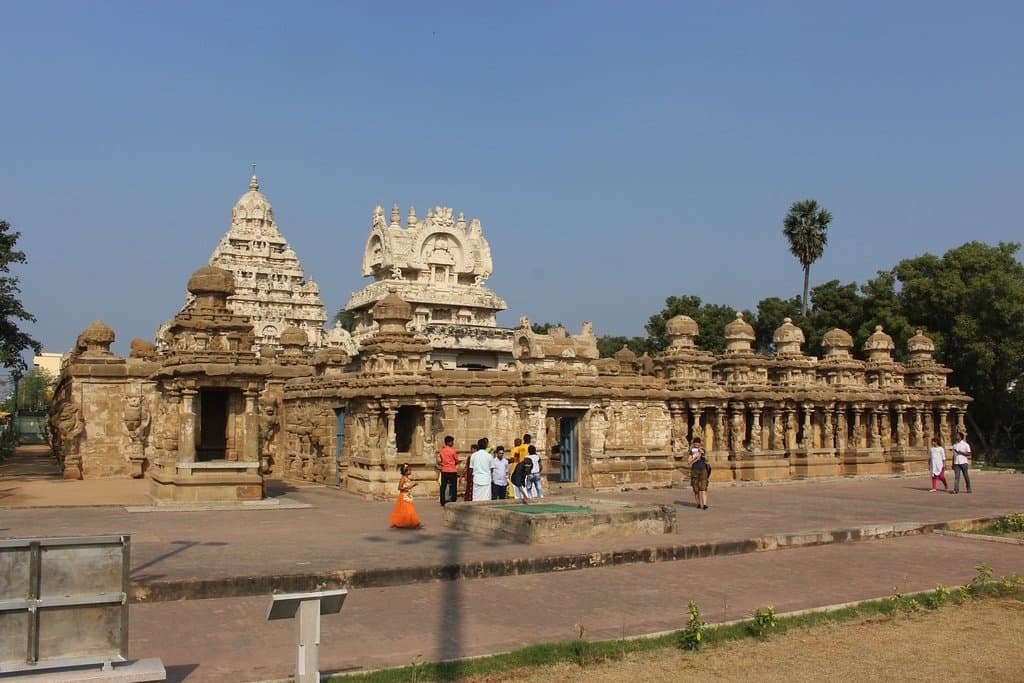
Kailasanathar Temple Kanchipuram
A 7th-century masterpiece of Pallava architecture, this sandstone temple is adorned with intricate carvings and offers a unique spiritual journey.
Highlights
Must-see attractions

Social
From TikTok & Reddit
Best Time
Fewer crowds, cooler temperatures
Kailasanathar Temple Kanchipuram
Best Time
Fewer crowds, cooler temperatures
Highlights
Must-see attractions
A 7th-century masterpiece of Pallava architecture, this sandstone temple is adorned with intricate carvings and offers a unique spiritual journey.
"Mesmerizing architecture is the single word I will describe it. 7th century Temple built by Pallavas."
Wear Comfortable Shoes
You'll be doing a lot of walking and exploring the intricate details of the temple. :athletic_shoe:
Carry Water and Snacks
Stay hydrated, especially during warmer months. Small shops are available nearby. :water_wave:
Quick Facts
Hours
Rating
4.8 · 9,851 reviews
Type
Hindu Temple
Highlights
Discover the most iconic attractions and experiences
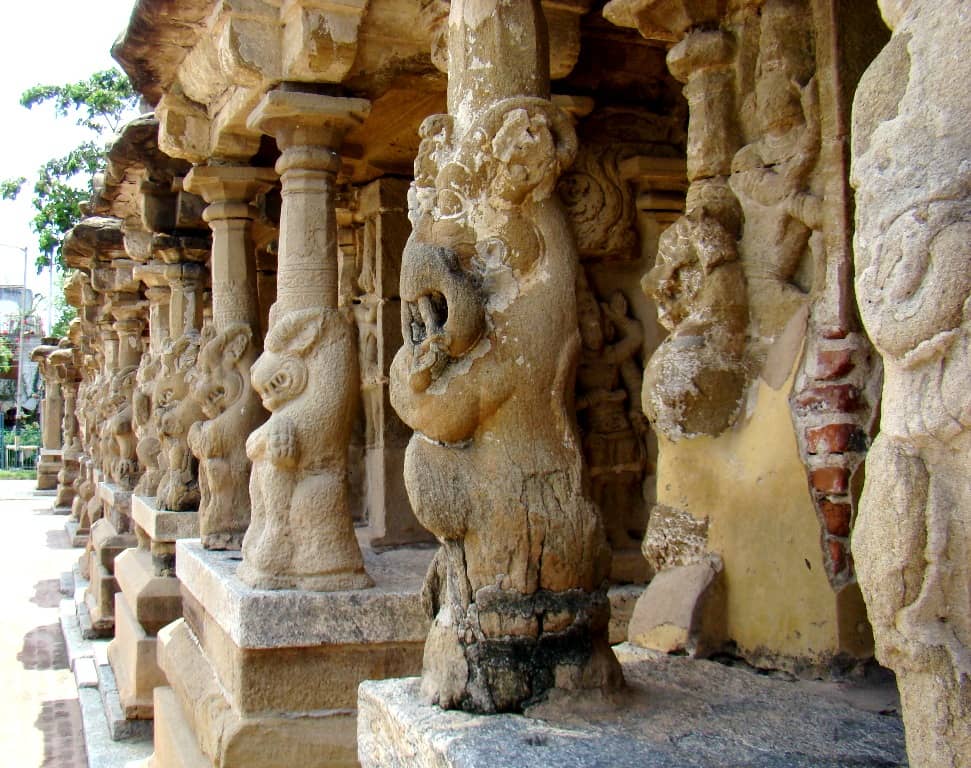
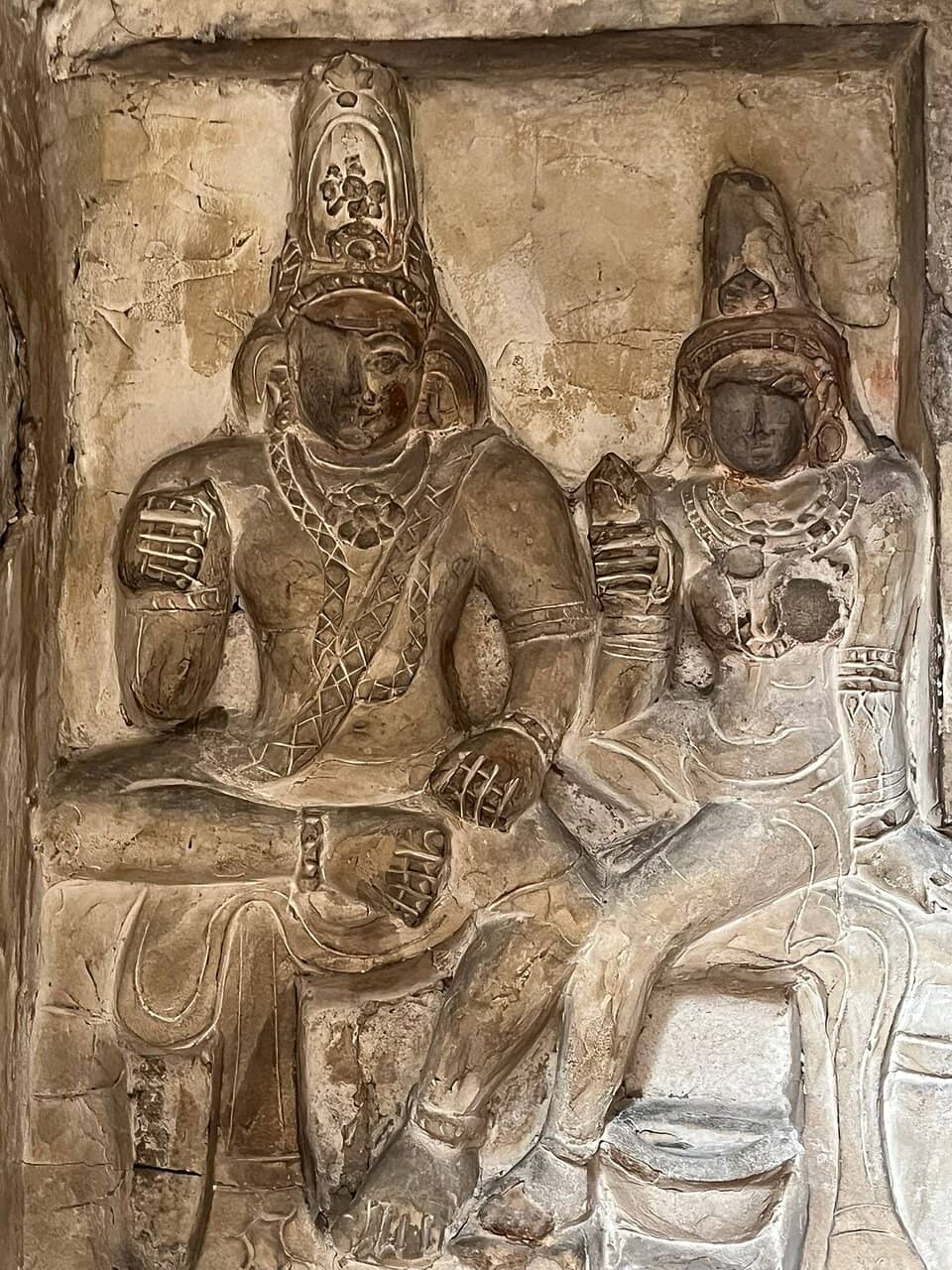
Intricate Sandstone Carvings
Outer walls and inner cells
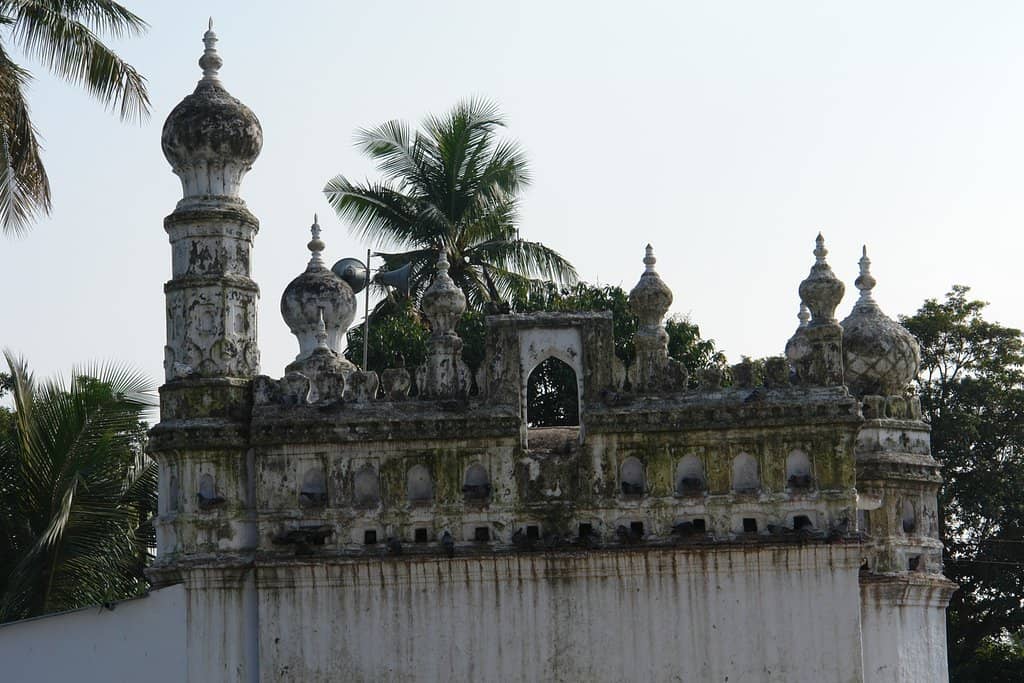
Marvel at the detailed sculptures depicting various forms of Shiva and Hindu mythology, carved from sandstone.

The 'Mine Idol Path'
Inner passage
Experience a unique spiritual journey through a narrow passage symbolizing rebirth and renewal.
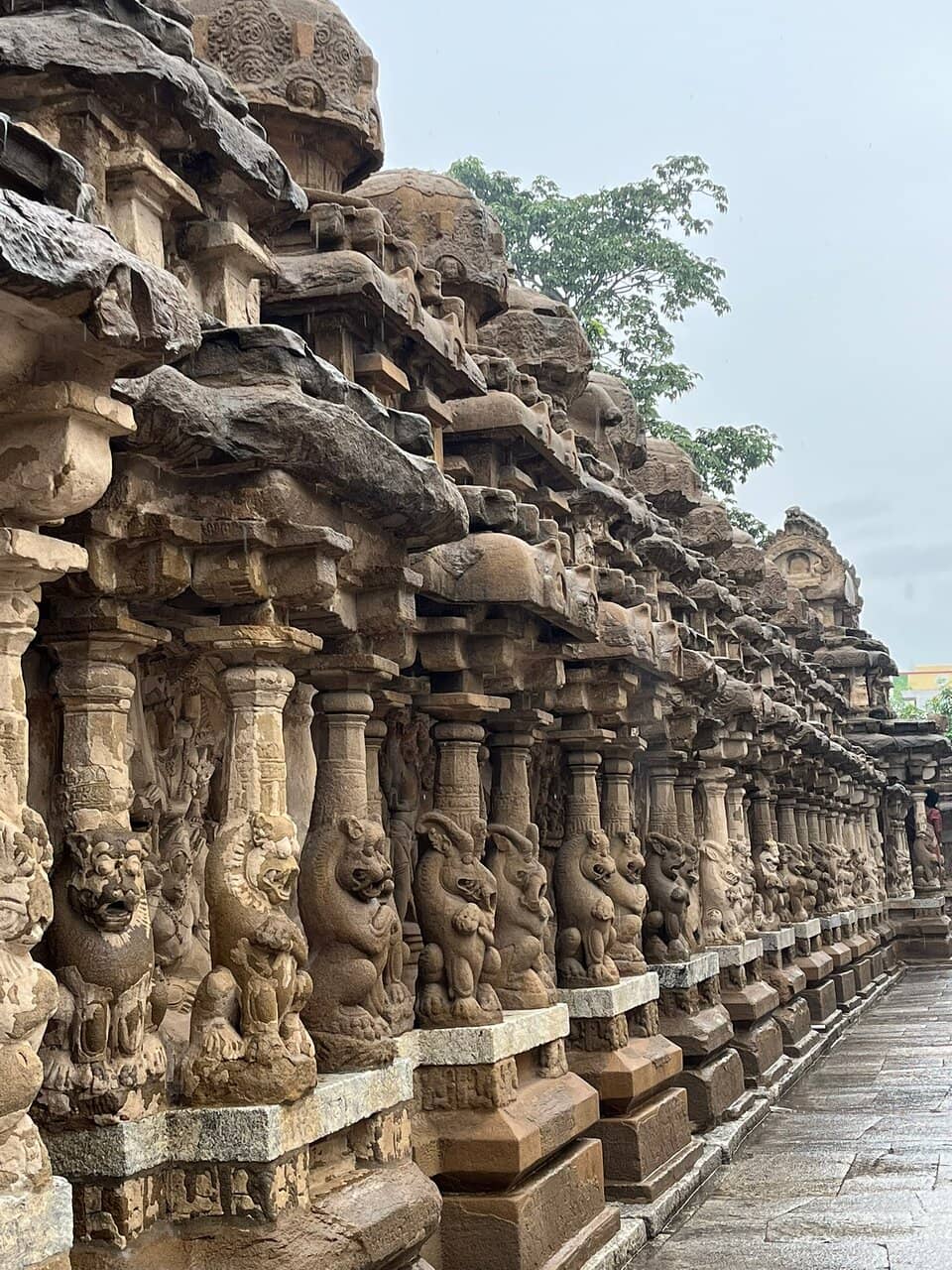
58 Meditating Shrines
Surrounding the main temple
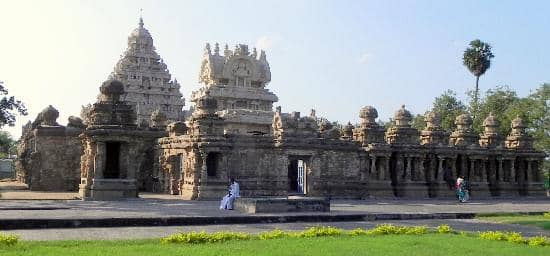
Discover numerous small cells, each housing a depiction of Shiva, offering spaces for quiet contemplation.
Plans like a pro.
Thinks like you
Planning Your Visit
Timing is Key for the Best Experience
Respectful Attire and Behavior
Best Times
Insider Tips
from TikTok, Instagram & Reddit
Wear Comfortable Shoes
You'll be doing a lot of walking and exploring the intricate details of the temple. :athletic_shoe:
Carry Water and Snacks
Stay hydrated, especially during warmer months. Small shops are available nearby. :water_wave:
Respectful Dress Code
Cover shoulders and knees to show respect at this sacred site. :womanintunic:
Allow ample time
Don't rush; take your time to appreciate the detailed carvings and serene atmosphere. :clock1:
Tips
from all over the internet
Wear Comfortable Shoes
You'll be doing a lot of walking and exploring the intricate details of the temple. :athletic_shoe:
Carry Water and Snacks
Stay hydrated, especially during warmer months. Small shops are available nearby. :water_wave:
Respectful Dress Code
Cover shoulders and knees to show respect at this sacred site. :womanintunic:
Allow ample time
Don't rush; take your time to appreciate the detailed carvings and serene atmosphere. :clock1:
What Travellers Say
Reviews Summary
Visitors consistently praise the Kailasanathar Temple for its breathtaking architecture and intricate sandstone carvings, calling it a masterpiece of Pallava art. The serene atmosphere and unique spiritual elements like the 'Mine Idol Path' are highly appreciated, making it a must-visit for history and spirituality enthusiasts. Some mention that the original paintings have faded and that the sandstone carvings show signs of erosion over time.
"Kailasanatha Temple is truly an ancient architectural wonder and a must-visit spot in Kanchipuram. The surroundings are beautifully maintained with lush green lawns, giving the whole place a peaceful and refreshing feel. The temple area is clean, and currently some parts are under renovation, which shows they are taking efforts to preserve this historic monument.
One sad part is that tourists are not allowed to go inside the main sanctum to pray, which might be disappointing for many who visit with devotion. Still, the temple’s stunning stone carvings, rich history, and calm atmosphere make it a memorable experience.
Highly recommended for history lovers, architecture admirers, and anyone who enjoys calm spiritual places."
Bimal Rajah
"Located in a quiet part of the city, the temple offers a serene and undisturbed spiritual experience, far from the usual crowds. Built during the 7th–8th century by the Pallava king Rajasimha, it is renowned for its unique sandstone architecture, intricate carvings, and peaceful ambience.
Designed in the classical Dravidian style with a blend of rock-cut and stone-built elements, the temple features beautifully sculpted outer walls, a narrow circumambulatory passage, and a majestic main shrine dedicated to Lord Shiva. At its centre stands a striking 16-sided black granite Shiva Lingam.
The temple complex houses 58 small shrines, each dedicated to different forms of Shiva. The pillars showcase typical Pallava craftsmanship, adorned with multi-directional mythical lions. Notable sculptures include Shiva as Gangadhara, capturing the descent of the river Ganga with a single strand of his hair, and an elegant depiction of Goddess Durga.
The temple is well maintained and monitored by security personnel. A large Nandi (bull) statue sits outside the temple facing the Shiva Lingam, as per tradition. Some of the sculptures show signs of erosion due to rain and harsh sunlight, and a few have suffered damage over time.
Overall, it is truly worth visiting this temple, where Lord Shiva continues to be worshipped with devotion."
Shankarappa A
"Visited with family on a bright, sunny day and were delighted by every corner of this monument. The Pallava-era complex, dates to around 700 CE, displays classic Dravidian architecture and an astonishing array of intricate stone carvings that reward slow exploration. The temple grounds are well laid out with a maintained lawn; sculpted panels and narrow corridors invite you to linger and absorb the stories in stone. Facilities are basic but the craftsmanship and sense of history make it an ideal family-friendly outing. Bring water, wear comfortable shoes, and aim for early morning or late afternoon to avoid the heat. Parking is a pain but available kerbside for free. Wasn't very crowded on a public holiday surprisingly. Perhaps it's not that popular with the current history seekers. Highly recommended for anyone who loves history, art, and architecture."
Abhishek Bhargava
What People Like
What People Dislike
Frequently Asked Questions
🚇 🗺️ Getting There
Kailasanathar Temple is located in Kanchipuram, Tamil Nadu, approximately 60 km from Chennai. You can reach Kanchipuram by road via NH48. Regular buses and taxis are available from Chennai and other nearby cities. The temple is situated in the main city, and the approach road is good.
Yes, street parking is available near the temple premises.
The most convenient way is by car or taxi, taking about 1.5 to 2 hours. Alternatively, you can take a bus from Chennai's CMBT bus stand to Kanchipuram.
Kanchipuram is known as the 'City of Thousand Temples,' so you'll find many other significant temples nearby, including the Ekambareswarar Temple and the Kamakshi Amman Temple.
Absolutely! It's a popular day trip destination from Chennai, allowing you to explore the temple and other attractions in Kanchipuram.
🎫 🎫 Tickets & Entry
Entry to the Kailasanathar Temple is generally free, as it is an active place of worship managed by the Archaeological Survey of India (ASI).
The temple is typically open from 6:00 AM to 6:00 PM daily. It's advisable to check for any specific timings or holiday closures.
No advance booking is usually required for entry to Kailasanathar Temple. Visitors can enter during opening hours.
Photography is generally permitted in most areas of the temple, but it's always good to check for any specific restrictions, especially inside the inner sanctums.
During major Hindu festivals, visiting hours might be extended or adjusted. It's best to inquire locally or check official temple announcements if you plan to visit during a festival.
🎫 🏛️ Onsite Experience
It's one of the oldest surviving structural temples in South India, dating back to the 8th century, built by the Pallava dynasty. It's dedicated to Lord Shiva and is a masterpiece of Dravidian architecture.
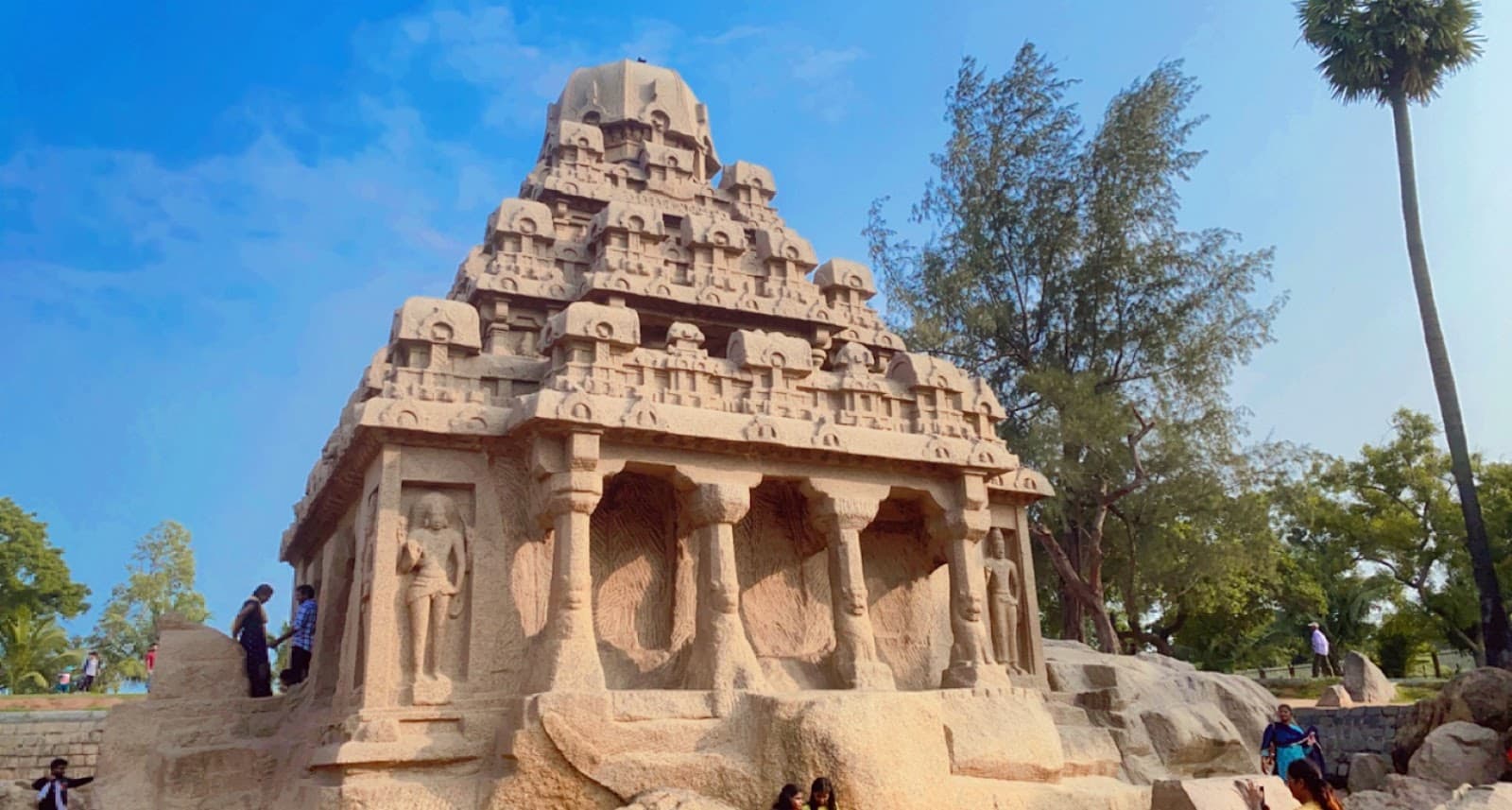
The temple is renowned for its intricate sandstone carvings, pyramidal tower, and numerous small shrines depicting various forms of Shiva. It's considered a pioneering example of stone temple construction in South India.
This is a narrow inner passage within the temple complex, believed to symbolize rebirth and renewal, offering a unique spiritual experience for devotees.
While official guides might not always be present, local guides may offer their services. You can also explore the temple independently and learn from information boards if available.
It's recommended to wear modest clothing that covers your shoulders and knees out of respect for the religious site.
🍽️ 🍽️ Food & Dining
Yes, Kanchipuram is a well-facilitated town with plenty of dining options, from local eateries serving South Indian cuisine to more established restaurants.
Many restaurants in Kanchipuram offer vegetarian meals, as it's a common preference in South Indian cuisine.
While there might be small shops selling water and tea/coffee outside the temple, dedicated food stalls inside are unlikely.
Kanchipuram is famous for its silk sarees, but also for its delicious South Indian vegetarian meals, including dosas, idlis, and sambar.
It's generally advisable to eat at reputable restaurants or eateries to ensure hygiene and food safety.
📸 📸 Photography
The intricate carvings on the outer walls, the pyramidal tower, and the serene courtyards offer excellent photographic opportunities. The 'Mine Idol Path' can also be visually interesting.
Drone photography regulations can be strict in India, especially around historical and religious sites. It's best to check with local authorities or the ASI for permission before flying a drone.
Late afternoon, during the golden hour, provides beautiful lighting for capturing the temple's details and architecture. Early mornings can also offer soft light and fewer people.
While general photography is allowed, avoid using flash inside certain areas or photographing religious rituals without permission. Always be respectful.
A camera with good low-light capabilities and a versatile lens would be ideal for capturing both the grand architecture and the intricate details of the carvings.

Social
from TikTok, Instagram & Reddit