
Bhubaneswari Temple
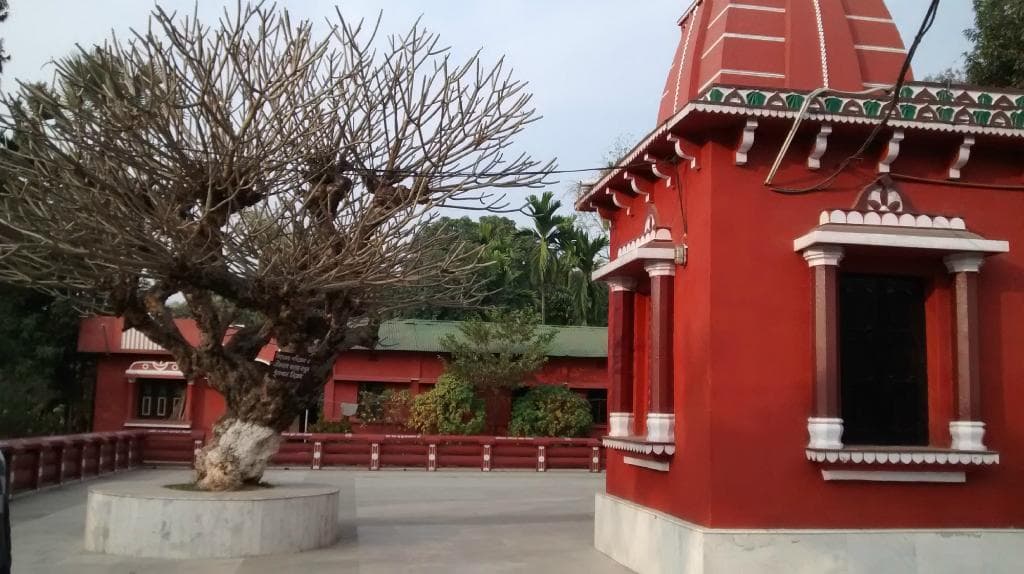
A unique 17th-century temple in Tripura showcasing Bengal's Charchala architecture with a distinctive dome, set by the Gomati River.
Highlights
Must-see attractions

Social
From TikTok & Reddit
Best Time
Pleasant weather, peaceful atmosphere
Bhubaneswari Temple
Best Time
Pleasant weather, peaceful atmosphere
Highlights
Must-see attractions
A unique 17th-century temple in Tripura showcasing Bengal's Charchala architecture with a distinctive dome, set by the Gomati River.
"Admire the unique Charchala architecture and serene riverside setting of this historical gem."

🌿 Peaceful Gardens
Explore the well-maintained gardens surrounding the temple for a serene experience. :evergreen_tree:
📸 Photography Friendly
Capture the unique architecture and scenic river views. Remember to be respectful. :camerawithflash:

Highlights
Discover the most iconic attractions and experiences
Charchala Architecture
Admire the unique Bengal Charchala style architecture with its flat platform and single arch entrance.
Gomati Riverfront
Enjoy the tranquil setting on the banks of the Gomati River, offering a peaceful ambiance.

Rabindranath Tagore's Connection
Discover the historical significance as this temple is mentioned in Rabindranath Tagore's works.
Plans like a pro.
Thinks like you
Planning Your Visit
Timing Your Visit
Temple Etiquette
Best Times
Insider Tips
from TikTok, Instagram & Reddit
🌿 Peaceful Gardens
Explore the well-maintained gardens surrounding the temple for a serene experience. :evergreen_tree:
📸 Photography Friendly
Capture the unique architecture and scenic river views. Remember to be respectful. :camerawithflash:
🚶♂️ Historical Exploration
Combine your visit with the nearby palace ruins for a deeper historical dive. :old_key:
🌳 Shaded Retreat
The tree shades offer a magical and cool respite, perfect for a relaxing visit. :tree:
Tips
from all over the internet
🌿 Peaceful Gardens
Explore the well-maintained gardens surrounding the temple for a serene experience. :evergreen_tree:
📸 Photography Friendly
Capture the unique architecture and scenic river views. Remember to be respectful. :camerawithflash:
🚶♂️ Historical Exploration
Combine your visit with the nearby palace ruins for a deeper historical dive. :old_key:
🌳 Shaded Retreat
The tree shades offer a magical and cool respite, perfect for a relaxing visit. :tree:
What Travellers Say
Reviews Summary
Bhubaneswari Temple is praised for its unique Bengal Charchala architecture and serene riverside location. Visitors appreciate the well-maintained gardens and the historical significance, including its mention by Rabindranath Tagore. While some note the absence of a deity idol, the overall atmosphere is described as peaceful and picturesque, making it a worthwhile historical site.
"Bhubaneswari Temple is a Hindu temple located in Tripura, India, in Udaipur (55 km from Agartala). Believed to be built in 1660–1675 AD, it is located next to the palace built by Maharaja Govinda Manikya. The temple is mentioned in Rabindranath Tagore's work.
The temple reflects the Charchala style architecture of Bengal. There is a flat raised platform over which the chamber is built with a single arch entrance.This place is maintained by ASI."
Sourav Sarkar
"It is a small and nice temple structure. There is no vigrah inside. Maintained by ASI."
vishal sharma
"Cute temple with excellent garden and seems like it's been renovated recently with a layer of mud on the outer walls of entrance hall and sanctum.Built around the end of 17th century on a high pedestal on the shoreline of Gomati river,architecture is nice with small entrance hall and sanctum base having dochala roofs and inverted Islamic lotus dome for the sanctum tower which is little odd and unique."
Purushotham Sunku
What People Like
What People Dislike
Frequently Asked Questions
🚇 🗺️ Getting There
Bhubaneswari Temple is located in Udaipur, approximately 55 km from Agartala. You can hire a taxi or take a local bus to reach Udaipur, and then find local transport to the temple. The journey typically takes around 1.5 to 2 hours by road.
Hiring a private taxi from Agartala offers the most convenience and flexibility. Alternatively, local buses are available and are a more budget-friendly option, though they may take longer.
Yes, the temple is situated next to the palace built by Maharaja Govinda Manikya and is also near the Gomati River. It's a historically significant area.
🎫 🎫 Tickets & Entry
There is generally no entry fee to visit Bhubaneswari Temple. It is maintained by the Archaeological Survey of India (ASI).
The temple is usually open from morning to evening. It's advisable to visit during daylight hours for the best experience and to appreciate the architecture and surroundings.
No, advance booking is not required as there is no entry fee. You can visit anytime during the open hours.
The temple has a raised platform and a single arch entrance. While the main structure might be accessible, the surrounding garden areas could have uneven paths. It's best to check on-site for specific accessibility details.
🎫 🧭 Onsite Experience
The temple exhibits the Charchala style architecture of Bengal, characterized by a flat raised platform, a single arch entrance, and dochala roofs. It uniquely features an inverted Islamic lotus dome for the sanctum tower.
No, there is no vigrah (deity idol) inside the main chamber of Bhubaneswari Temple. The focus is on the historical and architectural significance of the structure itself.
Photography is generally permitted within the temple premises, but it's always good to be observant of any local signage or ask for guidance to ensure you are being respectful.
Yes, the temple premises, with its gardens and riverside location, are considered a nice picnic spot by visitors, offering a calm and scenic environment.
A visit to Bhubaneswari Temple itself can take about 30-60 minutes, depending on your interest in exploring the architecture and the surrounding gardens. If you combine it with the nearby palace ruins, allow for more time.
📸 📸 Photography
The unique Charchala architecture, the riverside views, and the well-maintained gardens offer excellent photographic opportunities. The inverted dome is a particularly distinctive feature to capture.
Drone usage is typically restricted at historical and religious sites. It's advisable to check with local authorities or the ASI for any specific regulations regarding drone photography.
Early mornings or late afternoons, especially during the golden hour, provide beautiful lighting for photography, enhancing the temple's aesthetic appeal and the surrounding natural beauty.
For Different Travelers
Tailored advice for your travel style
👨👩👧 Families with Kids
🚶♂️ History Buffs & Culture Enthusiasts
Deep Dives
In-depth insights and expert knowledge
Architectural Marvels
The temple's construction is attributed to the period between 1660 and 1675 AD, during the reign of Maharaja Govinda Manikya. Although there is no idol within the sanctum, the architectural brilliance and historical context make it a significant site. The Archaeological Survey of India (ASI) maintains the temple, ensuring its preservation for future generations. Visitors often remark on the recent renovations, noting a fresh layer of mud on the outer walls, which adds to its rustic charm.
Historical Significance and Cultural Echoes
This secluded location, surrounded by lush green forest cover, provides a calm and peaceful environment. It's not just a place of worship but also a historical landmark and a serene spot for reflection. The presence of tree shades makes the area magical and comfortable, contributing to its reputation as a pleasant picnic spot. The blend of history, architecture, and natural beauty makes Bhubaneswari Temple a compelling destination for those exploring Tripura.


Social
from TikTok, Instagram & Reddit