
Ethnological Museum Nea Karvali
Discover the vibrant heritage of Pontic Greeks through traditional costumes, household items, and tools at this charming ethnographic museum.

Highlights
Must-see attractions

Social
From TikTok & Reddit
Best Time
Fewer crowds, peaceful exploration
Ethnological Museum Nea Karvali
Best Time
Fewer crowds, peaceful exploration
Highlights
Must-see attractions
Discover the vibrant heritage of Pontic Greeks through traditional costumes, household items, and tools at this charming ethnographic museum.
"A delightful journey into the past, showcasing the resilience and artistry of Nea Karvali's settlers."

📸 Capture the Details
Take your time to observe the intricate details in the costumes and artifacts; photos are usually allowed for personal use.
🗣️ Engage with Staff
If available, chat with museum staff for deeper insights into the exhibits and local history.

Highlights
Discover the most iconic attractions and experiences
Traditional Costumes
Main Exhibition Hall
Admire intricate, handcrafted folk costumes showcasing the region's rich cultural tapestry and historical attire.

Household Artifacts
Domestic Life Section
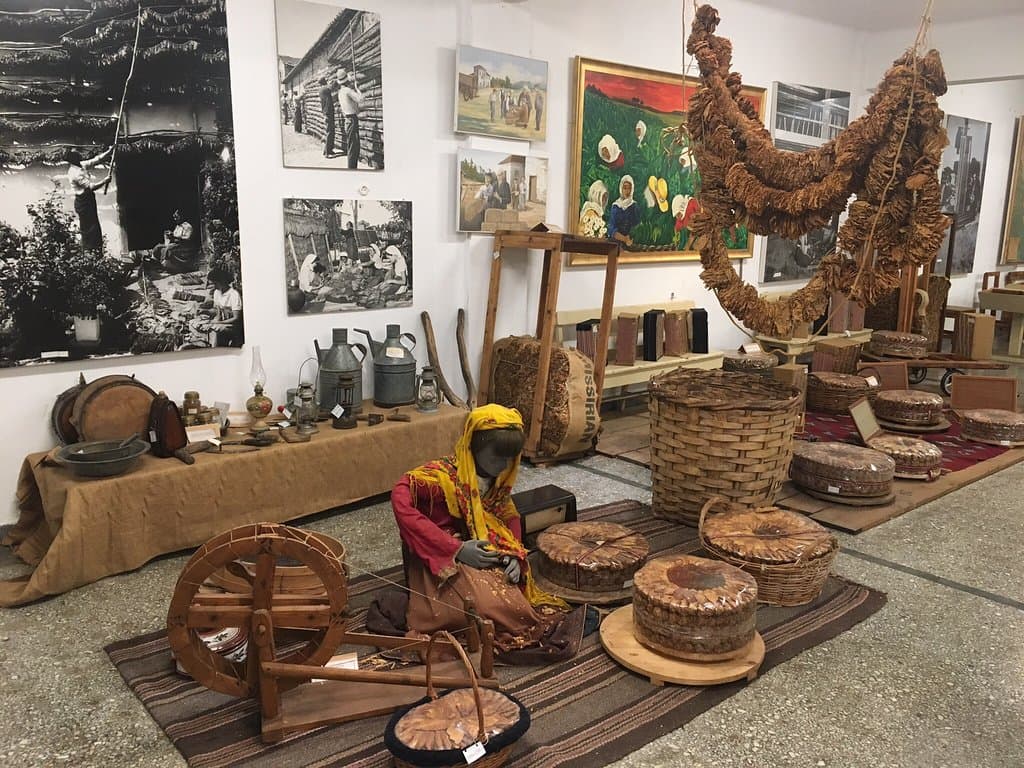
Discover everyday objects that paint a vivid picture of life in Nea Karvali through the ages, from tools to furniture.

Local Crafts and Tools
Artisan Displays
Explore the tools and creations of local artisans, highlighting the skills and trades that shaped the community.
Plans like a pro.
Thinks like you
Planning Your Visit
Check Opening Hours
Plan Your Visit Duration
Best Times
Insider Tips
from TikTok, Instagram & Reddit
📸 Capture the Details
Take your time to observe the intricate details in the costumes and artifacts; photos are usually allowed for personal use.
🗣️ Engage with Staff
If available, chat with museum staff for deeper insights into the exhibits and local history.
🚶♀️ Wear Comfortable Shoes
You'll be on your feet exploring, so comfortable footwear is key for a pleasant visit.
Tips
from all over the internet
📸 Capture the Details
Take your time to observe the intricate details in the costumes and artifacts; photos are usually allowed for personal use.
🗣️ Engage with Staff
If available, chat with museum staff for deeper insights into the exhibits and local history.
🚶♀️ Wear Comfortable Shoes
You'll be on your feet exploring, so comfortable footwear is key for a pleasant visit.
What Travellers Say
Reviews Summary
Visitors generally find the Ethnological Museum Nea Karvali to be a charming and informative stop, offering a valuable glimpse into the rich cultural heritage of the Pontic Greek settlers. While it's a smaller institution, the well-preserved exhibits of traditional costumes and household items are highly appreciated for their historical and artistic merit. It's considered a worthwhile visit for those interested in local history and traditions.
What People Like
What People Dislike
Frequently Asked Questions
🚇 🗺️ Getting There
The museum is located in Nea Karvali, Kavala, Greece. Visitors typically arrive by car, as it's a smaller town. Public transport options might be limited, so checking local bus schedules or considering a taxi from Kavala city is advisable.
Street parking is generally available in the vicinity of the museum. It's recommended to look for parking spots on nearby streets, especially during peak tourist seasons.
🎫 🎫 Tickets & Entry
Opening hours can vary. It's best to check the official museum website or contact them directly for the most current information on days and times of operation.
Admission fees are typically modest for smaller ethnographic museums. Check the museum's official channels for the latest ticket prices and any potential discounts.
Online ticket purchasing might not be available for smaller local museums. It's usually possible to purchase tickets upon arrival at the museum's entrance.
🎫 🏛️ Onsite Experience
A visit typically takes about 1 to 2 hours, depending on your interest level. This allows ample time to appreciate the displays of traditional life and culture.
Yes, the museum offers a glimpse into historical life that can be educational for children. However, it's a quiet, exhibit-focused space, so keeping younger ones engaged might require parental guidance.
Generally, photography for personal use is permitted inside the museum. However, it's always a good idea to confirm with museum staff or look for signage regarding photography rules.
Expect to see a collection of traditional clothing, household items, tools, and artifacts that represent the cultural heritage and daily life of Nea Karvali and the surrounding region.
🍽️ 🍽️ Food & Dining
Most small ethnographic museums do not have onsite dining facilities. You'll likely need to find cafes or tavernas in Nea Karvali town or nearby Kavala for refreshments.
Nea Karvali itself has local tavernas offering traditional Greek cuisine. For a wider selection, the city of Kavala is a short drive away and offers numerous dining options.
For Different Travelers
Tailored advice for your travel style
👨👩👧 Families with Kids
To make the visit more interactive, consider turning it into a scavenger hunt for specific items or colors within the exhibits. Discussing the stories behind the objects can also help children connect with the material. Remember that the museum is a place for respectful observation, so setting expectations for quiet behavior beforehand is advisable. The museum's manageable size means it won't overwhelm younger visitors, making it a pleasant and educational outing.
🏛️ History Enthusiasts
This museum is an excellent complement to broader historical studies of Greece, particularly the post-Ottoman era and population exchanges. It allows for a micro-level understanding of how distinct cultural groups maintained their identity while integrating into a new society. The artifacts of daily life are particularly compelling for understanding the social fabric and domestic realities of the past.
Deep Dives
In-depth insights and expert knowledge
Understanding Nea Karvali's Heritage
The collection features a rich array of traditional Pontic Greek costumes, often adorned with intricate embroidery and symbolic motifs. Alongside these, you'll find household items, agricultural tools, and everyday objects that paint a vivid picture of domestic life and the economic activities that sustained the community. These artifacts are not just historical relics; they are storytellers, whispering tales of resilience, craftsmanship, and cultural continuity.
Visiting the museum provides a deeper appreciation for the cultural heritage of Kavala and the broader history of Greek migration. It's a place where the past is brought to life, offering insights into the lives of those who shaped this unique corner of Greece.
What to Expect in the Exhibits
Beyond attire, the museum delves into the domestic sphere, displaying furniture, kitchenware, and personal items that offer a glimpse into the daily routines and living conditions of past generations. You'll also find displays of tools and implements used in local trades and agriculture, illustrating the economic foundations of the community. These items highlight the ingenuity and hard work that characterized life in Nea Karvali.
Each artifact is a piece of a larger narrative, contributing to an understanding of the social history and cultural practices of the region. The museum aims to educate visitors about the unique blend of traditions that define Nea Karvali, making it a valuable stop for anyone interested in Greek folk culture.

Social
from TikTok, Instagram & Reddit