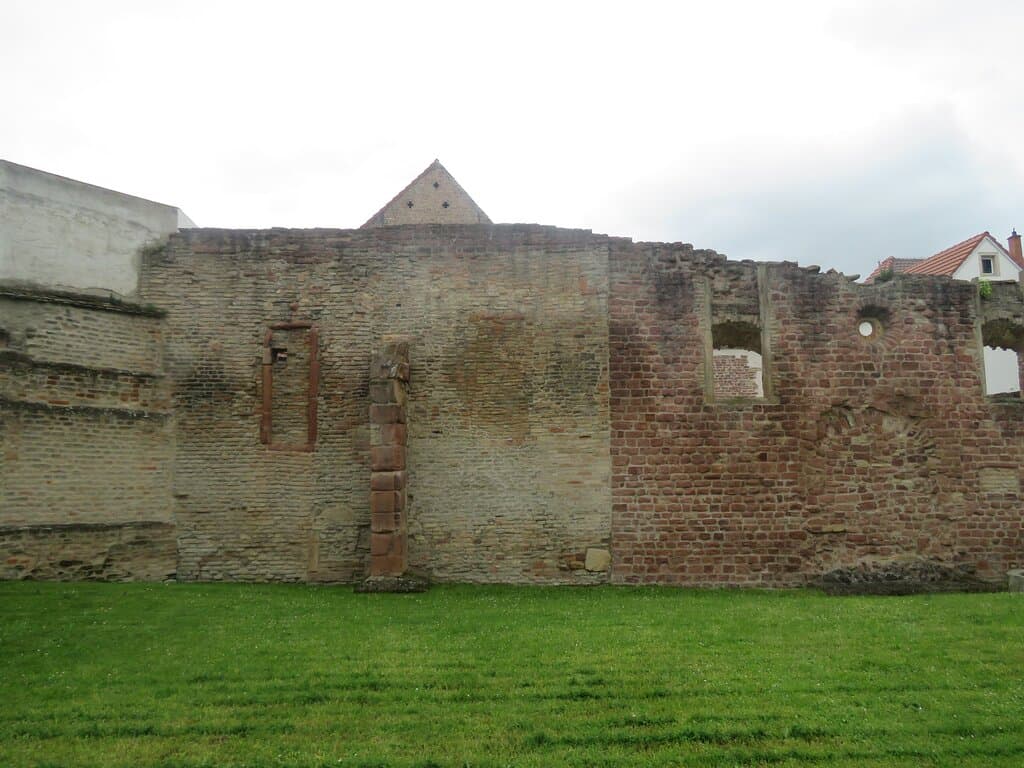
Judenhof ShUM Site and Medieval Mikveh
Explore Europe's oldest medieval mikveh and uncover the rich history of Ashkenazi Jewish life at this UNESCO World Heritage site.
Highlights
Must-see attractions

Social
From TikTok & Reddit
Best Time
Fewer crowds, more reflection
Judenhof ShUM Site and Medieval Mikveh
Best Time
Fewer crowds, more reflection
Highlights
Must-see attractions
Explore Europe's oldest medieval mikveh and uncover the rich history of Ashkenazi Jewish life at this UNESCO World Heritage site.
"An outstanding site and museum, showing the rootedness and cultural integration of Speyer's Jewish community."
🤝 Friendly Staff
Staff are noted for being very friendly and helpful, enhancing the visitor experience. :smiley:
📖 Deep Historical Context
The site offers a profound understanding of Ashkenazi Judaism's development and integration. :books:
Highlights
Discover the most iconic attractions and experiences
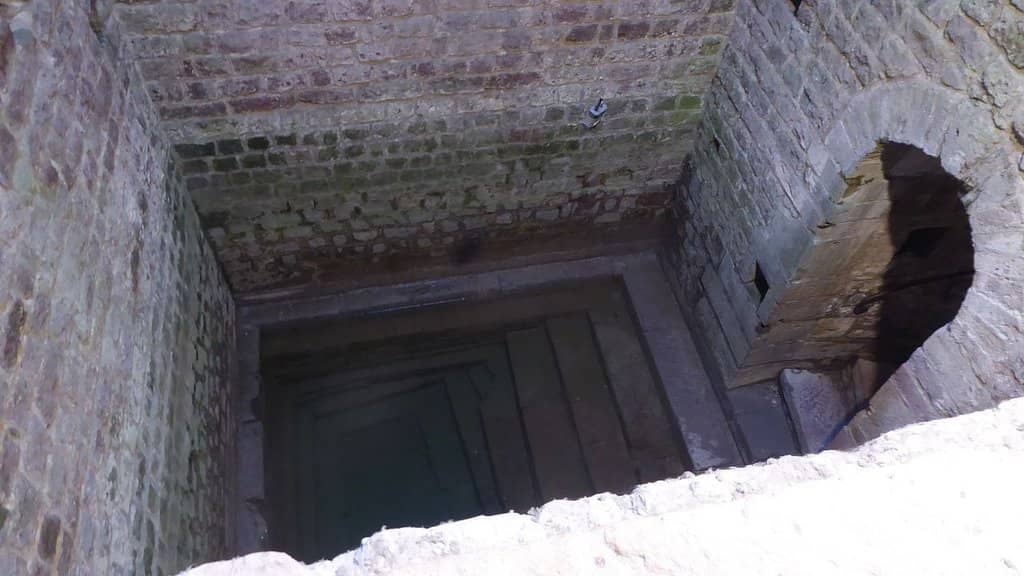
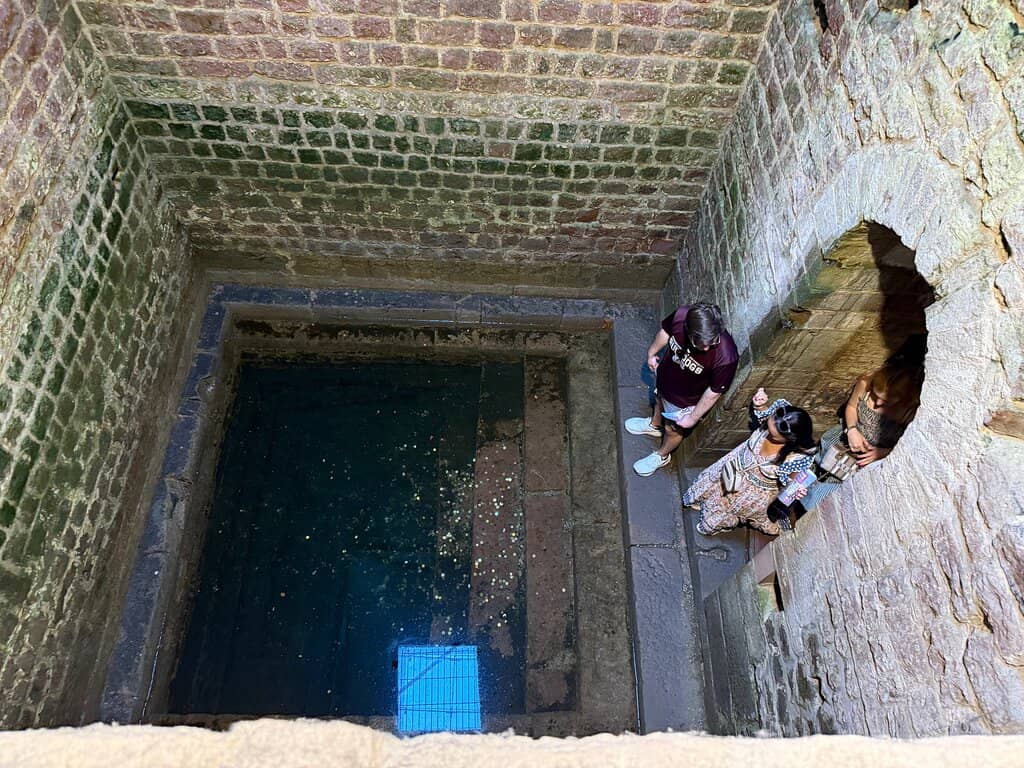
Medieval Mikveh
The heart of the Judenhof
Discover Europe's oldest preserved ritual bath north of the Alps, a testament to medieval Jewish life and practice.
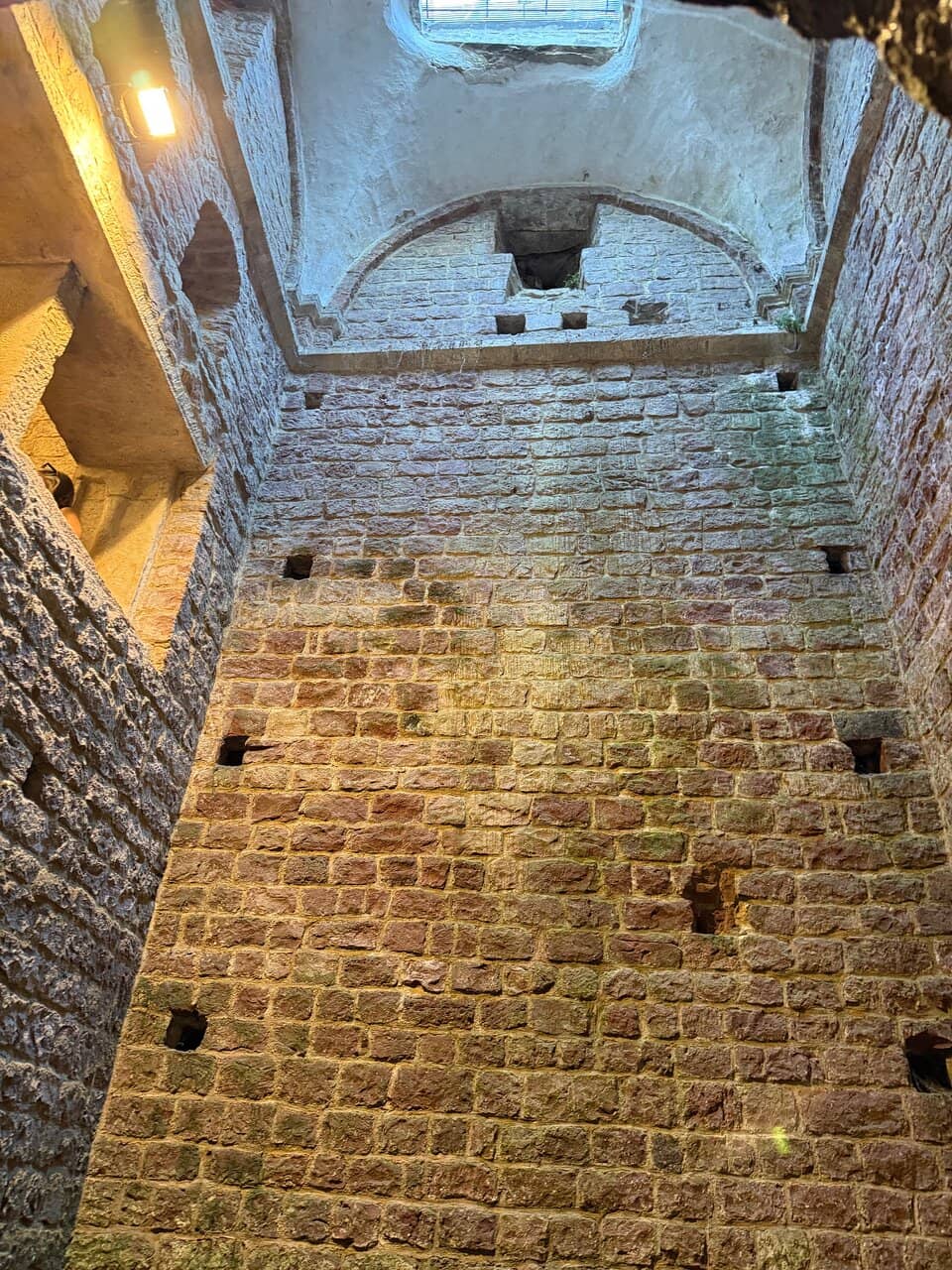
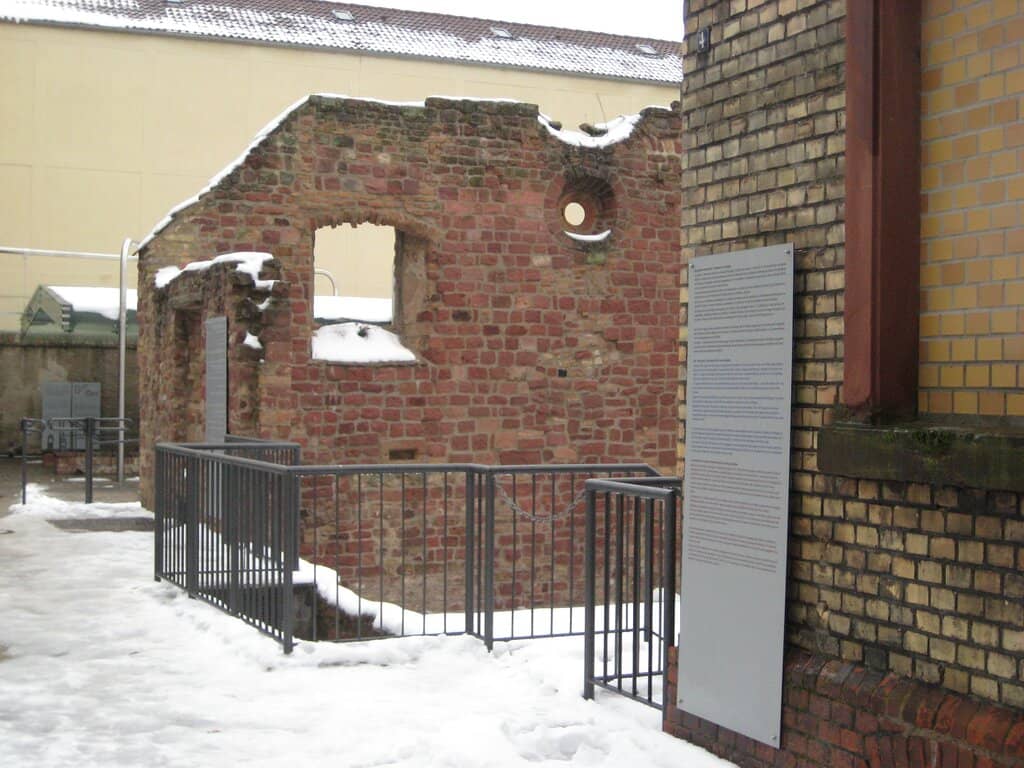
Synagogue Remnants
Adjacent to the mikveh
Explore the foundations and remnants of a once-spacious synagogue, offering a tangible connection to a vibrant past.
Museum and Artifacts
Within the Judenhof complex
Delve into the history of the Ashkenazi Jewish community through well-described artifacts and exhibits.
Plans like a pro.
Thinks like you
Planning Your Visit
Understand the Significance
Allocate Sufficient Time
Best Times
Insider Tips
from TikTok, Instagram & Reddit
🤝 Friendly Staff
Staff are noted for being very friendly and helpful, enhancing the visitor experience. :smiley:
📖 Deep Historical Context
The site offers a profound understanding of Ashkenazi Judaism's development and integration. :books:
🚶♀️ Explore the Ruins
Wander through the remnants of the synagogue and Frauenschul for a tangible connection to the past. :walking:
💧 Don't Miss the Mikveh
The well-preserved ritual bath is a highlight and a must-see for its historical significance. :droplet:
Tips
from all over the internet
🤝 Friendly Staff
Staff are noted for being very friendly and helpful, enhancing the visitor experience. :smiley:
📖 Deep Historical Context
The site offers a profound understanding of Ashkenazi Judaism's development and integration. :books:
🚶♀️ Explore the Ruins
Wander through the remnants of the synagogue and Frauenschul for a tangible connection to the past. :walking:
💧 Don't Miss the Mikveh
The well-preserved ritual bath is a highlight and a must-see for its historical significance. :droplet:
What Travellers Say
Reviews Summary
Visitors consistently praise the Judenhof ShUM Site for its profound historical significance and the exceptional preservation of its medieval mikveh, the oldest north of the Alps. The friendly staff and well-presented museum exhibits are frequently highlighted as enhancing the experience, offering deep insights into Ashkenazi Jewish life. While some may find the site compact, its emotional impact and educational value are widely recognized.
"We visited the Jüdenhof while in Speyer after spotting the sign and are so very glad we did. The historical significance of Speyer to Judaism was not known to me. This quiet area explained all of it so very well. The museum, the ruins and the ceremonial bath are not to be missed"
Cathryne Whitten
"There is a well preserved Jewish ritual bath, oldest on north of the Alps in Europe. Plus there is a variety of other Jewish artifacts and a museum. I highly recommend a visit."
Dmitriy Ark
"This is an outstanding site and a museum. The stunning mikveh, the remnants of a spacious synagogue show a sense of rootedness and cultural integration of the Jewish community in Speyer combined with its own Jewish identity. The artifacts in the museum are well described helping viewers understand the life of this lost community."
Magda Teter
What People Like
What People Dislike
Frequently Asked Questions
🚇 🗺️ Getting There
The Judenhof is located in the heart of Speyer, Germany. It's easily accessible on foot from the city center and the Speyer Cathedral. If arriving by car, look for public parking areas near the city center. For those on a Viking River Cruise, it's a short bus ride or a pleasant walk into town.
While the historical nature of the site means some areas might have uneven surfaces, efforts have been made to improve accessibility. It's advisable to check with the site directly for the most current information regarding accessibility for specific needs.
Opening hours can vary seasonally. It's recommended to check the official website or contact the site directly for the most up-to-date information on opening times and any potential closures.
🎫 🎫 Tickets & Entry
While advance booking isn't always mandatory, it's a good idea, especially during peak tourist seasons, to secure your entry and avoid disappointment. Check the official website for ticketing options and prices.
Admission fees typically cover access to the mikveh, synagogue remnants, and the museum. Prices are generally reasonable, reflecting the historical significance of the site. Look for family tickets or group discounts if applicable.
Guided tours can significantly enhance your understanding of the site's history and significance. Inquire about available tours upon arrival or check the website for pre-booking options. Local guides often provide fascinating insights.
🎫 🧭 Onsite Experience
The most significant feature is undoubtedly the medieval mikveh, recognized as the oldest preserved ritual bath north of the Alps. Its excellent condition offers a unique window into Jewish ritual practices of the past.
The museum houses a collection of artifacts and exhibits detailing the history of the Jewish community in Speyer, their cultural integration, and the development of the Frauenschul. The descriptions are well done and help viewers understand the life of this community.
Most visitors find that 1 to 2 hours is sufficient to explore the mikveh, synagogue ruins, and museum thoroughly. However, if you're deeply interested in Jewish history, you might wish to allocate a bit more time.
Photography policies can vary. Generally, photography for personal use is permitted in outdoor areas and some parts of the museum, but flash photography might be restricted to protect artifacts. Always check for signage or ask staff.
🍽️ 🍽️ Food & Dining
There are typically no dining facilities directly within the Judenhof site itself. However, Speyer's city center, which is a short walk away, offers a wide array of restaurants, cafes, and bakeries to suit various tastes and budgets.
Speyer offers traditional German cuisine, including hearty dishes and local specialties. You'll also find international options, bakeries for pastries and coffee, and casual eateries perfect for a quick bite after your visit.
📸 📸 Photography
The medieval mikveh itself offers unique photographic opportunities due to its architecture and historical context. The remnants of the synagogue and the overall atmosphere of the Judenhof also provide compelling shots.

While personal photography is generally allowed, it's wise to be mindful of others and avoid intrusive behavior. Flash photography may be prohibited in certain areas, especially within the museum, to protect delicate exhibits. Always look for posted signs.
For Different Travelers
Tailored advice for your travel style
👨👩👧 Families with Kids
To make the experience more interactive, you could prepare a few simple questions beforehand about what life was like for children in medieval times. Emphasize the ‘oldest in Europe’ aspect of the mikveh to add an element of wonder. Keep the visit concise to maintain younger attention spans, perhaps focusing on the mikveh and a few key museum pieces.
🏛️ History Buffs
Consider researching the Frauenschul (women's synagogue) and its significance in medieval Jewish communal life. The site offers a rare opportunity to connect with tangible evidence of a community that played a crucial role in shaping European Jewish history. The insights provided by the friendly staff can further enrich your understanding of this fascinating period.
Deep Dives
In-depth insights and expert knowledge
The Historical Significance of the ShUM Sites
Visitors can explore the well-preserved medieval mikveh, which is considered the oldest of its kind north of the Alps. This structure is a powerful testament to the community's adherence to religious laws and their sophisticated understanding of hygiene and ritual purity. Alongside the mikveh, the remnants of the synagogue and the Frauenschul (women's synagogue) offer tangible evidence of a thriving religious and social center. The accompanying museum further contextualizes this history through a collection of artifacts, providing a comprehensive understanding of medieval Jewish life in Speyer.
The UNESCO status underscores the global importance of these sites in preserving the heritage of European Jewry. They offer a unique opportunity to connect with a rich and complex past, understanding not just religious practices but also the social fabric and cultural contributions of Jewish communities during a formative period in European history. The Judenhof stands as a poignant reminder of a once-vibrant community and its enduring legacy.
Exploring the Medieval Mikveh
Understanding the mikveh's function is key to appreciating its significance. It was not merely a place for physical cleansing but a vital spiritual and ritual space. Women used it for purification after menstruation and childbirth, while men used it for ritual immersion before holidays or significant life events. The presence of such a well-maintained mikveh indicates a well-established and religiously observant community in Speyer during the Middle Ages.
When visiting, take a moment to absorb the atmosphere. Imagine the generations who used this space for sacred rites. The detailed explanations provided by the museum and any available signage or guides will deepen your understanding of its historical and religious importance, making it a profoundly moving part of your visit.


Social
from TikTok, Instagram & Reddit