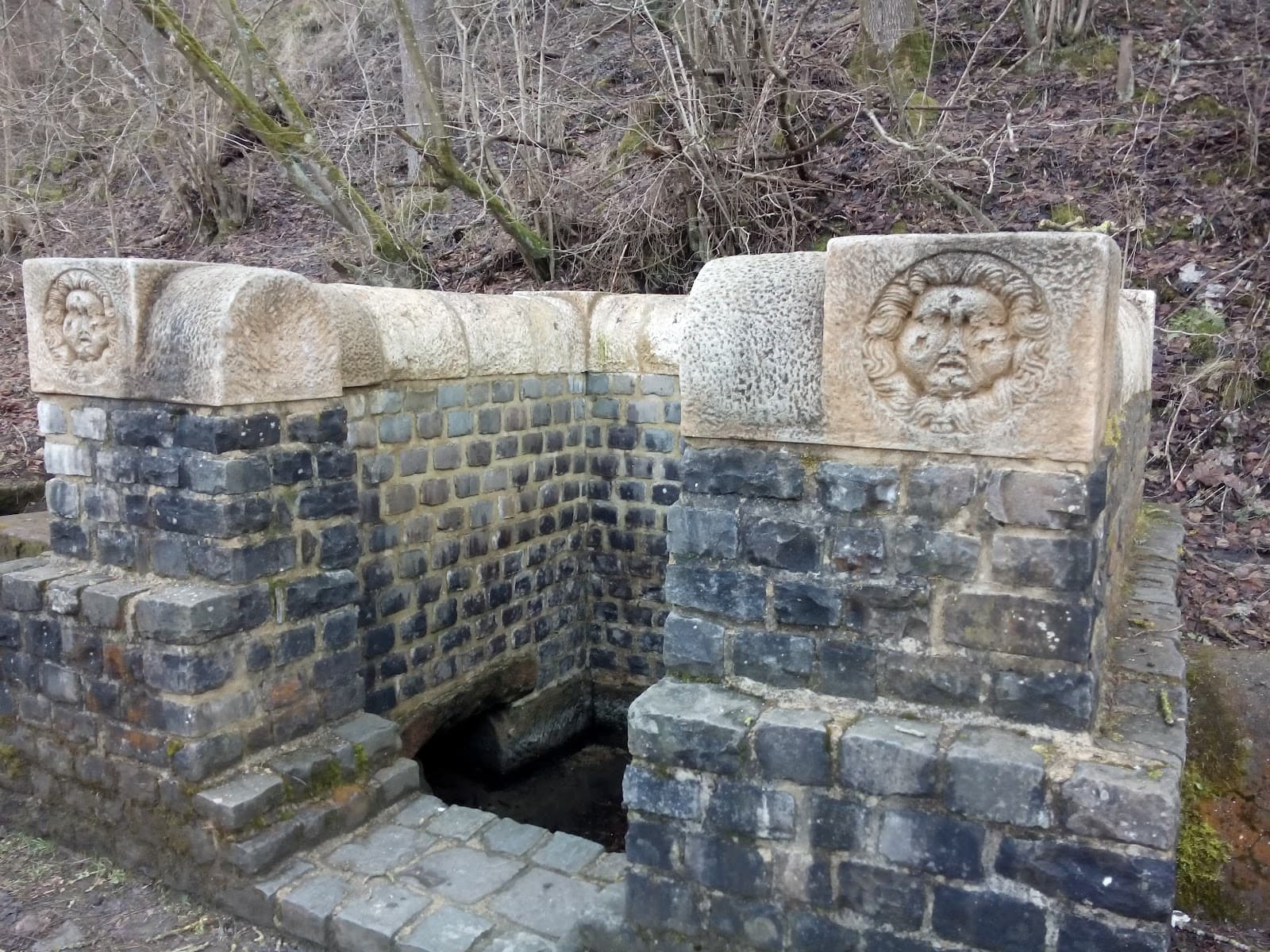
Römerkanal Brühl
Explore the Römerkanal Brühl, a monumental Roman aqueduct supplying ancient Cologne with water. A marvel of ancient engineering!
Highlights
Must-see attractions

Social
From TikTok & Reddit
Best Time
Fewer crowds, peaceful exploration
Römerkanal Brühl
Best Time
Fewer crowds, peaceful exploration
Highlights
Must-see attractions
Explore the Römerkanal Brühl, a monumental Roman aqueduct supplying ancient Cologne with water. A marvel of ancient engineering!
"A magnificent historical building that, after thousands of years, is still in excellent working order."

🚗 Driving Directions
GPS can be tricky! From Nettersheim, take the left bridge and right gravel road.
🚶♂️ Guided Tours
Highly recommended for history buffs and school groups to understand the aqueduct's significance.

Highlights
Discover the most iconic attractions and experiences
The Wassersammler (Water Collectors)
Near Nettersheim
Witness the starting point of this ancient aqueduct, where Romans ingeniously collected water from Eifel's limestone springs.
Ancient Roman Engineering
Various sections along the route
Marvel at the sheer scale and ingenuity of one of the longest Roman aqueducts ever built, a testament to their advanced civilization.

Archaeological Insights
Nettersheim Municipality
Join guided tours to uncover the history and construction details of this impressive Roman water supply system.
Plans like a pro.
Thinks like you
Planning Your Visit
Plan Your Roman History Immersion
Navigating to the Roman Canal
Best Times
Insider Tips
from TikTok, Instagram & Reddit
🚗 Driving Directions
GPS can be tricky! From Nettersheim, take the left bridge and right gravel road.
🚶♂️ Guided Tours
Highly recommended for history buffs and school groups to understand the aqueduct's significance.
🏞️ Picnic Spot
A good place for a barbecue or picnic amidst historical surroundings.
🏛️ History Focus
Ideal for those interested in Roman history and ancient engineering marvels.
Tips
from all over the internet
🚗 Driving Directions
GPS can be tricky! From Nettersheim, take the left bridge and right gravel road.
🚶♂️ Guided Tours
Highly recommended for history buffs and school groups to understand the aqueduct's significance.
🏞️ Picnic Spot
A good place for a barbecue or picnic amidst historical surroundings.
🏛️ History Focus
Ideal for those interested in Roman history and ancient engineering marvels.
What Travellers Say
Reviews Summary
Visitors praise the Römerkanal Brühl as a magnificent historical site and a testament to Roman engineering. Many highlight its significance as one of the longest Roman aqueducts and appreciate the opportunity for archaeological tours. Some note that navigation can be tricky if driving, and facilities are basic, but the historical value is undeniable.
"The Eifel aqueduct - also called Roman Canal or Roman aqueduct to Cologne - was one of the longest aqueducts of the Roman Empire and is considered the longest aqueduct north of the Alps. The plant supplied the then Roman city of Colonia Claudia Ara Agrippinensium, the ancient city of Cologne, with water for the public wells, spas and private service connections. It had a predecessor, which is today called Vorgebirgsleitung or better known for their individual branches: Bachemer-, Gleueler-, Burbacher- and Hürther line. The strands of the predecessor line were excavated archaeologically between 1929 and 1953. They probably originated in various sections about 30 AD before elevation of Ubierstadt to the Roman Colonia and used some sources and clean streams west of Cologne, especially the Duffesbach or Hürther Bach."
Bibi Bibubobo
"Intresting if you like Roman history 👍"
Aldin Bečić
"Good place for barbeque"
Mohammed Abdelgadir
What People Like
What People Dislike
Frequently Asked Questions
🚇 🗺️ Getting There
The Römerkanal Brühl is accessible by car, though GPS can sometimes be misleading. Travelers recommend looking for the bridge on the left and the gravel road on the right when approaching from Nettersheim. Public transport options may be limited, so driving is often the most convenient way to reach the starting points like the Wassersammler near Nettersheim.
Parking availability can vary depending on the specific access point. It's advisable to check local information or be prepared for limited parking, especially during peak seasons. The gravel road mentioned by visitors often leads to accessible areas.
While the entire aqueduct stretched for many kilometers, visitors typically explore key sections, particularly the Wassersammler near Nettersheim. The full length is a significant undertaking, but accessible parts offer a great historical experience.
Many visitors find that joining an archaeological tour provides the most insightful experience, offering detailed explanations of the Roman engineering.
Yes, the 'Wassersammler' (water collectors) near Nettersheim is a significant starting point and a popular area to begin exploring the Roman Canal.
🎫 🎫 Tickets & Entry
Generally, exploring the outdoor sections of the Römerkanal Brühl does not require tickets, as it's an open historical site. However, specific archaeological tours or visitor centers might have associated fees.
As an ancient structure, the Römerkanal Brühl is accessible at all times. However, for guided tours or any associated facilities, it's best to check their specific operating hours.
The main sections of the aqueduct are outdoors and freely accessible. Fees may apply for organized tours or specific interpretive centers.
Yes, the historical site is accessible year-round. However, weather conditions might affect the comfort of your visit, especially during winter months.
For general exploration, no booking is required. If you plan to join a specific archaeological tour, it's advisable to book in advance, especially during peak tourist seasons.
🎫 🧭 Onsite Experience
You can see remnants of the ancient Roman aqueduct, including the 'Wassersammler' (water collectors) near Nettersheim, and appreciate the impressive scale of Roman engineering that supplied water to Cologne.
Yes, it's a great educational site for families interested in history. Children can learn about Roman engineering and ancient civilizations.
Comfortable walking shoes are recommended, as you'll likely be walking on uneven terrain and gravel paths.
Absolutely! The historical structures and surrounding landscapes offer great photographic opportunities.
Facilities can be limited directly at the aqueduct sites. It's best to use restrooms and purchase refreshments before you arrive, especially if exploring more remote sections.
🍽️ 🍽️ Food & Dining
Dining options are more likely to be found in nearby towns like Nettersheim or Brühl. The aqueduct itself is a historical site, not a commercial area with restaurants.
Yes, visitors often enjoy picnics in the scenic areas around the aqueduct. One review specifically mentioned it's a good place for a barbecue.
The region offers traditional German cuisine. You'll find local eateries and cafes in the towns surrounding the aqueduct.
Typically, there are no food stalls directly at the historical aqueduct sites. It's recommended to bring your own food and drinks if you plan to spend an extended time exploring.
Exploring the nearby towns of Nettersheim or Brühl will lead you to local restaurants and pubs offering regional specialties.
📸 📸 Photography
The 'Wassersammler' near Nettersheim offers a great starting point for photos. Look for sections where the aqueduct structure is well-preserved against the natural landscape.
Yes, by using wide-angle lenses and finding vantage points that showcase the length and engineering of the aqueduct, you can effectively capture its scale.
Early morning or late afternoon light can create dramatic shadows and highlight the textures of the ancient stone, making for beautiful photographs.
Generally, photography is allowed for personal use. However, always be respectful of the historical site and any posted regulations.
Drone usage is often restricted in historical and natural areas. It's crucial to check local regulations regarding drone operation before flying.
For Different Travelers
Tailored advice for your travel style
👨👩👧 Families with Kids
Consider joining an archaeological tour if available, as these often make history more engaging for younger audiences. Pack plenty of snacks and drinks, as facilities are limited. Comfortable walking shoes are a must for exploring the terrain. It's a great way to spark curiosity about history and science in an accessible, outdoor setting.
🏛️ History Enthusiasts
Exploring the 'Wassersammler' and other accessible sections allows for a direct connection with the past. Engaging with local archaeological tours will provide detailed insights into the construction methods and the daily life impacted by this vital water supply. This is a prime location to appreciate the ingenuity of the Roman Empire.
🚶♀️ Nature & Walking Enthusiasts
Wear comfortable walking shoes suitable for uneven terrain and gravel paths. The experience is enhanced by appreciating the historical structure integrated with the natural environment. It's a unique way to combine a love for history with outdoor activity.
Deep Dives
In-depth insights and expert knowledge
The Engineering Marvel of Roman Aqueducts
Before the main aqueduct, a predecessor system known as the Vorgebirgsleitung existed, with branches like the Bachemer-, Gleueler-, Burbacher-, and Hürther lines. These earlier conduits, excavated between 1929 and 1953, likely originated around 30 AD and tapped into various sources and streams west of Cologne. The primary aqueduct, however, is celebrated for its scale and the ingenuity of its construction, particularly the 'Wassersammler' (water collectors) near Nettersheim, which gathered water from limestone-rich springs.
Visitors can explore sections of this incredible structure, gaining an appreciation for the Romans' ability to manage resources and build infrastructure that has endured for millennia. The archaeological tours offer a deeper dive into the methods and challenges faced by Roman engineers, making it a fascinating experience for history enthusiasts and students alike.
Exploring the Römerkanal Brühl Today
For those interested in a more in-depth understanding, archaeological tours are highly recommended. These guided experiences provide context, explain the construction techniques, and highlight the historical significance of the aqueduct in supplying Cologne. The surrounding landscape also offers a pleasant environment for walking and reflection, making it a worthwhile destination for history buffs and casual visitors alike.
It's worth noting that while the historical site itself is open, amenities like restrooms and cafes might be scarce directly at the aqueduct locations. Planning ahead by bringing snacks, water, and comfortable footwear is advisable for a more enjoyable exploration. The experience is largely about appreciating the ancient engineering amidst nature.


Social
from TikTok, Instagram & Reddit