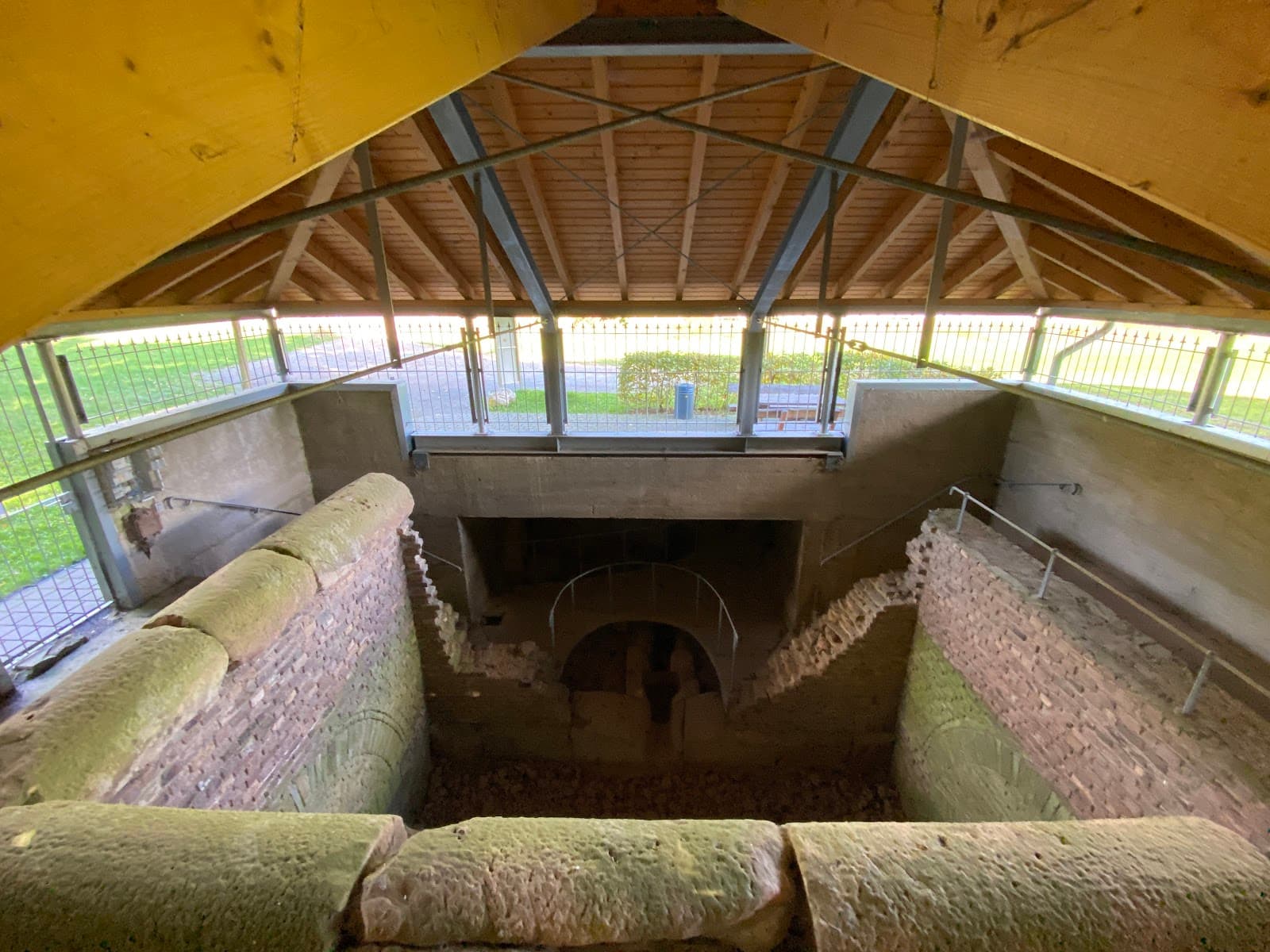
Klausbrunnen Roman Spring House
Discover remnants of Roman ingenuity at the Klausbrunnen Spring House, a fascinating glimpse into ancient water management in the Eifel.
Highlights
Must-see attractions

Social
From TikTok & Reddit
Best Time
Fewer crowds, peaceful exploration
Klausbrunnen Roman Spring House
Best Time
Fewer crowds, peaceful exploration
Highlights
Must-see attractions
Discover remnants of Roman ingenuity at the Klausbrunnen Spring House, a fascinating glimpse into ancient water management in the Eifel.
"Nice if you are interested in Romans and archaeology then it is worth a little detour."
Check Gate Status
Confirm the gate is open before your visit, as access can sometimes be restricted. :warning:
For History Enthusiasts
Ideal for those fascinated by Roman history and ancient engineering. :scroll:

Highlights
Discover the most iconic attractions and experiences
Roman Spring House Remains
The main archaeological site
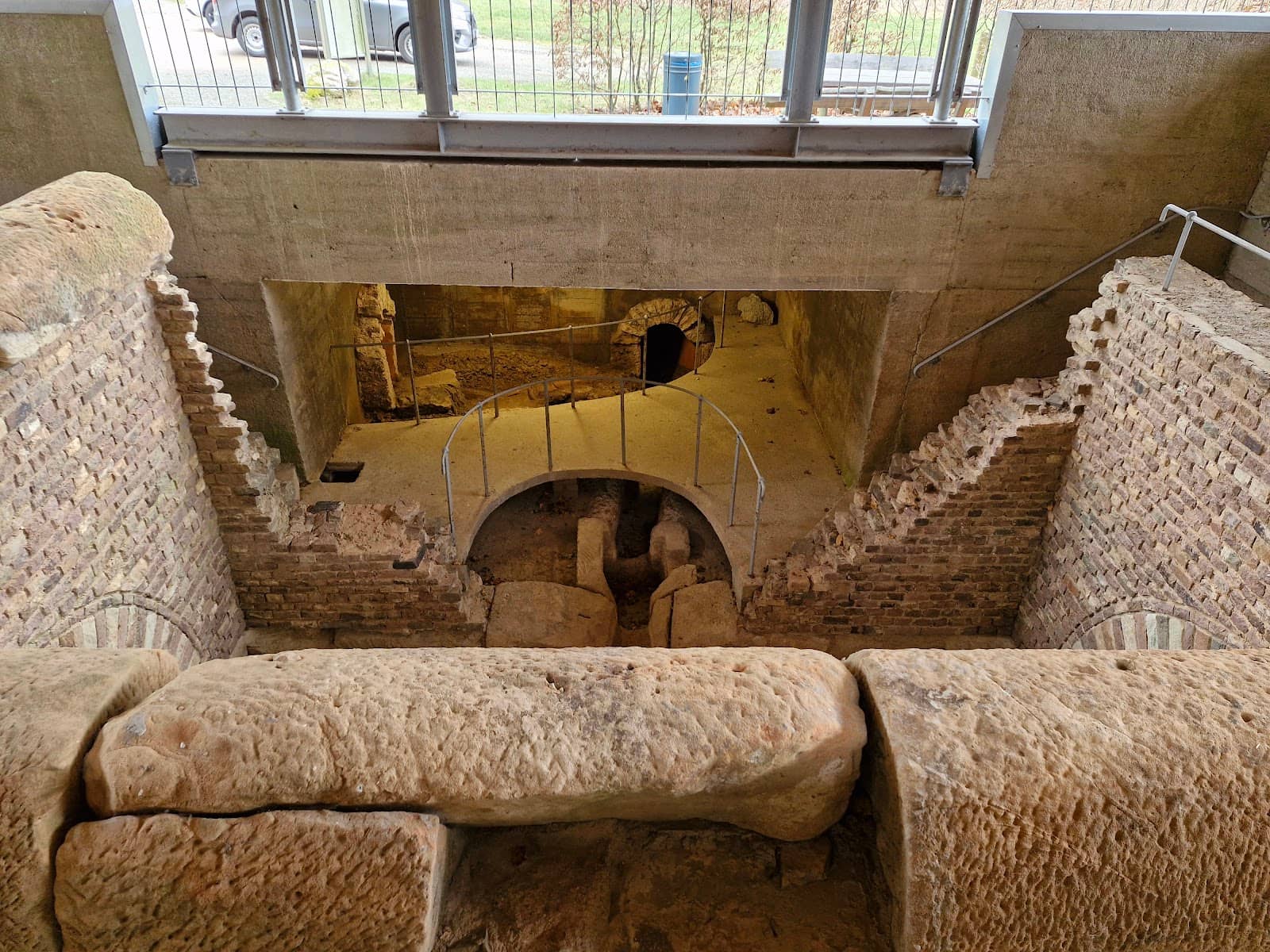
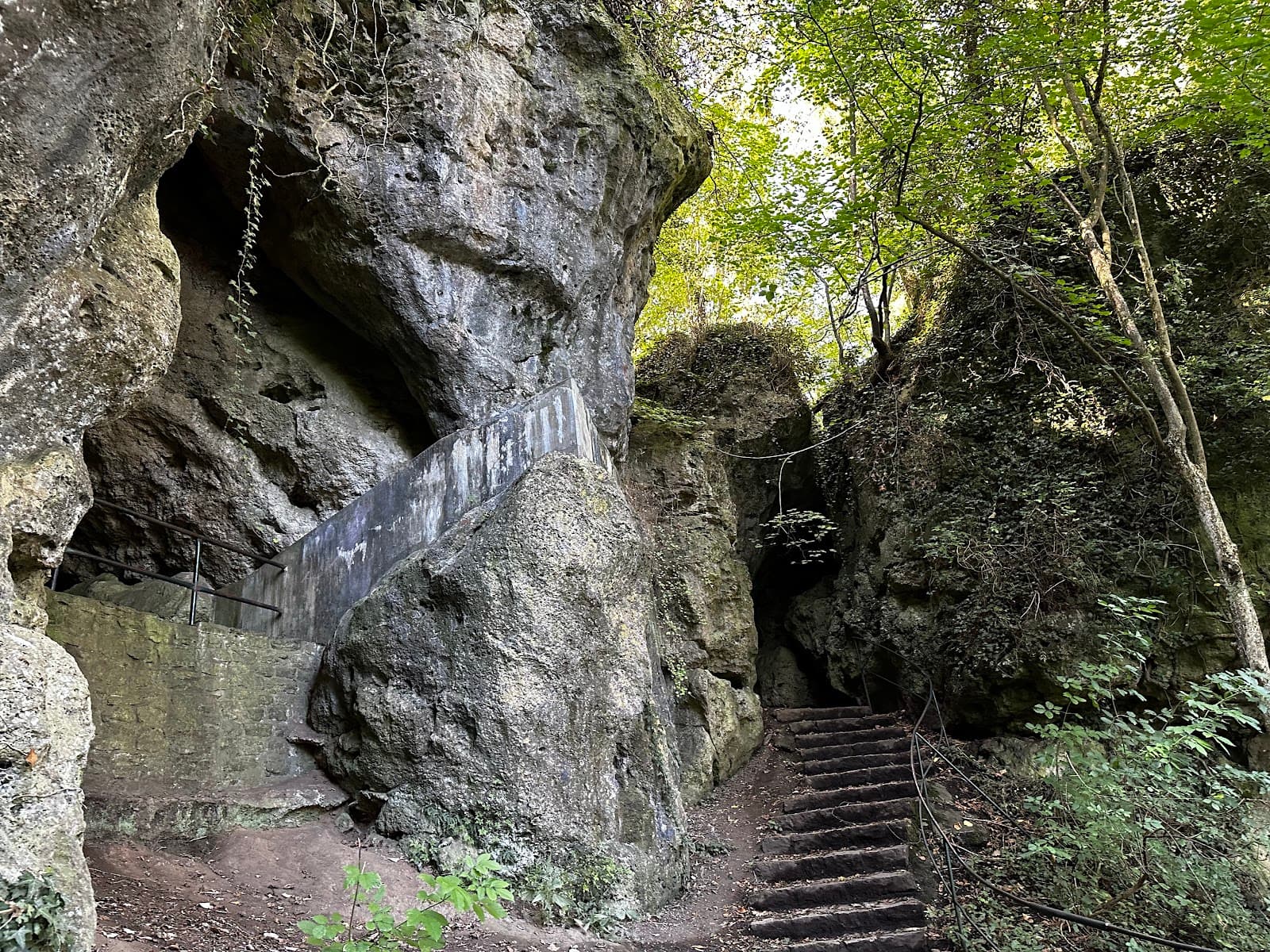
See the remnants of an ancient Roman spring house and water pipeline, showcasing clever engineering.
Archaeological Context
Surrounding area
Understand the ingenuity of Roman water management in the Eifel region.
Plans like a pro.
Thinks like you
Planning Your Visit
Timing Your Visit
What to Expect
Best Times
Insider Tips
from TikTok, Instagram & Reddit
Check Gate Status
Confirm the gate is open before your visit, as access can sometimes be restricted. :warning:
For History Enthusiasts
Ideal for those fascinated by Roman history and ancient engineering. :scroll:
Worth a Detour
A worthwhile stop if you're exploring the Eifel region and interested in archaeology. :round_pushpin:
Tips
from all over the internet
Check Gate Status
Confirm the gate is open before your visit, as access can sometimes be restricted. :warning:
For History Enthusiasts
Ideal for those fascinated by Roman history and ancient engineering. :scroll:
Worth a Detour
A worthwhile stop if you're exploring the Eifel region and interested in archaeology. :round_pushpin:
What Travellers Say
Reviews Summary
Visitors find the Klausbrunnen Roman Spring House to be an interesting and impressive site, particularly for those with a keen interest in Roman history and archaeology. It offers a valuable glimpse into ancient engineering, though some note that not much of the original structure remains and access can sometimes be limited.
"Nive to see but the gate is close"
M. Marcel
"Those Romans were clever people and they didn't have the material that we have, it's a pity that there isn't much left of it."
Armand Simons
"Nice if you are interested in Romans and archaeology then it is worth a little detour."
Gert Dieter Wietzorek
What People Like
What People Dislike
Frequently Asked Questions
🚇 🗺️ Getting There
The Klausbrunnen Roman Spring House is located in the Eifel region. Access details can vary, so it's best to check local maps or GPS for the most direct route. Parking availability might be limited, so consider arriving early.
Public transport options to more remote archaeological sites like Klausbrunnen can be infrequent. It's generally recommended to travel by car for easier access and flexibility.
🎫 🎫 Tickets & Entry
Information regarding ticket requirements is not widely available, suggesting it might be an open-access site or have minimal entry fees. It's advisable to check for any posted signs or local information upon arrival.
Opening hours can vary, and the gate may sometimes be closed. It's crucial to verify current access times before planning your visit to avoid disappointment.
🎫 🧭 Onsite Experience
Visitors can see the remnants of a Roman spring house and parts of an ancient water pipeline, offering insights into Roman engineering and water management in the Eifel.
While interesting for adults with an interest in history, the site might be less engaging for very young children due to its archaeological nature and limited interactive elements.
A visit to the Klausbrunnen Roman Spring House typically doesn't require a lot of time, perhaps 30 minutes to an hour, depending on your interest in Roman history and archaeology.
📸 📸 Photography
The best photo opportunities are the visible sections of the Roman water pipeline and the remaining structure of the spring house itself. Late afternoon light can enhance the historical atmosphere.
Generally, casual photography for personal use is permitted. However, always be respectful of the historical site and any posted regulations.
For Different Travelers
Tailored advice for your travel style
History Buffs & Archaeology Enthusiasts
Focus on the remaining pipeline sections and the spring house structure to appreciate the ingenuity. Consider researching the broader Roman presence in the Eifel region beforehand to contextualize your visit and make the experience even more rewarding.
Day-Trippers in the Eifel
Combine your visit with other local attractions, such as natural parks or charming villages, to create a well-rounded day trip. Remember to check access and opening times beforehand to ensure a smooth visit.
Deep Dives
In-depth insights and expert knowledge
The Ingenuity of Roman Water Management
The site showcases remnants of a Roman water pipeline, demonstrating their sophisticated understanding of hydraulics and construction. The Romans were masters of building aqueducts, channels, and reservoirs, often using gravity to move water over long distances. This particular spring house would have been a crucial point in such a system, capturing and channeling water for use.
Understanding these ancient systems provides a fascinating glimpse into daily life and the technological prowess of a bygone era. It's a reminder that even without modern materials, remarkable feats of engineering were achievable through careful planning and execution.
Visiting Archaeological Sites in the Eifel
Many of these sites are preserved to give visitors a sense of what life was like centuries ago. While some are extensive reconstructions, others, like Klausbrunnen, offer a more raw and authentic experience of archaeological remains. It's important to approach these sites with respect and an appreciation for their historical significance.
When exploring archaeological locations, it's always a good idea to do some prior research. This can enhance your understanding and appreciation of what you're seeing. Local tourist information centers or online resources can provide valuable context about the history and importance of each site.

Social
from TikTok, Instagram & Reddit