
Upper Harz Water Management System
Explore a UNESCO World Heritage site showcasing centuries of ingenious water management and mining history in Germany's Harz mountains.
Highlights
Must-see attractions

Social
From TikTok & Reddit
Best Time
Fewer crowds, better focus
Upper Harz Water Management System
Best Time
Fewer crowds, better focus
Highlights
Must-see attractions
Explore a UNESCO World Heritage site showcasing centuries of ingenious water management and mining history in Germany's Harz mountains.
"A must-visit for understanding industrial history and engineering marvels."

Book English Tours
Inquire about English-language tours beforehand to fully enjoy the historical explanations.
Wear Comfortable Shoes
You'll be doing a lot of walking and exploring underground, so comfy footwear is a must.
Highlights
Discover the most iconic attractions and experiences
Historic Mining Exhibits
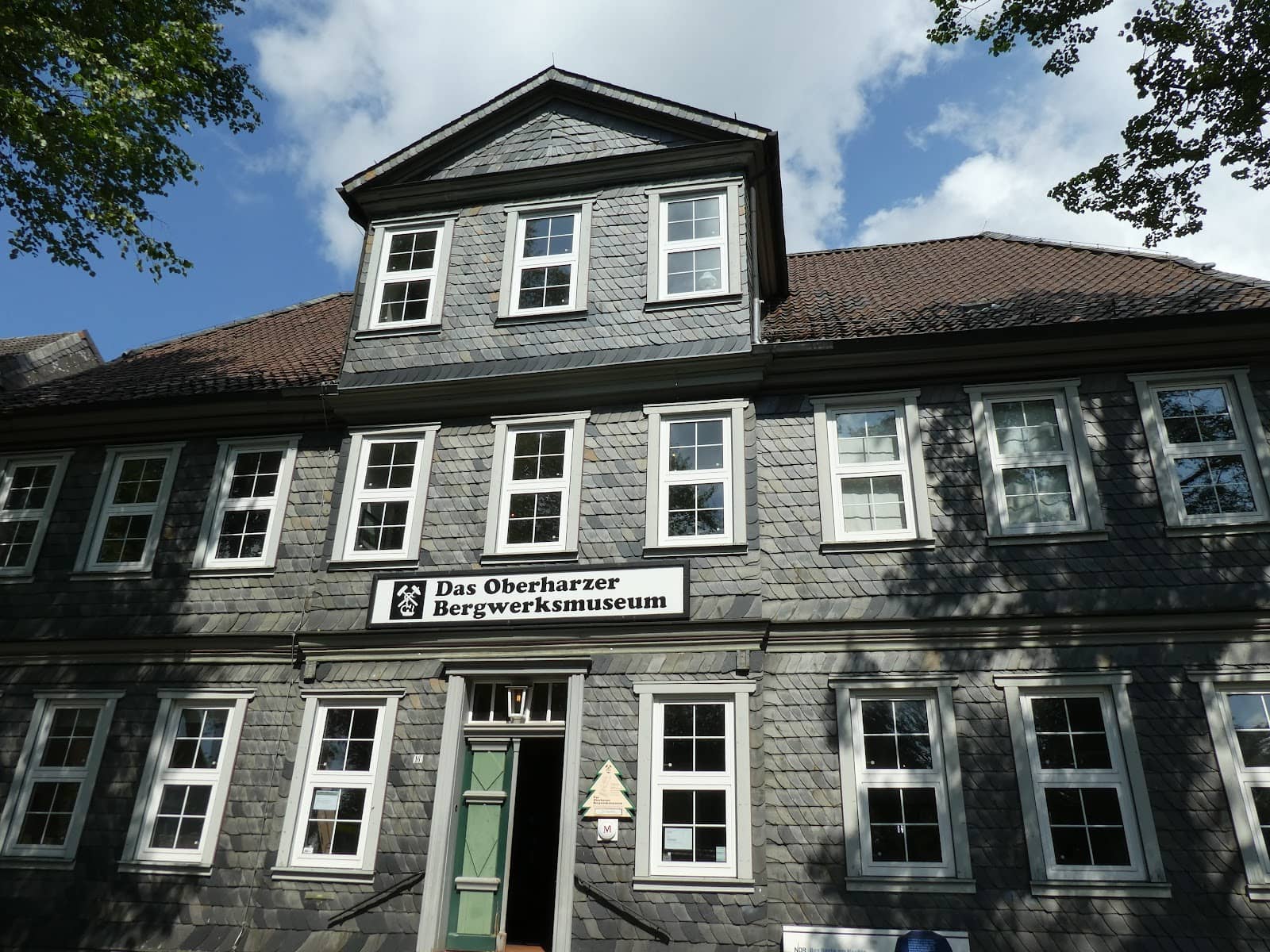
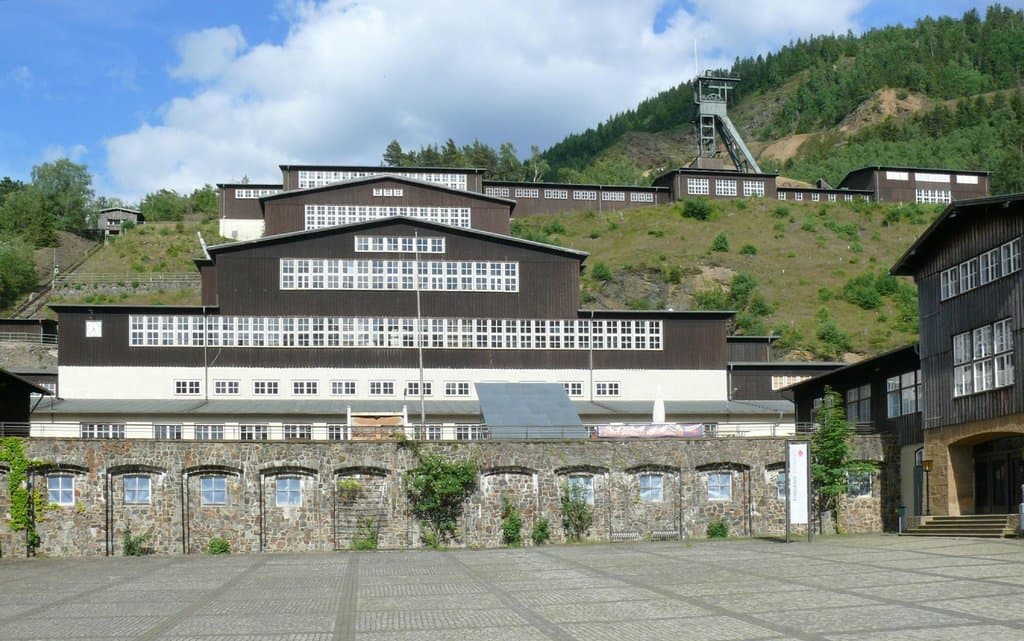
Explore Germany's oldest technological museum, showcasing 19th-century Upper Harz mining history.
Guided Mine Tours
Descend into the earth on an engaging guided tour, offering an entertaining and informative look at mining operations.

Water Management System
Discover the ingenious historical water management systems crucial for 19th-century mining.
Plans like a pro.
Thinks like you
Planning Your Visit
Language & Tours
Time Commitment
Best Times
Insider Tips
from TikTok, Instagram & Reddit
Book English Tours
Inquire about English-language tours beforehand to fully enjoy the historical explanations. +1
Wear Comfortable Shoes
You'll be doing a lot of walking and exploring underground, so comfy footwear is a must.
Allow Ample Time
Plan for at least 3 hours to fully appreciate the museum and its extensive exhibits.
Visit Before Exploring
Understand the mining history here to better appreciate the surrounding Harz scenery.
Tips
from all over the internet
Book English Tours
Inquire about English-language tours beforehand to fully enjoy the historical explanations. +1
Wear Comfortable Shoes
You'll be doing a lot of walking and exploring underground, so comfy footwear is a must.
Allow Ample Time
Plan for at least 3 hours to fully appreciate the museum and its extensive exhibits.
Visit Before Exploring
Understand the mining history here to better appreciate the surrounding Harz scenery.
What Travellers Say
Reviews Summary
Visitors find the Upper Harz Water Management System incredibly interesting and informative, especially the guided mine tours which offer a unique glimpse into historical mining. The historical significance and engineering marvels are consistently praised. However, a common point of feedback is the language barrier, with many wishing for more English commentary, and some find the mine train carriages uncomfortable.
"Main issue was that we would have appreciated some commentary in English, our Muttersprache, either printed or recorded, as the (otherwise very good) guides explanations were entirely in German. Yes, I know we were in Germany, and I have a reasonable level of spoken German myself (but not my family) but visitors from all over the world must come here, and go away a little disappointed at not fully understanding. The train carriages in which we go down the mine are very small and uncomfortable. Apart from those problems, this interesting place to spend at least three hours .. which is what we did"
John Bell
"It is one of the oldest technological museums in Germany and concentrates on the history and presentation of mining in the Upper Harz up to the 19th century.
Its better go with a person can speak german If someone visiting this place."
ruvin fernando
"We took the guided tour - perfect choice. Learnt so much in an Integra day entertaining way."
stay weird
What People Like
What People Dislike
Frequently Asked Questions
🚇 🗺️ Getting There
The system is spread across several locations in the Upper Harz region. Public transport like buses and trains connect major towns, and many visitors opt for a car for easier access to different sites. Check local transport schedules for specific routes to visitor centers like the 'Museum im Ağneter' or mine entrances.
Parking is generally available at the main visitor centers and museum locations. Availability might vary at more remote historical sites, so it's advisable to check specific location details before you go.
While some sites are walkable, the Upper Harz Water Management System is quite extensive. Hiking trails connect some areas, offering a scenic way to experience the landscape, but for covering larger distances, transportation is recommended.
A combination of driving and short walks is often best. Consider purchasing a regional map or using a navigation app to locate the various dams, reservoirs, and historical mining structures.
Some specialized tours might cover multiple key locations, often focusing on specific historical periods or themes. It's best to check with local tourist information centers for organized excursions.
🎫 🎫 Tickets & Entry
Yes, tickets are typically required for guided tours and museum access. Prices vary depending on the specific site and tour duration. It's recommended to book in advance, especially for popular English tours.
Opening hours vary significantly by season and by individual site. Museums usually have set hours, while mine tours have specific departure times. Always check the official website or contact the specific location for the most up-to-date information.
Some regions or specific attractions might offer combination tickets that provide access to multiple sites at a reduced price. Inquire at the main visitor centers or check online for potential savings.
While some outdoor areas and historical remnants might be visible from public paths, the main attractions like museums and underground mine tours require tickets for entry and guided access.
Refund policies typically depend on the operator. If a tour is canceled by the management, a refund or rescheduling option is usually provided. Check the terms and conditions when purchasing your tickets.
🎫 🧭 Onsite Experience
Taking a guided tour is highly recommended for a deeper understanding of the historical mining and water management techniques. Visiting the museums first provides excellent context for the outdoor sites.
Mine tours involve descending into the earth, often via small carriages, and can be physically demanding. The environment can be cool and damp. Check accessibility information for each specific mine tour, as some may not be suitable for individuals with mobility issues or claustrophobia.
Wear comfortable walking shoes as you'll be on your feet a lot. Layers are advisable as underground temperatures can be cool, even in summer. A light jacket or sweater is recommended.
Photography is generally permitted in most outdoor areas and museums, but restrictions may apply in certain underground sections or for specific exhibits. Always look for signage or ask your guide.
Guided tours can vary in length, but most mine tours last between 1.5 to 3 hours, depending on the site and the depth of exploration. Museum visits can take an additional 1-2 hours.
🍽️ 🍽️ Food & Dining
Many of the main visitor centers and museums have on-site cafes or restaurants offering local German cuisine. These are convenient for a break during your visit.
Picnicking is often allowed in designated outdoor areas around the sites. However, consuming food and drinks inside museums or during guided tours is usually prohibited.
Expect traditional German dishes, including hearty meals, cakes, and coffee. Local specialties from the Harz region might also be on offer.
While traditional German cuisine can be meat-heavy, many cafes and restaurants are increasingly offering vegetarian options. Vegan choices might be more limited, so it's worth checking menus in advance if you have specific dietary needs.
The towns surrounding the Upper Harz region, such as Goslar, Clausthal-Zellerfeld, and Hahnenklee, offer a wide range of restaurants, from traditional inns to more modern eateries.
📸 📸 Photography
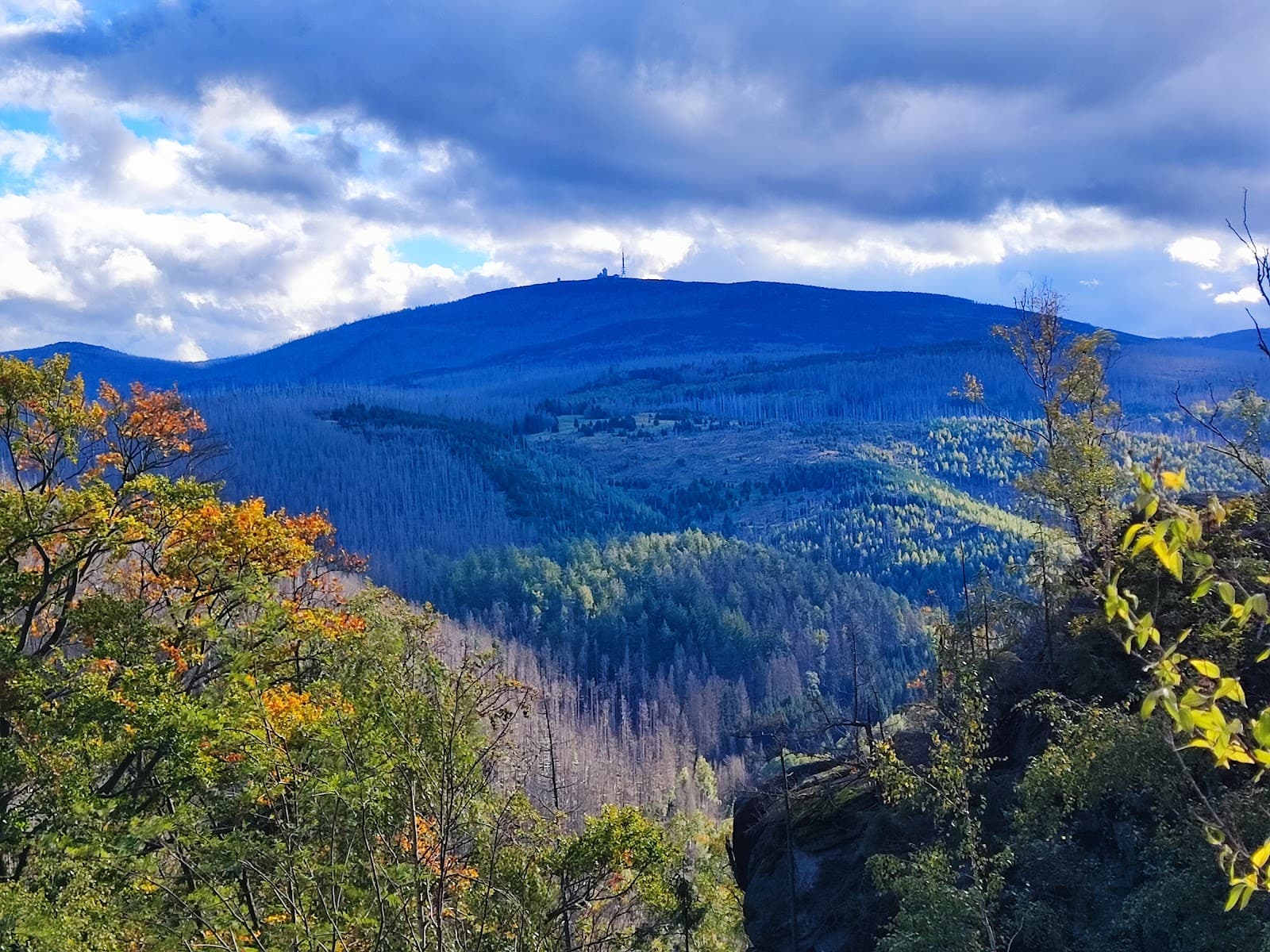
The historical mining structures, water wheels, and the dramatic landscapes of the Harz mountains offer fantastic photo opportunities. Look for scenic viewpoints overlooking reservoirs and old mine shafts.
Flash photography is often restricted in underground areas or near sensitive exhibits to protect artifacts and prevent disturbance. Always check for signage or ask your guide.
A versatile camera with a good wide-angle lens is useful for capturing the scale of the water management structures and landscapes. A tripod can be helpful for low-light conditions in mines, but check if they are permitted.
While not common, some specialized historical or nature tours might cater to photographers, offering access to less-visited areas or optimal lighting conditions.
Golden hour (early morning and late afternoon) can provide beautiful light for landscape shots of the water systems and surrounding scenery. Midday can be harsh, but useful for capturing details within mines.
For Different Travelers
Tailored advice for your travel style
👨👩👧 Families with Kids
When visiting the mines, be aware that the carriages can be small and the environment cool. It's advisable to check age restrictions and suitability for younger children. Pack snacks and drinks for younger ones, as dining options might be limited at some remote sites. The outdoor areas around dams and reservoirs are great for a picnic and some fresh air.
🤓 History Buffs & Tech Enthusiasts
Focus on visiting the various museums and taking guided tours that delve into the technical aspects of mining and water power. Research the specific historical periods each site covers to tailor your visit. Don't miss the chance to see the preserved machinery and understand the complex logistics involved in 19th-century mining operations.
🚶♀️ Hikers & Nature Lovers
Consider combining your visit with a hike. Wear appropriate footwear and check trail maps for routes that pass by key water management features. The fresh air and scenic landscapes provide a perfect complement to the historical exploration.
Deep Dives
In-depth insights and expert knowledge
The Ingenuity of the Upper Harz Water Management System
Visitors can explore various components of this system, including impressive dams like the Granetalsperre and the Oderteich, one of the oldest artificial reservoirs in Europe. The historical mining museums, such as the Museum im Ağneter in Clausthal-Zellerfeld, provide crucial context, showcasing the tools, techniques, and daily life of the miners. Guided tours often take visitors underground into former mine shafts, offering a visceral experience of the conditions under which this vital industry operated.
Understanding the Upper Harz Water Management System not only sheds light on a significant chapter of industrial history but also enhances the appreciation of the natural landscape. The system's integration with the environment, its sustainable use of water resources, and its impact on the development of mining technology make it a fascinating destination for history buffs, engineers, and nature lovers alike.
Experiencing the Mines: What to Expect
Guides are crucial for understanding the historical significance of the mine’s features, from the intricate water management systems to the tools used for extraction. While many explanations are in German, some tours are offered in English, or guides may be able to provide summaries in English upon request.
Beyond the physical descent, the mine tours offer a unique perspective on the Upper Harz mining history. You'll learn about the geological formations, the types of minerals extracted, and the evolution of mining technology over centuries. It’s an immersive journey that connects you directly to the region's industrial past and the lives of the people who worked there.
Social
from TikTok, Instagram & Reddit