Route des Grands Crus Burgundy
A legendary 60km wine route through Burgundy's most prestigious vineyards, connecting historic villages and renowned wineries.
Highlights
Must-see attractions

Social
From TikTok & Reddit
Best Time
Grape harvest & autumn colors
Route des Grands Crus Burgundy
Best Time
Grape harvest & autumn colors
Highlights
Must-see attractions
A legendary 60km wine route through Burgundy's most prestigious vineyards, connecting historic villages and renowned wineries.
"The Route des Grands Crus is a must-do for wine lovers, offering stunning vineyard views and charming villages."
🚗 Rent a Car for Freedom
A car offers the most flexibility to explore charming villages and stop at viewpoints. Book in advance!
🚴 Cycle Through Vineyards
Experience the route up close by bike. Many towns offer rentals, perfect for a scenic, active day.
Highlights
Discover the most iconic attractions and experiences
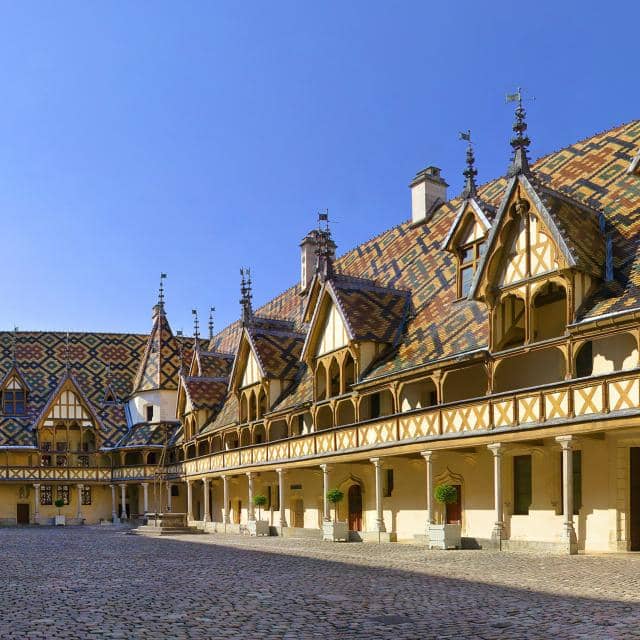
Beaune's Hospices
Beaune
A stunning medieval hospital with colorful tiled roofs, a true architectural gem and historical treasure.
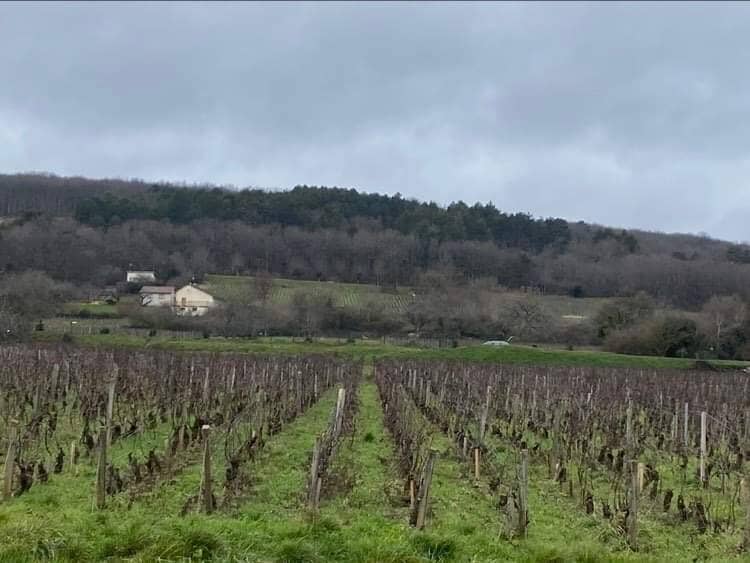
Vineyard Views
Various points along the route
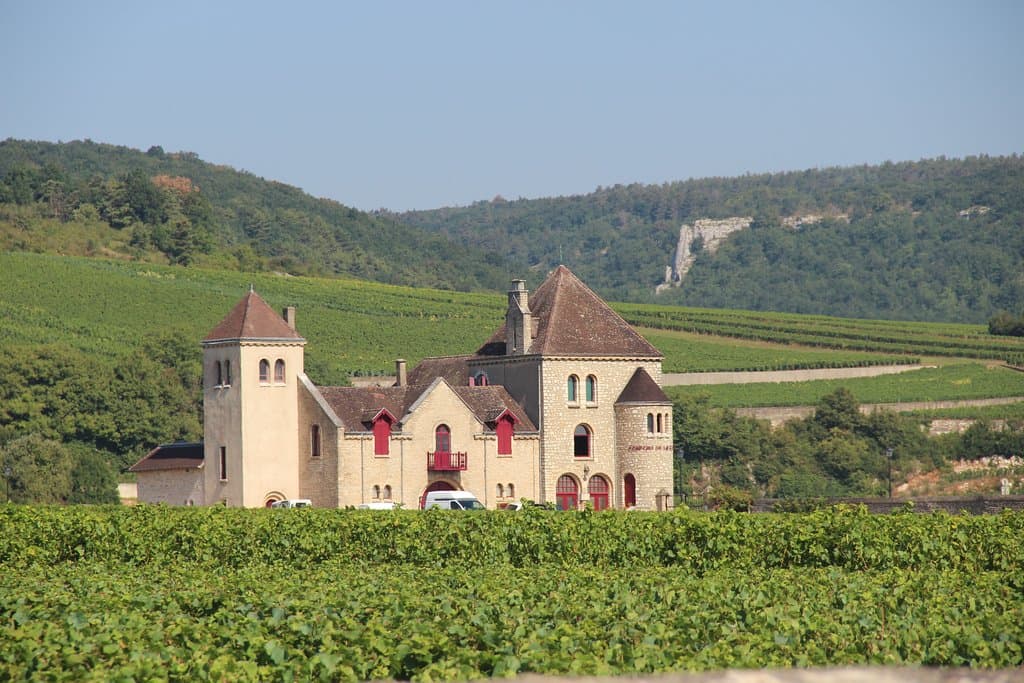
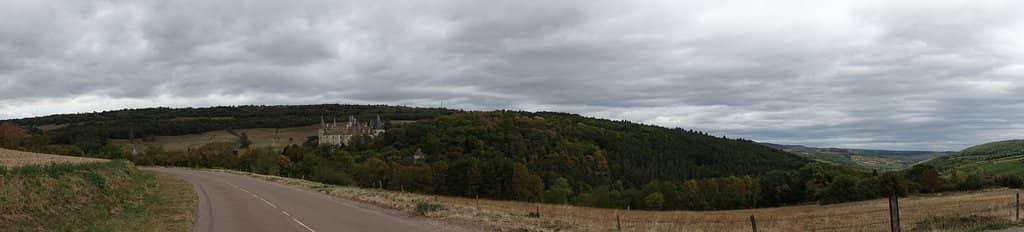
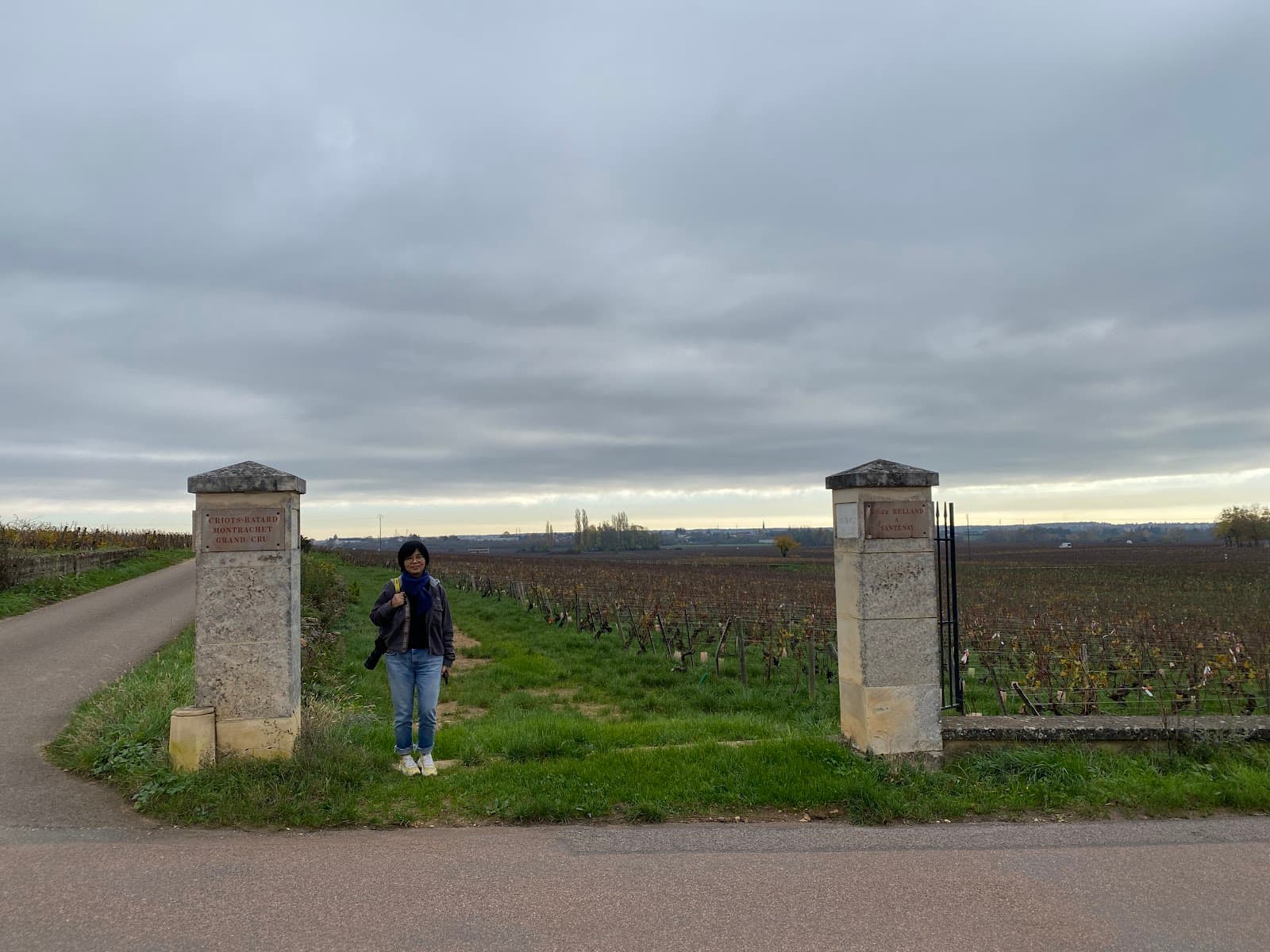
Breathtaking panoramas of rolling vineyards stretching as far as the eye can see, especially in autumn.
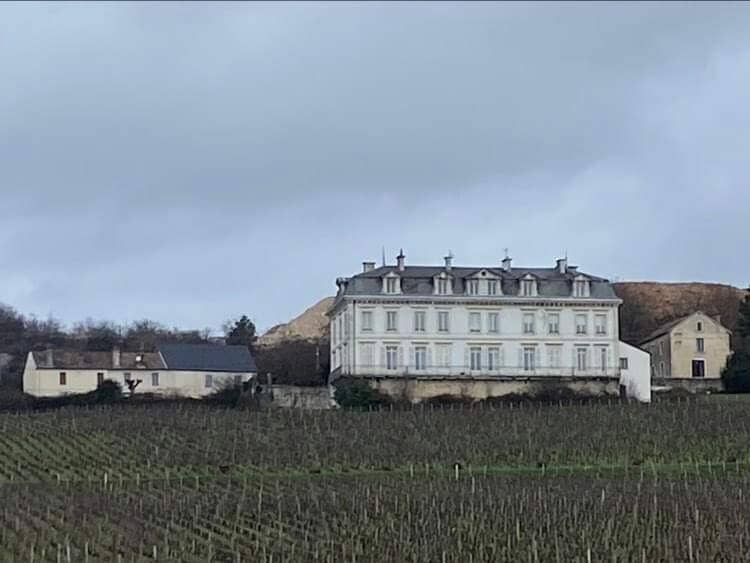
Château de Pommard
Pommard
Explore a historic wine estate, learn about Pinot Noir, and enjoy tastings in a picturesque setting.
Meursault Village
Meursault
Charming village famous for its white wines, with a picturesque town square and historic cellars.
Plans like a pro.
Thinks like you
Planning Your Visit
Best Time to Drive the Route
Getting Around the Route
Best Times
Insider Tips
from TikTok, Instagram & Reddit
🚗 Rent a Car for Freedom
A car offers the most flexibility to explore charming villages and stop at viewpoints. Book in advance!
🚴 Cycle Through Vineyards
Experience the route up close by bike. Many towns offer rentals, perfect for a scenic, active day.
🍷 Book Wine Tastings Ahead
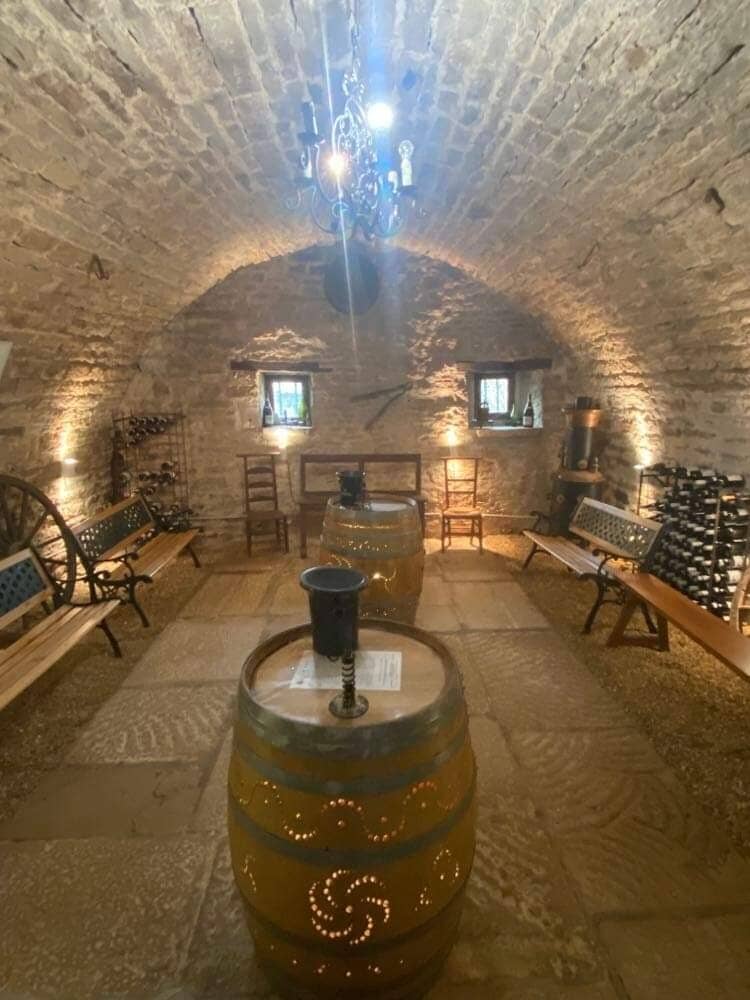
Popular wineries fill up fast. Secure your spot for tastings and cellar tours to avoid disappointment.
📸 Capture Iconic Views
Don't miss the rolling vineyard landscapes and charming village architecture. Golden hour is magical!
Tips
from all over the internet
🚗 Rent a Car for Freedom
A car offers the most flexibility to explore charming villages and stop at viewpoints. Book in advance!
🚴 Cycle Through Vineyards
Experience the route up close by bike. Many towns offer rentals, perfect for a scenic, active day.
🍷 Book Wine Tastings Ahead
Popular wineries fill up fast. Secure your spot for tastings and cellar tours to avoid disappointment.
📸 Capture Iconic Views
Don't miss the rolling vineyard landscapes and charming village architecture. Golden hour is magical!
🗺️ Plan Your Stops
The route is 60km. Decide which villages and wineries are priorities to make the most of your time.
What Travellers Say
Reviews Summary
Visitors rave about the breathtaking vineyard landscapes and the charming medieval villages along the Route des Grands Crus. The opportunity to taste world-class Burgundy wines at historic estates is a major highlight. Some find the route can be crowded during peak season, and navigating without a car requires careful planning.
What People Like
What People Dislike
Frequently Asked Questions
🚇 🗺️ Getting There
The Route des Grands Crus is best accessed by car. The nearest major city is Dijon, from where you can start your journey south. Many visitors also fly into Lyon or Paris and rent a car. Public transport along the route is limited, making a car or a guided tour the most convenient options.
Yes, but it requires more planning. You can use local buses between some larger towns, but this will limit your flexibility. Cycling is a popular alternative for those who enjoy active travel. Alternatively, consider joining a guided tour that handles transportation.
Driving is the most common and convenient way to experience the Route des Grands Crus, allowing you to stop at various villages and wineries at your own pace. Cycling is also highly recommended for a more immersive experience, especially during pleasant weather. 
The route itself is about 60 kilometers (37 miles) long, stretching from Dijon to Santenay. Driving it directly takes about 1.5 to 2 hours without stops. However, to truly enjoy the villages, vineyards, and wine tastings, plan for at least a full day, or even two.
Public transport options are limited and can be infrequent, especially for smaller villages. Buses connect some of the larger towns like Beaune, but reaching more remote vineyards or wineries might be challenging without a car or pre-booked tour.
🎫 🎫 Tickets & Entry
No, driving or cycling the Route des Grands Crus itself is free. There are no entry tickets required for the route. However, individual wineries, museums, and attractions along the route may have their own admission fees.
Costs vary significantly. Some wineries offer free basic tastings, while others charge a fee, especially for more in-depth tours or premium tastings. Expect to pay anywhere from €10 to €50+ per person for guided tours and tastings. Booking in advance is often recommended.
The villages themselves are public spaces and do not have entrance fees. You can wander through towns like Beaune, Meursault, and Gevrey-Chambertin freely. Fees would only apply if you choose to enter specific attractions within these villages, such as museums or private cellars.
It's highly recommended to book wine tastings and cellar tours in advance, especially during peak season (summer and harvest). Many popular estates, like Domaine Chanzy or Château de Pommard, can get fully booked. Booking online or by phone a few days or weeks ahead is advisable.
Opening hours vary by winery and season. Generally, most wineries are open from mid-morning to late afternoon, often closing for lunch. It's best to check the specific opening hours for each estate or attraction you plan to visit on their official website or by calling ahead.
🎫 🧭 Onsite Experience
Key villages include Beaune (for its Hospices and wine museum), Meursault (famous for white wines), Puligny-Montrachet, Gevrey-Chambertin, and Nuits-Saint-Georges. Each offers unique charm and excellent wine opportunities.
The route is renowned for its exceptional Pinot Noir (reds) and Chardonnay (whites). You'll find prestigious appellations like Gevrey-Chambertin, Vosne-Romanée, Meursault, and Puligny-Montrachet, producing some of the world's finest wines.
Yes, cycling the entire 60km route is a popular and rewarding way to experience it. The terrain is generally manageable, with some rolling hills. Many towns offer bike rentals, and dedicated cycling paths are available in some sections.
Driving or cycling allows you to stop at numerous viewpoints and small villages. Consider a guided tour for in-depth knowledge, or book a tasting at a vineyard to truly appreciate the terroir.
Absolutely! The Route des Grands Crus is incredibly picturesque. Look for panoramic vineyard vistas, charming stone villages, historic châteaux, and the iconic Moillard tube. Golden hour offers particularly stunning light.
🍽️ 🍽️ Food & Dining
You'll find a range of dining options, from casual bistros and brasseries in the villages to Michelin-starred restaurants. Many restaurants focus on regional Burgundian cuisine, pairing perfectly with local wines.
Don't miss classics like Boeuf Bourguignon (beef stew), Coq au Vin (chicken in red wine), Escargots de Bourgogne (snails), and Jambon Persillé (parsley ham terrine). Many restaurants offer tasting menus.
Yes, several restaurants and cafés offer stunning views of the vineyards, especially in towns like Beaune and along the more scenic stretches of the route. It's worth asking for a table with a view when booking.
Absolutely! Many villages have local markets or shops where you can buy regional cheeses, charcuterie, bread, and fruits. Find a scenic spot amidst the vineyards for a delightful picnic experience.
A casual meal at a bistro might cost €20-€30 per person, while a more formal dinner at a good restaurant could range from €40-€70+. Fine dining establishments will be significantly more. Wine prices also vary widely.
📸 📸 Photography
Look for panoramic viewpoints overlooking the vineyards, especially during sunrise or sunset. Charming village streets, historic buildings like the Hospices de Beaune, and the iconic Moillard tube are also great subjects.
The 'golden hours' – shortly after sunrise and before sunset – offer the most beautiful light for landscape and village photography. Midday can be harsh, but it's good for capturing details of architecture.
Drone regulations can be complex and vary by location. It's essential to check current French aviation rules and local restrictions before flying a drone. Many areas, especially near villages and private properties, may have restrictions.
A versatile lens (like a 24-70mm) is great for landscapes and village shots. A wide-angle lens is useful for expansive vineyard views, and a telephoto can help isolate details. Don't forget a sturdy tripod for low-light conditions.
Photography policies vary by winery. Some allow photos of the cellars and tasting rooms, while others may restrict it. Always ask for permission before taking pictures inside private estates or during tastings.
For Different Travelers
Tailored advice for your travel style
👨👩👧 Families with Kids
Consider a picnic amidst the vineyards, allowing children to explore safely while you enjoy local produce. Some wineries might offer child-friendly juice tastings or have open spaces. Opting for a shorter cycling route or a scenic drive with frequent stops for breaks and exploration can make the journey more manageable for younger travelers.
+1🚗 Road Trippers
+1Don't rush the experience. Allow at least a full day, or ideally two, to truly soak in the scenery and the wine culture. Pack a picnic basket with local delicacies for spontaneous stops in scenic spots. Consider staying overnight in one of the charming villages to enjoy the tranquility after the day-trippers have left.
🍷 Wine Enthusiasts
+2Consider attending a wine event if your visit coincides, such as the 'Grands Jours de Bourgogne' for industry professionals or local harvest festivals. Engage with winemakers to learn about their philosophy and the unique terroir of Burgundy. Exploring the different villages will reveal the subtle nuances in wines from each distinct micro-region.
Deep Dives
In-depth insights and expert knowledge
The Heart of Burgundy Wine
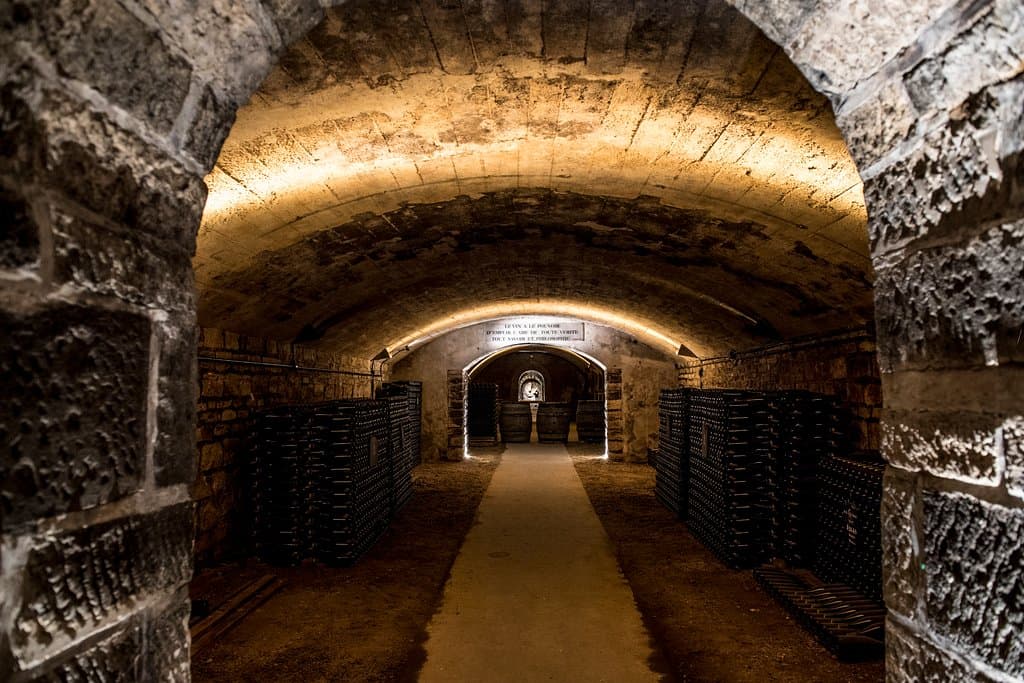
+1The route is a testament to centuries of winemaking tradition, with vineyards meticulously tended and centuries-old cellars housing some of the most sought-after wines. Visitors can explore historic estates, learn about the intricate winemaking process, and, of course, indulge in tastings. The landscape itself is a masterpiece, with rolling hills covered in perfectly aligned vines, punctuated by charming stone villages and grand châteaux.
+1Whether you choose to drive, cycle, or even take a vintage moped tour, the Route des Grands Crus offers an unforgettable experience for wine enthusiasts and anyone who appreciates beautiful landscapes and rich cultural heritage. It's a place where history, nature, and gastronomy converge.
+1Exploring Beaune: A Wine Capital
Beaune is also home to numerous wine merchants, cellars, and tasting rooms, offering ample opportunities to sample the local vintages. You can visit the Musée du Vin (Wine Museum) to delve deeper into Burgundy's winemaking history or simply wander through the town, soaking in its charm. The surrounding vineyards, easily accessible from Beaune, are part of the prestigious Côte de Beaune sub-region, famous for its world-class white wines.
Beyond its wine heritage, Beaune offers excellent dining options, from traditional bistros serving regional specialties to more refined gastronomic experiences. It's an ideal base for exploring the southern part of the Route des Grands Crus, providing a perfect blend of culture, history, and oenological discovery.
Cycling the Route: An Immersive Adventure
Cycling allows you to stop spontaneously, pull over for photos, and truly immerse yourself in the vineyard landscape. You can easily detour to smaller, less-visited wineries or simply pause to admire the meticulous rows of vines. The air is filled with the scent of grapes, and the sounds of rural life create a tranquil atmosphere.
While the route is generally well-maintained, it's advisable to check the specific cycling paths and road conditions. Planning your route with designated stops for lunch and wine tastings will enhance the experience. It's a fantastic way to connect with the land and its produce, offering a unique perspective on Burgundy's viticultural heritage.




Social
from TikTok, Instagram & Reddit