Abu Ghurab Sun Temples
A rare 5th Dynasty sun temple, Abu Ghurab offers a unique open-air sanctuary dedicated to solar worship, featuring a remarkable alabaster altar.
Highlights
Must-see attractions

Social
From TikTok & Reddit
Best Time
Experience the solar cult's essence
Abu Ghurab Sun Temples
Best Time
Experience the solar cult's essence
Highlights
Must-see attractions
A rare 5th Dynasty sun temple, Abu Ghurab offers a unique open-air sanctuary dedicated to solar worship, featuring a remarkable alabaster altar.
"For anyone interested in history, archaeology, or the deeper spiritual side of Ancient Egypt, this site offers a unique and unforgettable perspective."
🎯 Secure Your Permit
Access is restricted. A special permit is essential to avoid fines and photo deletion . :ticket:
🚶♂️ Respect the Ruins
This is a rare, sacred space. Tread lightly and appreciate its historical and spiritual significance . :hiking_boot:
Highlights
Discover the most iconic attractions and experiences
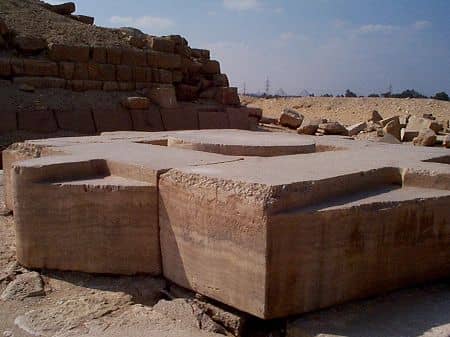
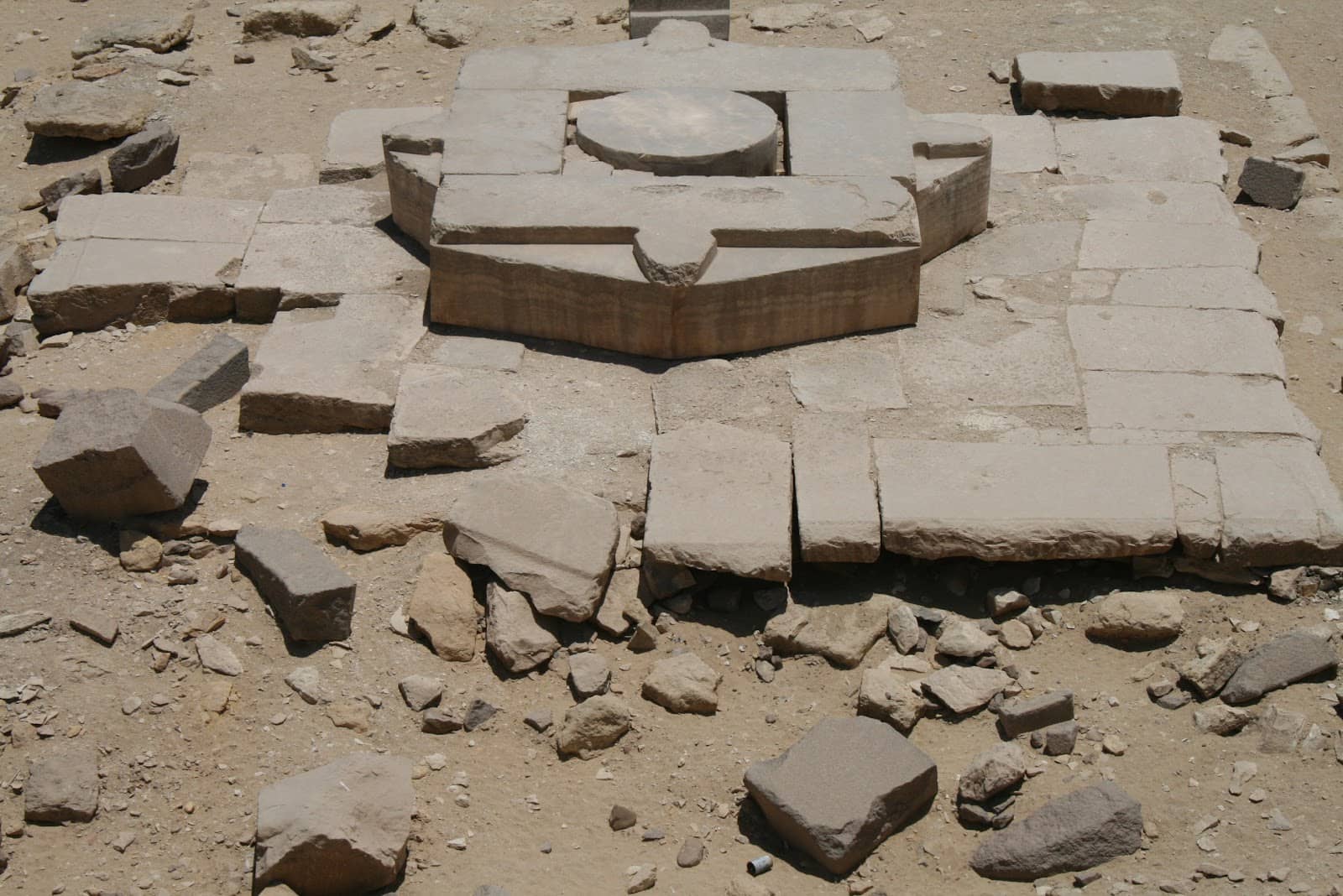
The Alabaster Altar
Central Courtyard
A massive, 'Hotep' shaped altar, rumored by some to be an energy portal. Truly a unique artifact.
The Great Obelisk
Central Courtyard
Symbolizing the sun's rays, this towering obelisk is the focal point of the open-air sanctuary.
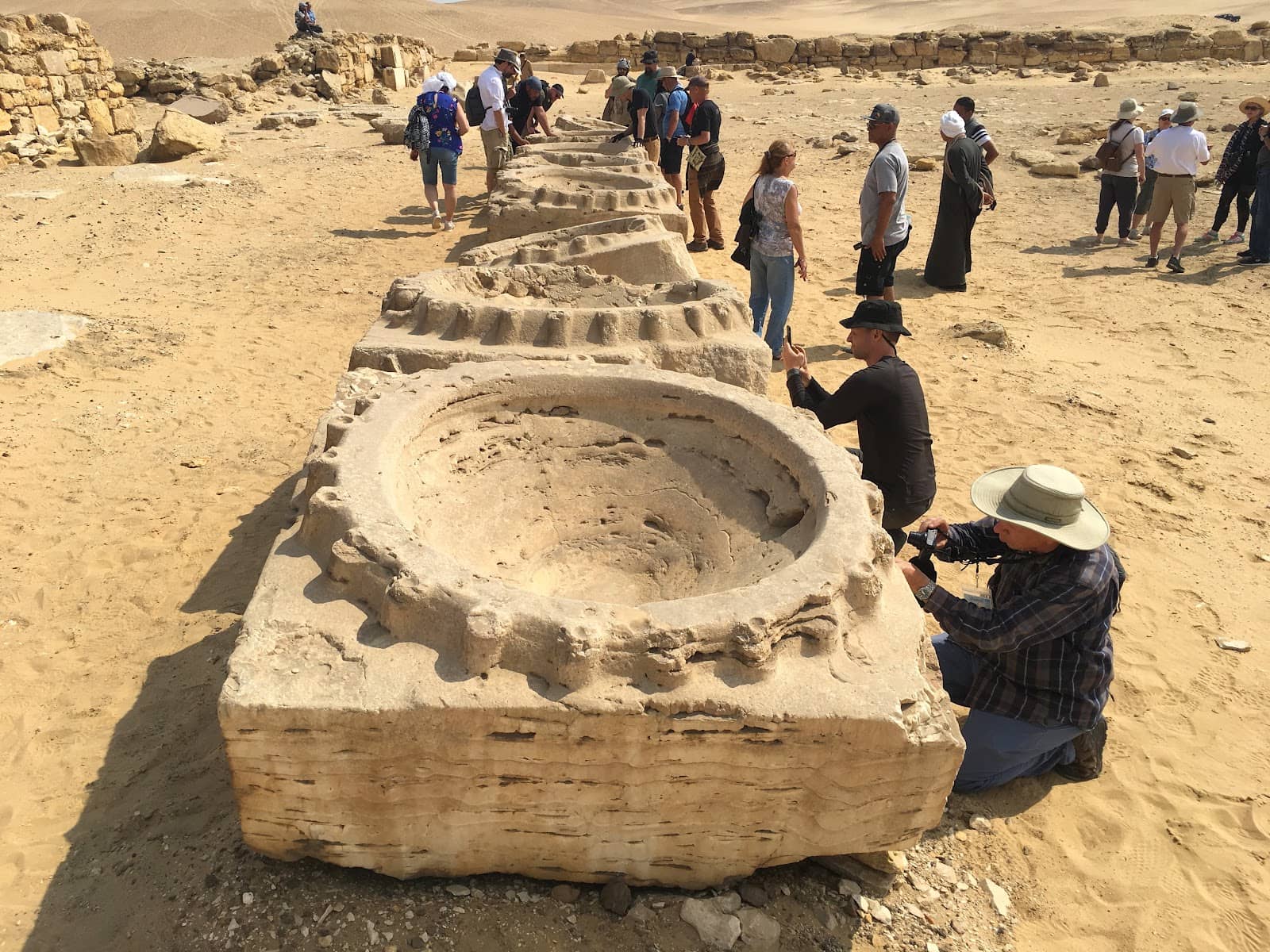
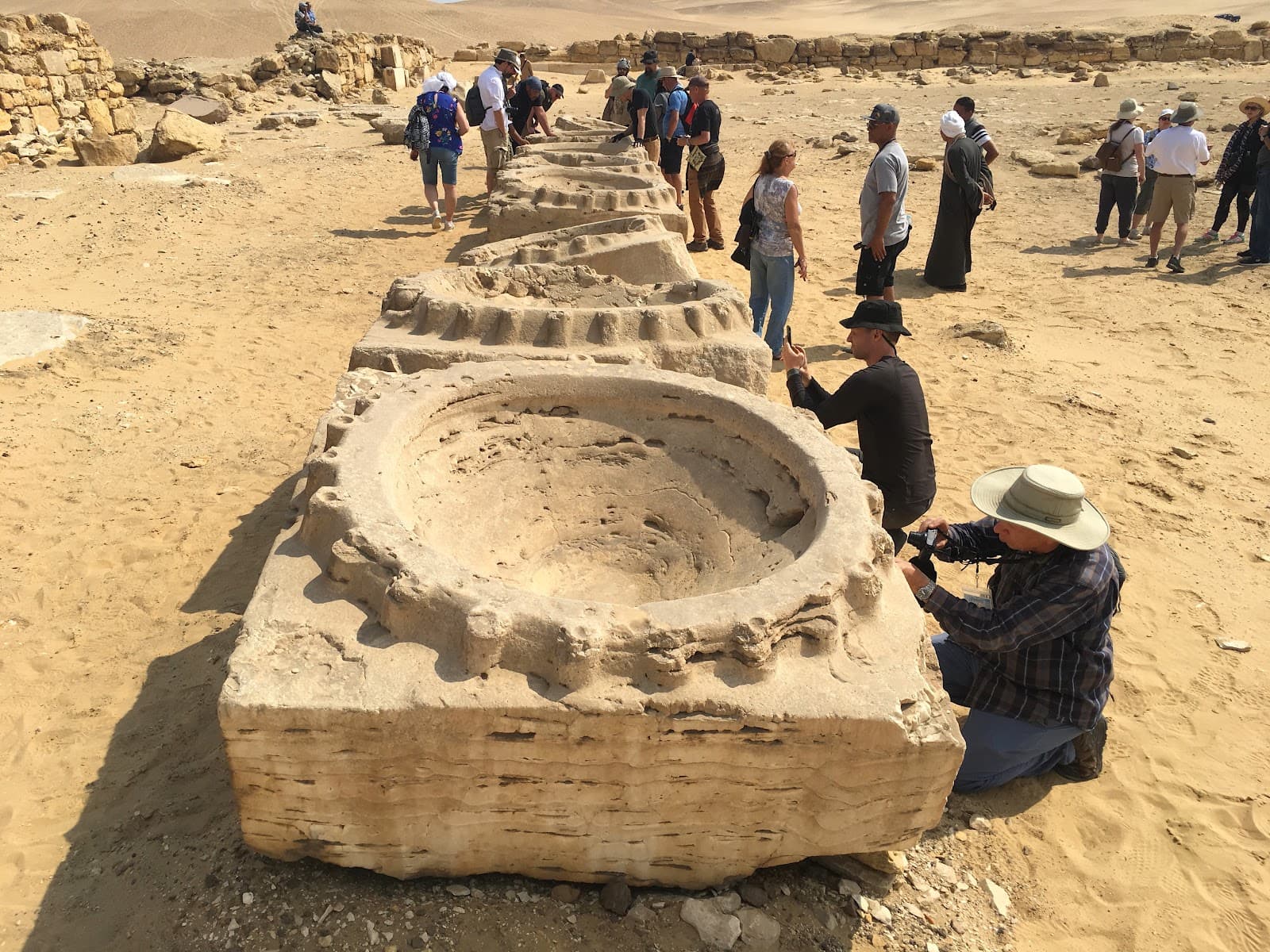
Ritual Basins & Reliefs
Surrounding Areas
Discover ancient alabaster basins for libations and intricately carved reliefs depicting royal festivals.
Plans like a pro.
Thinks like you
Planning Your Visit
Access & Permits
Timing Your Visit
Best Times
Insider Tips
from TikTok, Instagram & Reddit
🎯 Secure Your Permit
Access is restricted. A special permit is essential to avoid fines and photo deletion. :ticket:
🚶♂️ Respect the Ruins
This is a rare, sacred space. Tread lightly and appreciate its historical and spiritual significance. :hiking_boot:
☀️ Embrace the Sun
The temple's design is all about sunlight. Visit when the sun is high for the full effect. :sunwithface:
🗣️ Hire a Local Guide
Guides can help navigate access and share fascinating historical details. :man_detective:
Tips
from all over the internet
🎯 Secure Your Permit
Access is restricted. A special permit is essential to avoid fines and photo deletion. :ticket:
🚶♂️ Respect the Ruins
This is a rare, sacred space. Tread lightly and appreciate its historical and spiritual significance. :hiking_boot:
☀️ Embrace the Sun
The temple's design is all about sunlight. Visit when the sun is high for the full effect. :sunwithface:
🗣️ Hire a Local Guide
Guides can help navigate access and share fascinating historical details. :man_detective:
What Travellers Say
Reviews Summary
Visitors find Abu Ghurab to be a fascinating and rare monument, offering a unique perspective on ancient Egyptian solar religion. While the site is less developed and access can be challenging due to permits and renovations, its historical and spiritual significance, particularly the alabaster altar, makes it a highly rewarding experience for those interested in deeper aspects of Egyptian history.
"The Sun Temple of Abu Ghurab is one of the most fascinating and rare monuments from Ancient Egypt. It was built during the 5th Dynasty, around 2400 BC, by King Nyuserre (Nyuserre Ini). Abu Ghurab is located just north of the pyramid fields of Abusir, between Giza and Saqqara. This area served as a royal necropolis during the Old Kingdom, and the sun temples were a unique feature of the 5th Dynasty, when the worship of the sun god Ra became the central focus of royal ideology.
What makes Abu Ghurab remarkable is its design. Unlike the traditional mortuary temples, this complex was built as an open-air sanctuary dedicated to the cult of the sun. At its heart stood a massive obelisk, which symbolized the rays of the sun descending to earth. In front of it was a large alabaster altar shaped like the “Hotep” sign, the hieroglyph for offering. Surrounding the altar was a vast courtyard open to the sky, where daily rituals and offerings were performed under direct sunlight.
Excavations have revealed storage rooms and numerous alabaster basins and jars that were used for ritual libations, food, and drink offerings. The temple also had beautifully decorated reliefs showing scenes of festivals and the life of the king, giving us unique insights into Old Kingdom religious practices. Archaeological evidence shows that the temple was not only symbolic but actively used for large-scale ceremonial gatherings connected to the solar cult.
Abu Ghurab is especially important because only six sun temples were ever recorded in ancient texts, and so far only two have been discovered: this one, and another belonging to King Userkaf. The temple of Nyuserre at Abu Ghurab is the best-preserved example and stands as a rare testimony to Egypt’s solar religion at its height.
Visiting Abu Ghurab today is a different experience from Giza or Saqqara. Here you are standing in a sacred space that was designed to connect heaven and earth through sunlight, a place where kings declared themselves the sons of Ra. For anyone interested in history, archaeology, or the deeper spiritual side of Ancient Egypt, this site offers a unique and unforgettable perspective."
Mahmoud hassan
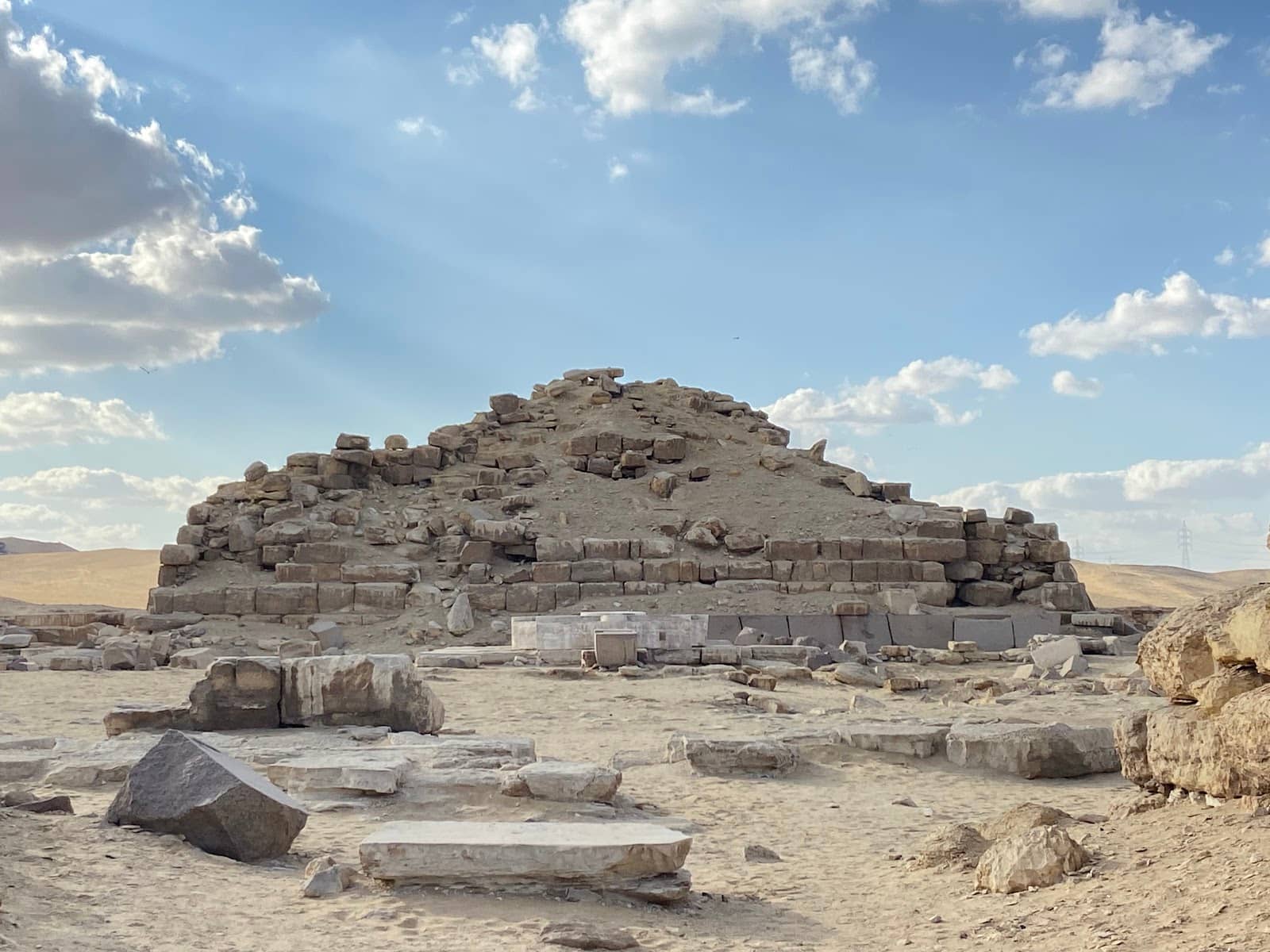
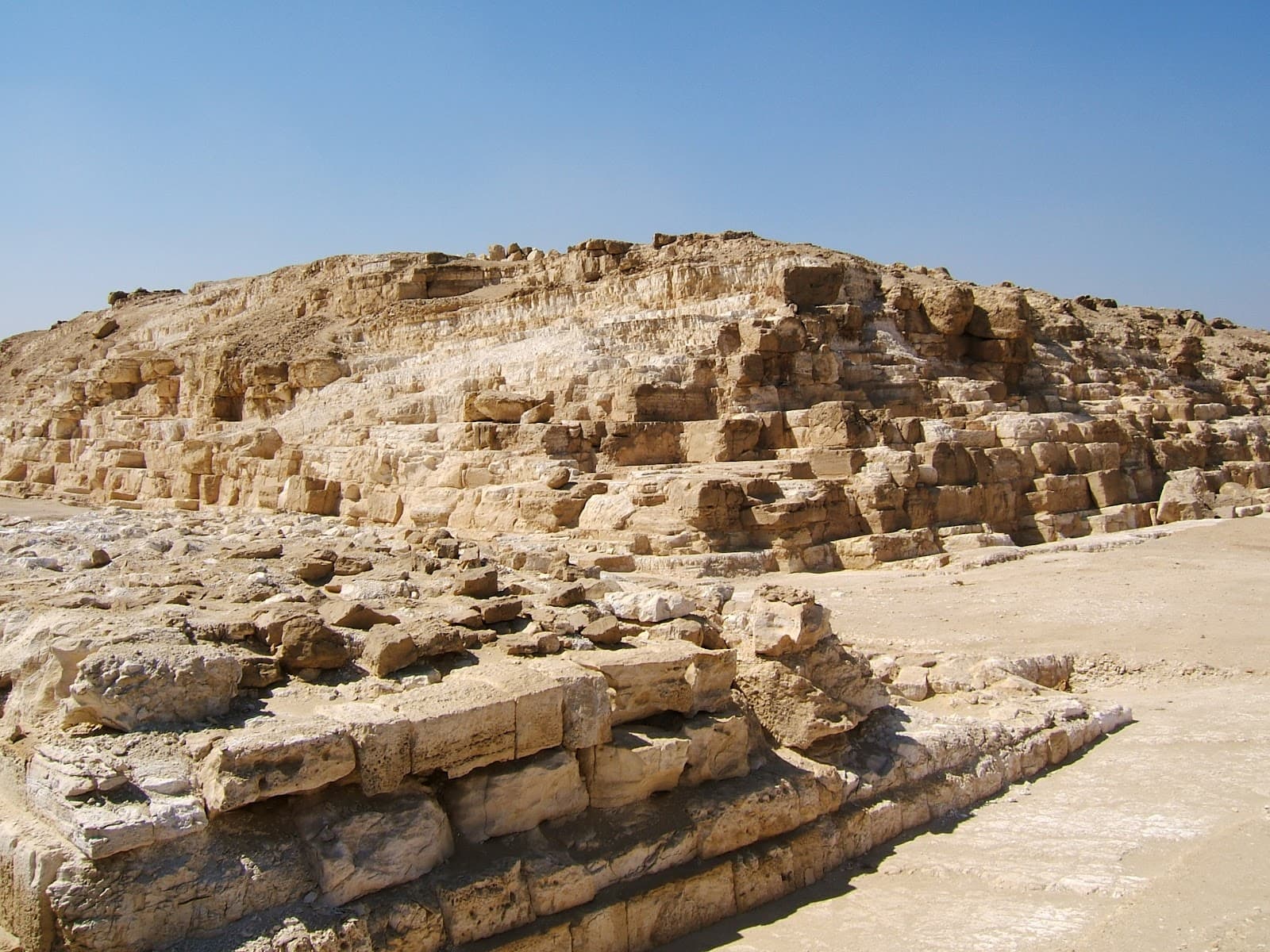
"Although it is small, Abu Ghorab is a very exciting and interesting site of the ancient Egypt. Pyramid is very damaged unfortunately, but the alabaster altar is amazing, the esoterism enthusiasts affirm it is a dimensional portal capable to transmit energy to oneself, of course it is a matter of opinions. Whatever the point of view is, Abu Ghorab is an astonishing example of ancient technology since there are some stone blocks that show holes that seem having been made with spinning tools such drills which you will find fascinating as well as all stone made recipients with the same kind of holes that some have considered as places for sacrifices of animals since it is known that ancient Egyptians used to kill two oxen and two gees every day to the God Sun in this temple. It was built during the V Dynasty around 2500 years BC. You should not miss the opportunity, talk with your guide."
Ernesto Chávez Féison
"Abusir and Abu Gorab are both closed for renovations. You need a special permit to access it. If they catch you trying to access the sites from desert side, you will pay 200 dollars fine plus all photos you took will be deleted. Same applies if you bribe to access."
Irena Oldfield
What People Like
What People Dislike
Frequently Asked Questions
🚇 🗺️ Getting There
Abu Ghurab is located north of Abusir, between Giza and Saqqara. Access is often restricted, and it's recommended to arrange transport with a guide who can assist with permits and navigation. Driving yourself without proper authorization is strongly discouraged due to potential fines.
Accessibility can be challenging as the site is frequently closed for renovations and requires a special permit. It's not a typical tourist stop, so planning is key.
Yes, Abu Ghurab is geographically close to Giza. However, direct public transport is not available, and it's best visited as part of a guided tour or with private transport arranged in advance.
The most reliable way to reach Abu Ghurab is by hiring a private car and driver, ideally through a reputable tour operator or guide who can secure the necessary permits.
Be prepared for potential delays or changes in access due to ongoing renovations. Confirm your access and transport arrangements the day before your visit.
🎫 🎫 Tickets & Entry
Yes, a special permit is required to access Abu Ghurab, as it's often closed for renovations. Attempting to enter without one can lead to significant fines.
Permits are typically arranged through tour operators or local guides who have established procedures for accessing restricted sites like Abu Ghurab.
Opening hours are not fixed due to potential renovations. It's crucial to confirm access and hours with your guide or tour operator on the day of your visit.
While there isn't a standard ticket booth, the cost of a permit is usually bundled into guided tour packages or arranged separately by your guide.
Visitors caught attempting to access the site without authorization face hefty fines (around $200) and the deletion of any photos taken.
🎫 🧭 Onsite Experience
You can see the remains of a unique open-air sun temple, including a large obelisk, an alabaster altar, ritual basins, and decorated reliefs from the 5th Dynasty.
For history buffs and those interested in ancient Egyptian religion, Abu Ghurab offers a rare glimpse into solar worship and is considered very exciting and interesting.
The alabaster altar, shaped like the 'Hotep' hieroglyph, is a remarkable artifact. Some enthusiasts believe it served as a dimensional portal for energy transmission.
Photography is generally allowed, but attempting to access the site without a permit can lead to your photos being deleted.
Wear comfortable walking shoes as the terrain can be uneven. Given it's an open-air site, light, breathable clothing is recommended, and sun protection is essential.
📸 📸 Photography
The central courtyard with the obelisk and alabaster altar offers iconic shots. The surrounding areas with reliefs and basins also provide unique photographic opportunities.
Yes, photography is generally permitted. However, ensure you have the proper access permit, as unauthorized entry can result in photo deletion.
A wide-angle lens is useful for capturing the scale of the temple complex. Consider a polarizing filter to enhance the sky and reduce glare on the stone.
Drone photography is typically prohibited at archaeological sites in Egypt without special permits. It's best to assume it's not allowed unless explicitly stated otherwise.
The golden hours (early morning or late afternoon) can offer beautiful light for photography, highlighting the textures of the ancient stones.
For Different Travelers
Tailored advice for your travel style
👨👩👧 Families with Kids
🏛️ History & Archaeology Enthusiasts
✨ Esotericism & Spirituality Seekers
Deep Dives
In-depth insights and expert knowledge
The Significance of Sun Temples
Archaeological findings at Abu Ghurab, such as the alabaster altar and numerous offering basins, reveal the scale and nature of the ceremonies performed. The temple was not merely symbolic but a functional space for large-scale religious gatherings. The well-preserved reliefs offer invaluable insights into the religious practices, festivals, and the king's divine connection during the Old Kingdom period.
Exploring Abu Ghurab's Unique Architecture
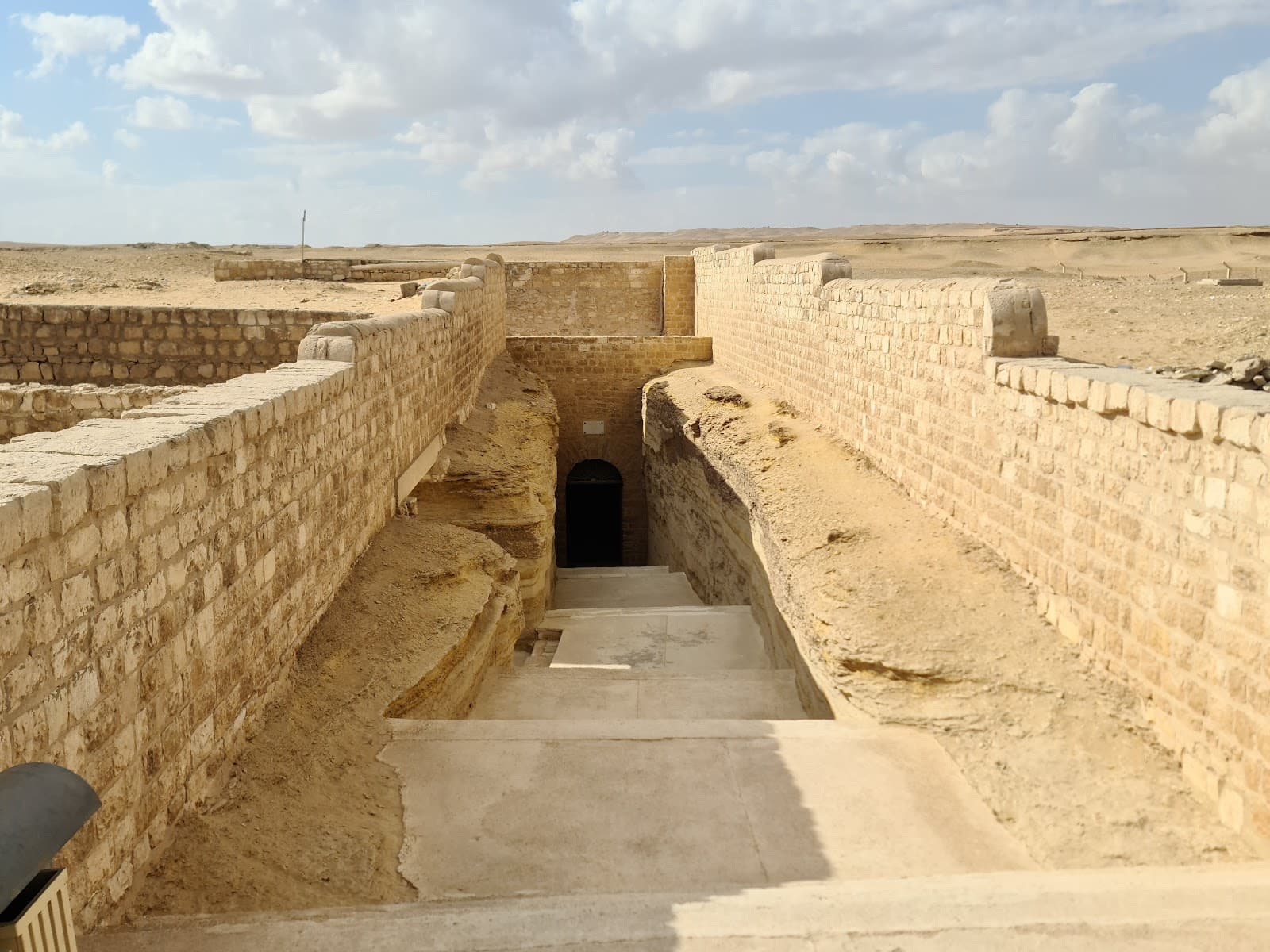
Further exploration reveals numerous storage rooms and alabaster basins used for ritual libations and offerings of food and drink. The temple walls were adorned with decorated reliefs depicting scenes of festivals and the king's life, providing a visual narrative of Old Kingdom religious customs. Some stone blocks exhibit holes that suggest the use of advanced tools, sparking discussions about ancient technology and engineering capabilities.

Social
from TikTok, Instagram & Reddit