
Inca Caranqui Archaeological Complex
A historically significant Inca site, believed to be Atahualpa's birthplace, featuring ancient stonework and ceremonial water channels.
Highlights
Must-see attractions

Social
From TikTok & Reddit
Best Time
Best for viewing stonework
Inca Caranqui Archaeological Complex
Best Time
Best for viewing stonework
Highlights
Must-see attractions
A historically significant Inca site, believed to be Atahualpa's birthplace, featuring ancient stonework and ceremonial water channels.
"An archaeological site with finely carved rocks, but sadly not maintained or open to the public."
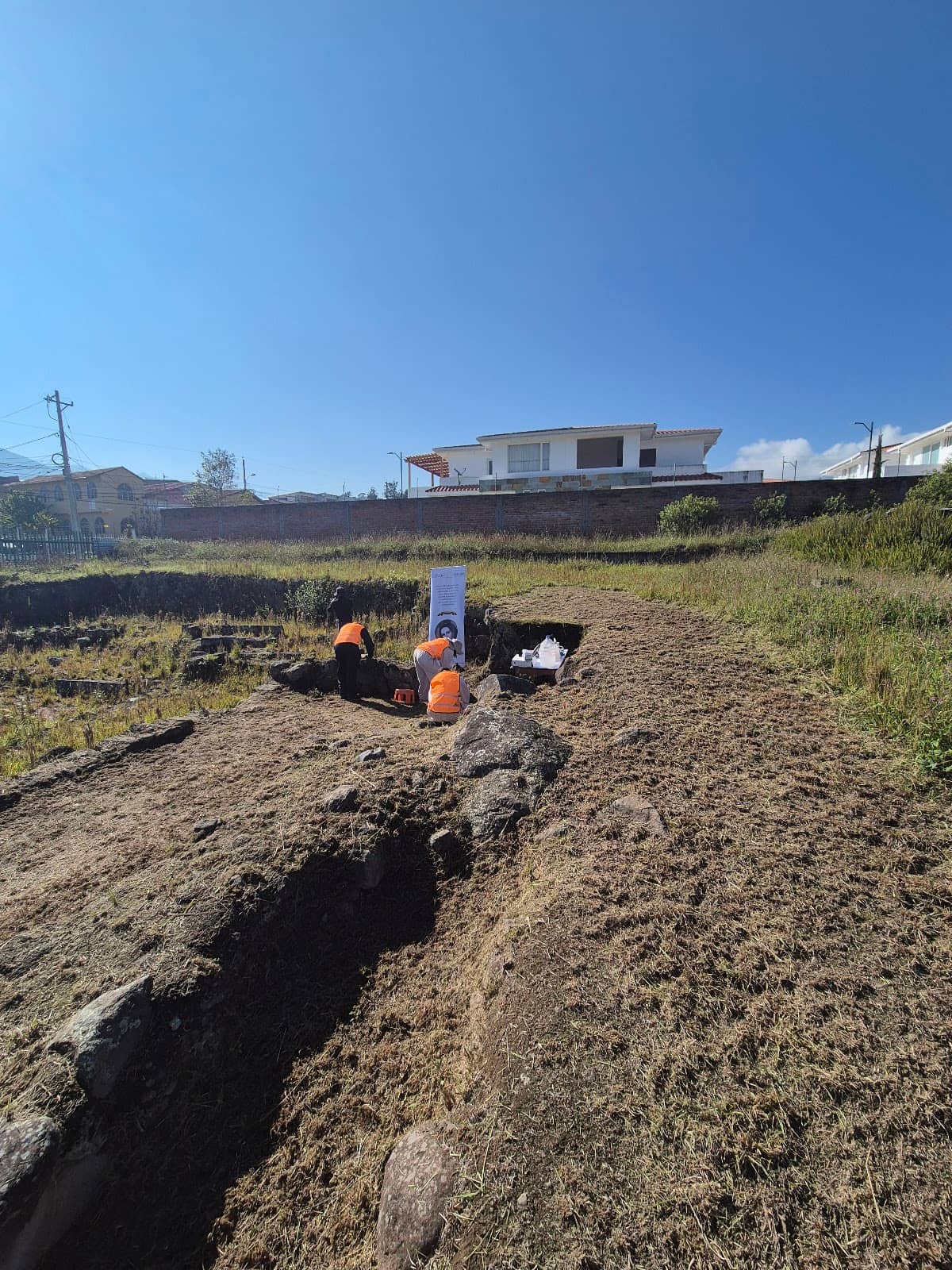
View from Exterior
Since access is limited, focus on appreciating the visible Inca infrastructure from outside the enclosure. :camerawithflash:
Research History
Learn about Atahualpa and the site's ceremonial significance beforehand to enhance your visit. :books:
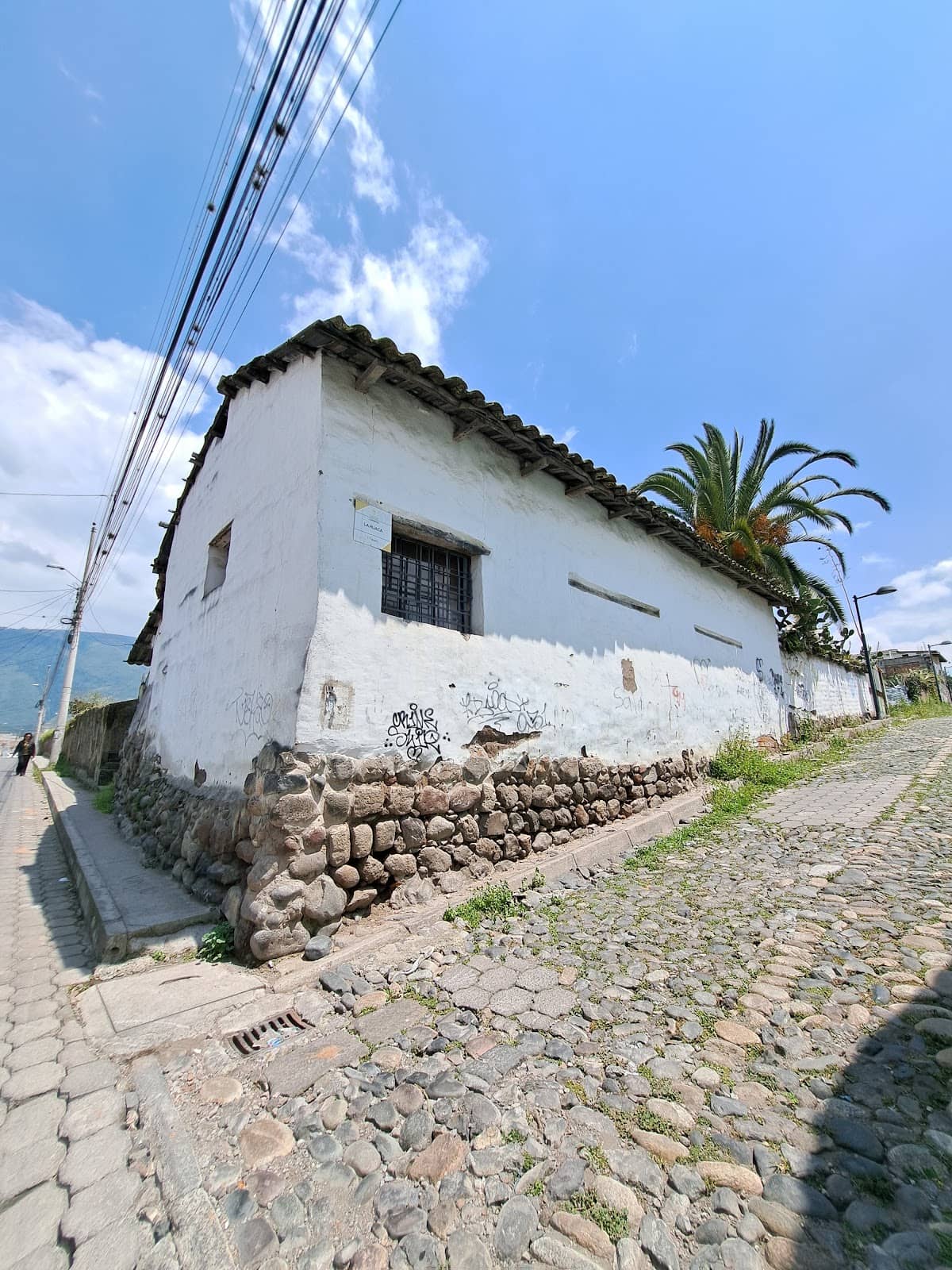
Highlights
Discover the most iconic attractions and experiences
Inca Stonework
Marvel at finely carved rocks and ancient Inca construction, showcasing sophisticated engineering and artistry.
Ceremonial Water Channels
Explore stone-built water channels and a reservoir, hinting at the site's past as a ceremonial hub linked to water.

Atahualpa's Birthplace
Stand where Atahualpa, the last Inca emperor, is said to have been born and raised, a pivotal figure in history.
Plans like a pro.
Thinks like you
Planning Your Visit
Access & Maintenance
Historical Significance
Best Times
Insider Tips
from TikTok, Instagram & Reddit
View from Exterior
Since access is limited, focus on appreciating the visible Inca infrastructure from outside the enclosure. :camerawithflash:
Research History
Learn about Atahualpa and the site's ceremonial significance beforehand to enhance your visit. :books:
Wear Sturdy Shoes
The grounds can be uneven and poorly maintained, so comfortable, sturdy footwear is essential. :athletic_shoe:
Tips
from all over the internet
View from Exterior
Since access is limited, focus on appreciating the visible Inca infrastructure from outside the enclosure. :camerawithflash:
Research History
Learn about Atahualpa and the site's ceremonial significance beforehand to enhance your visit. :books:
Wear Sturdy Shoes
The grounds can be uneven and poorly maintained, so comfortable, sturdy footwear is essential. :athletic_shoe:
What Travellers Say
Reviews Summary
Visitors acknowledge the historical significance of the Inca Caranqui Archaeological Complex, particularly its connection to Atahualpa and its ancient stonework. However, many express disappointment regarding the site's poor maintenance and limited public access, calling for state investment to preserve this important piece of history.
"Loved to see this!"
Vivian Thomas-Hawk
"Ok"
Evelyn Cóndor
"An archaeological site that is not open to the public and is not maintained. However, part of the infrastructure can be seen from outside the enclosure, featuring finely carved rocks dating back to the Inca culture. It is mentioned that Atahualpa, the last ruler of Tahuantinsuyu, was born and raised in Caranqui. The son of Inca Huayna Capac and Princess Paccha Duchicela. State investment is needed to rescue this important piece of our history."
Daniel Sánchez Guerrero
What People Like
What People Dislike
Frequently Asked Questions
🚇 🗺️ Getting There
Information on public transport or driving directions to the complex is scarce due to its limited public access and maintenance. It's advisable to inquire locally for the most current access points and transportation options. :bus: :car:
Finding the complex can be challenging as there are often no clear signs or markers indicating its existence. Local guidance might be necessary. :round_pushpin:
🎫 🎫 Tickets & Entry
As the site is not fully open to the public and lacks formal maintenance, there is typically no official entrance fee. However, access may be restricted. :ticket:
The complex is not officially open to the public with set hours due to its state of disrepair. Viewing is generally limited to what is visible from the exterior. :clock1:
Due to the site's condition and limited access, organized tours are not commonly available. It's best to check with local tourism offices for any potential guided visits. :briefcase:
🎫 🧭 Onsite Experience
You can observe ancient Inca stonework, including finely carved rocks, water channels, and a reservoir. It's also noted as the birthplace of Atahualpa, the last Inca ruler. :statueofliberty:
Unfortunately, reviews indicate that the site is very poorly maintained, with exterior walls and sidewalks in terrible condition. State investment is needed for restoration. :construction_worker:
Currently, there are no signs or markers indicating the existence or historical significance of this site, making prior research essential. :memo:
Given the poor maintenance and limited access, it may not be ideal for young children. The focus is on historical observation rather than interactive exhibits. :child:
📸 📸 Photography
Focus on capturing the intricate Inca stonework and the unique water channel structures from accessible exterior viewpoints. :camerawithflash:
Photography is generally permitted from exterior viewing areas, but always be respectful of any restricted zones. :iphone:
For Different Travelers
Tailored advice for your travel style
History Enthusiasts
Consider bringing a good history book or downloading relevant podcasts to listen to while exploring the exterior views. This will deepen your understanding and appreciation of what you are seeing, transforming a potentially underwhelming visit into an educational journey. :microphone_stage:
Budget Travelers
However, be aware that the lack of amenities means you'll need to be self-sufficient. Bring your own water, snacks, and any necessary information, as there are no services on-site. The main cost will be transportation to the location. :backpack:
Deep Dives
In-depth insights and expert knowledge
Historical Context and Significance
Despite its historical significance, the complex faces challenges with preservation and public access. Reviews consistently highlight its poor maintenance, with exterior walls and sidewalks in disrepair. This lack of upkeep means that much of its potential as a tourist attraction and historical educational resource is unrealized. There's a strong sentiment that state investment is crucial to rescue and restore this vital piece of history, ensuring future generations can learn from and appreciate its legacy. Travelers are advised to manage expectations regarding accessibility and site condition.
For those who visit, the experience is often one of contemplation and historical imagination. While you might not walk through fully restored structures, observing the finely carved rocks and the ingenious water systems from the exterior allows for a connection to the past. It’s a reminder of the grandeur of the Inca Empire and the pivotal role this location played in its history. Understanding the context of Atahualpa's life and the Inca's relationship with water can significantly enrich the visitor's perspective.



Social
from TikTok, Instagram & Reddit