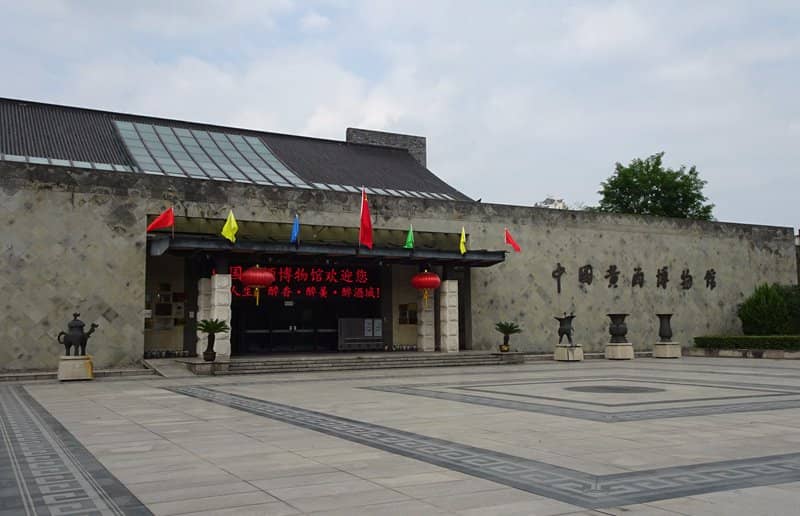
Yellow Rice Wine Museum China
Discover the rich history and intricate brewing of China's iconic Huangjiu. Taste distinct Shaoxing wines and explore ancient cellars.
Highlights
Must-see attractions

Social
From TikTok & Reddit
Best Time
Fewer crowds, potentially lower admission
Yellow Rice Wine Museum China
Best Time
Fewer crowds, potentially lower admission
Highlights
Must-see attractions
Discover the rich history and intricate brewing of China's iconic Huangjiu. Taste distinct Shaoxing wines and explore ancient cellars.
"A very educational experience, I'll be enjoying Huangjiu even more."
Free Admission (Mostly!)
:ticket: Admission is often free, but confirm prices as they can vary. Weekday discounts are sometimes available.
Taste the Difference
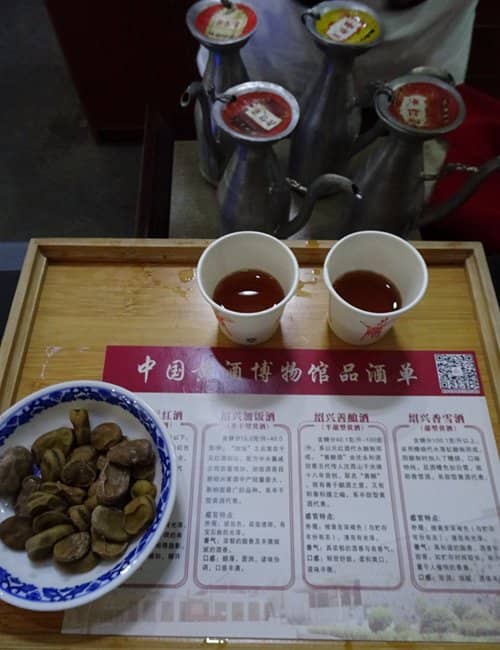
:wine_glass: Don't miss the tasting! Sample Yuanhongjiu, Jiafanjiu, Shanjiangjiu, and Xiangxuejiu to understand their unique flavors.
Highlights
Discover the most iconic attractions and experiences
Shaoxing Wine Tasting
Tasting Counter
Sample four distinct Shaoxing wines, from dry to sweet, with accompanying snacks. A true taste of local culture.
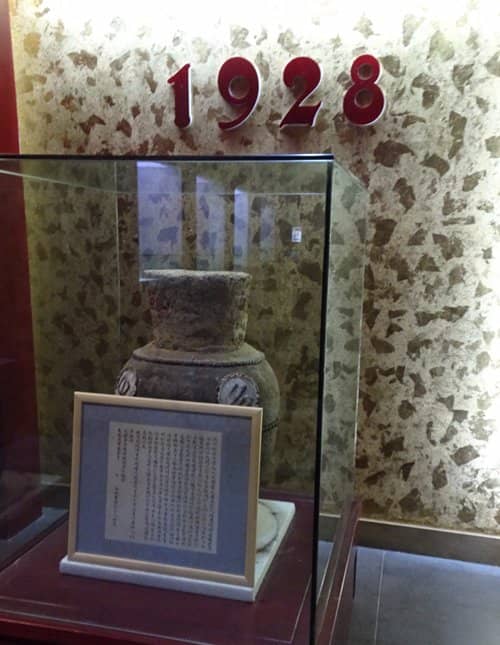
Underground Wine Cellar
Basement
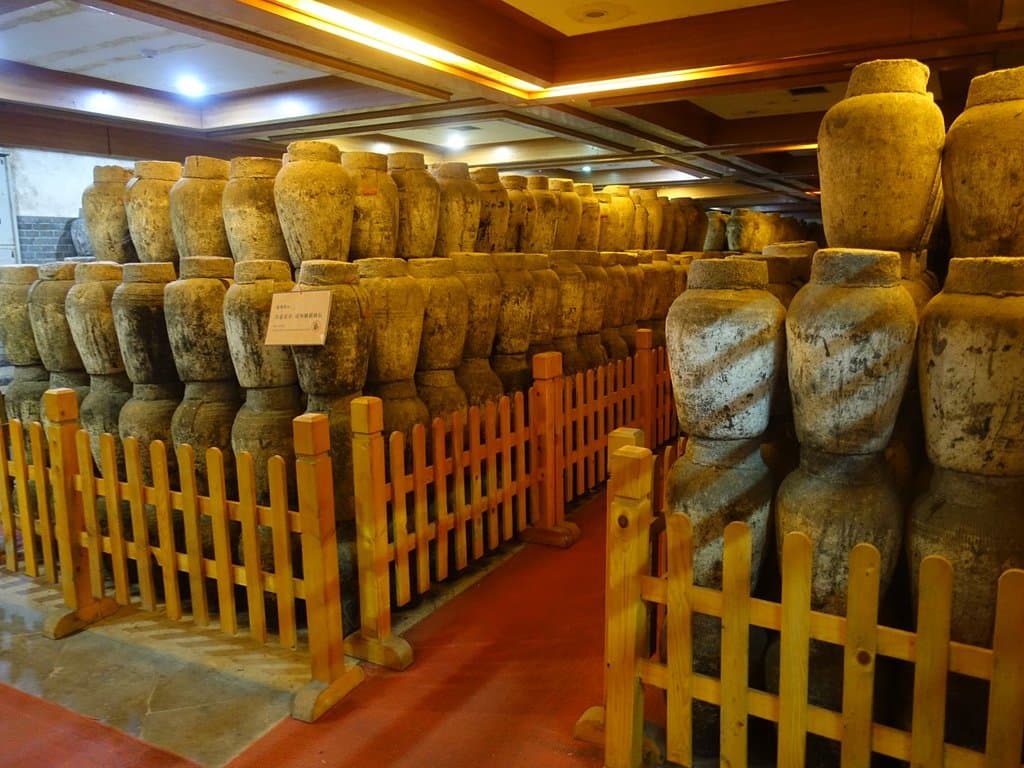
Marvel at the impressive sight of countless stone jars filled with aging Shaoxing wine, a testament to tradition.

Brewing Process Exhibits
Discover the intricate history and traditional methods behind China's iconic rice wine, Huangjiu.
Plans like a pro.
Thinks like you
Planning Your Visit
Admission & Hours
Getting There & Tasting
Best Times
Insider Tips
from TikTok, Instagram & Reddit
Free Admission (Mostly!)
:ticket: Admission is often free, but confirm prices as they can vary. Weekday discounts are sometimes available.
Taste the Difference
:wine_glass: Don't miss the tasting! Sample Yuanhongjiu, Jiafanjiu, Shanjiangjiu, and Xiangxuejiu to understand their unique flavors.
Plan Your Transport
:bus: The museum is a bit remote. Factor in travel time and consider a taxi or ride-sharing service.
Learn About Huangjiu
:books: Explore exhibits on the history and culture of Huangjiu, China's traditional brewed alcohol.
Tips
from all over the internet
Free Admission (Mostly!)
:ticket: Admission is often free, but confirm prices as they can vary. Weekday discounts are sometimes available.
Taste the Difference
:wine_glass: Don't miss the tasting! Sample Yuanhongjiu, Jiafanjiu, Shanjiangjiu, and Xiangxuejiu to understand their unique flavors.
Plan Your Transport
:bus: The museum is a bit remote. Factor in travel time and consider a taxi or ride-sharing service.
Learn About Huangjiu
:books: Explore exhibits on the history and culture of Huangjiu, China's traditional brewed alcohol.
Souvenir Shopping
:gift: The shop offers Shaoxing wine and related products. The lees shochu is highly recommended for strong alcohol lovers.
What Travellers Say
Reviews Summary
Visitors find the Yellow Rice Wine Museum to be an educational and enjoyable experience, particularly for its wine tasting and insights into Chinese rice wine culture. The underground cellar is a visually striking highlight. However, its somewhat remote location and occasional lack of active multimedia exhibits on weekdays are noted drawbacks.
"The exhibits focus on Shaoxing's wine culture and introduce the history of Huangjiu in China.
There is no audio guide in Japanese. Admission is free.
At the museum's shop, you can sample four different types of Shaoxing wine (Yuanhongjiu, Jiafanjiu, Shanjiangjiu, and Xiangxuejiu) made using different production methods, for an additional fee. I'd only ever vaguely considered Huangjiu before, and only paid attention to the age, so this was a very educational experience. It looks like I'll be enjoying Huangjiu even more.
The best thing about this museum is the handmade Shaoxing wine workshop.
The Shaoxing wine lees shochu (kasu shao) available for purchase here is delicious, and highly recommended for those who like stronger alcohol.
The rice wine, which is similar to sweet sake, was also delicious, but with a fairly low alcohol content of 3%, it seemed like it would be difficult to bring back to Japan, so I gave up on trying it."
にいがた五泉商店
"The museum is currently the only large-scale museum in China that displays the history and culture of rice wine, demonstrating the brewing process of traditional rice wine, and is also the founding wine for national banquets."
Noly Chou
"I don't drink much Shaoxing wine, but I came to Shaoxing hoping to learn more about it. I couldn't decipher the difficult Chinese, but the last two types of wine (tasting) were really good, and I was able to experience the difference in taste between the sour and sweet varieties.
I visited on a Monday. There seemed to be only one other group there besides me. 40 RMB."
Shunping Tianyuan
What People Like
What People Dislike
Frequently Asked Questions
🚇 🗺️ Getting There
The museum is located a bit outside the main city center and can be inconvenient to reach via public transport like the BRT. Many visitors recommend taking a taxi or using a ride-sharing service for direct access. Factor in travel time as it's not immediately adjacent to major transit hubs.
While not explicitly detailed in reviews, visitors arriving by car on weekdays seem to find parking available. It's advisable to check for designated parking areas upon arrival.
Given its distance from BRT stations, a taxi or ride-sharing app is the most practical option. This ensures a direct and less time-consuming journey to the museum.
🎫 🎫 Tickets & Entry
Admission is often free, but some reviews mention fees ranging from 30-60 RMB, with potential discounts on weekdays. It's best to confirm the current pricing upon arrival or check their official channels if available.
Yes, some visitors have noted that weekday visits might offer lower admission prices compared to weekends. It's worth inquiring about any available discounts when you arrive.
Opening hours can vary, and it's recommended to check them before your visit. Some exhibits might not be active on weekdays, so planning your visit accordingly is wise.
Information on advance ticket purchases is limited. Given that admission is often free or has flexible pricing, purchasing tickets upon arrival is the standard approach.
Unfortunately, there is no audio guide available in languages like Japanese, and it's unclear if guides are available in other languages. You may need to rely on exhibit text or a translation app.
🍽️ 🍷 Wine & Dining
Absolutely! The museum features a tasting counter where you can sample four different types of Shaoxing wine for an additional fee. It's a great way to learn about their distinct flavors.
You can typically taste Yuanhongjiu (dry), Jiafanjiu (common), Shanjiangjiu (sweeter), and Xiangxuejiu (dessert wine). This allows for a comprehensive understanding of the wine's spectrum.
Yes, beans are usually included as a snack with the wine tasting, which helps to cleanse the palate between different wine samples.
Shaoxing wine lees shochu is a distilled spirit made from the lees (sediment) left after brewing Shaoxing wine. It's known for being strong and delicious, highly recommended for those who enjoy potent alcohol.
Yes, there is a shop at the tasting corner where you can purchase souvenirs, including various types of Shaoxing wine to take home.
📸 📸 Photography & Exhibits
The museum showcases the history and culture of Huangjiu in China, demonstrating traditional brewing processes. You'll see exhibits on the founding of national banquets and historical idioms related to wine.
Photography policies can vary. While not explicitly stated as prohibited, it's always a good practice to be mindful of signage and other visitors. Some exhibits might have restrictions.
The underground wine cellar, with its impressive display of stone jars filled with aging wine, is a highlight. It visually represents the long-term maturation process crucial to Shaoxing wine production.
On weekdays, some visitors have noted that exhibit videos might not be operational. This could be a reason to visit on a weekend if you want to experience all multimedia aspects.
The museum provides a comprehensive overview of Huangjiu, explaining its origins, cultural significance, and the diverse brewing techniques used across China. You'll gain insight into its role in banquets and poetry.
For Different Travelers
Tailored advice for your travel style
👨👩👧 Families with Kids
If visiting with family, consider focusing on the tasting experience (for adults) and the visual aspects of the brewing process. The museum is a bit remote, so plan your transportation accordingly. It's a good opportunity to introduce children to a different aspect of Chinese culture, but manage expectations regarding kid-specific entertainment.
🍷 Wine Enthusiasts & Connoisseurs
The museum's comprehensive exhibits on the history and traditional brewing techniques of Huangjiu will offer significant educational value. Learning about the cultural context, historical idioms, and the meticulous craftsmanship involved in creating this ancient beverage will enrich your appreciation. Don't miss the impressive underground cellar, a testament to the aging process that defines the quality of fine Shaoxing wine.
Deep Dives
In-depth insights and expert knowledge
The Art of Shaoxing Wine Production
The museum highlights that Shaoxing wine is not just a drink but a cultural symbol, often featured in poetry, literature, and important social gatherings. The underground wine cellar is a particularly striking exhibit, showcasing the aging process in large stone jars. This visual representation emphasizes the importance of time and patience in developing the wine's character and depth. The sheer scale of the cellar underscores the historical significance and widespread production of this beloved Chinese liquor.
For those interested in a hands-on experience, the museum offers a wine tasting session. This is a prime opportunity to differentiate between the various types of Shaoxing wine, such as the drier Yuanhongjiu and the sweeter Xiangxuejiu. Understanding these variations provides a richer appreciation for the versatility of Huangjiu, whether enjoyed on its own or as an ingredient in cooking. The tasting, often accompanied by snacks, is a sensory journey into the heart of Shaoxing's wine culture.
Navigating Your Visit: Practicalities and Tips
When exploring the exhibits, be aware that multimedia elements like videos might not always be operational, particularly on weekdays. This doesn't detract from the overall educational value, as the static displays and the impressive wine cellar offer plenty to learn. The museum aims to educate visitors on the history, culture, and production of Huangjiu, making it an insightful experience even without all interactive features running.
A significant draw for many visitors is the wine tasting experience. For a fee, you can sample several varieties of Shaoxing wine, accompanied by small snacks. This is an excellent way to understand the nuances of different wines and perhaps find a new favorite. The museum shop also offers a chance to purchase souvenirs, including bottles of Shaoxing wine, allowing you to take a taste of Shaoxing home with you.
Social
from TikTok, Instagram & Reddit