Baoguo Temple Ningbo
Discover China's oldest wooden structure at Baoguo Temple, a Song-era marvel of nail-free joinery and ancient architecture.
Highlights
Must-see attractions

Social
From TikTok & Reddit
Best Time
Vibrant ginkgo colors
Baoguo Temple Ningbo
Best Time
Vibrant ginkgo colors
Highlights
Must-see attractions
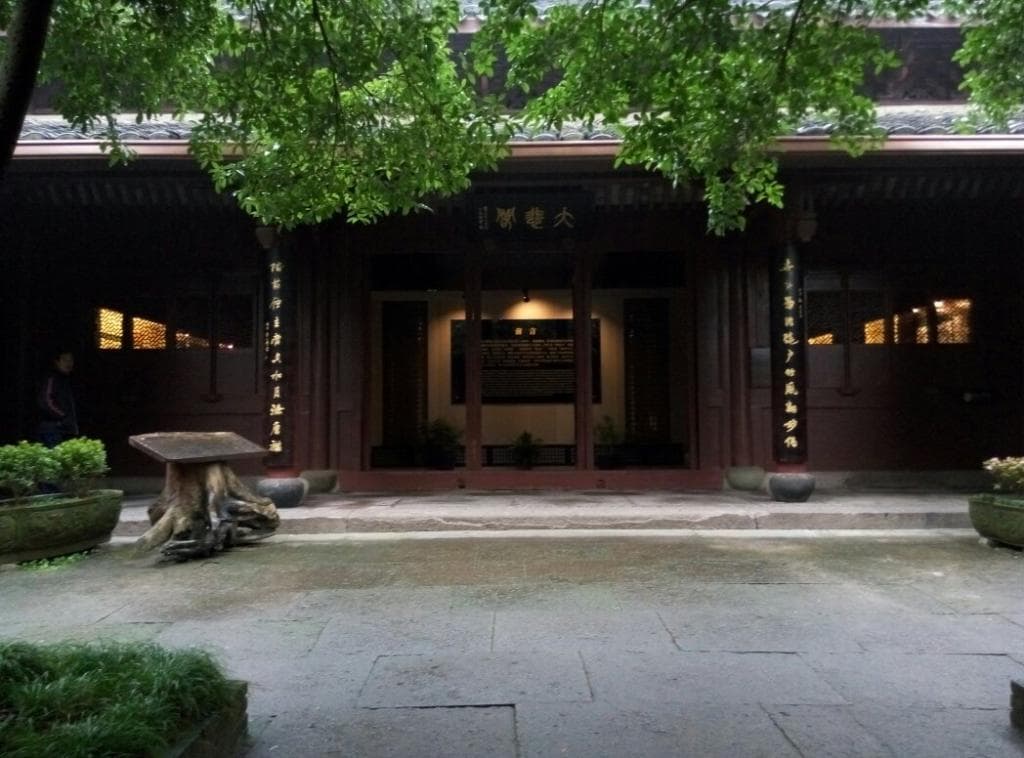
Discover China's oldest wooden structure at Baoguo Temple, a Song-era marvel of nail-free joinery and ancient architecture.
"A must-see for its unique Song-era wooden architecture and peaceful ambiance."
🚌 Bus Access is Easy
Take bus line 332 to Nijiayuan Station for direct access to the temple entrance.
👟 Wear Comfortable Shoes
There's a bit of a hike to reach the temple from the bus stop.
Highlights
Discover the most iconic attractions and experiences
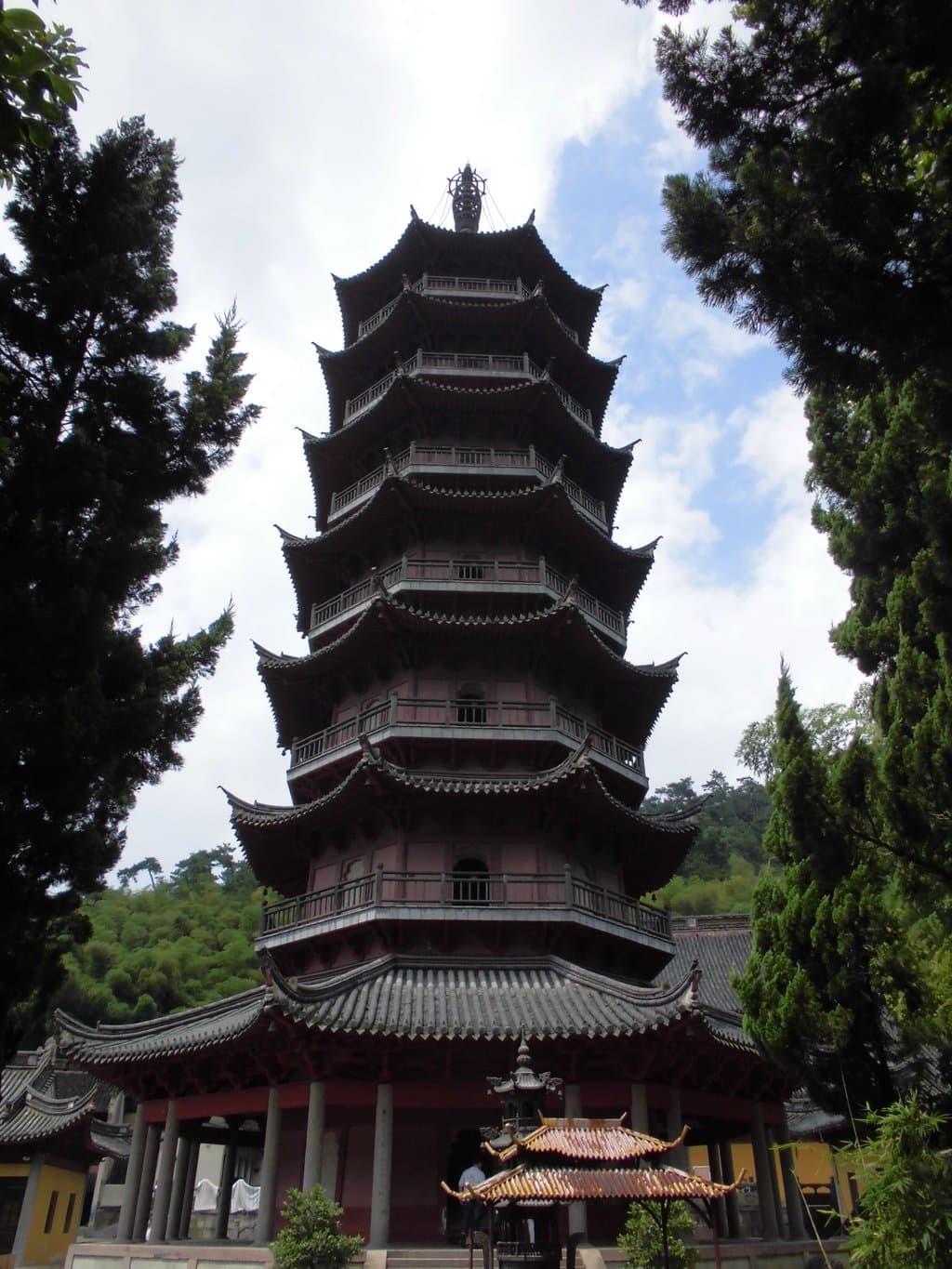
Song-Era Wooden Main Hall
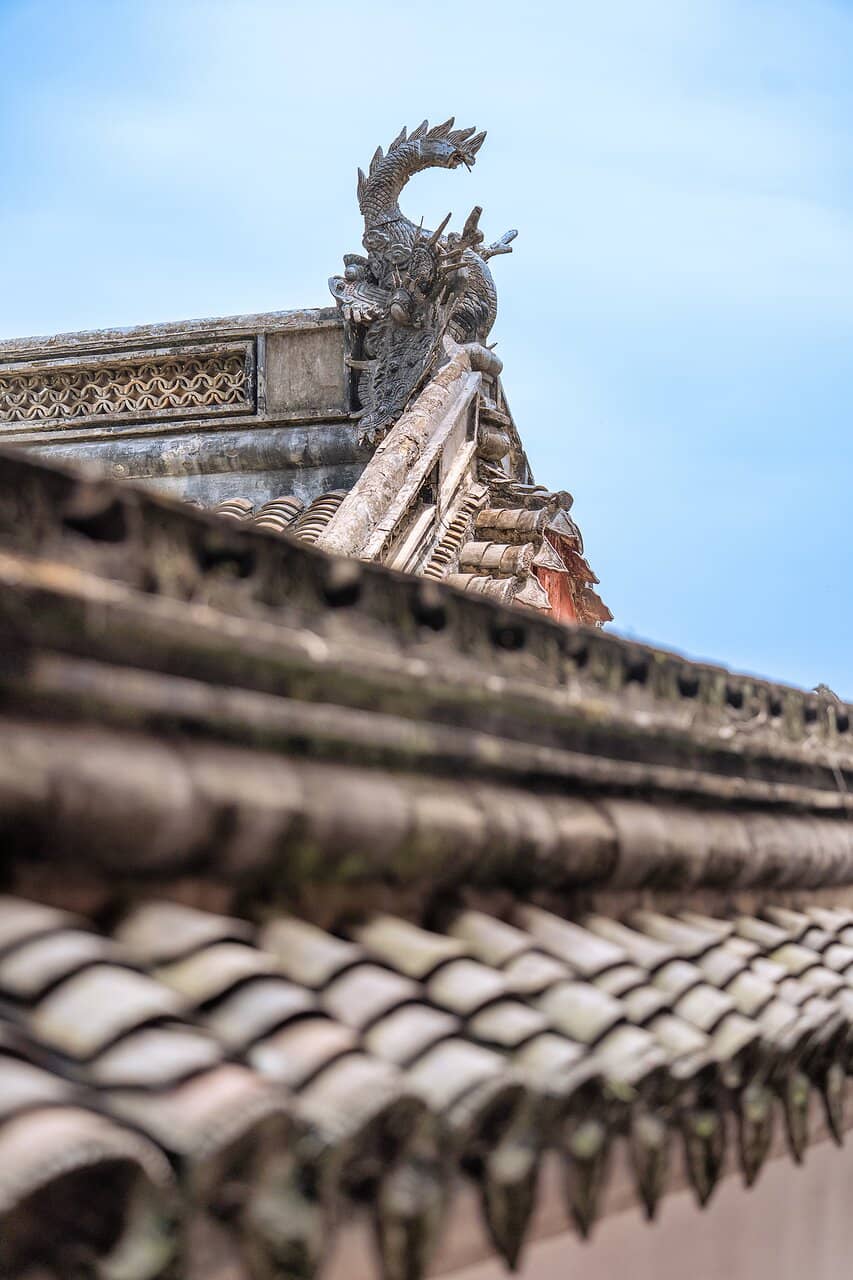
Marvel at China's oldest surviving wooden structure, showcasing ingenious mortise and tenon joinery.
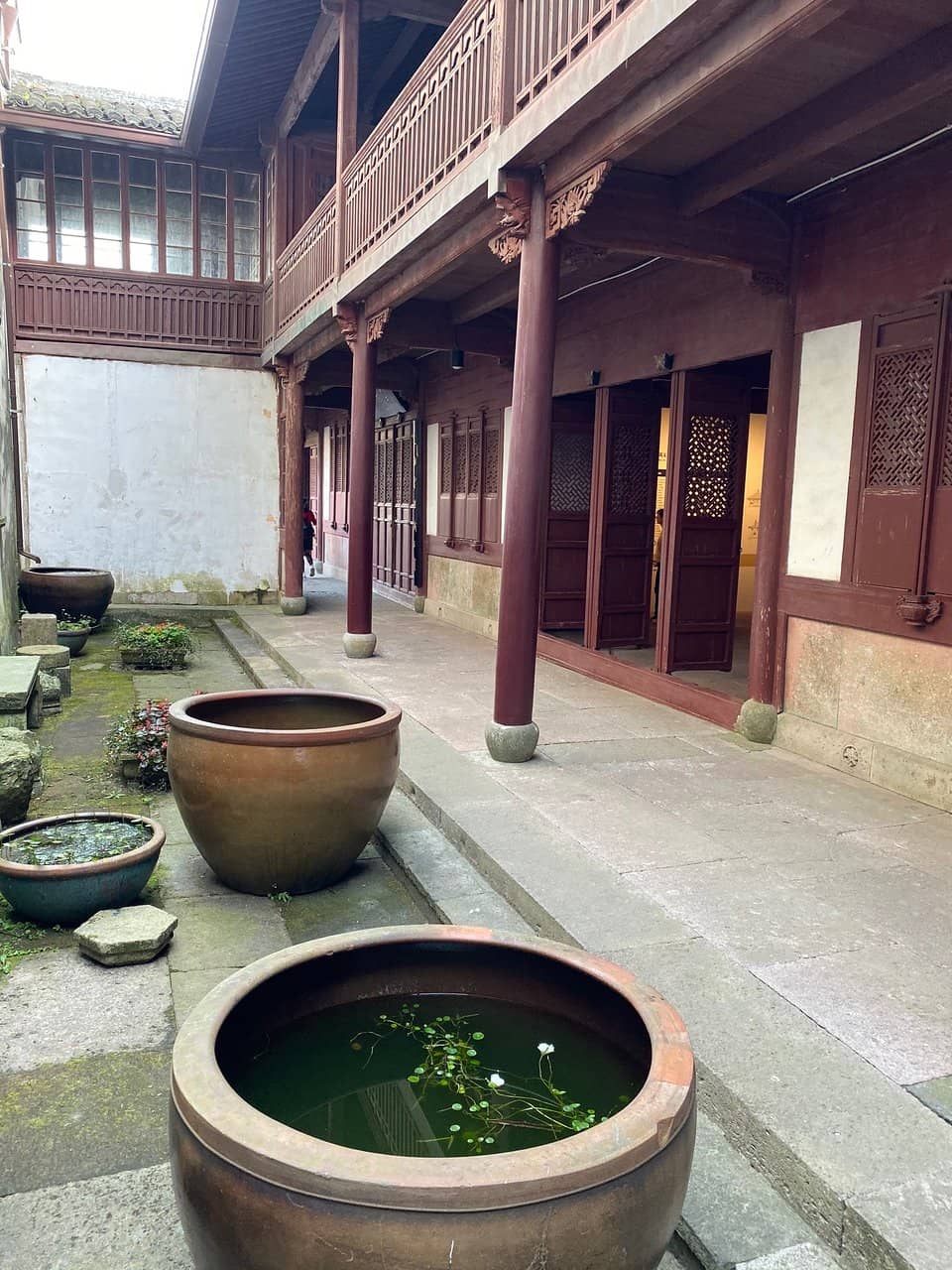
Ancient Ginkgo Tree
In autumn, a centuries-old ginkgo tree bursts into vibrant yellow, beautifully contrasting with the ancient temple.
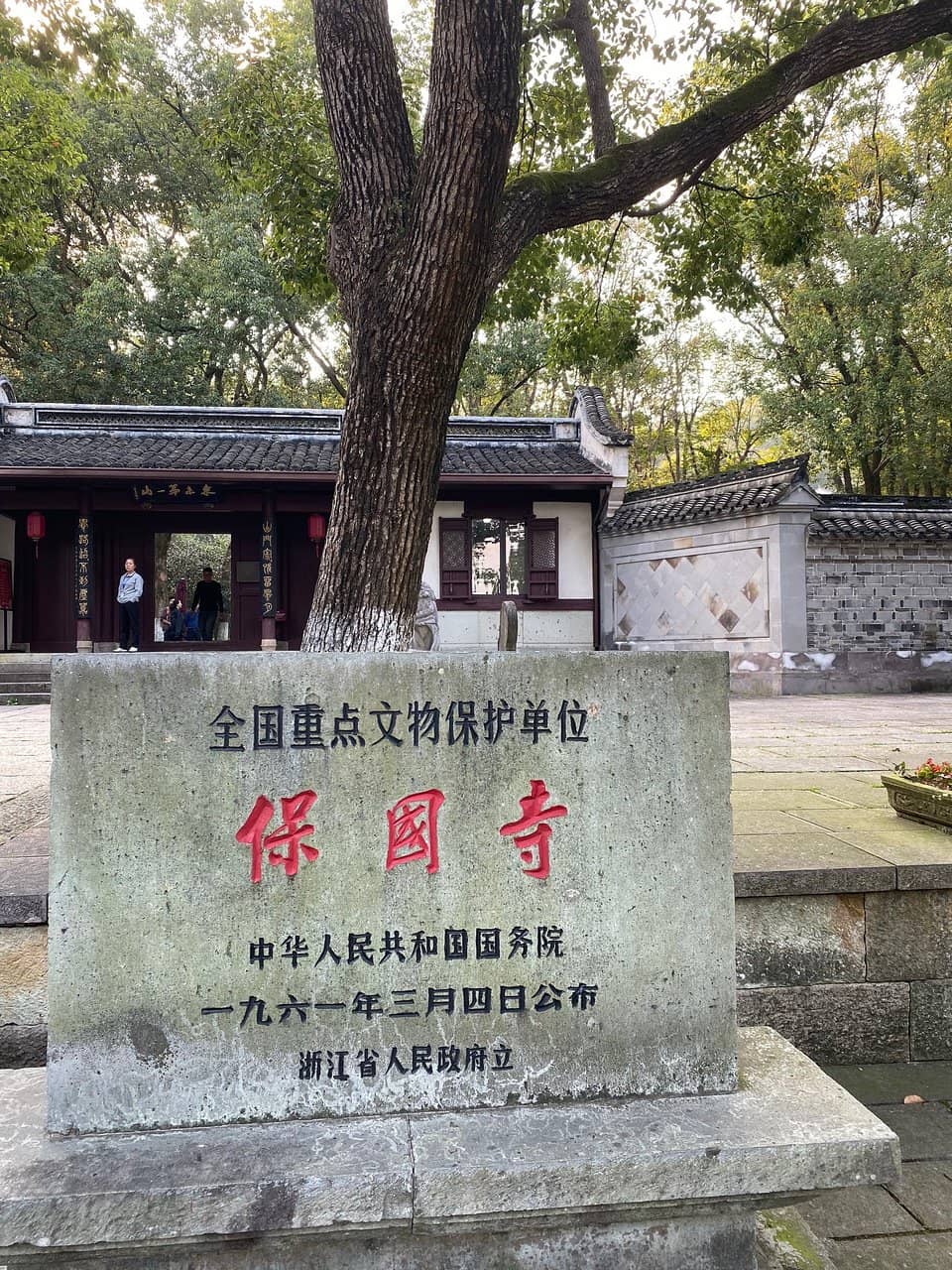
Architectural Exhibits
Explore displays on traditional Chinese architecture, offering insights into historical building methods.
Plans like a pro.
Thinks like you
Planning Your Visit
Ancient Architecture Awaits
Getting There & Exploring
Best Times
Insider Tips
from TikTok, Instagram & Reddit
🚌 Bus Access is Easy
Take bus line 332 to Nijiayuan Station for direct access to the temple entrance.
👟 Wear Comfortable Shoes
There's a bit of a hike to reach the temple from the bus stop.
🍂 Autumn Ginkgo Beauty
Visit in fall to see the stunning yellow leaves of the ancient ginkgo tree.
🏛️ Architectural Gem
Focus on the Song-era main hall; it's the highlight for its historical significance.
Tips
from all over the internet
🚌 Bus Access is Easy
Take bus line 332 to Nijiayuan Station for direct access to the temple entrance.
👟 Wear Comfortable Shoes
There's a bit of a hike to reach the temple from the bus stop.
🍂 Autumn Ginkgo Beauty
Visit in fall to see the stunning yellow leaves of the ancient ginkgo tree.
🏛️ Architectural Gem
Focus on the Song-era main hall; it's the highlight for its historical significance.
What Travellers Say
Reviews Summary
Visitors praise Baoguo Temple for its significant historical architecture, particularly the ancient Song-era wooden main hall, and its peaceful, less crowded atmosphere. The autumn foliage, especially the ginkgo tree, is a notable highlight. Some find the hike from the bus stop a bit challenging, and exhibit information is primarily in Chinese.
"The entrance to the temple is right next to the bus terminal (line 332 to Nijiayuan Station). It's not as big or crowded as Tiantong Temple, but a bit more interesting from an architectural point of view. The Song-era wooden main hall is a must see, and there are many exhibits on traditional Chinese architecture (mostly in Chinese). Various pavilion-topped hills surrounding the temple complex can also be hiked."
J.Y. Zhang
"This temple is located 1 hour away from the city by public bus. It’s atop a hill. The temple is beautiful and well-maintained. Not crowded - worth to have a quiet time while watching beautiful scenery."
Dian N
"Quite a bit of hike to get to the temple from the bottom! It was a temple without a single nail but the nails had to be added eventually to preserve the building."
H X
What People Like
What People Dislike
Frequently Asked Questions
🚇 🗺️ Getting There
The easiest way is to take bus line 332 directly to Nijiayuan Station, which is right next to the temple entrance. The journey takes about an hour from Ningbo city.
Baoguo Temple is located approximately one hour away from Ningbo city by public bus.
While specific parking details aren't widely shared, public transport is a convenient and recommended option.
Yes, there is a bit of a hike to get to the temple from the bottom, so comfortable footwear is advised.
Taking the bus is a straightforward method for a day trip, allowing you to experience the temple and its surroundings without the hassle of driving.
🎫 🎫 Tickets & Entry
Specific opening hours are not consistently detailed online, but it's generally open during daylight hours. It's advisable to check locally or arrive earlier in the day.
Admission fees are not widely publicized, but it's generally considered an affordable cultural site.
Advance booking is typically not required for Baoguo Temple, as it's less crowded than major tourist attractions.
Compared to other temples like Tiantong Temple, Baoguo Temple is less crowded, offering a more tranquil experience.
The temple features exhibits on traditional Chinese architecture, providing educational insights into its construction.
🎫 🏛️ Onsite Experience
The primary draw is the Song-era wooden main hall, one of the oldest surviving wooden structures in China, renowned for its nail-free construction.
You can explore exhibits on traditional Chinese architecture and hike the pavilion-topped hills surrounding the temple complex.
Yes, especially in autumn when the ancient ginkgo tree turns yellow, offering beautiful contrasts. The unique wooden architecture also makes for great shots.
It's significant for its Song-era wooden main hall, showcasing ingenious mortise and tenon joinery, a prime example of ancient Chinese architectural techniques.
Yes, it's noted for being less crowded than other temples, making it a good spot for a quiet time and enjoying the scenery.
📸 📸 Photography Tips
Capture the intricate details of the Song-era wooden main hall, especially its mortise and tenon joints. The ancient ginkgo tree in autumn is also a stunning subject.
Morning light can be beautiful for architectural shots, while autumn afternoons offer vibrant colors from the ginkgo tree.
Generally, photography is allowed, but it's always good practice to be respectful of the sacred space and avoid flash photography inside the main hall.
A versatile lens (like a 24-70mm) is useful for both architectural details and wider shots. A wide-angle lens can capture the grandeur of the main hall.
Focus on the joinery and structural elements. Look for interesting angles that highlight the wooden beams and pillars, showcasing the 'nail-free' design.
For Different Travelers
Tailored advice for your travel style
👨👩👧 Families with Kids
Keep in mind that there's a bit of a hike from the bus stop to the temple, so ensure children are prepared for a short walk. The surrounding hills offer space for kids to explore a bit, but supervision is key. It's a less crowded alternative to larger attractions, allowing for a more relaxed family outing where you can focus on the historical and architectural wonders without feeling rushed.
🏛️ Architecture Enthusiasts
Take your time to examine the structural elements and appreciate the craftsmanship. The exhibits on traditional Chinese architecture, though mostly in Chinese, provide valuable context. Consider visiting on a weekday to have more space to study the details without distraction. The temple's preservation status ensures that this architectural marvel remains accessible for appreciation.
Deep Dives
In-depth insights and expert knowledge
The Architectural Marvel of Baoguo Temple
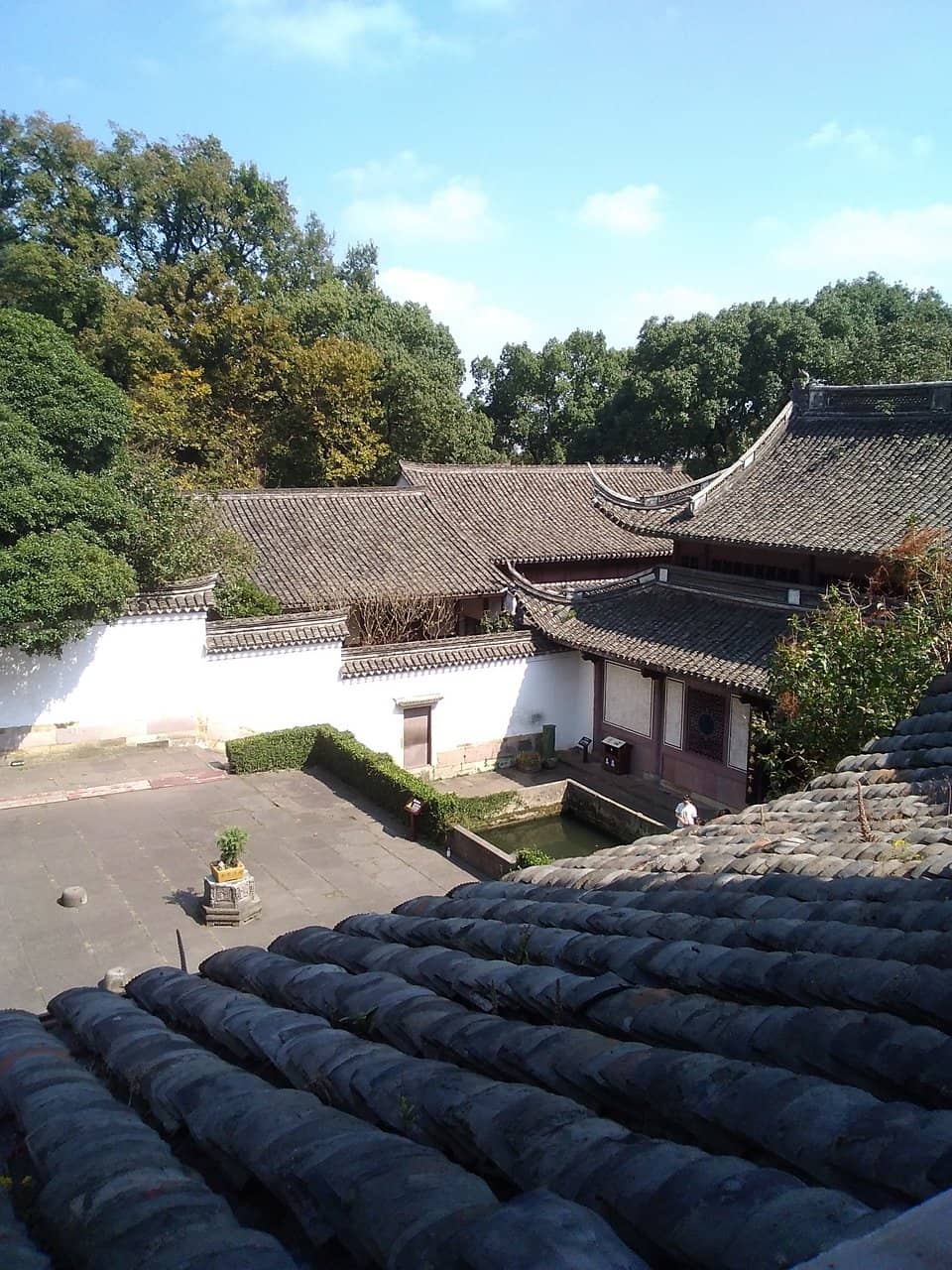
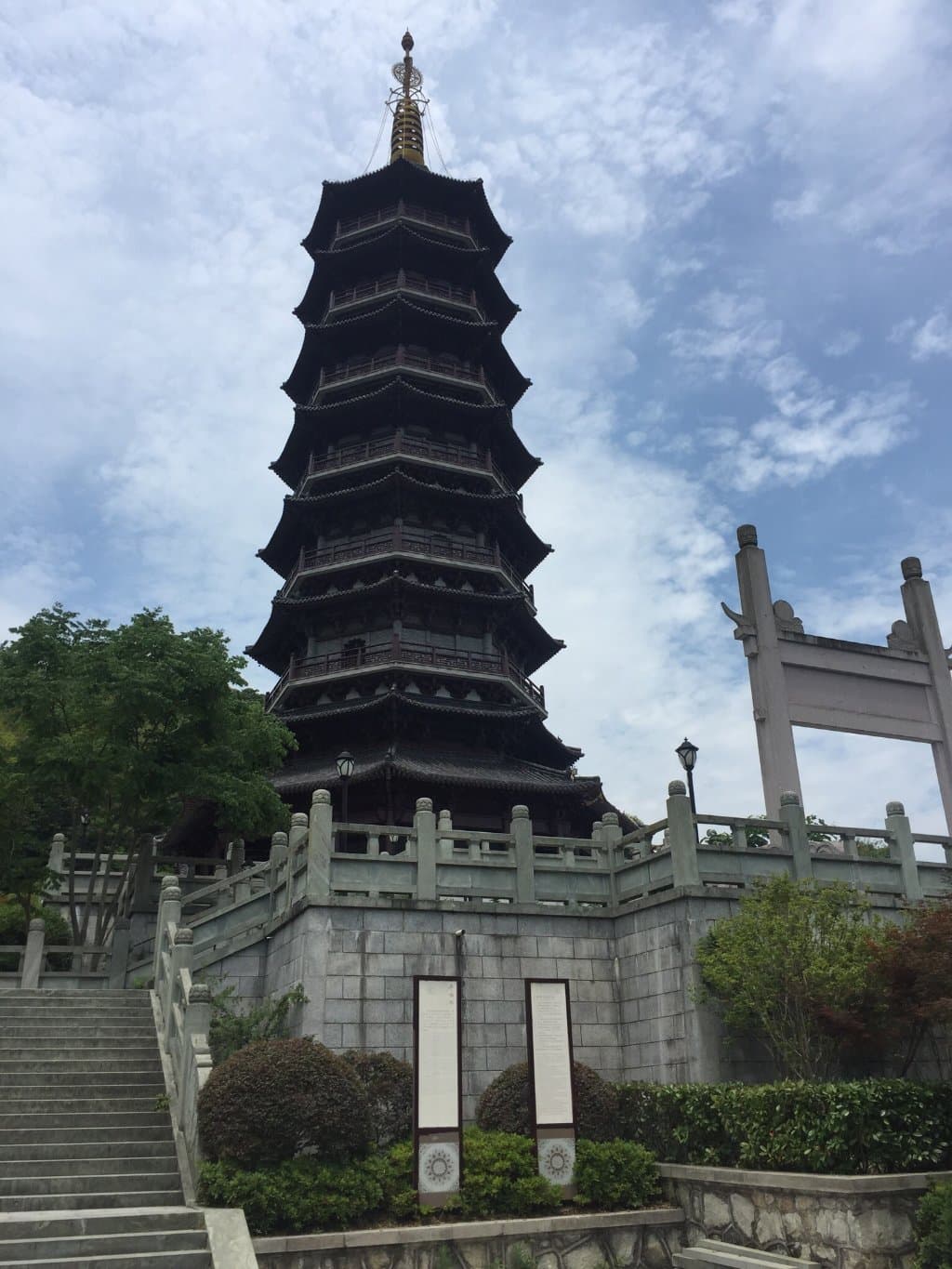
While the temple complex itself might not be as expansive as some other Buddhist sites, the architectural integrity of the main hall is its standout feature. The temple's history is rich, with mentions of its construction during the Tang Dynasty, though the current main hall is from the Song Dynasty. It's a designated cultural relic site under city protection, underscoring its importance. The surrounding pavilion-topped hills also offer opportunities for light hikes, providing scenic views and a chance to appreciate the temple's setting.
It's worth noting that while the original construction was nail-free, some sources suggest nails may have been added later for preservation purposes. Regardless, the core design principles remain a testament to the era's craftsmanship. The temple offers a unique opportunity to appreciate ancient wooden architecture up close, making it a must-visit for history and architecture enthusiasts.
Experiencing Baoguo Temple in Autumn

The crisp autumn air also makes for a more comfortable exploration of the temple and the surrounding hills. While the temple itself is a historical marvel, the seasonal beauty adds an extra layer of charm. The golden hues of the ginkgo leaves can make the entire complex feel more serene and visually appealing, enhancing the peaceful atmosphere that many visitors seek.
If you're planning a visit during autumn, aim for a weekday to avoid potential crowds and maximize your enjoyment of the tranquil environment. The combination of historical architecture and natural beauty makes Baoguo Temple a particularly rewarding destination during the fall months.




Social
from TikTok, Instagram & Reddit