Downtown Historic District
Step back in time in a vibrant Downtown Historic District, where stunning architecture meets local charm and unique shops.
Highlights
Must-see attractions

Social
From TikTok & Reddit
Best Time
Fewer crowds, relaxed exploration
Downtown Historic District
Best Time
Fewer crowds, relaxed exploration
Highlights
Must-see attractions
Step back in time in a vibrant Downtown Historic District, where stunning architecture meets local charm and unique shops.
"A captivating blend of history, art, and local flavor awaits in these charming urban centers."

👟 Wear Comfortable Shoes
You'll be doing a lot of walking to explore the charming streets and discover hidden gems! :athletic_shoe:
🗺️ Grab a Local Map
Many districts offer walking tour maps or mural guides to help you navigate and find key spots. :world_map:

Highlights
Discover the most iconic attractions and experiences
Architectural Gems
Throughout the district
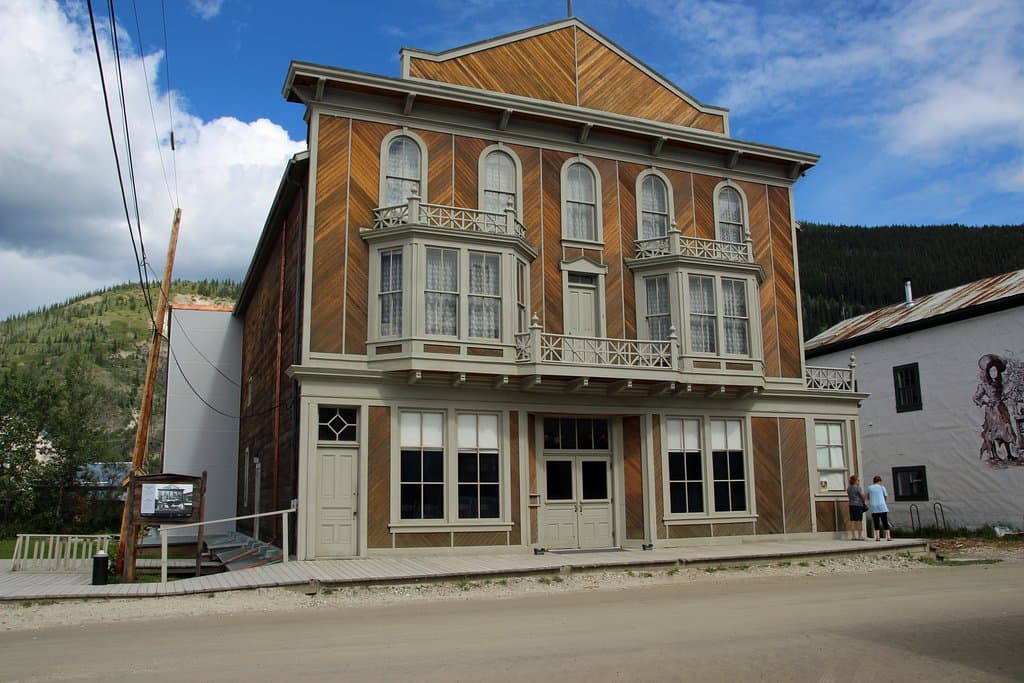
Marvel at the diverse architectural styles, from Victorian to Art Deco, showcasing the area's rich history.
Local Boutiques & Eateries
Main streets and side streets
Discover unique shops, artisan crafts, and delicious local flavors in charming, independent establishments.

Public Art & Murals
Various locations
Explore vibrant street art and historical murals that tell the story of the community.
Historic Landmarks
Key streets and squares
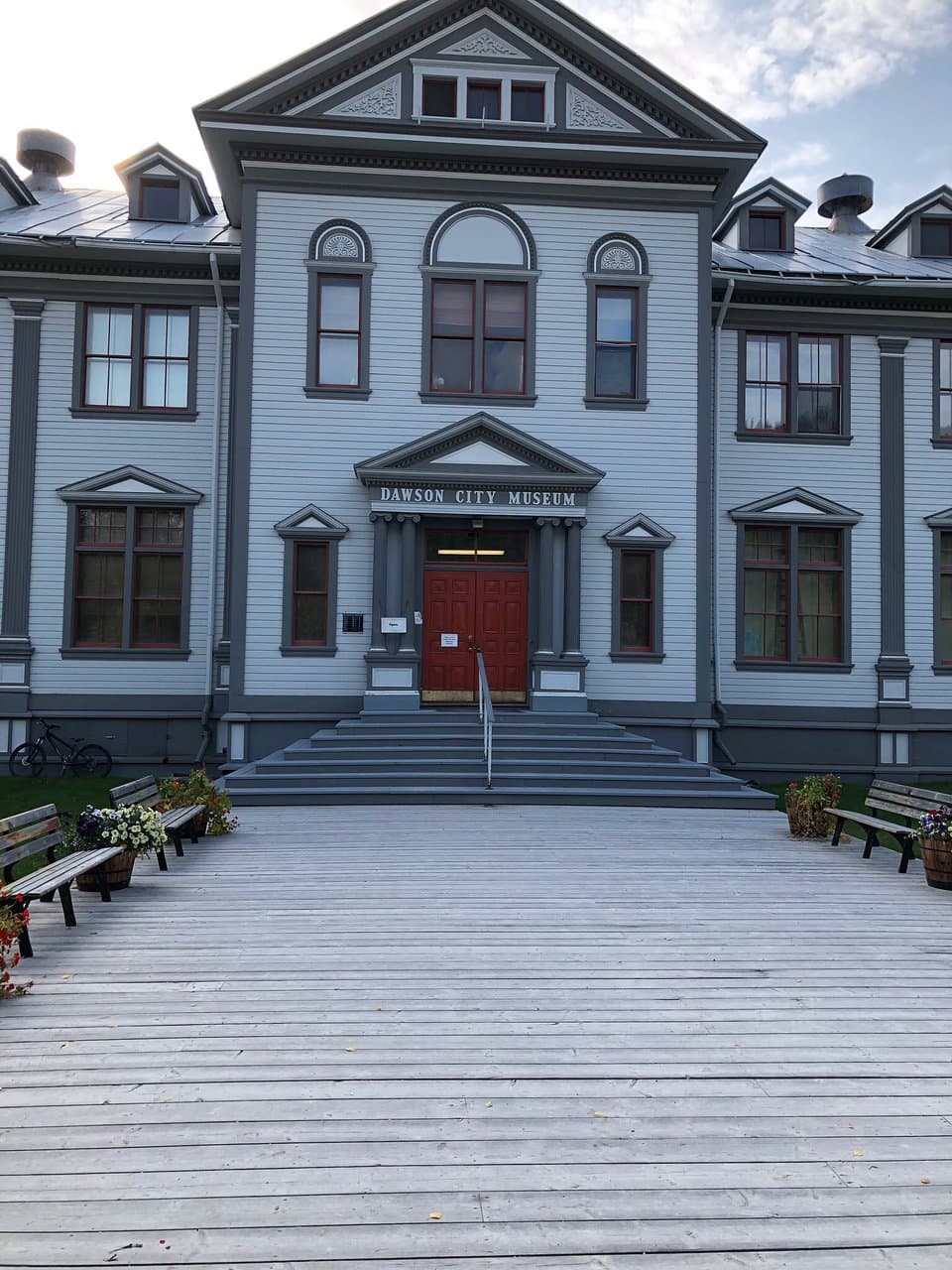
Visit significant buildings and monuments that represent the area's past and cultural heritage.
Plans like a pro.
Thinks like you
Planning Your Visit
Timing is Everything
Embrace the Walkability
Best Times
Insider Tips
from TikTok, Instagram & Reddit
👟 Wear Comfortable Shoes
You'll be doing a lot of walking to explore the charming streets and discover hidden gems! :athletic_shoe:
🗺️ Grab a Local Map
Many districts offer walking tour maps or mural guides to help you navigate and find key spots. :world_map:
📸 Capture the Details
Don't just focus on the big landmarks; the intricate details of the architecture are often the most captivating. :camerawithflash:
🛍️ Support Local Businesses
Shopping and dining at local establishments directly supports the community and its preservation efforts. :shopping_bags:
Tips
from all over the internet
👟 Wear Comfortable Shoes
You'll be doing a lot of walking to explore the charming streets and discover hidden gems! :athletic_shoe:
🗺️ Grab a Local Map
Many districts offer walking tour maps or mural guides to help you navigate and find key spots. :world_map:
📸 Capture the Details
Don't just focus on the big landmarks; the intricate details of the architecture are often the most captivating. :camerawithflash:
🛍️ Support Local Businesses
Shopping and dining at local establishments directly supports the community and its preservation efforts. :shopping_bags:
📅 Check Event Calendars
Look for special events, markets, or festivals happening in the district during your visit for an enhanced experience. :calendar:
What Travellers Say
Reviews Summary
Visitors often praise the rich history and architectural beauty of downtown historic districts, highlighting the charm of local shops and eateries. The vibrant street art and unique atmosphere are frequently mentioned as highlights. Some visitors note that parking can be challenging and that certain areas might require more extensive walking.
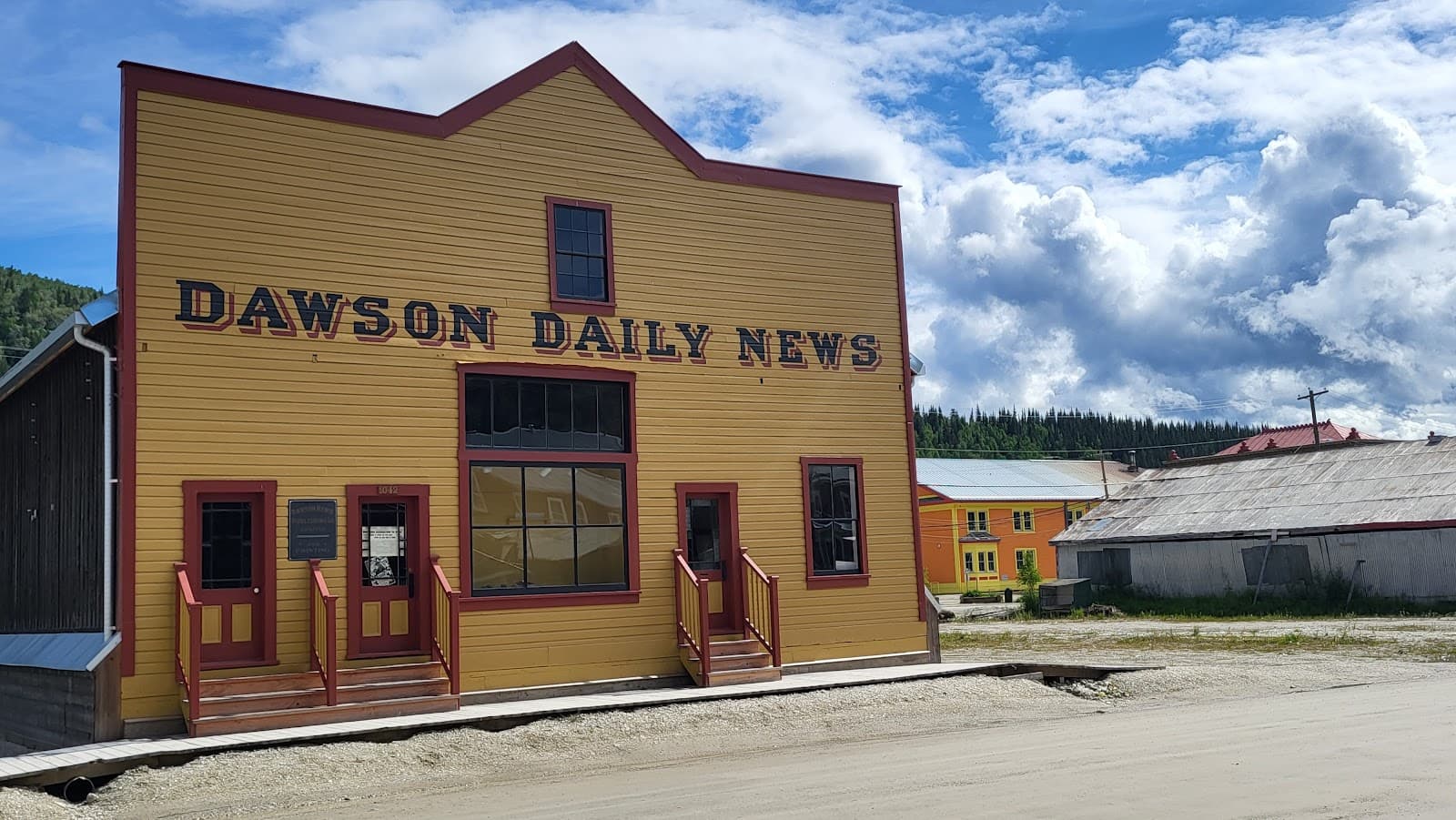
"The Dawson Daily News was a prominent newspaper based in Dawson City, Yukon Territory, Canada, serving as a key source of information during and after the Klondike Gold Rush period. Established amid the rapid population growth and demand for news in the region, it operated for over five decades.
The Dawson Daily News commenced publication on July 31, 1899. It followed earlier publications such as the Klondike Nugget (a semi-weekly founded in June 1898) and the Yukon Midnight Sun (a weekly started in June 1898). By 1909, it had become the sole surviving newspaper in Dawson City, adapting to the declining gold rush economy.
The publication faced challenges as mining activity waned and the territorial capital relocated to Whitehorse, leading to the loss of government printing contracts. It transitioned to a tri-weekly format in 1924 and a weekly schedule in 1946, eventually ceasing operations on March 25, 1954, with its final issue released as the Dawson Weekly News.
As a daily newspaper in its early years, the Dawson Daily News focused on local and regional news, including mining updates, economic conditions, and community affairs in the Yukon. It provided coverage of the Klondike Gold Rush's aftermath, political developments, and daily life, serving as a vital communication tool in a remote northern frontier.
By the mid-20th century, it had become largely a one-person operation, underscoring the economic pressures that led to its closure. Archival collections, such as those on Newspapers.com (covering 1900–1922) and OldNews.com (from 1904 onward), preserve thousands of pages, offering insights into Yukon's historical narrative.
The Dawson Daily News building, located at 123 3rd Avenue in Dawson City, is a rectangular, gable-roofed timber structure constructed in 1901 and recognized as a Federal Heritage Building in 1989. It features an asymmetrical Boomtown-fronted facade with the newspaper's name prominently painted in large letters, exemplifying Gold Rush-era warehouse architecture adapted for publishing purposes.
The newspaper relocated to this site in 1910, where it remained until closure. The building maintains its historical relationship to the surrounding streetscape, including boardwalks and adjacent structures, and serves as a landmark in Dawson's historic district. Today, it is preserved by Parks Canada and hosts events, preserving its environmental and architectural integrity."
Francis Hemmings
"An iconic building worth photographing, part of the Dawson Historical Complex."
Michael Gray
What People Like
What People Dislike
Frequently Asked Questions
🚇 🗺️ Getting There
Accessing the Downtown Historic District typically depends on its specific location. Many are easily reachable by public transportation, ride-sharing services, or by car. Parking can sometimes be a challenge, so checking for parking garages or street parking regulations in advance is recommended. Some districts are also well-connected by bike lanes.
Many larger downtown historic districts are served by local bus routes or light rail systems, making them accessible without a car. Check the local transit authority's website for routes and schedules that serve the area.
If districts are in close proximity, walking is often the most enjoyable and efficient method. For slightly longer distances, consider local trolley services, bike rentals, or short rideshare trips.
Yes, many historic districts offer guided walking tours led by local historians or knowledgeable guides. These tours can provide in-depth insights into the area's history and architecture. Booking in advance is often advised.
Parking availability varies greatly. Some districts have ample parking garages, while others rely on street parking which can be metered and limited. It's wise to research parking options beforehand to avoid frustration.
🎫 🎫 Tickets & Entry
Generally, there are no tickets required to enter and explore the public areas of a downtown historic district. Access to individual shops, museums, or attractions within the district may require admission fees.
Shop hours can vary, but most boutiques and shops in historic districts are open from mid-morning to late afternoon or early evening. Weekend hours might differ, and some may close on Mondays. It's best to check individual business hours online.
Many historic districts offer free attractions such as public art installations, parks, and the opportunity to simply wander and admire the architecture. Mural walks are also often a free activity.
Absolutely! Many historic homes and buildings are preserved as museums or heritage sites and are open to the public for tours. These often have specific admission fees and operating hours.
No, the historic district is a public area. You can freely walk around and enjoy the atmosphere. Fees would only apply if you choose to enter specific ticketed attractions within the district.
🎫 🧭 Onsite Experience
Must-sees often include the unique architecture, local boutiques, public art like murals, and any significant historical landmarks or museums. Exploring the main streets and side alleys will reveal the district's charm. 
You'll typically find a mix of independent boutiques, antique stores, art galleries, specialty food shops, and souvenir shops. These often reflect the local culture and history.
Historic districts are incredibly photogenic! Look for charming streetscapes, unique architectural details, vibrant murals, and picturesque squares. The 'golden hour' light can be particularly stunning.
Accessibility can vary. While many main streets are relatively flat, older sidewalks or cobblestone streets might pose challenges. It's advisable to check with local tourism offices or specific venues for detailed accessibility information.
Families can enjoy mural scavenger hunts, visiting kid-friendly shops, exploring parks, and sometimes even historical reenactments or special family events. Look for interactive exhibits in local museums.
🍽️ 🍽️ Food & Dining
Expect a diverse culinary scene, from cozy cafes and bakeries to upscale restaurants and local diners. Many establishments are housed in historic buildings, adding to the ambiance.
Absolutely! Historic districts are often great places to sample regional specialties and dishes that reflect the local heritage. Don't hesitate to ask for recommendations from locals.
Yes, alongside finer dining, you can usually find more affordable options like delis, casual cafes, food trucks (if available), or bakeries offering quick bites.
For popular restaurants, especially during peak hours or weekends, making a reservation is highly recommended to secure a table. Casual eateries may operate on a first-come, first-served basis.
Historic districts are usually dotted with charming coffee shops, bakeries, and small eateries perfect for a quick pick-me-up or a light snack while exploring.
📸 📸 Photography
Look for picturesque streetscapes, unique architectural details, colorful murals, and charming storefronts. Overlooks or elevated viewpoints can offer panoramic shots.
The 'golden hours' around sunrise and sunset offer beautiful, soft light that enhances the historic ambiance. Midday can be harsh, but good for capturing details.
Often, the main thoroughfares with well-preserved buildings, areas with public art like murals, and any prominent historical landmarks are prime photography locations.
Drone usage is often restricted in urban and historic areas due to privacy concerns and regulations. Always check local ordinances and obtain necessary permissions before flying a drone.
A versatile lens (like a 24-70mm) is great for capturing both wide street scenes and architectural details. A prime lens can be good for low-light shots. A smartphone with a good camera is also excellent for casual photography.
For Different Travelers
Tailored advice for your travel style
👨👩👧 Families with Kids
When planning, consider shorter exploration times and incorporate breaks. Comfortable shoes are a must for everyone, and bringing a stroller or carrier for younger children can be helpful, though some older sidewalks might be uneven. Check for family-oriented events or festivals that might be happening during your visit.
💰 Budget Travelers
For dining, seek out local delis, bakeries, or casual cafes for more affordable meals. Many shops offer unique souvenirs at various price points. Look for free events or festivals that might be taking place, as these often provide entertainment without an admission fee.
📸 Photography Enthusiasts
Golden hour (shortly after sunrise and before sunset) provides the most flattering light. Consider visiting during weekdays to avoid crowds and have more freedom to compose your shots. Don't forget to explore side streets for unique perspectives and hidden photographic gems.
+1Deep Dives
In-depth insights and expert knowledge
Exploring the Architecture
Pay attention to the materials used, such as brickwork, stone, and intricate woodwork, which often speak to the craftsmanship of the time. The layout of the streets themselves can also be historically significant, reflecting original town planning or the impact of major events like the Klondike Gold Rush. Taking the time to notice these details can transform a simple stroll into an educational journey through time.
For those interested in a deeper dive, consider joining a guided architectural tour. These tours often highlight lesser-known gems and provide context for the styles and historical significance of various buildings. Many historic districts also have online resources or visitor centers that offer architectural guides or maps.
The Art of the Mural Walk
To make the most of a mural walk, look for local guides or apps that map out the locations of these artworks. Some cities even have dedicated mural festivals or tours. The experience is often interactive, encouraging visitors to find specific murals and share their photos online. It's a fantastic way to engage with the community's creative spirit and discover unique perspectives on its history and culture.
When photographing murals, consider the lighting conditions and try to capture the entire artwork. Some murals are massive, so stepping back or finding an elevated vantage point can be beneficial. The contrast between the historic architecture and the modern art can create striking photographic opportunities.
Shopping and Local Flavors
When it comes to dining, historic districts are prime locations for sampling regional cuisine and local specialties. From cozy cafes serving freshly baked goods to restaurants offering farm-to-table dishes, there's something for every palate. Many eateries are housed in beautifully restored historic buildings, adding an extra layer of charm to your dining experience.
Don't hesitate to ask shop owners and restaurant staff for recommendations. They are often passionate about their community and can point you towards hidden gems or local favorites. Exploring these local businesses is not just about making purchases; it's about connecting with the people and culture of the place.


Social
from TikTok, Instagram & Reddit