SS Keno National Historic Site
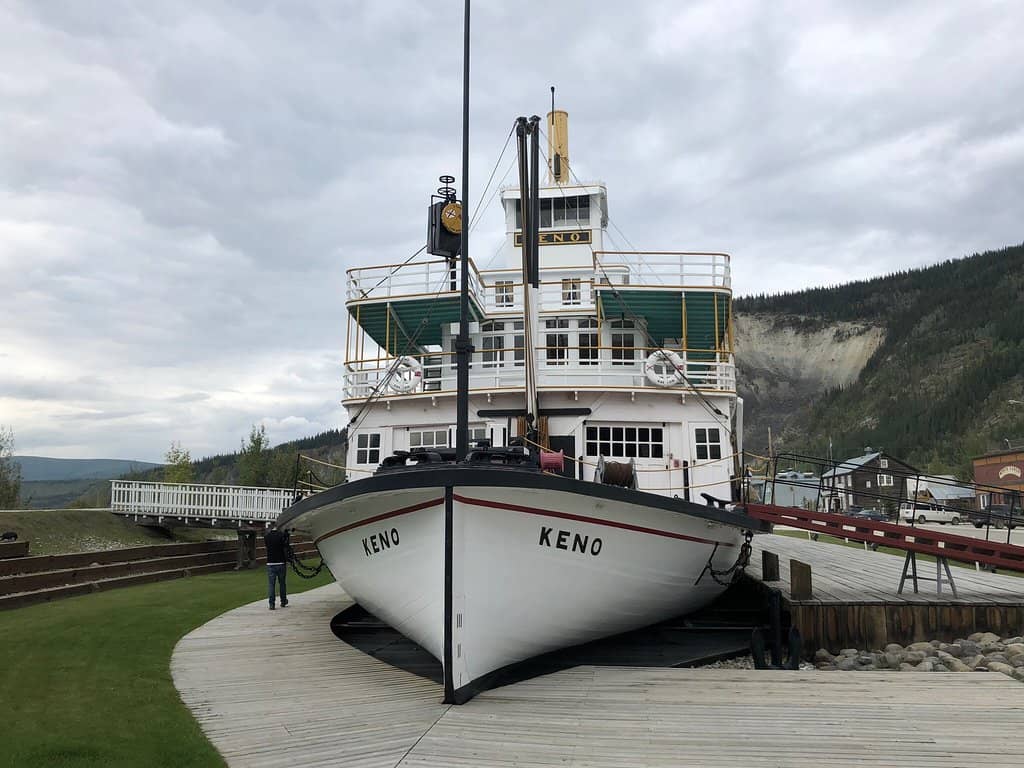
Step aboard the SS Keno, a 1922 sternwheeler that was a vital artery for Yukon's mining and transport, offering a glimpse into a bygone era of river t...

Highlights
Must-see attractions

Social
From TikTok & Reddit
Best Time
Pleasant weather for exploring
SS Keno National Historic Site
Best Time
Pleasant weather for exploring
Highlights
Must-see attractions
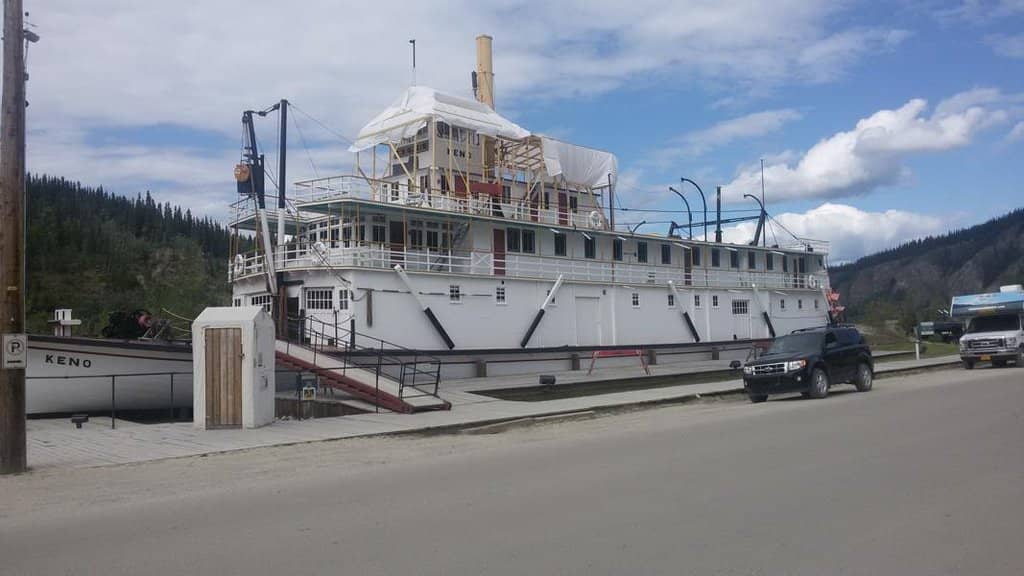
Step aboard the SS Keno, a 1922 sternwheeler that was a vital artery for Yukon's mining and transport, offering a glimpse into a bygone era of river travel.
"The guides are the icing on the cake; their enthusiasm and knowledge make this historic ship truly come alive."
🎯 Book a Guided Tour
Highly recommended! Guides are enthusiastic & knowledgeable, bringing the ship's history to life.
👟 Wear Comfortable Shoes
You'll be walking on decks, so comfortable footwear is a must for exploring the historic vessel.
Highlights
Discover the most iconic attractions and experiences
The Sternwheel Design
Rear of the vessel
Witness the unique sternwheel propulsion, designed for shallow Yukon rivers and protecting the wheel from debris.
Freight & Passenger Decks
Main and Saloon Decks
Explore the decks where cargo and passengers once traveled, imagining life on the Yukon River.
Historical Photo Displays
Throughout the vessel
See fascinating photo displays detailing the SS Keno's service and the broader history of Yukon riverboats.
Plans like a pro.
Thinks like you
Planning Your Visit
Seasonal Access & Tours
Understanding Its Role
Best Times
Insider Tips
from TikTok, Instagram & Reddit
🎯 Book a Guided Tour
Highly recommended! Guides are enthusiastic & knowledgeable, bringing the ship's history to life.
👟 Wear Comfortable Shoes
You'll be walking on decks, so comfortable footwear is a must for exploring the historic vessel.
📸 Capture the Sternwheel
Don't miss photographing the unique sternwheel design, a key feature of this riverboat.
⏳ Allow ample time
While it looks small, there's a lot of history and stories to absorb. Don't rush your visit.
Tips
from all over the internet
🎯 Book a Guided Tour
Highly recommended! Guides are enthusiastic & knowledgeable, bringing the ship's history to life.
👟 Wear Comfortable Shoes
You'll be walking on decks, so comfortable footwear is a must for exploring the historic vessel.
📸 Capture the Sternwheel
Don't miss photographing the unique sternwheel design, a key feature of this riverboat.
⏳ Allow ample time
While it looks small, there's a lot of history and stories to absorb. Don't rush your visit.
What Travellers Say
Reviews Summary
Visitors consistently praise the SS Keno for its historical significance and the exceptional quality of the guided tours. Many highlight the enthusiasm and knowledge of the Parks Canada interpreters, who make the experience truly memorable. While the boat itself is a fascinating relic, the human element of the tour is often cited as the highlight, bringing the stories of Yukon river travel to life.
"The SS Keno is a historic sternwheel paddle steamer. onstructed in 1922, it exemplifies the vital role of riverboats in the development of the Yukon Territory, transporting goods and passengers along the Yukon River and its tributaries during the early 20th century. Although built after the Klondike Gold Rush (1896–1899), the vessel continued the legacy of sternwheelers.
Construction and Design
The SS Keno was built in Whitehorse, Yukon, by the British Yukon Navigation Company, a subsidiary of the White Pass and Yukon Route railway company, specifically to service the silver mining district around Mayo Landing on the Stewart River, approximately 290 kilometers upstream from its confluence with the Yukon River. Designed for shallow water navigation on the narrow, winding, and often treacherous Stewart River, it featured a carvel-built wooden hull with a shallow draught of two to three feet, allowing it to maneuver around sandbars and tight curves.
Key specifications include:
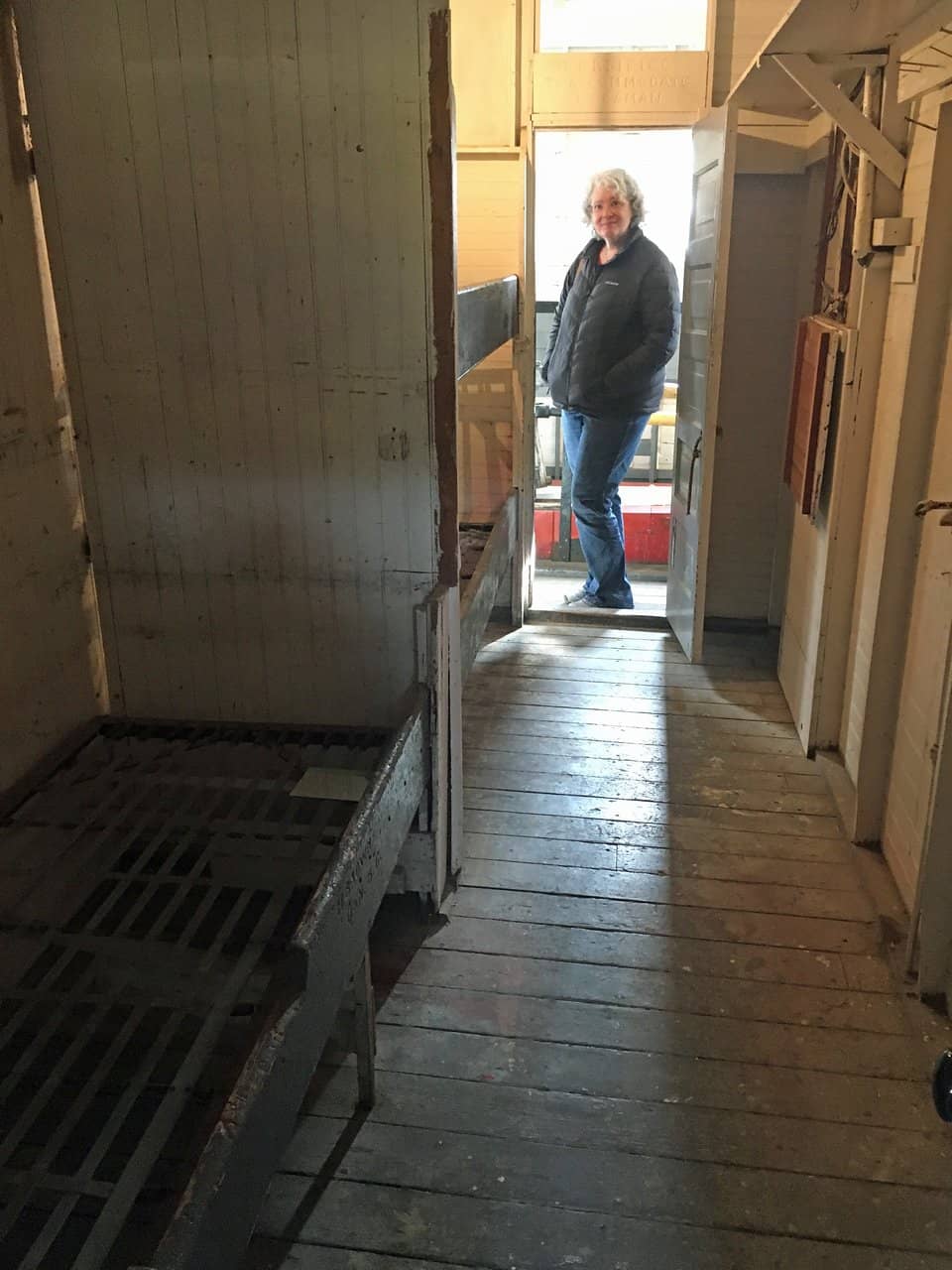
Decks: Three levels—the main deck for freight, the saloon deck for passengers, and the upper "Texas" deck with staterooms.
Propulsion: Powered by a wood-fired, locomotive-style boiler.
Capacity: Licensed for up to 78 passengers (with sleeping berths for 32–53), 120 short tons of cargo, and an additional 225 tons on a towed barge.
Service History: the SS Keno's maiden voyage commenced on 15 August 1922, transporting 120 tons of meat supplies upstream. For nearly three decades, its primary role involved hauling silver, zinc, and lead ore from the United Keno Hill Mine and other properties in the Mayo district down the Stewart River to Stewart City, where larger sternwheelers transferred the cargo to Whitehorse for rail shipment to smelters in the United States. Upriver trips to deliver supplies and food to mining camps took three days, while downstream ore runs lasted about 12 hours.
The vessel operated seasonally from late spring through fall, stockpiling ore during winter for spring transport. It frequently towed barges, such as the Tookeno loaded with oil barrels near Mayo around 1932. During World War II, in 1942, the Keno supported Alaska Highway construction by ferrying U.S. Army personnel and equipment.
Challenges included navigating hazards like submerged rocks and sandbars; notable incidents were a 1927 sinking after striking a rock (repaired) and a 1933 paddlewheel damage. By 1951, post-war improvements to the Klondike Highway and the Whitehorse-Mayo road shifted ore transport to trucks, leading to the Keno's retirement. It was laid up at the BYN Co. shipyard in Whitehorse, joining other decommissioned sternwheelers as the company ended paddle steamer operations in 1955.
Role in the Klondike Gold Rush and Broader Yukon History
While the SS Keno postdated the Klondike Gold Rush, it was integral to the Yukon's mining economy that stemmed from the rush. Sternwheelers like the Keno were the primary means of transport on the Yukon River system from the 1890s to the 1950s, moving gold dust, passengers, supplies, and later ore. Approximately 250 such vessels operated in the region, forming a lifeline until highways supplanted them. The Keno's service on the Stewart River supported silver mining at Keno Hill, a key post-rush industry, and it represents the technological adaptation of steam-powered navigation to northern rivers. Its operations were confined to the upper Yukon and Stewart Rivers, within Tr’ondëk Hwëch’in traditional territory.
Visitor Information and Tours
The SS Keno, located on Dawson City's waterfront beside Front Street, is open seasonally from May to September as part of the Klondike National Historic Sites. Guided tours, led by Parks Canada interpreters."
Francis Hemmings
"Great tour today from Nicholas. What an enthusiastic, energetic and knowledgeable guide. His voice projection was fantastic and I could hear him no matter where I was standing. He was articulate. He answered every question and clearly knew his stuff we gave him some questions that made him think and he gave us credible answers. Highly recommend the tour. It’s a small ship and you don’t think it’s much looking at from the outside but there is a lot of well documented and presented history and stories and the guide is the icing on the cake."
Michele Bullock
"This boat is 100 years old and the tour was just great. The paddles located in the rear to protect them from debris in the water. It sits only 18 inches in the water. Good part of history saved for other people or younger generations to see."
Peter Mattras
What People Like
What People Dislike
Frequently Asked Questions
🚇 🗺️ Getting There
The SS Keno is conveniently located on Dawson City's waterfront, right beside Front Street. It's easily accessible on foot once you are in the historic townsite. Parking is available nearby, but walking is the best way to experience Dawson City.
Yes, you can drive to Dawson City and find parking near the waterfront. The SS Keno itself is docked right on the riverbank, making it easily reachable from parking areas.
Dawson City is typically reached by car via the Klondike Highway. The nearest major airport is in Whitehorse (YXY), from where you can rent a car or take a bus service to Dawson City.
🎫 🎫 Tickets & Entry
Admission to the SS Keno is typically included with a Klondike National Historic Sites pass. Check the Parks Canada website for current pricing and pass options. Guided tours may have a separate fee or be included with the pass.
While not always mandatory, booking guided tours in advance is highly recommended, especially during peak season, to ensure availability. You can usually do this through the Parks Canada visitor centre in Dawson City.
The SS Keno is open seasonally, generally from May to September. Specific operating hours can vary, so it's best to check the Parks Canada website for the most up-to-date information for the current year.
While self-exploration might be limited, guided tours are the primary way to experience the SS Keno. These tours offer in-depth historical context and access to different parts of the vessel.
🎫 🧭 Onsite Experience
You can explore the decks, learn about its history as a vital Yukon riverboat, view historical photo displays, and understand its role in transporting goods and passengers. Guided tours offer the most comprehensive experience.
Yes, Parks Canada offers guided tours led by knowledgeable interpreters. These tours are highly praised for their enthusiasm and historical insights, making the visit much more engaging.
A visit, especially with a guided tour, can take around 45 minutes to an hour. However, you might want to allow a bit more time to soak in the atmosphere and explore the surrounding waterfront.
Due to its historic nature and docked position, accessibility can be challenging. There are stairs and uneven surfaces. It's advisable to contact Parks Canada directly for specific accessibility information.
The SS Keno is a prime example of the sternwheel paddle steamers that were crucial for Yukon's development, particularly for mining. It operated on the shallow Stewart River, showcasing engineering adapted to challenging northern waterways.
📸 📸 Photography
Capture the iconic sternwheel, the historic decks, and the vessel against the backdrop of the Yukon River. The surrounding waterfront also offers great shots of Dawson City. Golden hour light can be particularly beautiful.
Yes, photography is generally permitted inside the SS Keno, allowing you to capture the interior details and historical displays. Be mindful of any specific signage or guide instructions.
Early morning or late afternoon often provide the best light for photography, with softer shadows and a warmer glow. This is also when crowds might be thinner.
For Different Travelers
Tailored advice for your travel style
👨👩👧 Families with Kids
🏛️ History Buffs
Deep Dives
In-depth insights and expert knowledge
The Engineering Marvel of Sternwheelers
Powered by a wood-fired, locomotive-style boiler, the SS Keno was built to be self-sufficient in remote areas where fuel was more readily available than coal. Its three-level design—the main deck for freight, the saloon deck for passengers, and the upper 'Texas' deck for staterooms—showcases the practicalities of riverboat travel in the early 20th century. This efficient design allowed it to carry significant cargo, up to 120 short tons, and accommodate passengers, making it a vital lifeline for mining communities.
Visitors can still appreciate this historical engineering by observing the vessel's construction and imagining the skill required to operate it. The shallow draught and sternwheel are key features that highlight the adaptation of technology to the unique demands of the Yukon River system. The vessel's ability to tow barges further emphasizes its importance in maximizing transport capacity on these vital waterways.
A Lifeline for Yukon's Mining Economy
Upriver journeys were essential for delivering supplies and food to remote mining camps, a trip that could take up to three days. Downstream ore runs, on the other hand, were much faster, often completed in about 12 hours. The SS Keno operated seasonally, stockpiling ore during winter for transport in the spring, a rhythm dictated by the river's freeze-up and break-up. Its service was so vital that during World War II, it even supported the Alaska Highway construction by ferrying U.S. Army personnel and equipment.
The vessel's retirement in 1951 marked the end of an era, as improved highways began to supplant river transport. The SS Keno stands as a powerful reminder of the sternwheelers' legacy as the primary means of transport on the Yukon River system for decades, connecting remote communities and enabling the development of the territory's rich mineral resources. Its presence on Dawson City's waterfront is a tangible link to this important chapter of Yukon history.
Social
from TikTok, Instagram & Reddit