
Muqui Historic Center
Step back in time in Muqui's historic center, a beautifully preserved colonial gem with a rich railway past and vibrant cultural heritage.
Highlights
Must-see attractions

Social
From TikTok & Reddit
Best Time
Charming year-round
Muqui Historic Center
Best Time
Charming year-round
Highlights
Must-see attractions
Step back in time in Muqui's historic center, a beautifully preserved colonial gem with a rich railway past and vibrant cultural heritage.
"Muqui is a beautiful city full of history, a part of the old Leopoldina coastal line."

🚶♀️ Wander and Explore
Take your time to stroll through the streets and admire the well-preserved colonial architecture.
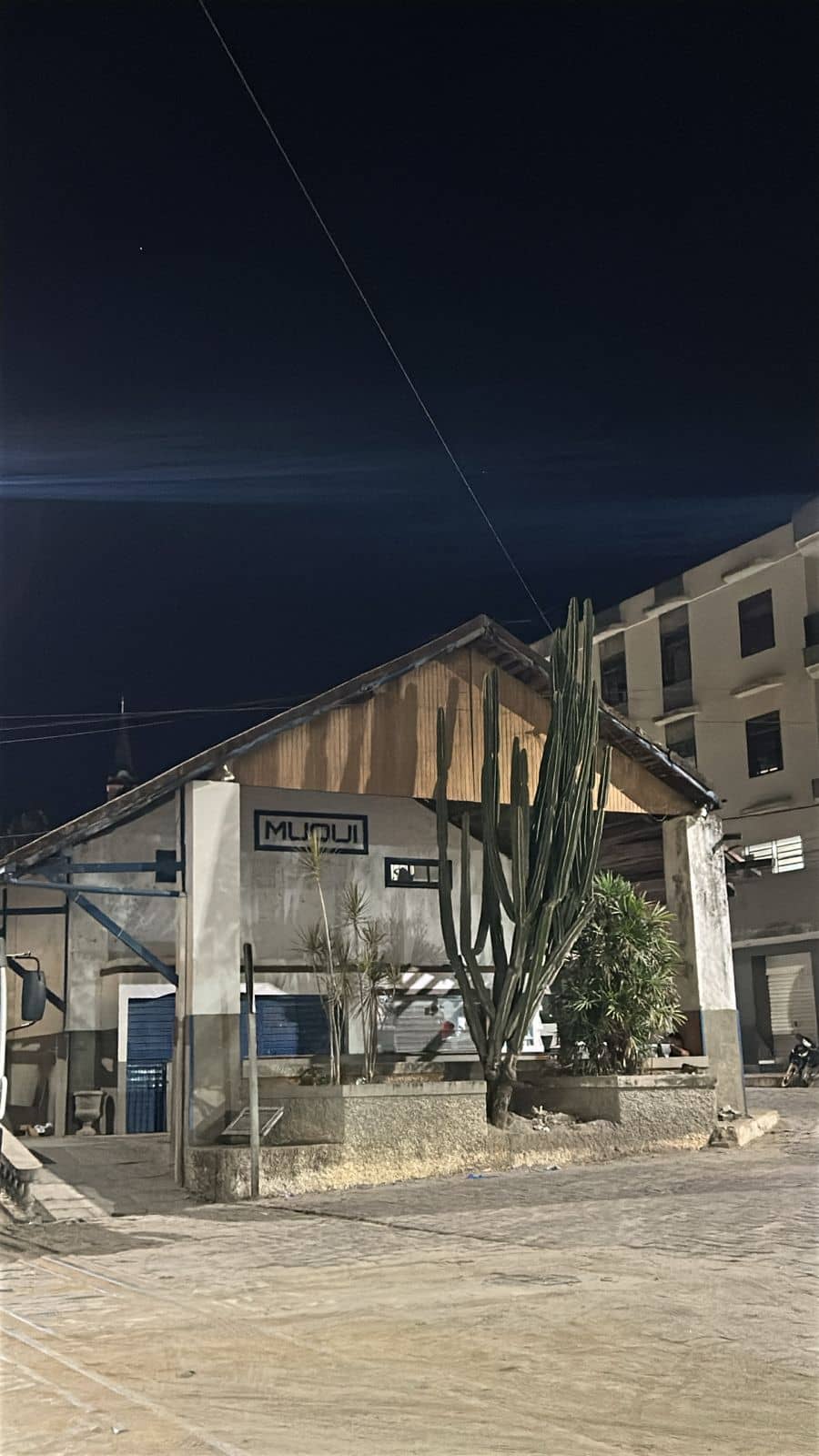
🚂 Visit the Station
Don't miss the historic railway station, now a cultural center, for a glimpse into the past.
Highlights
Discover the most iconic attractions and experiences
Muqui Railway Station
Central Muqui
A beautifully preserved 1902 station, now a vibrant cultural center. Step back in time and feel the nostalgia of the railway era.
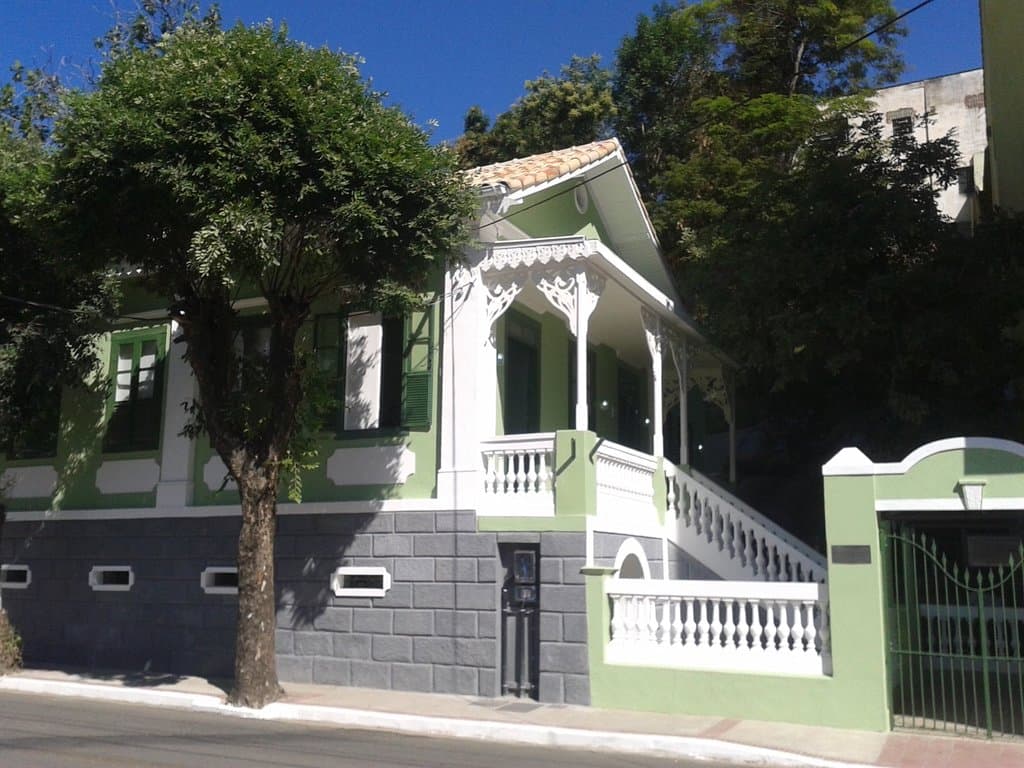
Historic Colonial Architecture
Throughout the historic center
Wander through streets lined with over 200 immaculately kept colonial buildings, showcasing a rich architectural heritage.

Cultural Fusion
Various points of interest
Experience the unique blend of Italian, San Marinese, and African influences that shaped Muqui's vibrant culture.
Plans like a pro.
Thinks like you
Planning Your Visit
Preserve the Past, Enjoy the Present
A Journey Through Time
Best Times
Insider Tips
from TikTok, Instagram & Reddit
🚶♀️ Wander and Explore
Take your time to stroll through the streets and admire the well-preserved colonial architecture.
🚂 Visit the Station
Don't miss the historic railway station, now a cultural center, for a glimpse into the past.
📸 Capture the Charm
Muqui is incredibly photogenic; bring your camera to capture its unique beauty.
Tips
from all over the internet
🚶♀️ Wander and Explore
Take your time to stroll through the streets and admire the well-preserved colonial architecture.
🚂 Visit the Station
Don't miss the historic railway station, now a cultural center, for a glimpse into the past.
📸 Capture the Charm
Muqui is incredibly photogenic; bring your camera to capture its unique beauty.
What Travellers Say
Reviews Summary
Visitors consistently praise Muqui Historic Center for its exceptional state of preservation and rich historical narrative. The former railway station, now a cultural hub, is a particular highlight, offering a nostalgic glimpse into the past. The town's unique cultural blend and charming colonial architecture make it a worthwhile destination for history buffs and casual explorers alike.
"visitada em 2015,Linha do litoral,se encontra em otimo estado de conservaçao abrigando um centro cultural e algum escritorio da prefeitura,a linha da leopoldina como na maioria das vezes corta as cidades no meio e aqui nao foi diferente,o trem disputa espaço com os veiculos,este ramal quando estive aqui ja nao estava sendo usado e pelo que sei ,esta parado mesmo desde entao.Muqui é uma colônia de descendentes de italianos, contando com mais de 1.100 sobrenomes italianos, ainda concentra um dos maiores números de descendentes da República de San Marino. Além dos imigrantes europeus, os negros africanos, vindos com os barões do café, fazem uma bela mistura de etnias.Muqui também possui o maior sítio histórico do Espírito Santo, com mais de 200 construções tombadas.
Dentre as construções, se encontra a Estação Ferroviária de Muqui, inaugurada em 1902 e sendo cortada pela Linha do Litoral da antiga Estrada de Ferro Leopoldina, estando concedida à Ferrovia Centro Atlântica. Em 2024 continuava bem conservada"
DECIO MARQUES FERROVIAS E TRILHAS
"Imponente prédio histórico localizado no coração da cidade de Muqui. Atualmente é utilizado para diversos fins, dentre eles a rodoviária da cidade. É de fácil acesso e não tem estacionamento."
Sig. Martelletti
"A Estação Ferroviária de Muqui, transformada em Centro Cultural, é um marco histórico que resgata a importância da ferrovia para o desenvolvimento da região. Sua arquitetura preservada remete ao início do século XX, encantando visitantes com um ambiente nostálgico e autêntico.
Além de seu valor histórico, o espaço abriga eventos culturais e exposições, tornando-se um ponto de encontro para a comunidade e turistas. Com isso, a antiga estação ganha nova vida, promovendo a valorização do patrimônio e fortalecendo a identidade cultural de Muqui."
luciana f b
What People Like
What People Dislike
Frequently Asked Questions
🚇 🗺️ Getting There
Muqui is accessible by road. The nearest major airport is in Vitória (VIX), from where you can rent a car or take a bus to Muqui. The journey can take several hours, so plan accordingly.
Parking can be limited in the immediate vicinity of the historic buildings, especially near the former railway station which now serves as a bus terminal. It's best to find a designated parking spot and explore on foot.
🎫 🎫 Tickets & Entry
Entry to the historic center and most of its exteriors is free. The former railway station, now a cultural center, may have specific event ticketing, but general access is usually open.
The historic center is an open area and can be visited at any time. The cultural center housed in the old railway station will have its own operating hours, typically during the day.
🎫 🧭 Onsite Experience
Explore the well-preserved colonial architecture, visit the historic railway station turned cultural center, and learn about the town's unique Italian and African heritage.
Absolutely! Muqui is renowned for its picturesque colonial buildings and the charming atmosphere of its historic streets, making it a photographer's delight.
Muqui is significant for its well-preserved colonial architecture, being a former important stop on the Leopoldina Railway, and its rich cultural heritage stemming from Italian immigrants and African descendants.
🍽️ 🍽️ Food & Dining
While the historic center itself is primarily about architecture and history, you'll find local restaurants and cafes nearby offering regional cuisine.
For Different Travelers
Tailored advice for your travel style
👨👩👧 Families with Kids
Encourage kids to spot interesting architectural details or imagine the trains that once arrived. The relatively compact nature of the historic center makes it manageable for little legs, and the lack of heavy traffic in most areas adds to the safety. Pack some snacks and water, and let them lead the way in discovering the charm of Muqui.
📸 Photography Enthusiasts
Explore the streets at different times of the day to capture varying light conditions. Look for interesting textures, patterns, and the interplay of light and shadow on the buildings. The town's relatively low visitor numbers mean you can often capture shots without crowds, allowing for a more intimate photographic experience.
Deep Dives
In-depth insights and expert knowledge
The Legacy of the Leopoldina Railway
Today, the former station stands as a proud cultural center, a testament to Muqui's past and a vibrant space for community events and exhibitions. Visitors can still admire its architecture, which evokes the early 20th century, and imagine the trains that once passed through. This transformation ensures that the station's historical importance is not forgotten, offering a tangible connection to the town's railway heritage.
Exploring the area around the station, you can still see how the railway line once cut through the town, a reminder of its past importance. The preservation of this site is a key element in understanding Muqui's historical narrative and its connection to the broader development of Espírito Santo.
A Tapestry of Cultures
Beyond its Italian roots, Muqui's history is also deeply intertwined with the legacy of the coffee barons and the African diaspora. Enslaved Africans brought to the region during the coffee boom contributed significantly to the town's cultural landscape, creating a unique blend of ethnicities and traditions. This historical mix has resulted in a vibrant and multifaceted cultural identity that is celebrated throughout the historic center.
The historic center itself, with its over 200 preserved buildings, stands as a physical manifestation of this cultural fusion. Each structure tells a story of the different peoples who have called Muqui home, from the European immigrants seeking new opportunities to the African communities who shaped its social fabric.


Social
from TikTok, Instagram & Reddit