12 Best Ottoman Architecture in Istanbul
Discover Istanbul's rich Ottoman architectural heritage with this curated list of must-see landmarks. From grand imperial mosques like Süleymaniye and the Blue Mosque to opulent palaces like Dolmabahçe and Topkapi, explore the stunning artistry and historical significance of Ottoman design. Wander through historic neighborhoods like Balat, marvel at ancient cisterns, and immerse yourself in the grandeur of a bygone era.

See what's trending
We've done exactly what you would have done—spent hours scrolling through TikTok, Instagram, and Reddit to find the absolute best experiences. These 26 recommendations come from real travelers sharing their unfiltered takes, hidden gems, and insider secrets. No travel agency fluff, just the wisdom of people who've actually been there. This is how everyone really plans their trips these days.


Step into the opulent world of the late Ottoman Empire at Dolmabahçe Palace. This stunning waterfront residence blends Western architectural styles like Baroque and Rococo with traditional Ottoman elements, showcasing immense wealth and modernization efforts.
Tip: Allow ample time to explore the palace's numerous rooms and halls; guided tours are highly recommended to fully appreciate its history.

A true masterpiece by the legendary architect Mimar Sinan, Süleymaniye Mosque is a breathtaking example of classical Ottoman architecture. It offers panoramic views of Istanbul and the Golden Horn, making it a serene and visually stunning visit.
Tip: Visit the surrounding gardens for incredible views of the Golden Horn and Galata Tower.

Once a Byzantine cathedral, then an Ottoman mosque, and now a museum, Hagia Sophia is an architectural marvel that bridges centuries of history. Its immense dome and intricate mosaics tell a story of empires and faiths.
Tip: Be prepared for crowds; visiting early or late in the day can offer a slightly less congested experience.

Famous for its six minarets and stunning interior adorned with tens of thousands of blue Iznik tiles, the Blue Mosque is a quintessential example of classical Ottoman mosque architecture.
Tip: Dress modestly: cover shoulders and knees, and women should bring a headscarf. Remove shoes before entering.

The primary residence of the Ottoman sultans for centuries, Topkapi Palace is a sprawling complex of courtyards, pavilions, and treasuries that offers a glimpse into the imperial lifestyle and the empire's vast history.
Tip: Consider purchasing a museum pass for access to all sections, including the Harem.
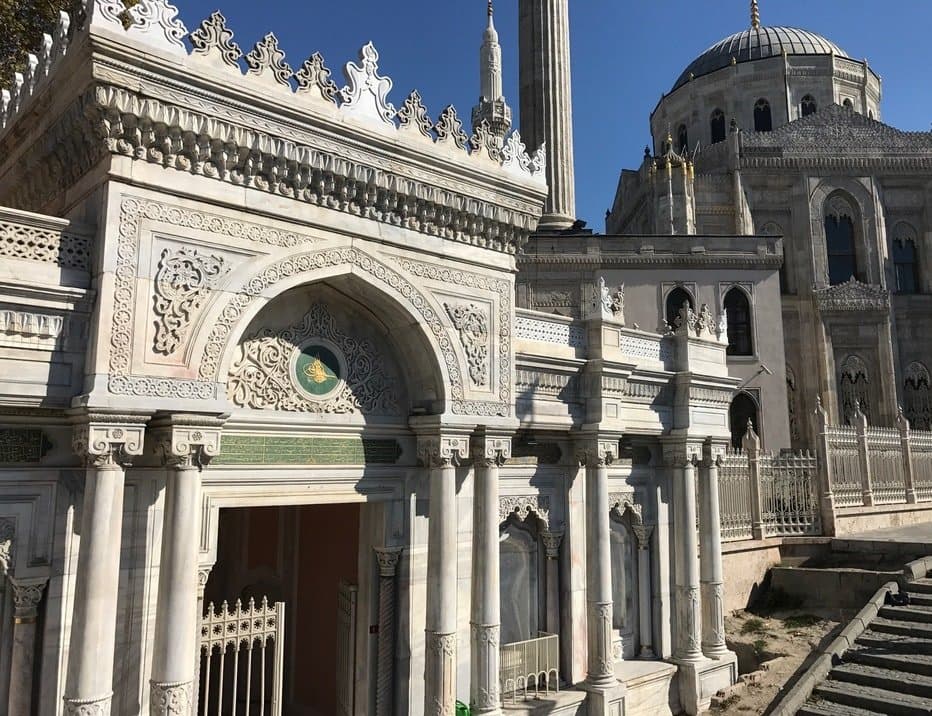
A beautiful and often overlooked mosque in the Aksaray district, this Ottoman structure showcases a blend of traditional and early Baroque influences, offering a more tranquil architectural experience.
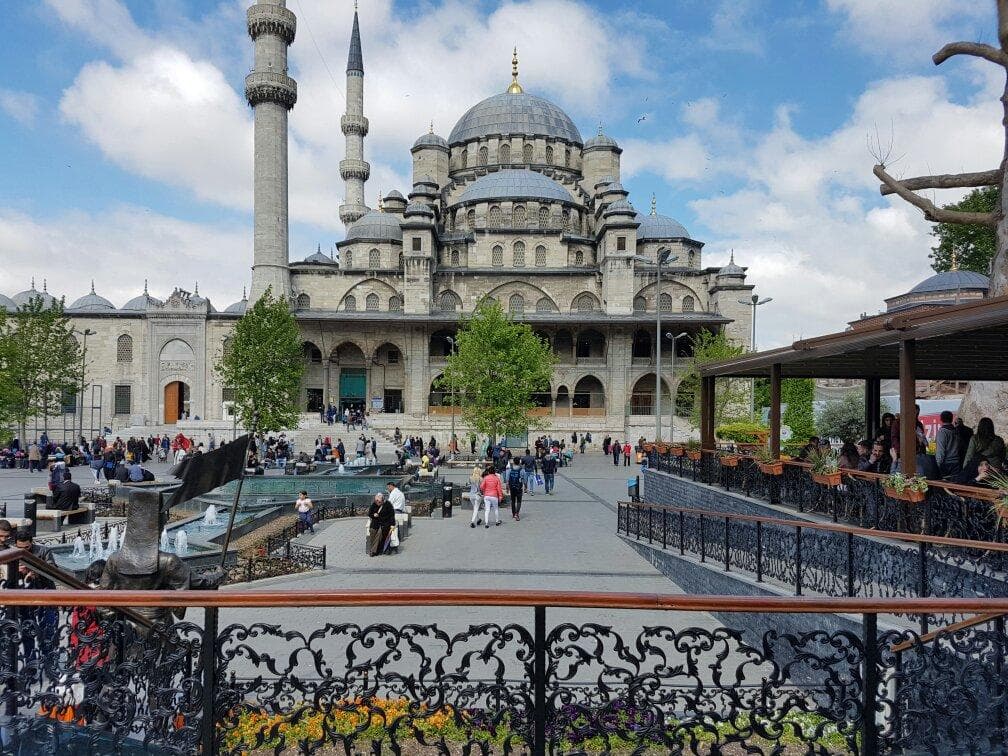
Located in Üsküdar on the Asian side, this mosque from the early 1700s combines classic Ottoman design with early Baroque touches, serving as a significant landmark in the historic district.
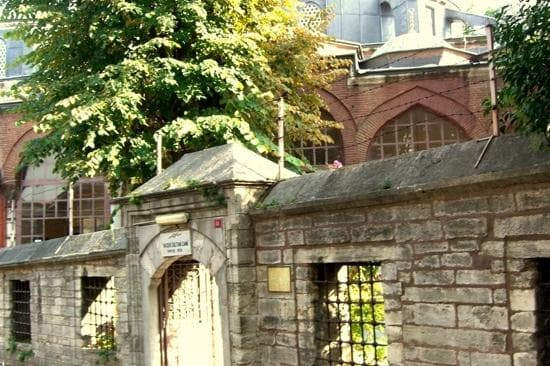
Designed by Mimar Sinan for Hürrem Sultan (Roxelana), this mosque from the 1530s is a prime example of early Ottoman architecture, celebrated for its simple elegance and harmonious design.
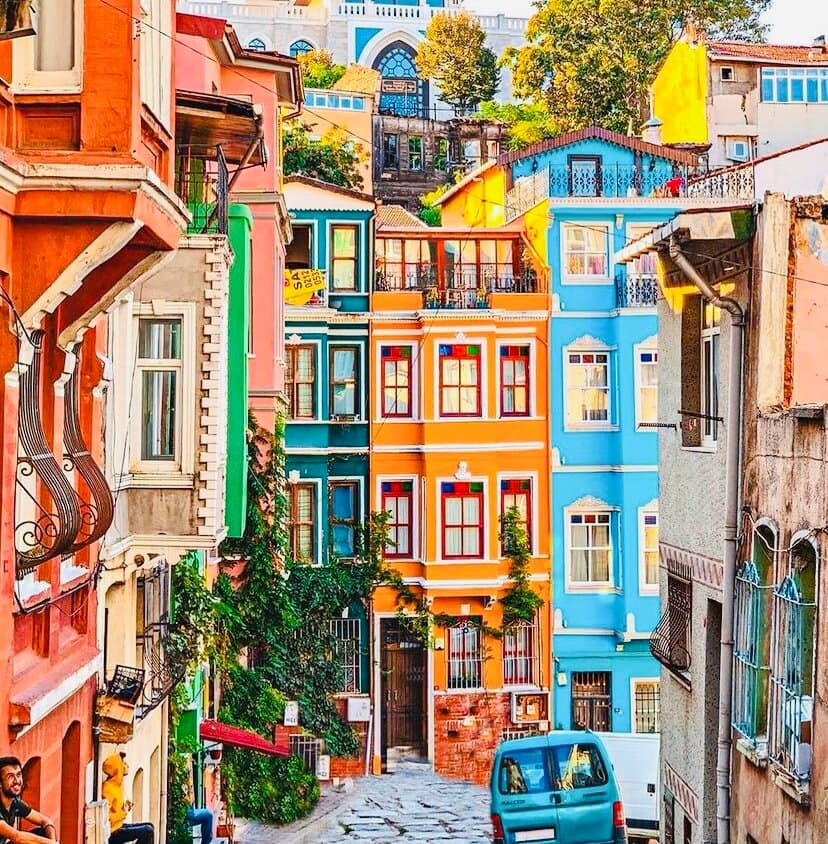
Wander through the charming, steep streets of Balat, one of Istanbul's oldest neighborhoods, lined with colorful, historic Ottoman-era houses that are a photographer's dream.
Tip: Wear comfortable shoes as the streets are steep and often cobblestoned.

Descend into the atmospheric underground world of the Basilica Cistern, an ancient water reservoir with hundreds of marble columns, creating a mysterious and awe-inspiring subterranean space.
Tip: The lighting can be dim, so be mindful of your footing.
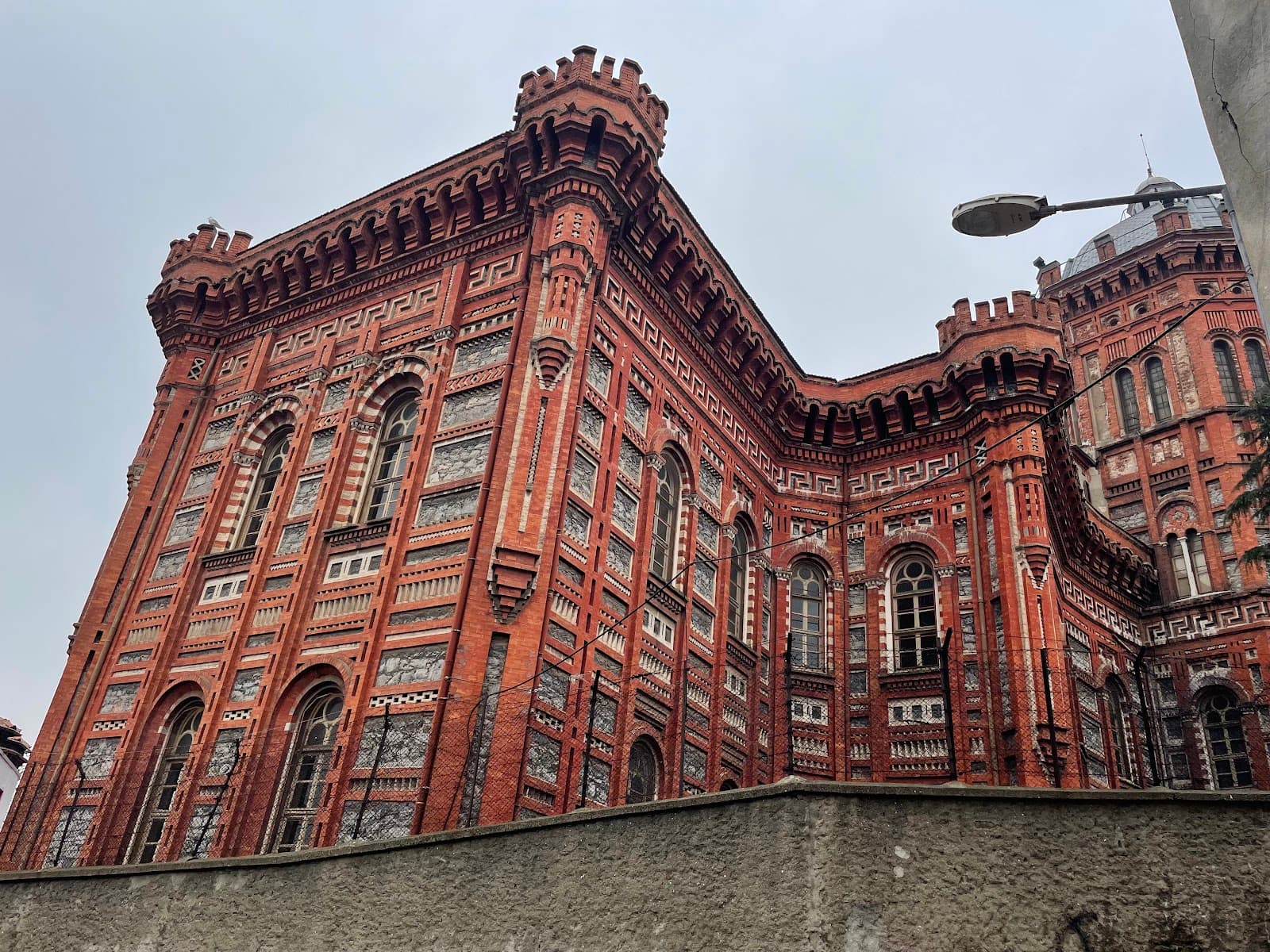
A striking red-brick building nestled within the historic Balat neighborhood, this college is a notable example of late Ottoman-era architecture and a significant cultural landmark.

One of the larger imperial mosques in Istanbul, the Fatih Mosque complex is a significant Ottoman religious and social center, offering a less crowded alternative to some of the more famous sites.