Hebrew University Garden Jerusalem
A free botanical gem on Mount Scopus, showcasing Israel's flora and ancient history with breathtaking Jerusalem views.
Highlights
Must-see attractions

Social
From TikTok & Reddit
Best Time
Peak bloom, fewer crowds
Hebrew University Garden Jerusalem
Best Time
Peak bloom, fewer crowds
Highlights
Must-see attractions
A free botanical gem on Mount Scopus, showcasing Israel's flora and ancient history with breathtaking Jerusalem views.
"A delightful gem with stunning views and a rich collection of Israeli flora, offering a peaceful escape."
Bring a Plant Guide
Plant descriptions are minimal; a brochure or app helps identify species .
Wear Comfortable Shoes
Explore the sprawling grounds with ease. The garden covers 6 acres!
Highlights
Discover the most iconic attractions and experiences
Nicanor Burial Caves
Within the garden
Explore ancient Second Temple period burial caves, including the tomb of Nicanor of Alexandria.

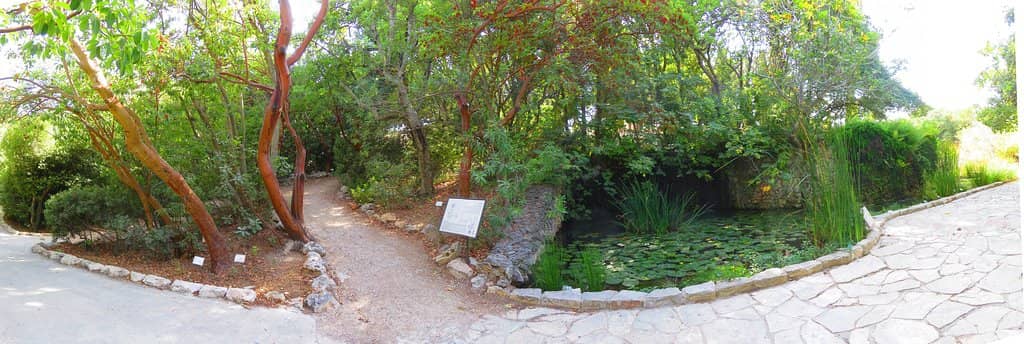
Diverse Israeli Flora
Throughout the garden
Wander through over 950 plant species, showcasing 40% of Israel's wild plant diversity.
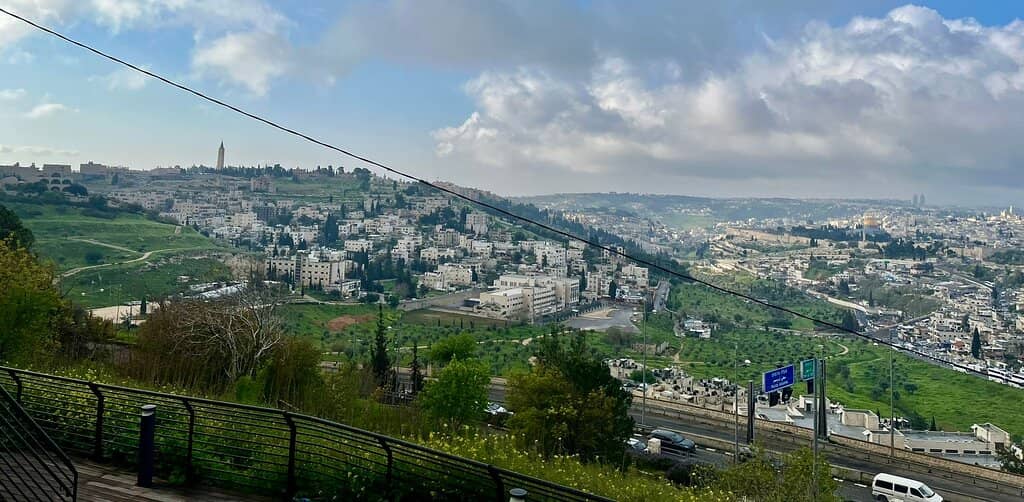
Panoramic City Views
Garden overlooks
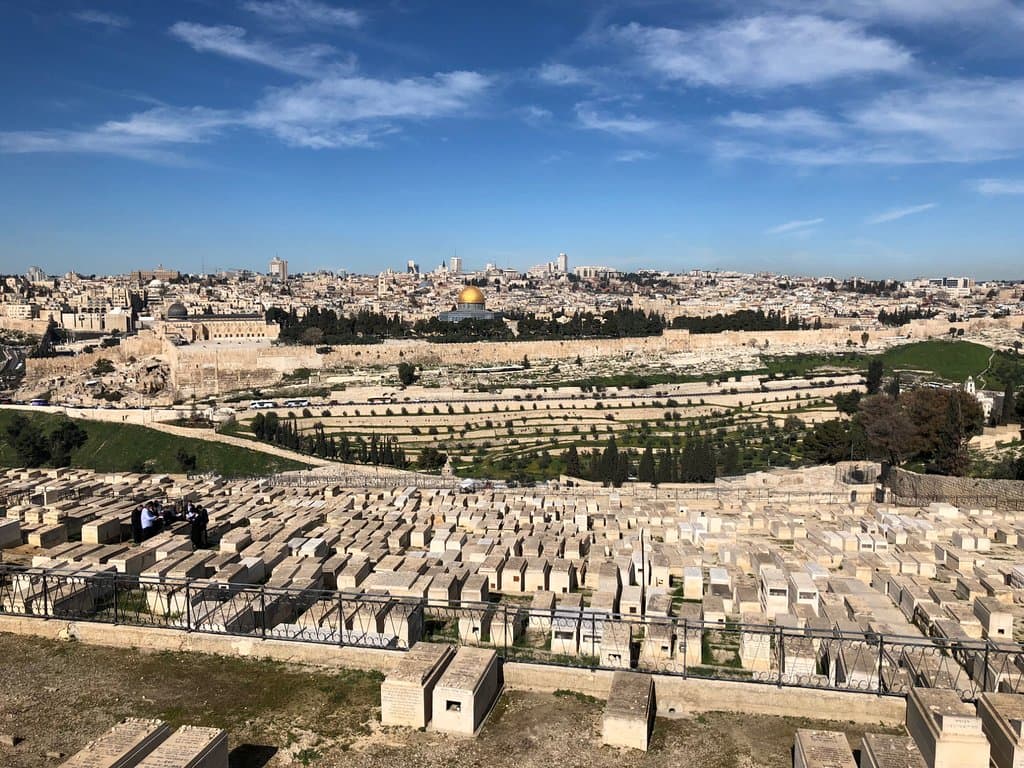
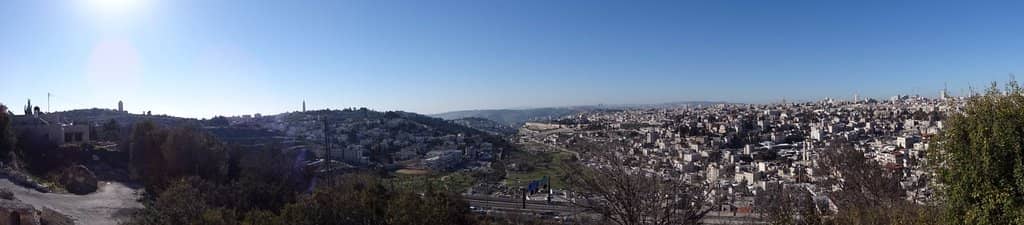
Enjoy absolutely stunning, sweeping views of Jerusalem from this elevated vantage point.
Plans like a pro.
Thinks like you
Planning Your Visit
Embrace the Flora & History
Free Entry, Stunning Views
Best Times
Insider Tips
from TikTok, Instagram & Reddit
Bring a Plant Guide
Plant descriptions are minimal; a brochure or app helps identify species.
Wear Comfortable Shoes
Explore the sprawling grounds with ease. The garden covers 6 acres!
Check for Seasonal Blooms
Some plants are seasonal; expect signs for plants that aren't currently visible.
Enjoy the Serenity
It's a peaceful spot, perfect for quiet reflection or study away from the city bustle.
Tips
from all over the internet
Bring a Plant Guide
Plant descriptions are minimal; a brochure or app helps identify species.
Wear Comfortable Shoes
Explore the sprawling grounds with ease. The garden covers 6 acres!
Check for Seasonal Blooms
Some plants are seasonal; expect signs for plants that aren't currently visible.
Enjoy the Serenity
It's a peaceful spot, perfect for quiet reflection or study away from the city bustle.
What Travellers Say
Reviews Summary
Visitors praise the Hebrew University Garden for its free admission, stunning Jerusalem views, and rich collection of Israeli flora. The historical significance of the Nicanor burial caves is also a highlight. Some note that plant descriptions are minimal, and the garden has undeveloped potential, but overall it's considered a peaceful and beautiful gem.
"Some plants are seasonal so you can find a sign with nothing near it, but the place is good for studying the flora of the area. Take the brochure with you or a mobile to check anything about a plant that you are interested in.. there is no description on the signs. By the way, the brochure doesnt have everything in it.."
joseph saadeh
"The Hebrew University Botanical garden at Har Hatzofim is really a delightful gem. It's free and the view is beautiful, absolutely stunning. It still has a lot of potential that hasn't been developed, that's why I took off one 🌟"
T M
"Less known as his much bigger and more known counterpart in Givat Ram, this Botanical Garden is definitely a place to visit if you happen to be at Mount Scopus campus.
The Garden covers over 25 dunams (6 acres) and houses more than 950 plant species, representing over 40% of the wild plant species of Israel. Within the confines of the Botanical Garden are ancient burial caves from the Second Temple period. Buried in these caves is Nicanor of Alexandria, who brought the copper doors of the Temple. Since then, Zionist leaders Dr. Yehuda Leib Pinsker and Menachem Ussishkin have also been buried in the Nicanor caves.
It's very green and lovely, and it's free."
Reut Golinsky
What People Like
What People Dislike
Frequently Asked Questions
🚇 🗺️ Getting There
The garden is located on the Mount Scopus campus of the Hebrew University. You can reach it by public bus or taxi. Parking might be limited, so public transport is often recommended.
Yes, several bus lines serve the Mount Scopus campus. Check local bus schedules for routes and times that best suit your travel plans.
From Jerusalem's city center, you can take a bus directly to the Mount Scopus campus. Taxis are also readily available.
Parking is available on the Mount Scopus campus, but it can be limited, especially during peak academic times. Arriving early or using public transport is advisable.
The garden is situated on Mount Scopus, which is an uphill climb. While possible, it's a significant walk from many central areas. Public transport is generally more convenient.
🎫 🎫 Tickets & Entry
No, the Hebrew University Botanical Garden offers free admission, making it an accessible and delightful attraction for all visitors.
Opening hours can vary, and it's best to check the official Hebrew University website or contact them directly for the most up-to-date information on garden access.
Since entry is free, no advance booking is required. You can visit the garden at your leisure during its operating hours.
While not always formally advertised, inquire at the university or check for any posted schedules for potential guided tours or educational programs.
It's advisable to confirm holiday hours with the university, as access may be limited or unavailable on certain public and religious holidays.
🎫 🌿 Onsite Experience
The garden features over 950 plant species, representing about 40% of Israel's wild flora. You'll find a diverse collection of native plants and flora from various regions.
Yes, the garden contains ancient burial caves from the Second Temple period, including the tomb of Nicanor of Alexandria.
The garden offers a lovely green space for families. While there aren't specific play areas, children can enjoy exploring the plants and historical sites.
The garden provides absolutely stunning, panoramic views of Jerusalem, making it a beautiful spot for photography and quiet contemplation.
Facilities may be limited within the garden itself. Restrooms are typically available on the main Mount Scopus campus. It's recommended to bring your own refreshments.
📸 📸 Photography
The panoramic views of Jerusalem are a major draw for photographers. The diverse plant life, especially during bloom, and the ancient burial caves also offer unique photographic opportunities.
Yes, personal photography is generally allowed. However, always be respectful of the environment and any ongoing academic activities.
Early morning or late afternoon often provide the best natural light for photography, minimizing harsh shadows and creating a softer, more appealing atmosphere.
For personal photography, tripods are usually permitted. If you plan on professional or commercial shoots, it's best to inquire with the university beforehand.
Drone usage is typically restricted on university campuses and in sensitive historical areas. It's highly recommended to check university regulations before attempting to fly a drone.
For Different Travelers
Tailored advice for your travel style
👨👩👧 Families with Kids
📚 Students & Researchers
🚶♀️ Solo Travelers & Contemplatives
Deep Dives
In-depth insights and expert knowledge
A Living Museum of Israeli Flora
Visitors can explore different sections dedicated to various plant types and habitats. While some reviews note that plant descriptions can be sparse, the sheer variety is impressive. Bringing a field guide or using a plant identification app can greatly enhance the experience, allowing you to delve deeper into the specifics of each specimen.
Echoes of History: The Nicanor Caves
Later, prominent Zionist leaders such as Dr. Yehuda Leib Pinsker and Menachem Ussishkin were also interred in the Nicanor caves, further cementing their historical importance.
The Unfolding Potential and Panoramic Views
Visitors can enjoy the serene atmosphere, which is often described as feeling like you're in a 'lonely planet, just you and trees'.
Social
from TikTok, Instagram & Reddit