National Archives of Zimbabwe
Discover Zimbabwe's rich history through government records, colonial archives, and audiovisual collections at this vital national institution.
Highlights
Must-see attractions

Social
From TikTok & Reddit
Best Time
Fewer crowds, more personal attention
National Archives of Zimbabwe
Best Time
Fewer crowds, more personal attention
Highlights
Must-see attractions
Discover Zimbabwe's rich history through government records, colonial archives, and audiovisual collections at this vital national institution.
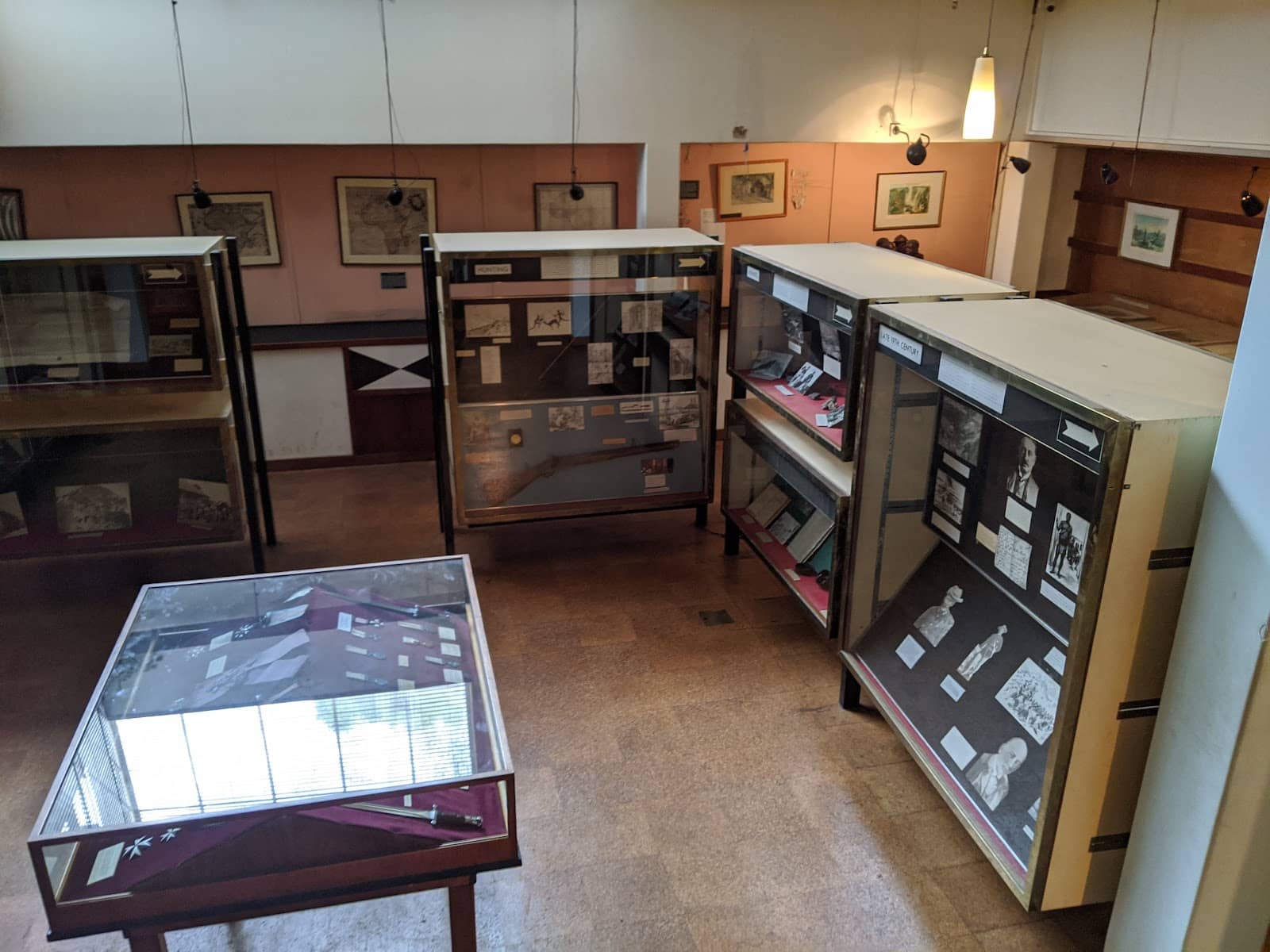
"One of my highlights in Harare, a really wonderful little gallery to learn about the history of the country."
🎯 Book a Guided Tour
Highly recommended for a comprehensive understanding of the exhibits and historical context. [^Review1]
🤝 Seek Staff Assistance
The staff are welcoming and very helpful in navigating the archives. [^Review3]
Highlights
Discover the most iconic attractions and experiences
Country's Historical Gallery
Explore a curated collection detailing Zimbabwe's journey through time. A must-see for history buffs!
Government Records Collection
Delve into parliamentary proceedings, official reports, and significant speeches that shaped the nation.
Colonial Era Archives
Uncover fascinating materials on land policies and pivotal historical events like the Mau Mau uprising.
Audiovisual Records
Experience history through films, oral histories, and other multimedia archives.
Plans like a pro.
Thinks like you
Planning Your Visit
Plan Your Visit to the National Archives
Accessing Historical Records
Best Times
Insider Tips
from TikTok, Instagram & Reddit
🎯 Book a Guided Tour
Highly recommended for a comprehensive understanding of the exhibits and historical context. [^Review1]
🤝 Seek Staff Assistance
The staff are welcoming and very helpful in navigating the archives. [^Review3]
Access to Zim Public Records: Doing family history research
🗄️ Limited Digital Access
Be prepared for physical record access; extensive digitization is not yet available.
⏳ Allow ample time
To truly appreciate the collections, dedicate a good portion of your day. [^Review1]
In Berkeley, she’s built one of the world’s largest archives of Zimbabwean Shona music
Tips
from all over the internet
🎯 Book a Guided Tour
Highly recommended for a comprehensive understanding of the exhibits and historical context. [^Review1]
🤝 Seek Staff Assistance
The staff are welcoming and very helpful in navigating the archives. [^Review3]
🗄️ Limited Digital Access
Be prepared for physical record access; extensive digitization is not yet available.
⏳ Allow ample time
To truly appreciate the collections, dedicate a good portion of your day. [^Review1]
What Travellers Say
Reviews Summary
Visitors praise the National Archives of Zimbabwe for its historical significance and the welcoming, helpful nature of its staff. It's considered a valuable place to learn about the country's past, with guided tours enhancing the experience. However, the limited digitization of records means in-person visits are crucial for in-depth research.
"Really wonderful little gallery to learn about the history of the country. 10 bond. Includes a guided tour. Highly recommend you visit - one of my highlights in Harare."
Josiah Wadsack
"Very historical place"
Lorraine Chihoko
"Found very welcoming people there... They really did assist me all the ways possible"
Coster Mabasa
What People Like
What People Dislike
Frequently Asked Questions
🚇 🗺️ Getting There
The National Archives of Zimbabwe is located in Harare. Public transport options like taxis and local buses are available. It's advisable to confirm the exact location and best routes with your accommodation or a local transport provider upon arrival.
Information regarding specific parking availability can be limited. It's best to inquire locally or consider public transport to avoid any parking-related issues.
Ride-sharing apps are increasingly common in Harare. They can be a convenient way to reach the National Archives, offering a direct and often cost-effective option.
From Harare's city center, a short taxi ride or a local bus route would be the most straightforward way to reach the National Archives.
The National Archives is a significant institution, and local taxi drivers will be familiar with its location. It's often situated within the administrative or cultural heart of the city.
🎫 🎫 Tickets & Entry
Entry to the National Archives often includes access to its gallery and exhibits. While some sources mention a small fee or donation (e.g., '10 bond'), it's best to confirm current admission policies upon arrival or by contacting them directly. [^Review1]
Opening hours can vary, but typically the National Archives operates during standard business hours on weekdays. It's highly recommended to check their official website or call ahead to confirm current operating times before your visit.
Generally, you can visit without a prior booking, especially for the public gallery. However, for specific research or access to deeper archives, advance arrangements might be necessary.
Information on specific discounts is not widely publicized. It's advisable to inquire at the entrance or contact the archives directly to see if any concessionary rates are available.
Photography policies can differ. While general gallery photos might be permitted, access to sensitive archival materials may be restricted. Always check for signage or ask staff before taking pictures.

🎫 🧭 Onsite Experience
You can explore a historical gallery showcasing the country's journey, government records, colonial-era archives, and audiovisual materials. Guided tours offer deeper insights. [^Review1]
Yes, guided tours are often available and highly recommended. They provide valuable context and highlight key aspects of the collections. [^Review1]
To fully appreciate the exhibits and potentially take a guided tour, allocate at least 2-3 hours. If you're conducting specific research, you may need more time. [^Review1]
Accessibility information is not widely detailed online. It's recommended to contact the National Archives directly to inquire about facilities for visitors with disabilities.
The archives hold government records, colonial documents, and audiovisual materials, offering a broad spectrum of Zimbabwean history from speeches to land policies.
🍽️ 🍽️ Food & Dining
Typically, national archives do not have extensive dining facilities. It's advisable to plan for meals before or after your visit at nearby restaurants in Harare.
Harare offers a variety of restaurants and cafes. You can find local eateries and international cuisine options within a short distance from the archives.
Bringing outside food and drinks might be restricted within the exhibition areas. Check for specific rules upon entry, but it's generally best to consume these outside the main archive spaces.
Exploring local Zimbabwean cuisine is a great experience. Look for restaurants serving traditional dishes like sadza with relish, or various grilled meats.
Based on typical archival institutions, an on-site cafe or snack bar is unlikely. Visitors should plan accordingly for their food and beverage needs.
📸 📸 Photography
Photography rules can vary. While general photos of the public gallery might be allowed, flash photography or filming of specific documents is often prohibited. Always check signage or ask staff.
Taking photos of historical documents is usually restricted to protect their condition. For research purposes, you may need to request special permission or use provided scanning services.
Professional photography equipment, including tripods, may require prior authorization. It's best to contact the archives in advance if you plan to use such gear.
The historical gallery often provides visually interesting displays. Look for well-lit exhibits and architectural features for memorable shots.
Sharing general photos on social media is usually fine, provided they don't infringe on any privacy or preservation rules. Tagging the archives can be a nice gesture.
For Different Travelers
Tailored advice for your travel style
👨👩👧 Families with Kids
Consider booking a guided tour, as the guides can often tailor their explanations to be more accessible and interesting for younger audiences. It's a great opportunity to spark curiosity about history and national heritage. Remember to check for any age-specific recommendations or restrictions before your visit.
📚 Researchers and Genealogists
Engage with the staff; they are noted for being welcoming and helpful. Clearly articulate your research needs to get the most efficient assistance. While the National Archives of Zimbabwe may not have everything digitized, its physical collections are invaluable for uncovering historical truths and genealogical connections. [^Review3]
Deep Dives
In-depth insights and expert knowledge
Exploring Zimbabwe's Past: The National Archives Collections
Beyond official documents, the archives also preserve a valuable collection of audiovisual records, including films and oral histories. These resources offer a more personal and nuanced perspective on Zimbabwe's past, complementing the formal records. For those interested in genealogy or specific historical research, the Zimbabwe archives online initiative, though limited, is a starting point, but the true depth of information lies within the physical collections.
It's important to note that while the National Archives of Zimbabwe is a treasure trove, the extent of digitization is still developing. This means that accessing detailed information, such as specific birth certificates or historical census data, often requires an in-person visit. The National Archives of Zimbabwe Act likely governs the preservation and access to these records, ensuring their long-term availability for researchers and the public.
Navigating Record Access and Research
Travelers and researchers have noted that the staff at the National Archives are generally welcoming and helpful, willing to assist visitors in navigating the collections. A guided tour is highly recommended, as it provides an overview of what's available and how to best access it. This personal assistance can be invaluable when dealing with non-digitized records. [^Review3]
When planning a research visit, it's advisable to be specific about your needs. Knowing the exact period or type of record you are looking for will help the archivists guide you more effectively. While the National Archives of Zimbabwe is a significant institution, the process of accessing certain records might require patience and direct interaction.
Social
from TikTok, Instagram & Reddit