Eastern Kafue National Park
Zambia's largest and oldest park, a vast wilderness with incredible wildlife diversity and stunning landscapes, offering a tranquil safari escape.
Highlights
Must-see attractions

Social
From TikTok & Reddit
Best Time
Animals congregate at water sources.
Eastern Kafue National Park
Best Time
Animals congregate at water sources.
Highlights
Must-see attractions
Zambia's largest and oldest park, a vast wilderness with incredible wildlife diversity and stunning landscapes, offering a tranquil safari escape.
"A hidden gem with unique experiences across its different regions, offering intimate wildlife encounters."
🚗 Self-Drive Caution
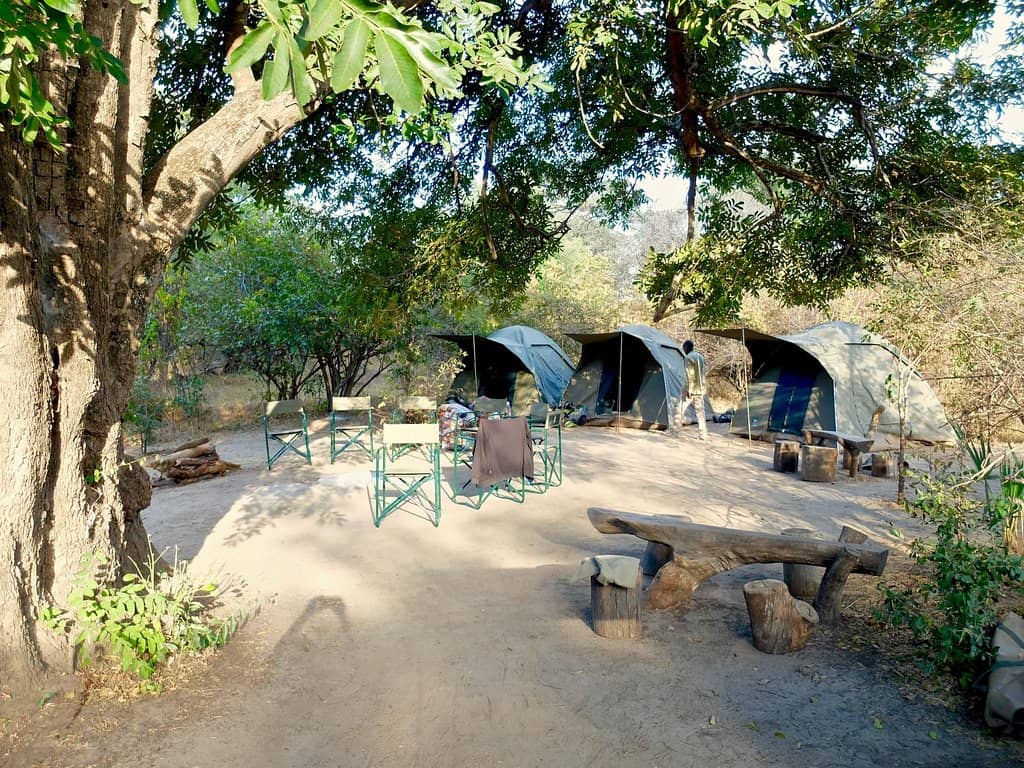
Park roads can be challenging. Consider lodge-arranged game drives for easier wildlife viewing. :car:
💰 Budget Accommodation
Look for lodges outside the park boundaries for more affordable stays, especially if traveling as a student. :moneybag:
Highlights
Discover the most iconic attractions and experiences
Busanga Plains Wildlife
Northern Kafue
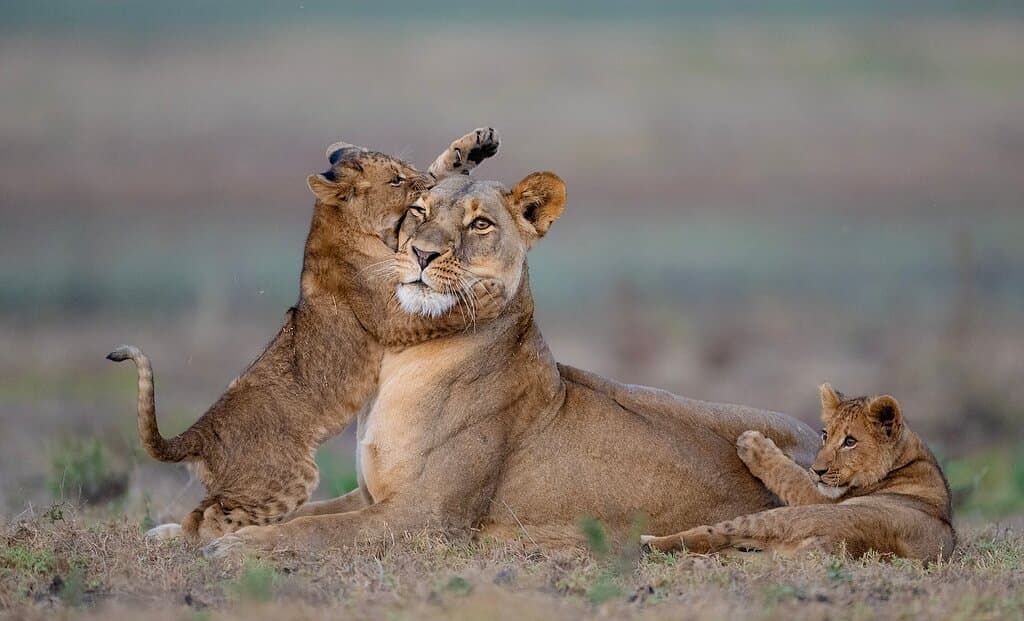
Vast floodplains teeming with lions, cheetahs, and diverse antelope herds. A prime spot for incredible cat sightings.
Kafue River Cruises
Kafue River
Glide along the river to spot hippos, crocodiles, and abundant birdlife. Sustainable lodges offer eco-friendly boat tours.
Lake Itezhi-Tezhi Views
Southern Kafue
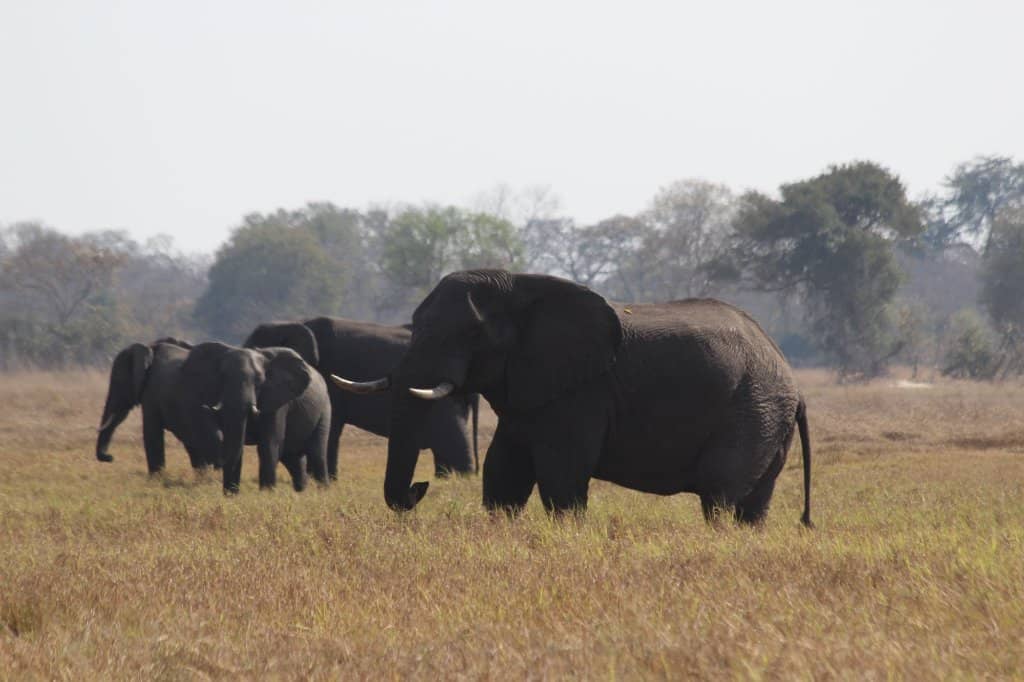
Stunning landscapes with large elephant herds and unique bird species like the black-cheeked lovebird.
Plans like a pro.
Thinks like you
Planning Your Visit
Navigating Kafue: Budget Travel Tips
Environmental Concerns & Park Health
Best Times
Insider Tips
from TikTok, Instagram & Reddit
🚗 Self-Drive Caution
Park roads can be challenging. Consider lodge-arranged game drives for easier wildlife viewing. :car:
💰 Budget Accommodation
Look for lodges outside the park boundaries for more affordable stays, especially if traveling as a student. :moneybag:
🌿 Eco-Conscious Lodges
Choose lodges using solar power and electric vehicles for a sustainable safari experience. :leaf:
🦅 Birdwatcher's Paradise
Kafue is a haven for bird species, especially on the Busanga Plains. Bring binoculars! :bird:
Visiting Kafue national park
Tips
from all over the internet
🚗 Self-Drive Caution
Park roads can be challenging. Consider lodge-arranged game drives for easier wildlife viewing. :car:
💰 Budget Accommodation
Look for lodges outside the park boundaries for more affordable stays, especially if traveling as a student. :moneybag:
🌿 Eco-Conscious Lodges
Choose lodges using solar power and electric vehicles for a sustainable safari experience. :leaf:
🦅 Birdwatcher's Paradise
Kafue is a haven for bird species, especially on the Busanga Plains. Bring binoculars! :bird:
What Travellers Say
Reviews Summary
Kafue National Park is lauded for its vastness, incredible wildlife abundance, and tranquil, less-crowded atmosphere, offering unique safari experiences. However, some visitors note a concerning decline in certain animal populations and increasing encroachment, raising questions about the park's long-term health.
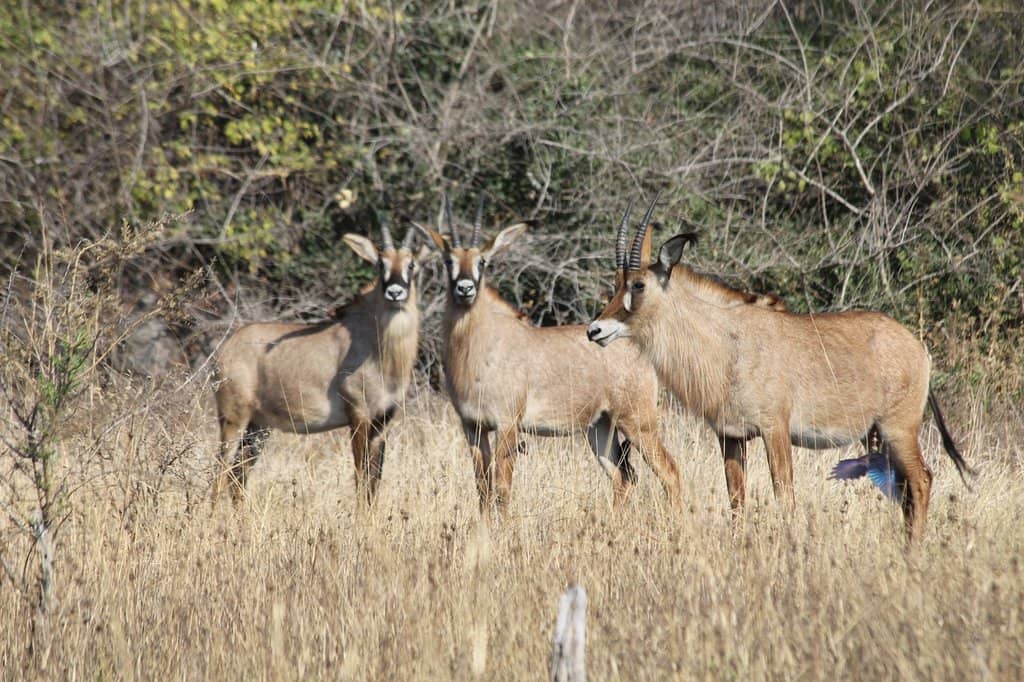
"Beautiful Park. African parks need to up their game as animals have reduced a lot over the years, roans and sables once plenty are now very rare to see especially in the Chunga area and the opposite Mumbwa and Namwala GMA. Encroachment in the GMA just getting worse every year its so bad, once dambos full of animals are now filled with cattle and farms. Beautiful park but I’m afraid things are getting worse every year. We need to fix it before it’s late which I’m afraid it already is!! Lets wake up!!"
Mohammed Arif
"Remote park with wide open views and incredible animal abundance. On the Busanga Plains, I found that it was especially great for seeing cats, particularly lions, but also cheetahs and servals. But also go for the herds of antelope (lechwe, puku, impalas), elephants, warthogs, wildebeest, hippos, buffalo, countless birds, etc."
Laura Dickey
"Kafue National Park, Zambia’s largest and one of Africa's oldest parks, is celebrated for its biodiversity and vastness, covering 22,500 square kilometers. Visitors and experts describe it as a hidden gem with unique experiences across its different regions:
1. Wildlife Diversity: The park is home to 152 recorded mammal species, including lions, cheetahs, African wild dogs, and elephants. Birdwatchers also praise it for its rich avian life, particularly on the Busanga Plains, where rare species like crowned and wattled cranes are spotted.
2. Scenic Attractions: Northern areas like the Busanga Floodplains are highlighted for their dramatic landscapes and abundant wildlife during the dry season. Southern regions, such as Lake Itezhi-Tezhi and Nanzhila Plains, are less visited but offer stunning views of antelopes, large herds of elephants, and the endemic black-cheeked lovebird.
3. Activities: Game drives, walking safaris, and river cruises on the Kafue River are popular, with opportunities to spot leopards, crocodiles, and hippos. Eco-conscious travelers appreciate lodges like Ila Safari Lodge, which utilize solar-powered boats and electric vehicles for sustainable tourism.
4. Visitor Experience: Many reviewers note the tranquility and exclusivity of the park, as it remains relatively less crowded compared to other African destinations. Its vast landscapes allow for intimate wildlife encounters.
Kafue National Park is often described as a "sleeping giant," deserving more recognition for its exceptional safari experiences. For those seeking adventure in untouched wilderness, it’s an ideal destination."
Christopher Mulenga
What People Like
What People Dislike
Frequently Asked Questions
🚇 🗺️ Getting There
You can take an intercity bus from Lusaka to Hook Bridge, then arrange local transport. Some travelers suggest taking a bus to Mongu and getting off at Hook Bridge. :bus:
Yes, you can travel from Livingstone by bush taxi or public transport, with a change in Kaluma. :taxi:
While self-driving is possible, park roads can be challenging. Many visitors opt for game drives organized by their lodges for a better experience. :offroad_vehicle:
There are no direct commercial flights into Kafue National Park itself. Most visitors fly into Lusaka International Airport (LUN) and then arrange ground transportation. :airplane:
The distance varies depending on the entrance, but it's approximately a 3-4 hour drive from Lusaka to the park's main areas. :road:
🎫 🎫 Tickets & Entry
Entrance fees can vary, but expect around $20 USD per person per day. It's advisable to confirm current rates with your lodge or the park authorities. :ticket:
While not always mandatory, booking in advance, especially during peak season, is recommended, particularly if you are staying at a lodge that handles your park permits. :calendar:
The park is generally open year-round, but game drive times are typically from sunrise to sunset. Specific gate hours may vary. :clock:
Permits are usually daily entry fees. Some lodges may offer packages that include park fees. :scroll:
It's best to carry cash (USD or Zambian Kwacha) as card facilities may not be available at all entry points or for all services. :moneywithwings:
🎫 🧭 Onsite Experience
Kafue is home to a vast array of wildlife, including lions, cheetahs, leopards, African wild dogs, elephants, hippos, buffalo, and numerous antelope species like lechwe and puku. Birdlife is also exceptional. :lion: :elephant: :bird:
Yes, most lodges within and around the park offer guided game drives, walking safaris, and sometimes boat trips. These are highly recommended for optimal wildlife viewing. :jeep:
The Busanga Plains in the north are renowned for big cats and large herds. The southern areas like Nanzhila Plains offer excellent antelope sightings and are less crowded. :gazelle:
Kafue is generally safe, especially when staying at reputable lodges and participating in guided activities. It's advisable to follow your guide's instructions and avoid venturing out alone. :shield:
Besides game drives, you can enjoy walking safaris, birdwatching, and river cruises on the Kafue River, offering a different perspective on the park's ecosystem. :walking: :boat:
🍽️ 🍽️ Food & Dining
Dining is primarily available at lodges. Most lodges offer full board, serving breakfast, lunch, and dinner, often with a focus on local ingredients and international cuisine. :chef_hat:
Yes, you can bring your own food and drinks, especially if you are self-driving or camping. However, many visitors prefer to dine at their lodges for convenience and quality. :sandwich:
Dining options outside the park are limited and often found in nearby towns like Mongu or Mumbwa. It's more common to rely on lodge dining for a complete safari experience. :restaurant:
Meals are usually included in lodge rates. If not, expect to pay a premium for dining, reflecting the remote location and logistics involved. :dollar:
Most lodges are accommodating and can prepare vegetarian or vegan meals if informed in advance. It's always best to communicate your dietary needs when booking. :broccoli:
📸 📸 Photography
The 'golden hours' – early morning and late afternoon – offer the best light for photography, with softer shadows and beautiful colors. Animals are also most active during these times. :camerawithflash:
A telephoto lens (e.g., 300mm or more) is essential for capturing wildlife from a distance. A wide-angle lens is useful for landscapes. Consider a sturdy tripod or beanbag for stability. :camera:
Generally, photography of wildlife is allowed. However, always be respectful and follow your guide's instructions. Avoid disturbing animals for a shot. :noentrysign:
The Busanga Plains offer dramatic landscapes and abundant wildlife. The Kafue River provides opportunities for capturing hippos, crocodiles, and birds. :landscape:
Patience is key! Spend time observing animal behavior. Shoot in bursts and experiment with different angles. Using a guide can also lead you to better photographic opportunities. :eye:
For Different Travelers
Tailored advice for your travel style
👨👩👧 Families with Kids
When traveling with children, consider lodges that offer educational components or have dedicated family programs. It's also wise to choose lodges that are easily accessible and have amenities like swimming pools. Remember to pack essentials like sunscreen, insect repellent, and hats, and ensure children are supervised at all times, especially during game drives and near water bodies. The experience can be incredibly enriching, fostering a love for wildlife and nature.
💰 Budget Travelers & Students
Many budget travelers find that booking game drives through their chosen lodge is more cost-effective and practical than attempting to self-drive the entire park. This approach also ensures you have experienced guides who know the best spots for wildlife viewing. Be prepared to carry cash, as card facilities might be limited in more remote areas.
Deep Dives
In-depth insights and expert knowledge
Understanding Kafue's Diverse Regions
The southern parts of the park, such as the Nanzhila Plains and the area around Lake Itezhi-Tezhi, offer a different, often more tranquil, experience. These regions are known for their large elephant herds and diverse birdlife, including the endemic black-cheeked lovebird. While less frequented than the Busanga Plains, they provide a sense of true wilderness and exclusivity. The Kafue River itself is a central feature, with lodges offering unique activities like river cruises, providing opportunities to spot hippos, crocodiles, and a variety of water birds.

It's important to note that the park's vastness means travel between regions can be time-consuming. Many visitors choose to focus on one or two areas to maximize their wildlife viewing and minimize travel time. Understanding these regional differences can help tailor your safari to your specific interests, whether you're seeking big cat action or a more serene encounter with nature.
Navigating Environmental Challenges
Beyond industrial pollution, encroachment by local communities, including cattle grazing and farming, poses another threat to the park's wildlife. Visitors have noted a decline in certain species, like roans and sables, in areas affected by human activity. This encroachment can lead to habitat loss and increased human-wildlife conflict, impacting the delicate balance of the ecosystem.
Despite these challenges, many lodges are committed to conservation and sustainable tourism practices. Options like Ila Safari Lodge are pioneering eco-friendly approaches, using solar-powered boats and electric vehicles to minimize their environmental footprint. Supporting these lodges and practicing responsible tourism are crucial steps in helping to protect Kafue National Park for future generations. Travelers are encouraged to be mindful of their impact and choose operators who prioritize conservation.
Social
from TikTok, Instagram & Reddit