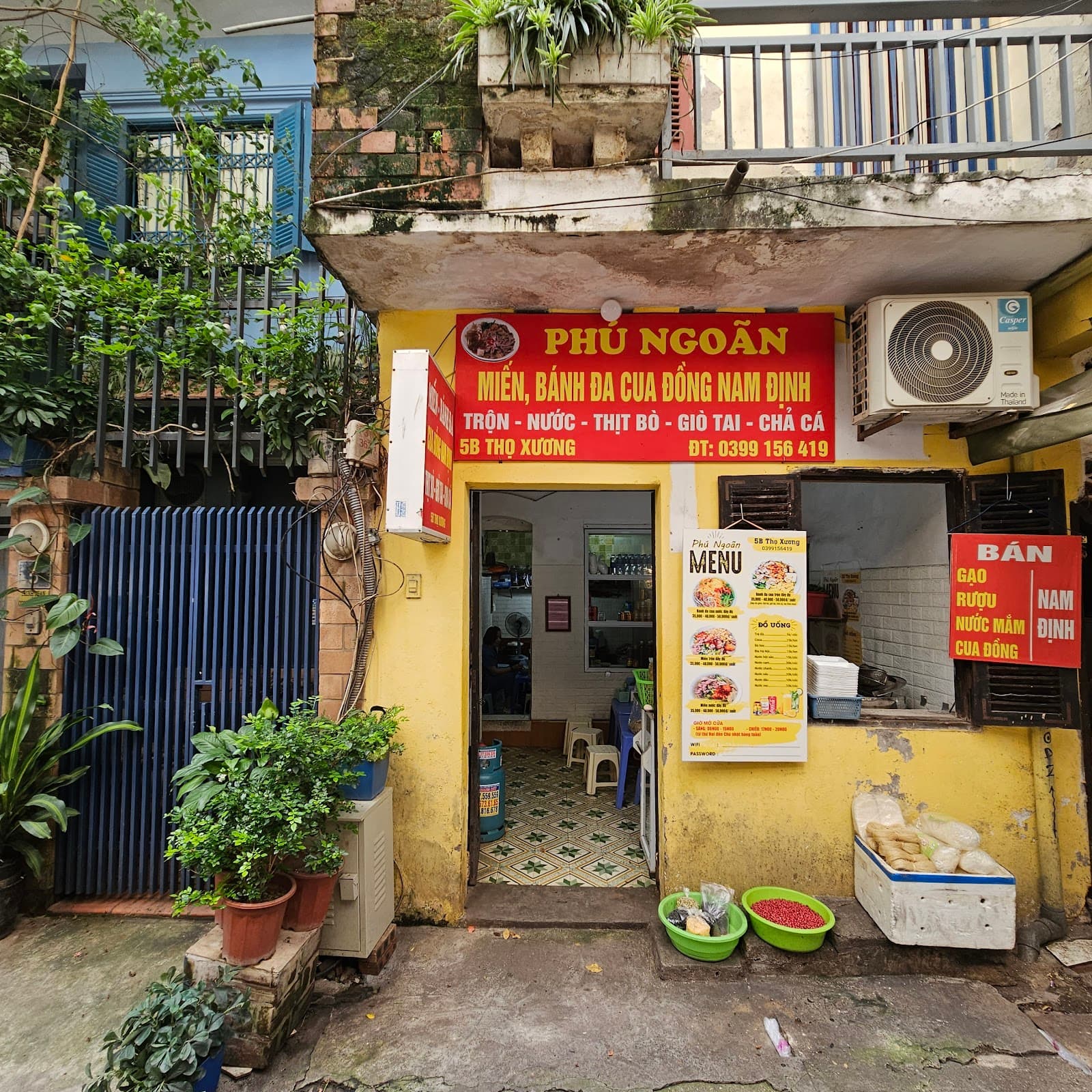
Banh Da Cua Street Stalls
Savor the authentic taste of Hai Phong with Banh Da Cua, a beloved street food featuring chewy brown noodles in a rich crab and tomato broth.
Highlights
Must-see attractions

Social
From TikTok & Reddit
Best Time
Avoids crowds, freshest ingredients
Banh Da Cua Street Stalls
Best Time
Avoids crowds, freshest ingredients
Highlights
Must-see attractions
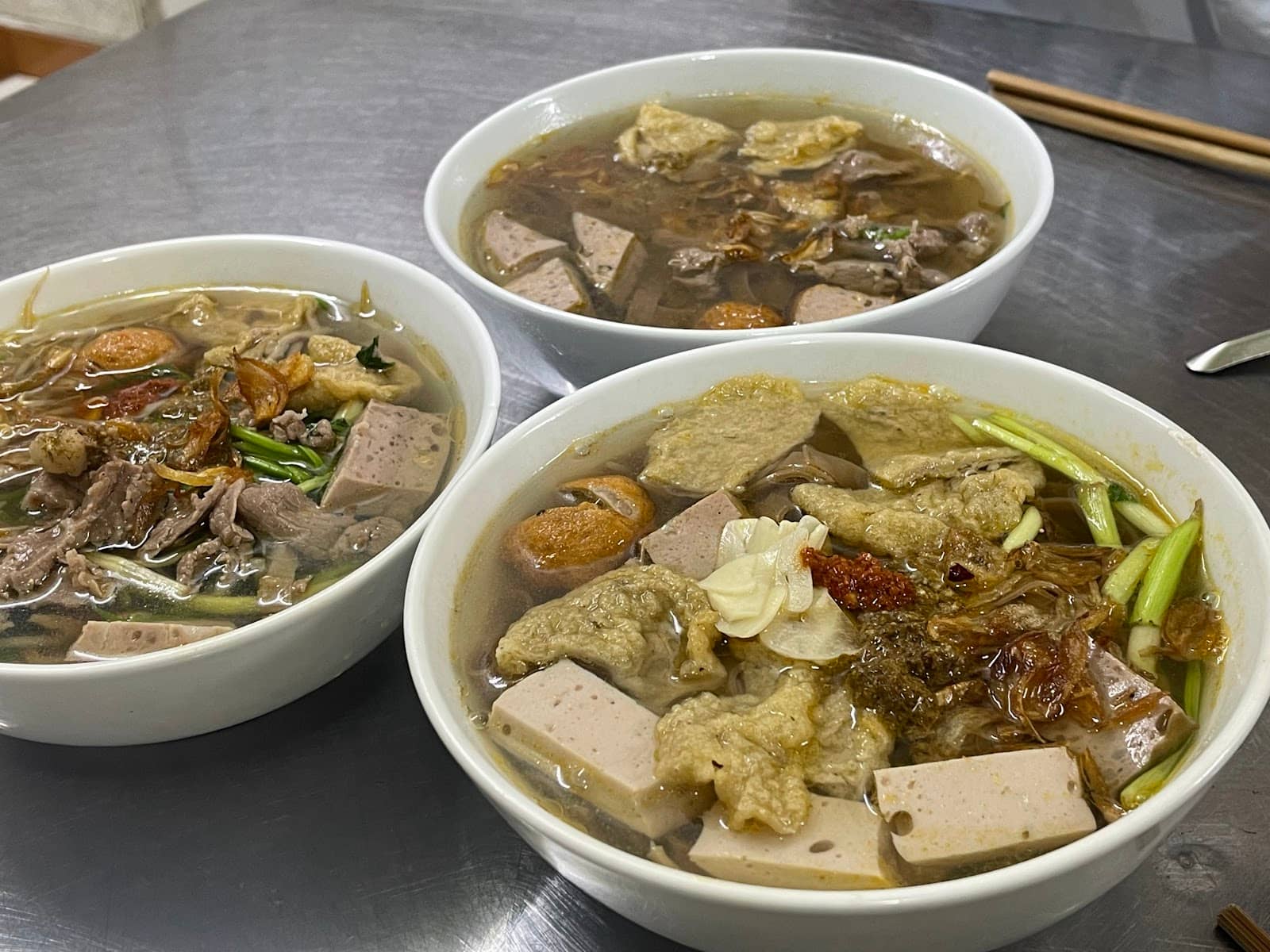
Savor the authentic taste of Hai Phong with Banh Da Cua, a beloved street food featuring chewy brown noodles in a rich crab and tomato broth.
"The banh da cua was tasteful. Noodles weren't soggy. Don't forget to add their chilli sauce."
🎯 Arrive Before 7:30 AM
Many popular stalls sell out by mid-morning. Wake up early for the best chance to try them!
📍 Explore Local Markets
Hidden gems are often found in local markets, offering authentic flavors.
Highlights
Discover the most iconic attractions and experiences
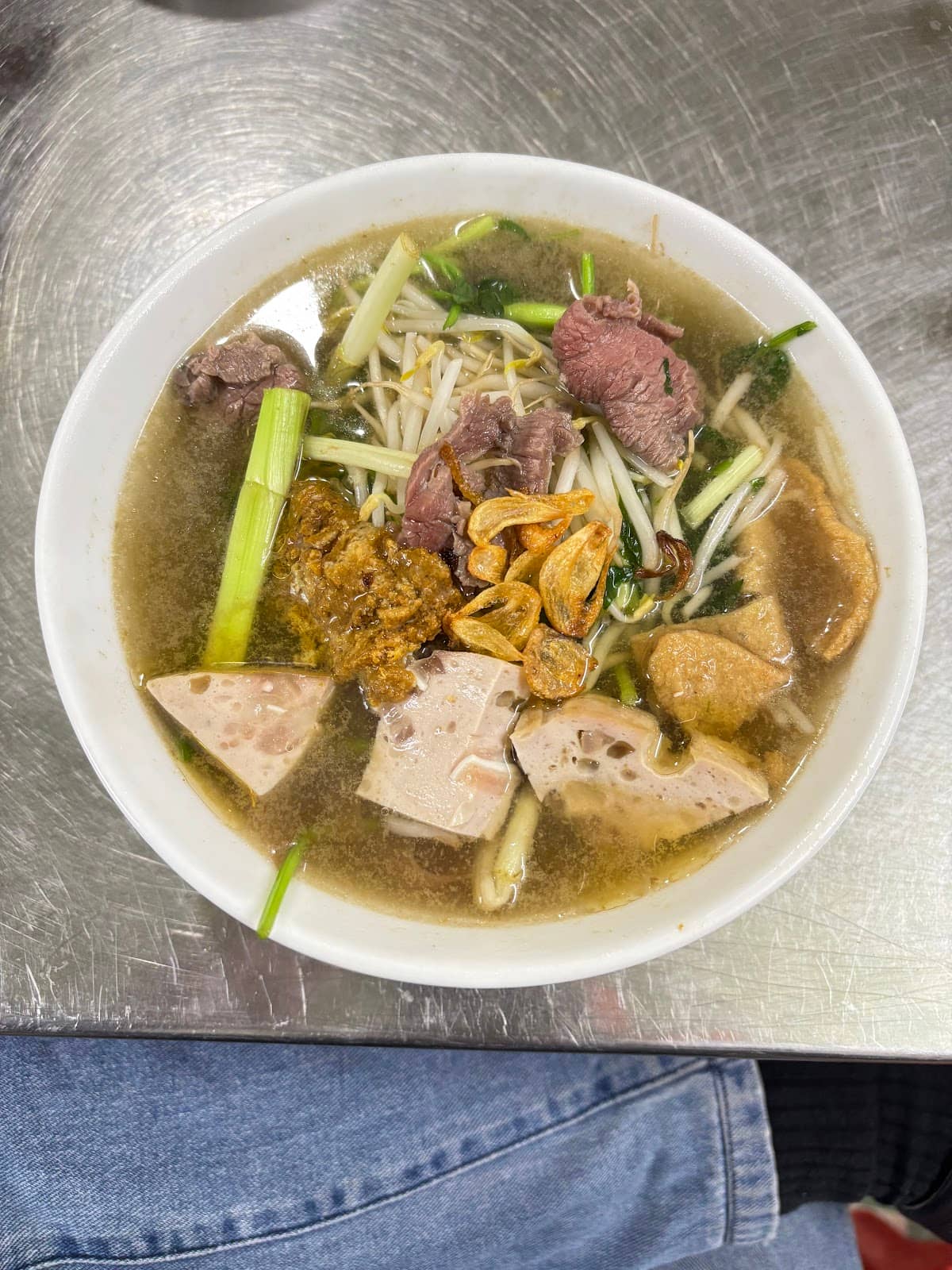
The Signature Brown Noodles
Any Banh Da Cua stall
Thick, chewy brown noodles made from rice flour, offering a unique texture and subtle crab aroma.
Rich Crab & Tomato Broth
Any Banh Da Cua stall
A savory, slightly tangy broth simmered with crab paste, tomatoes, and spices, the heart of the dish.
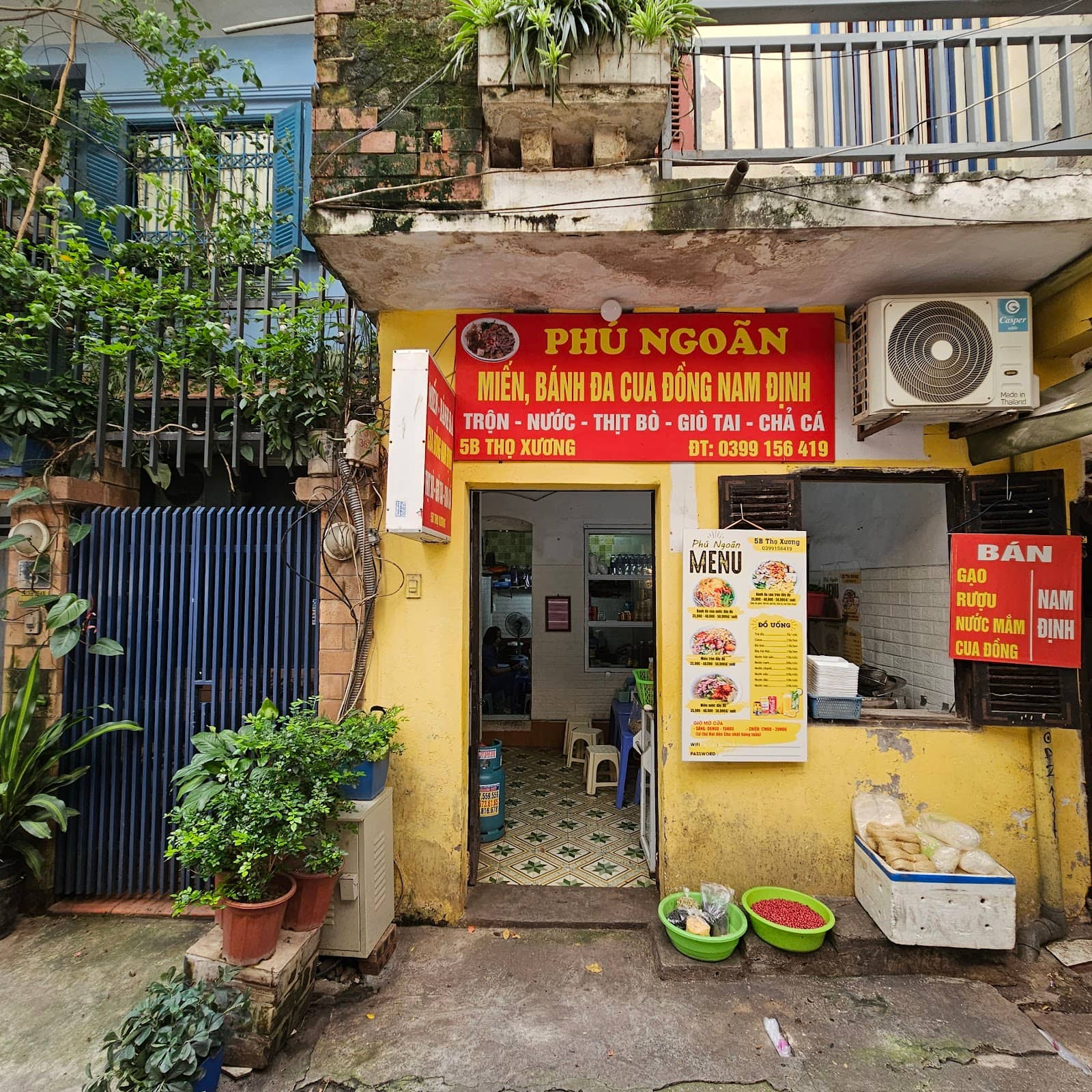
Generous Toppings
Any Banh Da Cua stall
Enjoy fresh herbs, chili sauce, and often a dollop of rich crab paste for an extra burst of flavor.
Plans like a pro.
Thinks like you
Planning Your Visit
Embrace the Early Bird
Hai Phong is the Origin
Best Times
Insider Tips
from TikTok, Instagram & Reddit
🎯 Arrive Before 7:30 AM
Many popular stalls sell out by mid-morning. Wake up early for the best chance to try them!
📍 Explore Local Markets
Hidden gems are often found in local markets, offering authentic flavors.
🌶️ Don't Skip the Chili Sauce
The house-made chili sauce adds a perfect kick to the flavorful broth.
💰 Portions are Filling
Even a small portion can be very satisfying. Choose wisely based on your appetite.
Tips
from all over the internet
🎯 Arrive Before 7:30 AM
Many popular stalls sell out by mid-morning. Wake up early for the best chance to try them!
📍 Explore Local Markets
Hidden gems are often found in local markets, offering authentic flavors.
🌶️ Don't Skip the Chili Sauce
The house-made chili sauce adds a perfect kick to the flavorful broth.
💰 Portions are Filling
Even a small portion can be very satisfying. Choose wisely based on your appetite.
🍜 Look for Crab Paste
The distinct crab paste (gạch cua) is key to the authentic taste.
What Travellers Say
Reviews Summary
Reviewers consistently praise the delicious and flavorful broth of Banh Da Cua, noting the satisfying chewiness of the noodles and the freshness of the ingredients. Many appreciate the authentic street food experience and the friendly service. Some find the portion sizes generous, while a few mention that certain popular stalls can sell out quickly.
"Had this as my last dish in Ha Noi
I thought this would be similar with crab noodles found in Borneo, but it turned out to be different
The “noodle” used is a thicker and wider version of the typical rice noodle, and it’s brown in color. It also smells like crab although I think the only crab thing in it is a piece of processed crab meatball.
The flavor is good tho, coupled with the broth it surely will remind you of chinese style noodles.
You can choose either Small, medium or large portion. I choose the small one and it’s very fulfilling indeed"
Ferdy anto
"The full noodle soup was delicious and the owner was very friendly, I recommend !"
Lucie Rodrigue
"Amazing IPA beers. Friendly and professional service by Giang, nice and friendly young lady. Food good and fresh"
Franco Merlo
What People Like
What People Dislike
Frequently Asked Questions
🚇 🗺️ Getting There
Authentic Banh Da Cua stalls are often found in local markets and unassuming alleyways, especially in Hai Phong, the dish's birthplace. Look for busy spots with locals queuing up. Some popular areas mentioned include Ngo 195 Cau Dat in Hai Phong and Minh Khai street.
Yes, Banh Da Cua is also popular in Hanoi, though Hai Phong is considered its origin. You can find stalls in areas like Chau Long Market or on Mai Hac De Street.
For street stalls, walking or using a motorbike/scooter is often the most convenient. Grab or Gojek (ride-hailing apps) are also good options for navigating the city and finding specific locations.
While many are unnamed stalls, some have become known by their location or vendor. Examples include 146 Hang Kenh and 18 Me Linh
in Hai Phong, and 32 Mai Hac De in Hanoi.
Yes, Google Maps can be helpful, especially if you have a specific address or landmark. Searching for 'Banh Da Cua' might bring up some popular spots, but often the best ones are discovered through local recommendations.
🎫 🎫 Tickets & Entry
No, Banh Da Cua street stalls do not require tickets. You simply order and pay for your food directly at the stall.
Operating hours vary greatly. Some open very early, around 3:30 AM, while others might start in the afternoon and run into the evening. It's best to check specific stall information if available, or aim for early morning or late afternoon.
Generally, there is no admission fee to enter local markets where Banh Da Cua stalls are found. You only pay for the food you consume.
For most street stalls, reservations are not possible. It's a first-come, first-served system. Some popular vendors might have a system for regulars, but it's not common.
Prices are very affordable, typically ranging from 30,000 VND to 50,000 VND, depending on the portion size and ingredients. +1
🍽️ 🍽️ Food & Dining
Banh Da Cua features thick, chewy brown noodles made from rice flour, served in a rich, savory broth flavored with crab paste, tomatoes, and spices. It's often topped with fresh herbs and sometimes a dollop of crab paste.
The unique aspect is the combination of the chewy brown noodles and the intensely flavorful crab and tomato broth. The texture of the noodles and the depth of the broth are what set it apart.
Traditional Banh Da Cua is not vegetarian due to the crab paste and broth. However, some stalls might offer variations, but it's not common.
Fresh herbs like cilantro and mint are standard. Many people also enjoy adding extra chili sauce for heat and a bit more crab paste for richness.
The broth itself is not typically spicy, but a side of chili sauce is usually provided, allowing you to adjust the heat level to your preference.
📸 📸 Photography
Capture the vibrant colors of the broth, noodles, and fresh herbs. Overhead shots work well to show the entire bowl, while close-ups can highlight the texture of the noodles and the rich crab paste.
Early morning or late afternoon can offer softer, more natural light, especially if the stalls are under awnings or in shaded areas. Avoid harsh midday sun if possible.
The deep red-brown of the broth, the contrasting green of the herbs, and the unique texture of the brown noodles are visually appealing. The dollop of crab paste adds a rustic charm.
It's always polite to ask for permission before taking close-up photos of vendors, especially if they are busy. Many are happy to oblige if asked respectfully.
Include the bustling market environment, the cooking process, or the simple seating arrangements to convey the authentic street food experience.
For Different Travelers
Tailored advice for your travel style
👨👩👧 Families with Kids
Be prepared for early mornings if you want to try the most popular, long-standing vendors, as they can sell out quickly.
💰 Budget Travelers
These street stalls are the epitome of affordable eating. You're paying for the quality ingredients and the generations-old recipes, not fancy decor. Embrace the no-frills experience – it's part of the charm and the reason for the low cost.
🍜 Foodies & Culinary Explorers
Don't be afraid to try different vendors to compare. Each stall might have its own subtle variations or signature touches, like a special chili sauce or a unique way of preparing the crab paste.
Deep Dives
In-depth insights and expert knowledge
The Authentic Hai Phong Experience
Many of the most beloved Banh Da Cua spots are humble street stalls, often found in local markets or tucked away in alleyways. These vendors have perfected their recipes over years, sometimes decades, passed down through generations. For instance, one vendor has been selling their Banh Da Cua for nearly 25 years, adapting to changes while maintaining the core taste.
When visiting Hai Phong, seeking out these authentic stalls is a must. Look for places with a steady stream of locals, a testament to their quality and authenticity. Don't be afraid to venture off the beaten path; some of the best culinary discoveries are made in the most unexpected places.
Navigating the Banh Da Cua Scene
While Hai Phong is the origin, Banh Da Cua has gained popularity in Hanoi as well. However, the authenticity and depth of flavor are often said to be more pronounced in Hai Phong.
Beyond the main ingredients, the accompanying condiments play a vital role. The chili sauce provided at many stalls is often homemade and adds a perfect spicy kick that complements the savory broth.
Social
from TikTok, Instagram & Reddit