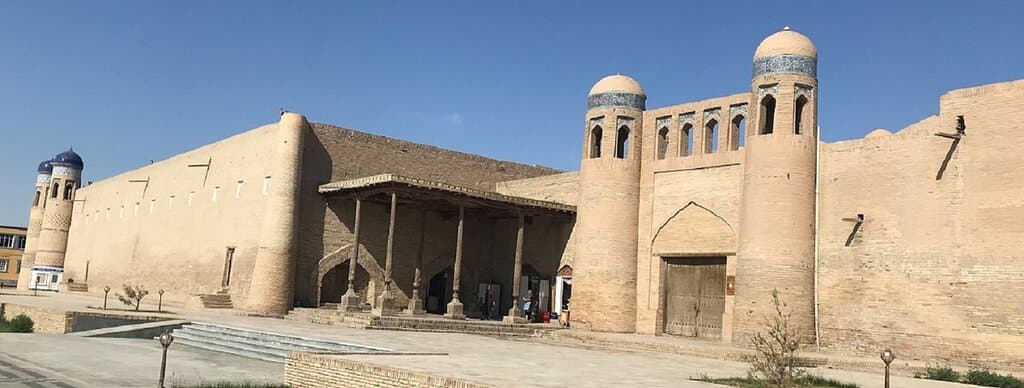
Polvon Darvoza East Gate
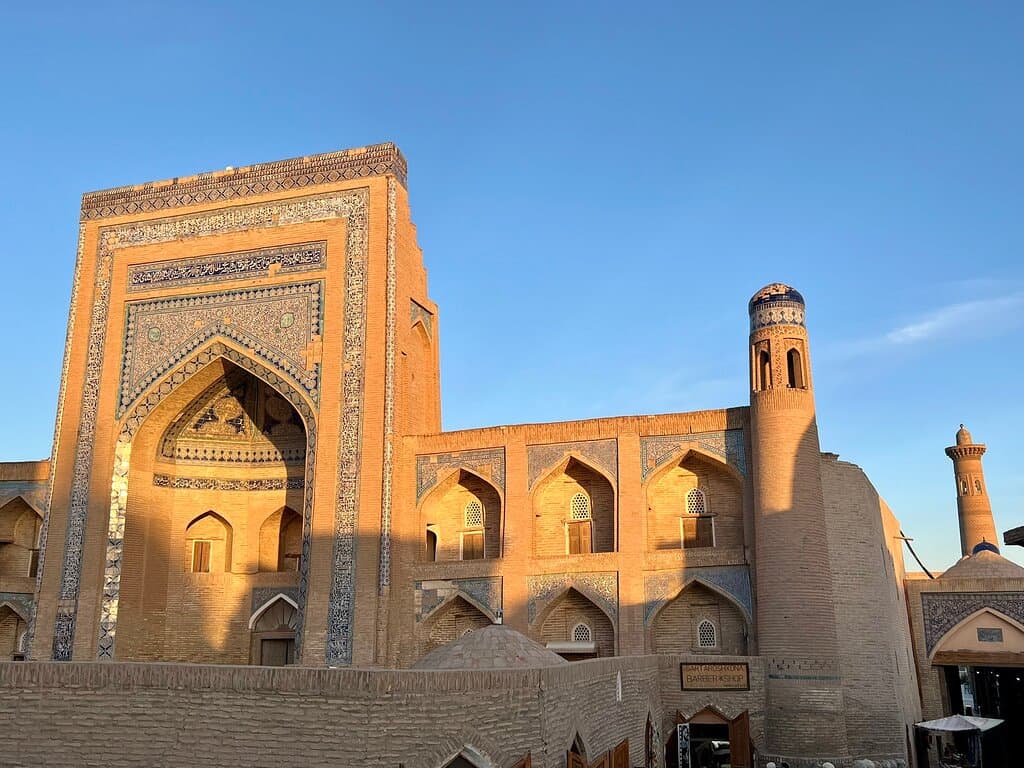
A majestic 19th-century gateway to Itchan Kala, Khiva's UNESCO-listed inner city, rich with Silk Road history and stunning architecture.
Highlights
Must-see attractions

Social
From TikTok & Reddit
Best Time
Fewer crowds, golden light
Polvon Darvoza East Gate
Best Time
Fewer crowds, golden light
Highlights
Must-see attractions
A majestic 19th-century gateway to Itchan Kala, Khiva's UNESCO-listed inner city, rich with Silk Road history and stunning architecture.
"Stepping through the East Gate is like stepping back centuries into a living Silk Road museum."
🚶♀️ Explore on Foot
Itchan Kala is best explored by walking. Wear comfortable shoes to navigate the ancient streets and pathways. :athletic_shoe:
📸 Capture the Architecture
The intricate details of the gate and surrounding buildings are incredibly photogenic. Visit during golden hours for best light. :camerawithflash:
Quick Facts
Hours
Rating
4.3 · 50 reviews
Type
Historical Landmark
Highlights
Discover the most iconic attractions and experiences
Polvon Darvoza East Gate
Itchan Kala, Khiva
A majestic 19th-century gateway, once the bustling commercial heart of Khiva and a threshold to Silk Road history.
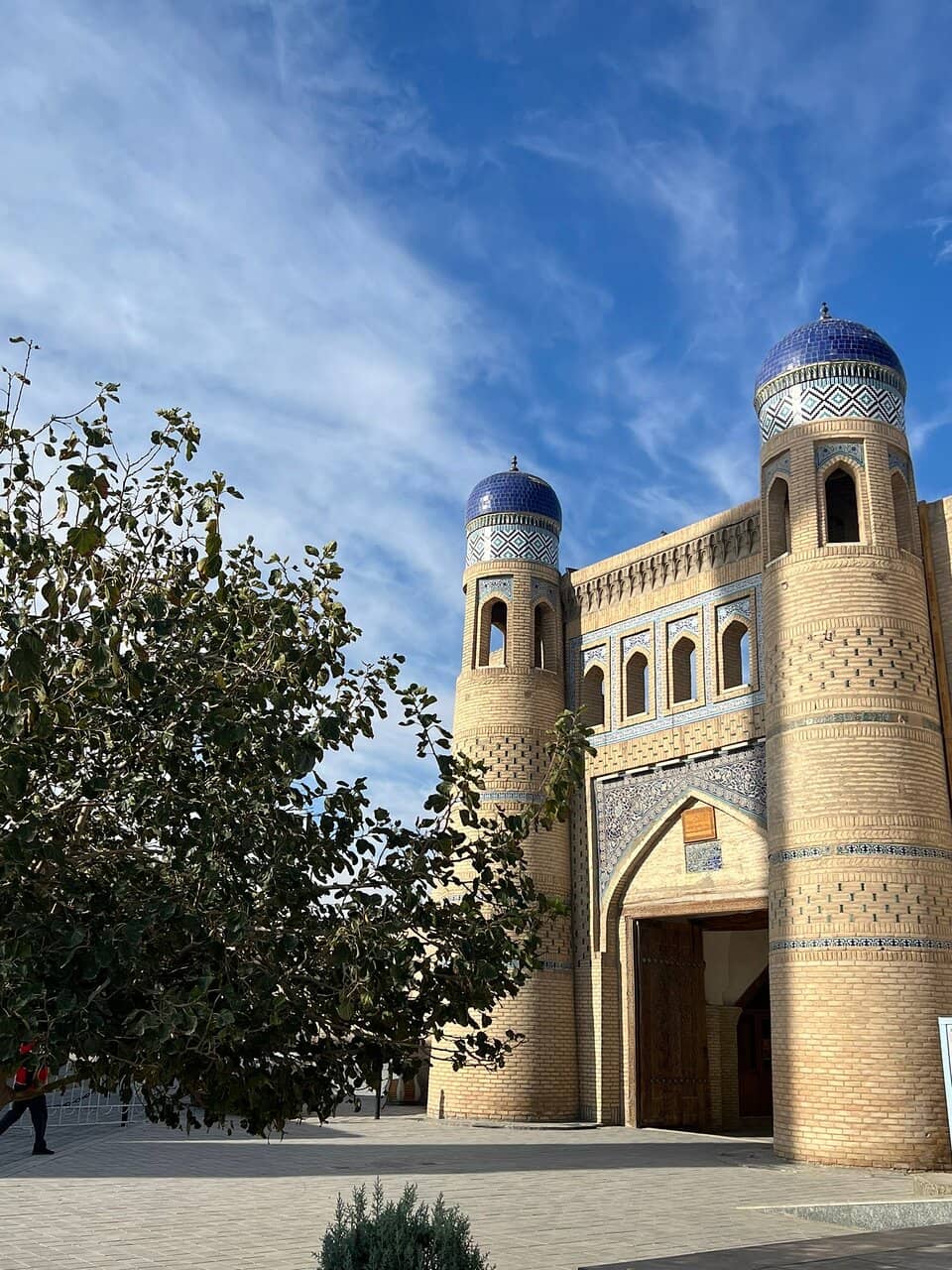
Itchan Kala's Inner City
Within the walls accessed by the East Gate
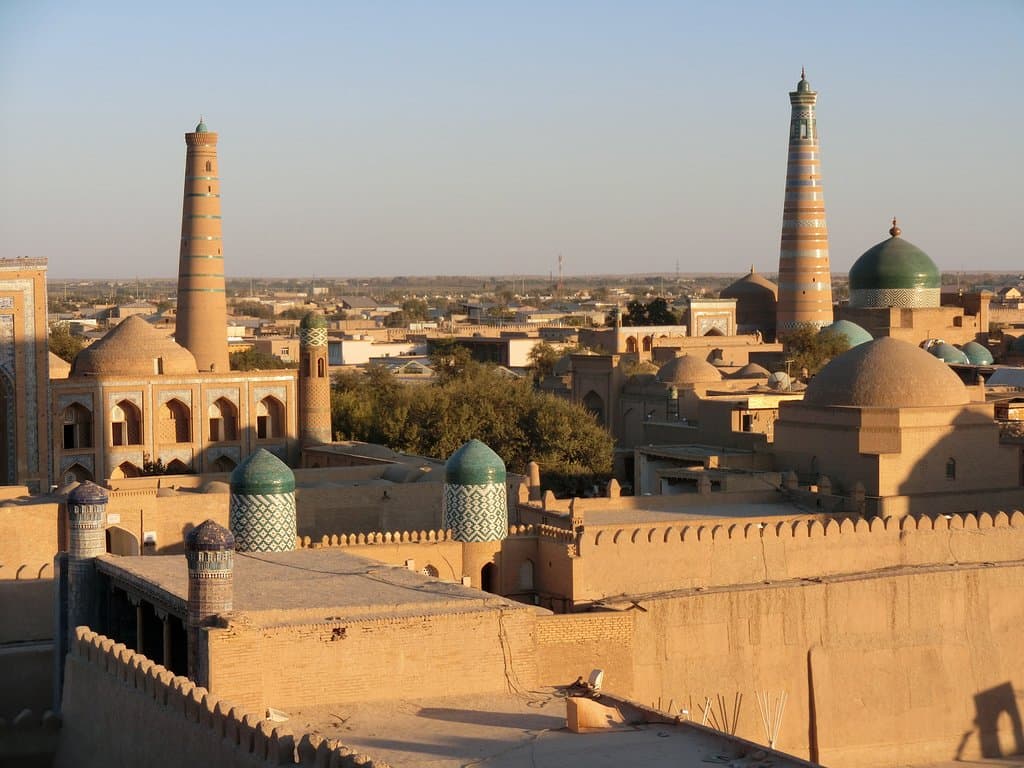
Step into a living museum of mudbrick palaces, turquoise minarets, and Islamic artistry.
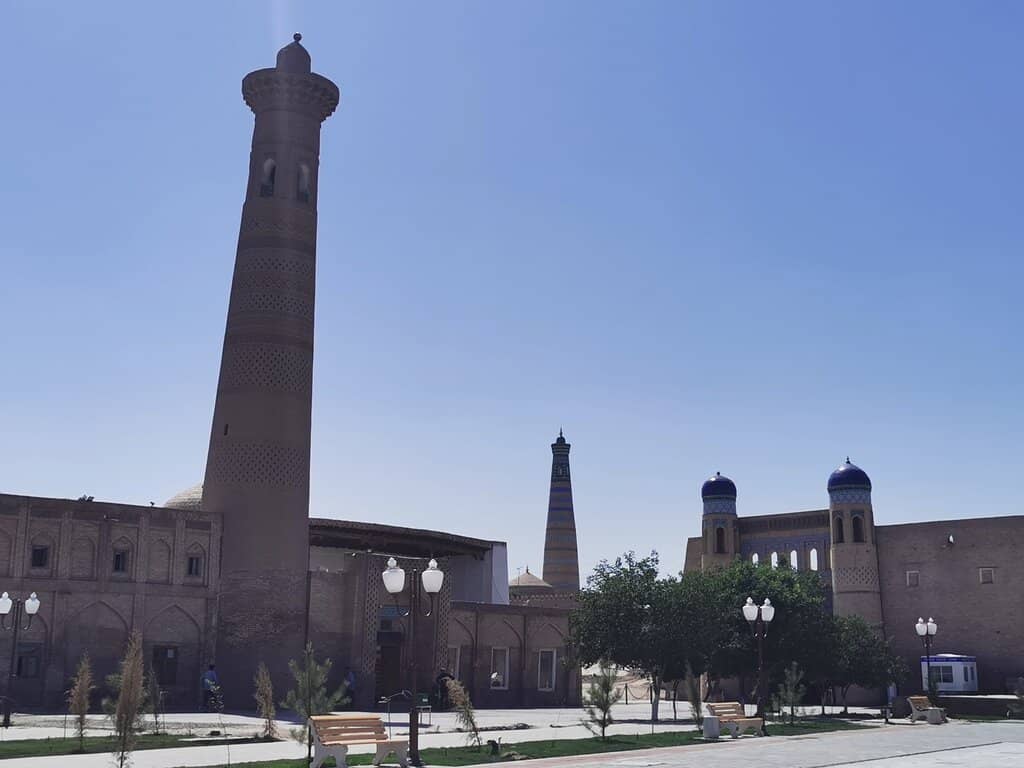
Echoes of the Slave Market
Near the East Gate exit
Discover the poignant history of the former slave bazaar, a stark reminder of Khiva's past.
Plans like a pro.
Thinks like you
Planning Your Visit
Understand Khiva's Complex Past
Navigate the Ancient City
Best Times
Insider Tips
from TikTok, Instagram & Reddit
🚶♀️ Explore on Foot
Itchan Kala is best explored by walking. Wear comfortable shoes to navigate the ancient streets and pathways. :athletic_shoe:
📸 Capture the Architecture
The intricate details of the gate and surrounding buildings are incredibly photogenic. Visit during golden hours for best light. :camerawithflash:
📚 Understand the History
Research Khiva's past, including its role in the slave trade, for a deeper appreciation of the site. 📚
Tips
from all over the internet
🚶♀️ Explore on Foot
Itchan Kala is best explored by walking. Wear comfortable shoes to navigate the ancient streets and pathways. :athletic_shoe:
📸 Capture the Architecture
The intricate details of the gate and surrounding buildings are incredibly photogenic. Visit during golden hours for best light. :camerawithflash:
📚 Understand the History
Research Khiva's past, including its role in the slave trade, for a deeper appreciation of the site. 📚
What Travellers Say
Reviews Summary
Visitors are captivated by the architectural grandeur and historical depth of Polvon Darvoza East Gate and Itchan Kala, often describing it as a journey back in time. The well-preserved medieval city offers a unique glimpse into Silk Road history. However, some note the historical context of the slave market is often downplayed, which can be a sobering realization for visitors.
"East Gate of Itchan Kala.
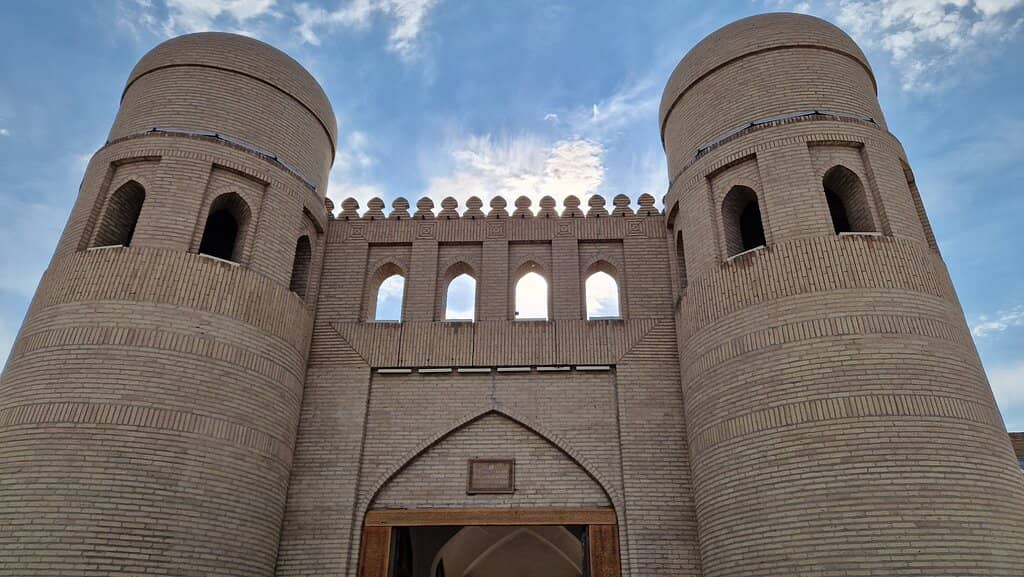
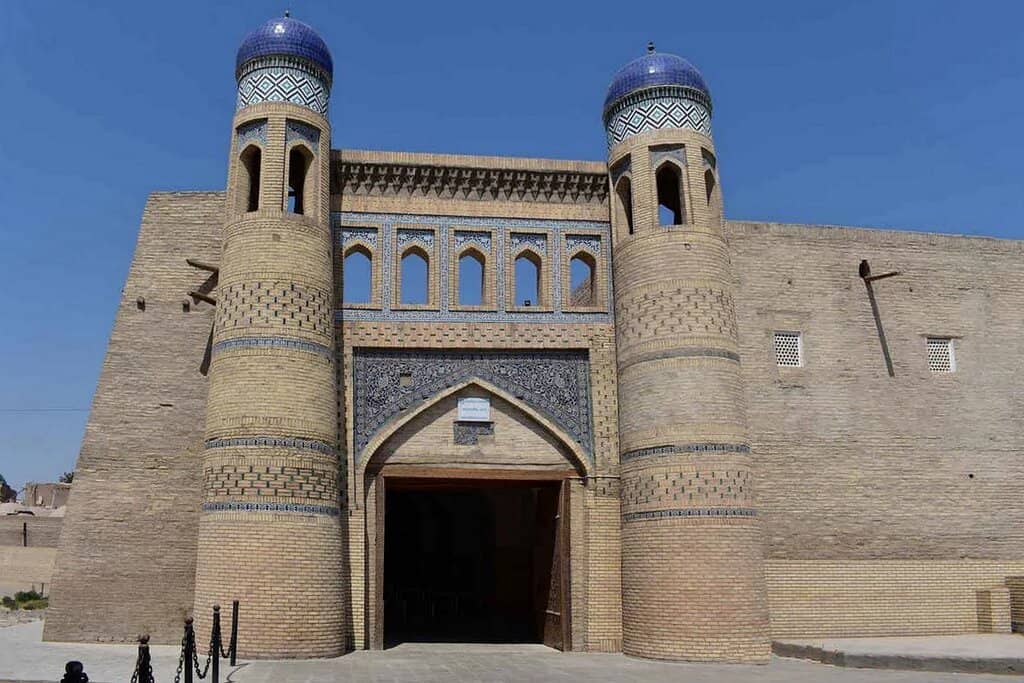
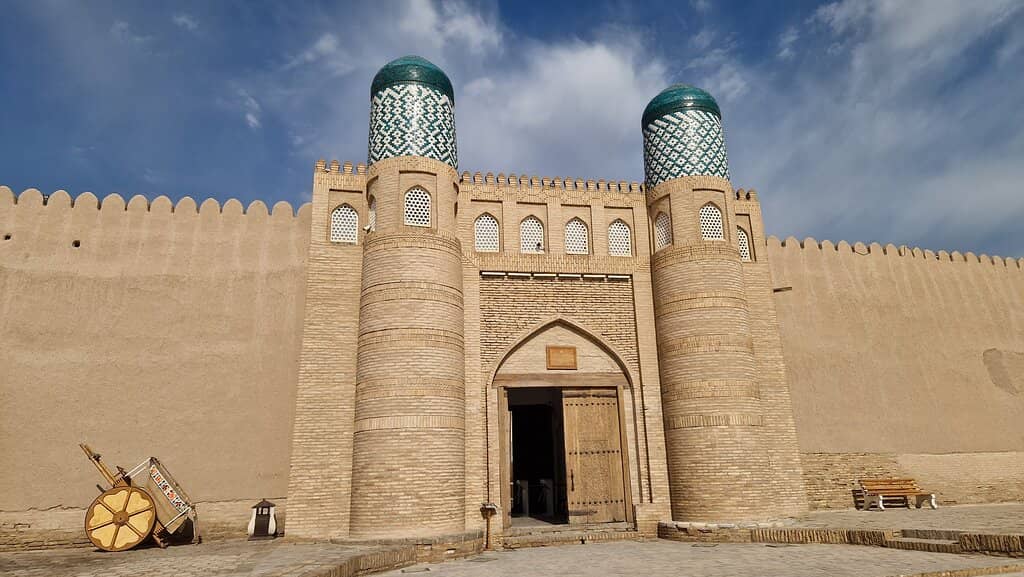
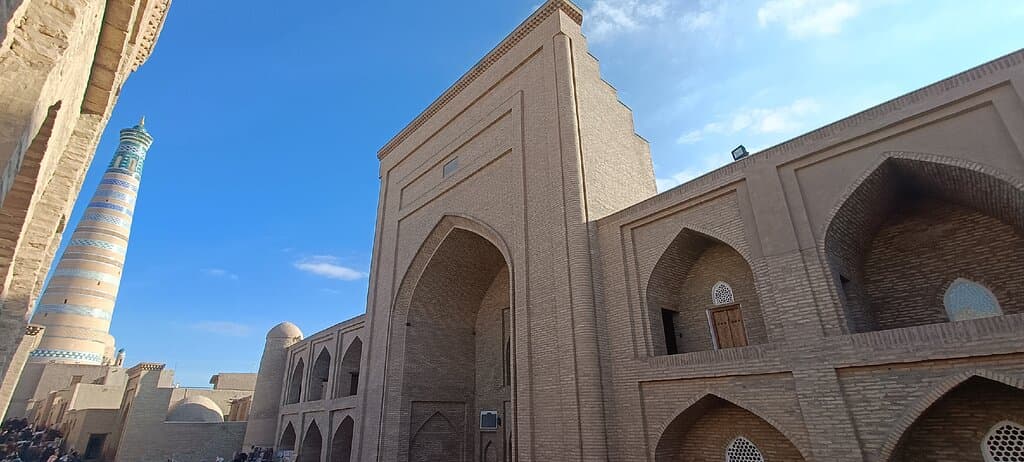
The East Gate of Itchan Kala, also known as Palvan Darvoza (“Gate of the Strongman”), is one of the principal entrances into Khiva’s majestic inner city — a UNESCO World Heritage Site rich with history, culture, and architecture. This gateway is more than a passage through ancient walls; it is a threshold into centuries of Silk Road legacy.
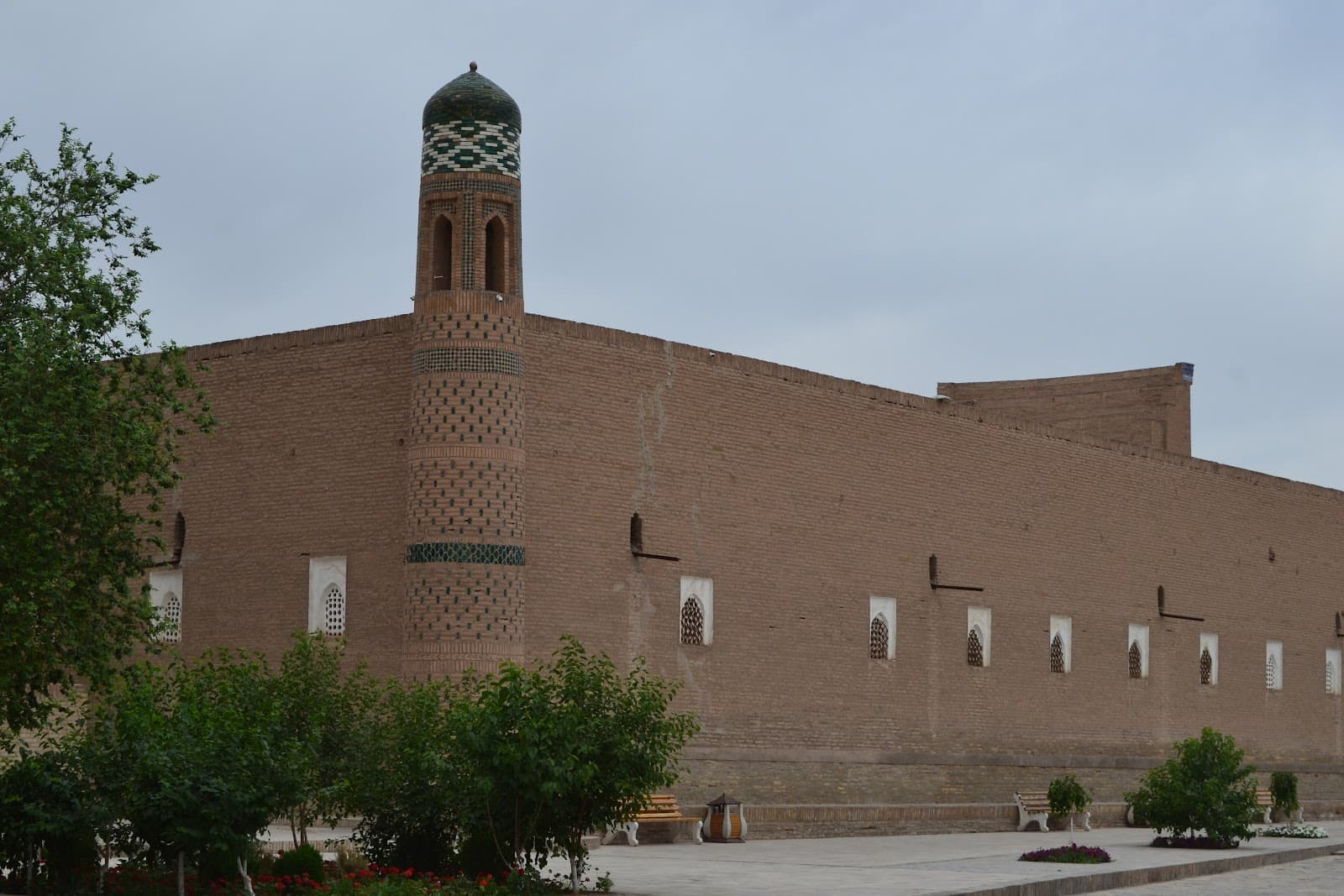
Originally constructed in the 19th century, the East Gate served as the main commercial entrance to Itchan Kala. Its strategic placement made it the busiest of all gates, welcoming traders, craftsmen, and caravans laden with goods from Central Asia, Persia, and beyond. The gate’s solid brick towers, arched ceilings, and decorative battlements embody the defensive and ceremonial architecture of the Khivan khanate.
Nearby, visitors can find historic caravanserais and bustling markets that once surrounded the gate — a reminder of Khiva’s vibrant mercantile life. The area also housed administrative buildings and even places of judgment, reinforcing the gate’s importance in both economic and civic life.
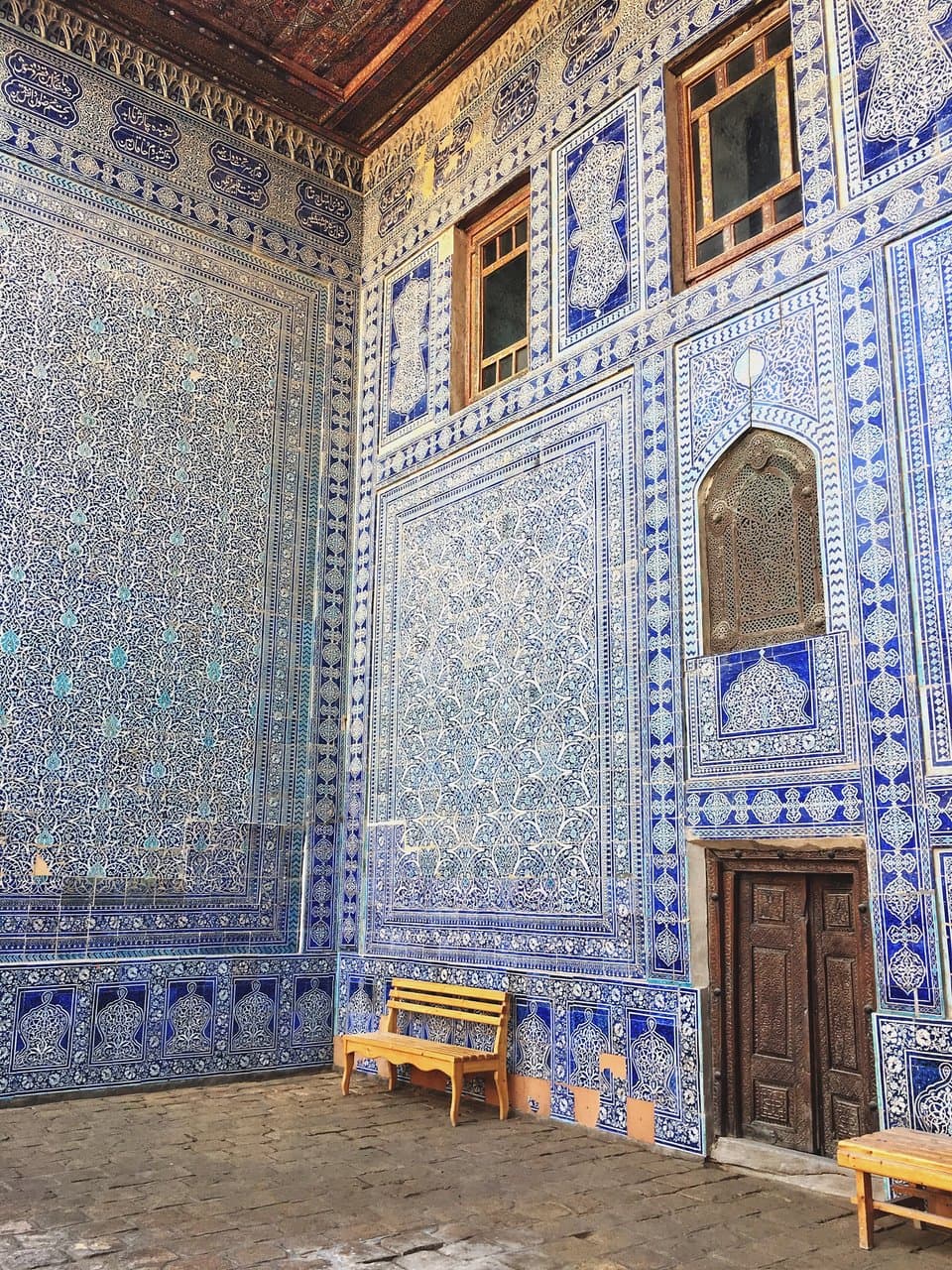
Today, entering through the East Gate is a symbolic experience — an invitation into a living museum of mudbrick palaces, turquoise minarets, and Islamic artistry. It marks the beginning of a journey into one of the most beautifully preserved cities on the ancient Silk Road."
Lefteris Stamatelatos
"Khiva got rich on the back of slave trade. It was built by slave labour. However, there’s no mention of that anywhere as you travel around.
This is the place of the former slave market."
Floyd Cooper
"Ichan Kala is an incredibly beautiful and unique historical site — a must-visit when in Uzbekistan."
David
What People Like
What People Dislike
Frequently Asked Questions
🚇 🗺️ Getting There
Polvon Darvoza East Gate is one of the main entrances to Itchan Kala, Khiva's inner walled city. If you are already in Khiva, you can easily walk to it. Taxis are readily available to take you to the vicinity of Itchan Kala if you are staying further away. 🚕
Yes, as one of the principal entrances, the East Gate is very prominent and easy to locate within Khiva. It's a key landmark for navigating the ancient city. :world_map:
Khiva is accessible by train from major Uzbek cities like Tashkent and Samarkand, though the journey can be long. Alternatively, you can fly to Urgench (the nearest airport) and then take a taxi or bus to Khiva, which is about a 30-40 minute ride. 🚂 ✈️
🎫 🎫 Tickets & Entry
Yes, to enter Itchan Kala, you will need to purchase an entry ticket. This ticket grants you access to the entire walled city and its many historical monuments. 🎟️
Tickets for Itchan Kala can typically be purchased at the main entrance gates, including the East Gate, or at designated ticket offices within the city. It's advisable to buy them upon arrival. 💳
Itchan Kala is generally accessible throughout the day, but specific monument opening hours may vary. The East Gate itself is an entry point and usually accessible during daylight hours. Check locally for precise timings of individual sites. :clock1:
Often, combined tickets are available that include entry to Itchan Kala and access to several key museums and monuments within the city. Inquire at the ticket office for the best value. :moneywithwings:
🎫 🧭 Onsite Experience
The East Gate itself is an impressive architectural piece. Beyond it lies Itchan Kala, a UNESCO site filled with mosques, madrasahs, minarets, and historical residences. You can also find remnants of the former slave market nearby. :camerawithflash:
Absolutely. It was a major commercial gateway in the 19th century and later the site of a slave bazaar. Its architecture reflects the defensive and ceremonial styles of the Khivan khanate. 📜
Comfortable walking shoes are essential for exploring Itchan Kala. Modest clothing is recommended out of respect for the local culture, especially when visiting religious sites. :sneakers: :woman_clothes:
Photography is generally allowed in Itchan Kala, but some interior museum exhibits might have restrictions. Always look for signage or ask permission before photographing people. :iphone:
Yes, local guides can often be hired at the entrance to Itchan Kala. They can provide in-depth historical context and point out significant details you might otherwise miss. :guide_dog:
🍽️ 🍽️ Food & Dining
Yes, within Itchan Kala and just outside the East Gate, you'll find numerous cafes and restaurants offering traditional Uzbek cuisine. Enjoy local dishes like Plov and Shashlik. 🍴
Khiva's cuisine is rich with flavors of Central Asia. Expect hearty dishes featuring lamb, beef, rice, and fresh vegetables. Don't miss trying local specialties. :foodie:
📸 📸 Photography
The main facade of the gate, the arched passageway, and the surrounding ancient walls offer great photo opportunities. Capture the scale and intricate brickwork. 📷
Early morning and late afternoon provide the best light for photography, with softer shadows and warmer tones. This also helps avoid the midday sun and larger crowds. 🌅 :city_sunset:
Generally, photography is permitted in public areas. However, always be respectful and avoid intrusive photography, especially of people or inside religious sites where it might be prohibited. :noentrysign:

Social
from TikTok, Instagram & Reddit