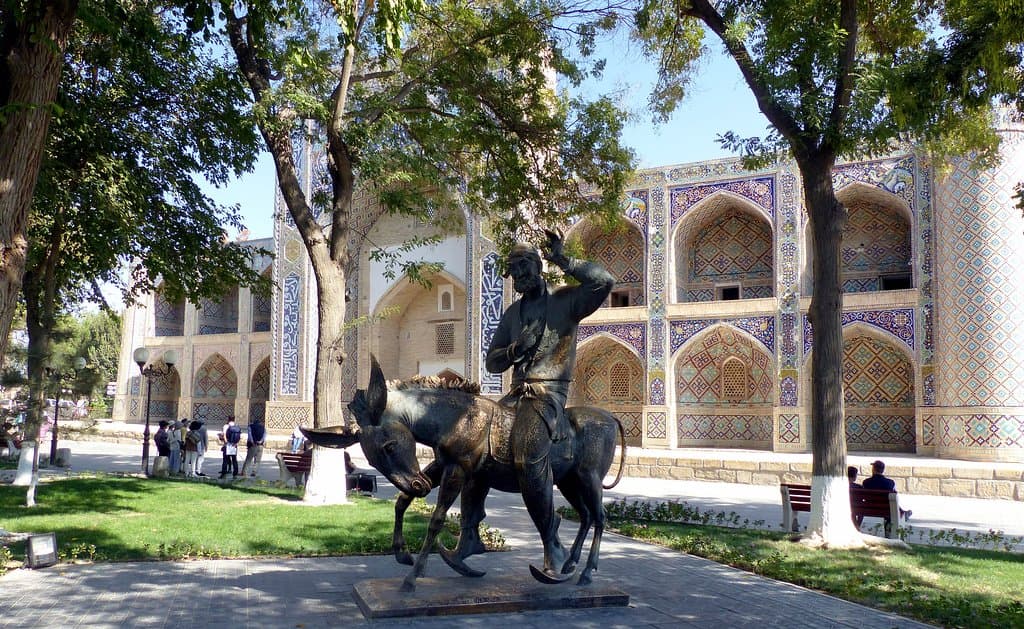
Nasreddin Hodja Monument
A beloved bronze statue of the witty folk hero Nasreddin Hodja and his donkey, embodying wisdom and humor in Bukhara's historic heart.
Highlights
Must-see attractions

Social
From TikTok & Reddit
Best Time
Golden hour light for photos
Nasreddin Hodja Monument
Best Time
Golden hour light for photos
Highlights
Must-see attractions
A beloved bronze statue of the witty folk hero Nasreddin Hodja and his donkey, embodying wisdom and humor in Bukhara's historic heart.
"Charming, whimsical, and beloved by locals and visitors alike. A fun and culturally rich photo spot."
Know the Stories!
Learn a few Nasreddin Hodja tales beforehand to truly appreciate the statue's humor and wisdom.
Perfect Photo Spot
The statue is a must-photograph landmark. Get creative with angles and poses!
Highlights
Discover the most iconic attractions and experiences
Nasreddin Hodja and His Donkey
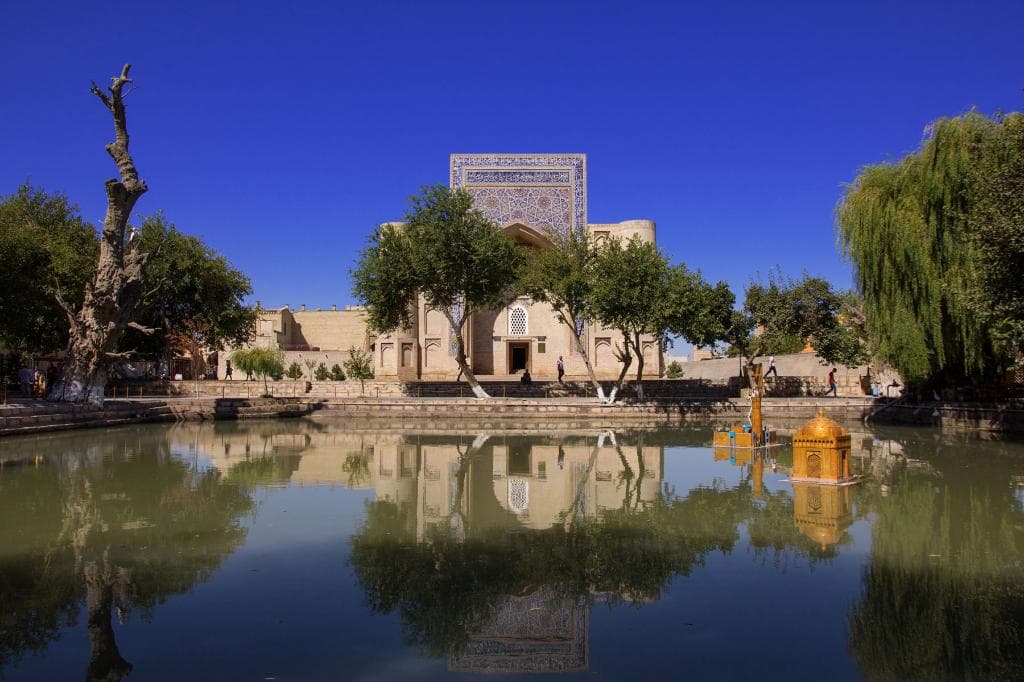
Near Lyabi-Khauz Ensemble, Bukhara
Iconic bronze statue of the witty folk hero on his famously stubborn donkey. A symbol of wisdom and humor.
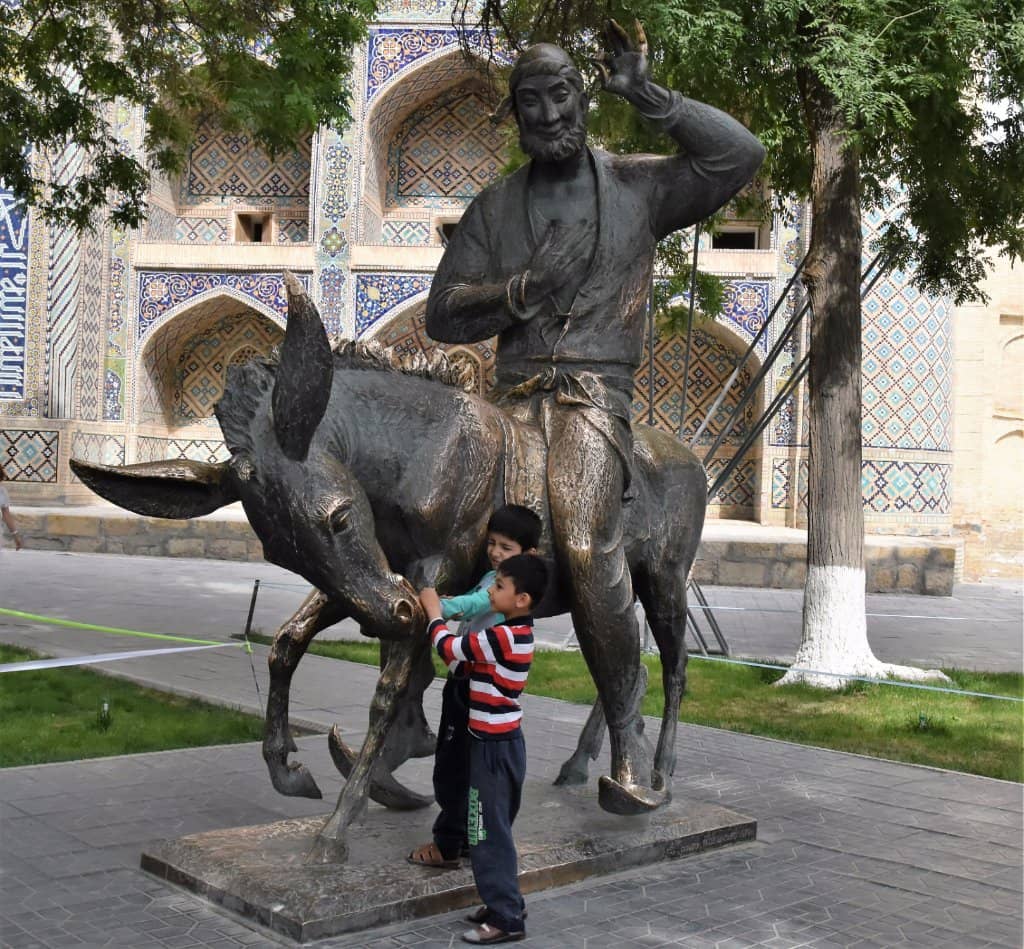
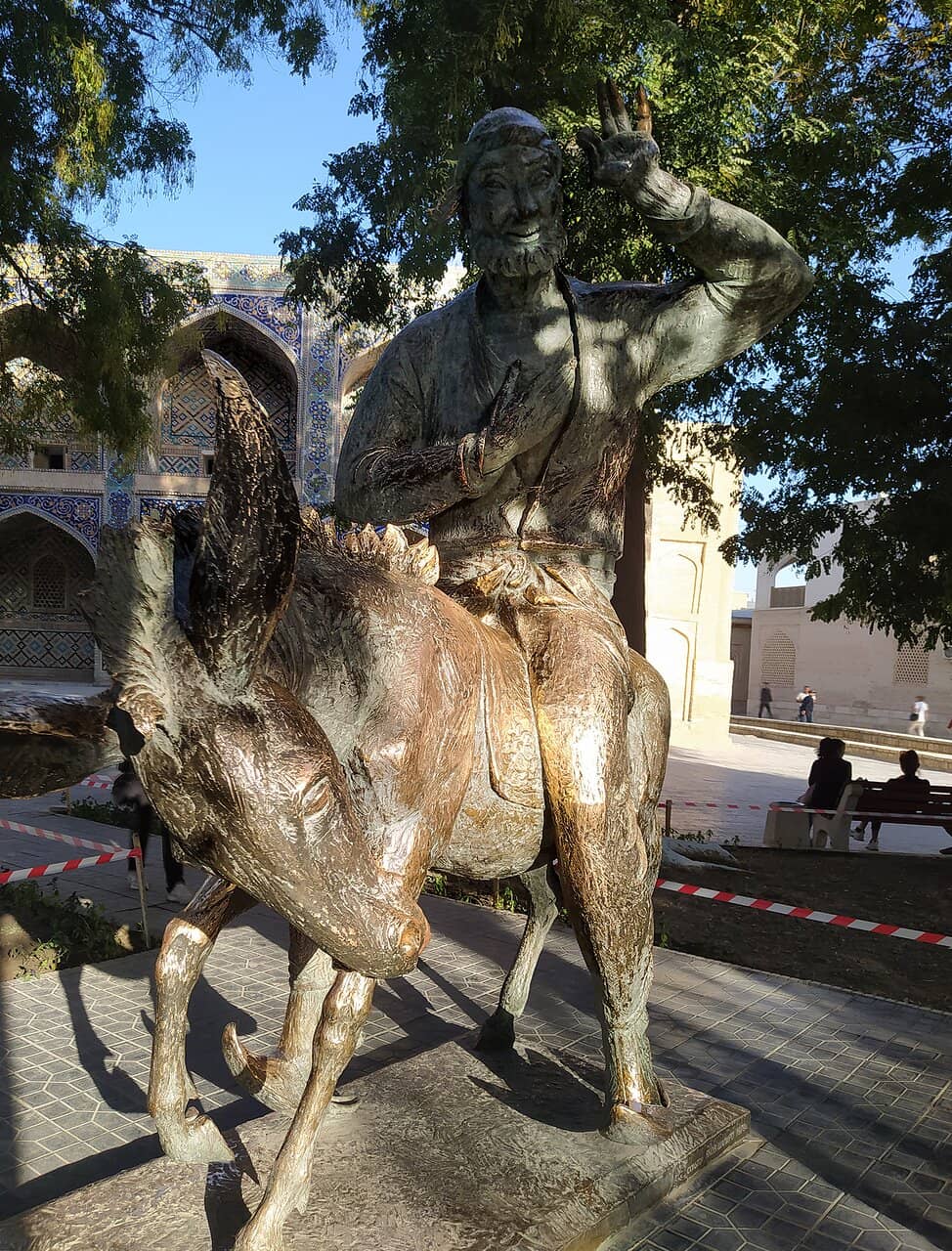
The Mischievous Smile
The statue's face
Capture the playful expression that embodies Nasreddin's clever and humorous spirit. A true character study.
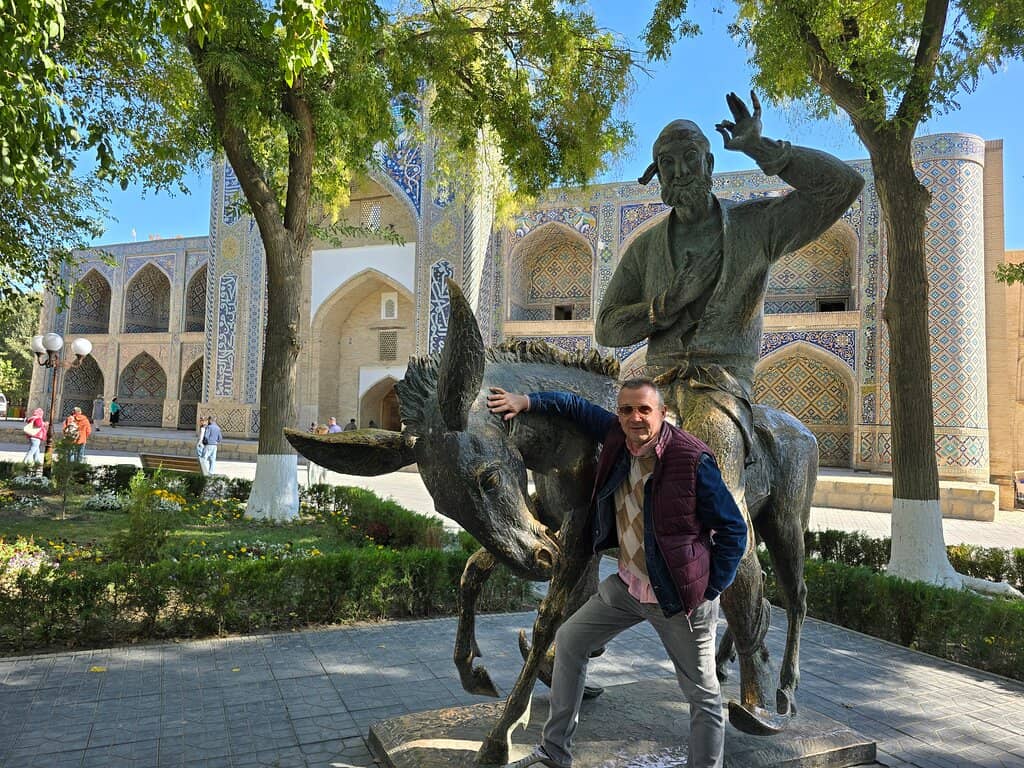
Friendly Greeting Pose
The statue's raised hand
The statue's welcoming gesture adds a warm, approachable feel to this cultural landmark.
Plans like a pro.
Thinks like you
Planning Your Visit
Embrace the Whimsy
Photo Opportunities Abound
Best Times
Insider Tips
from TikTok, Instagram & Reddit
Know the Stories!
Learn a few Nasreddin Hodja tales beforehand to truly appreciate the statue's humor and wisdom.
Perfect Photo Spot
The statue is a must-photograph landmark. Get creative with angles and poses!
Cultural Icon
This monument represents a significant folk hero in Central Asian culture.
Donkey's Stubborn Charm
Don't miss the humor in the donkey's pose – it's a key part of the legend!
Tips
from all over the internet
Know the Stories!
Learn a few Nasreddin Hodja tales beforehand to truly appreciate the statue's humor and wisdom.
Perfect Photo Spot
The statue is a must-photograph landmark. Get creative with angles and poses!
Cultural Icon
This monument represents a significant folk hero in Central Asian culture.
Donkey's Stubborn Charm
Don't miss the humor in the donkey's pose – it's a key part of the legend!
What Travellers Say
Reviews Summary
Visitors find the Nasreddin Hodja Monument a charming and culturally significant landmark in Bukhara. Its whimsical depiction of the beloved folk hero and his donkey makes it a delightful photo opportunity and a pleasant spot to reflect on local folklore. It's a universally appreciated stop for its humor and cultural richness.
"A lovely park with the Khodja Nasreddin statue at its heart. It’s a peaceful place to relax, stroll around, and enjoy the shade of the trees. The statue itself is fun and full of character—great for photos and a nice spot to learn a bit about local culture. Families, couples, and tourists will all find it a pleasant stop while exploring Bukhara."
vermaiine
"This is a great statue, if you know who he is. I grew up hearing stories that led to endless laughter and eye opening moments to think outside the box.
This statue marks the great man (or myth / character) and the even greater donkey."
Taniyyus Syed
"Khoja Nasreddin Effendi Monument.
Located near the Lyabi-Khauz Ensemble in the heart of Bukhara, the bronze monument to Khoja Nasreddin is one of the city's most beloved and photographed landmarks. Unveiled in 1979 and created by sculptor Yakov Shapiro, the statue brings a playful spirit to the historical surroundings.
Khoja Nasreddin is a legendary folk character known throughout Central Asia, the Middle East, and beyond. He is celebrated for his sharp wit, wisdom, and humor, often exposing the flaws of greedy rulers, hypocrites, and fools through clever tales. Both naïve and wise, foolish and profound, Nasreddin represents the spirit of the common people, always finding creative solutions to life’s problems.
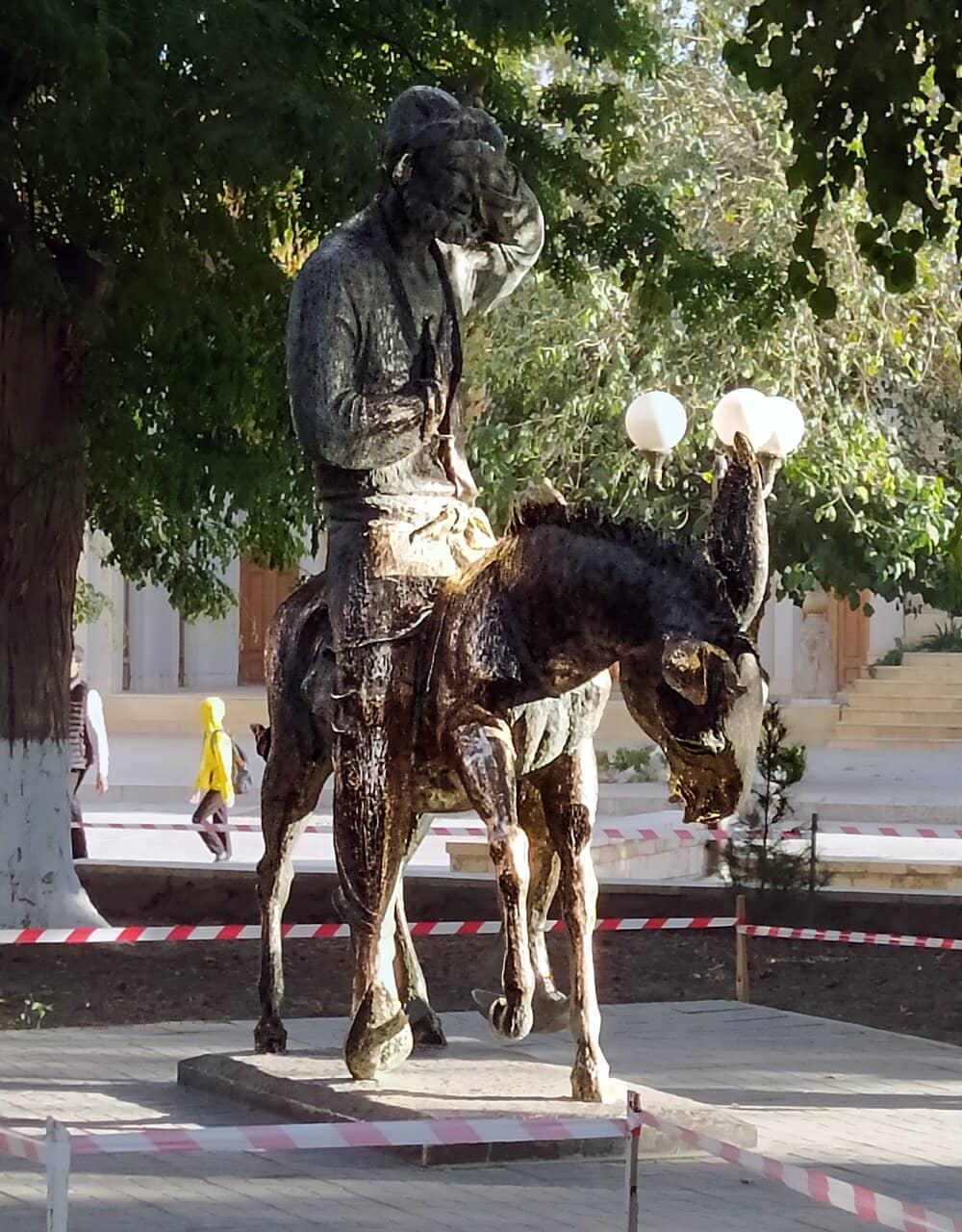
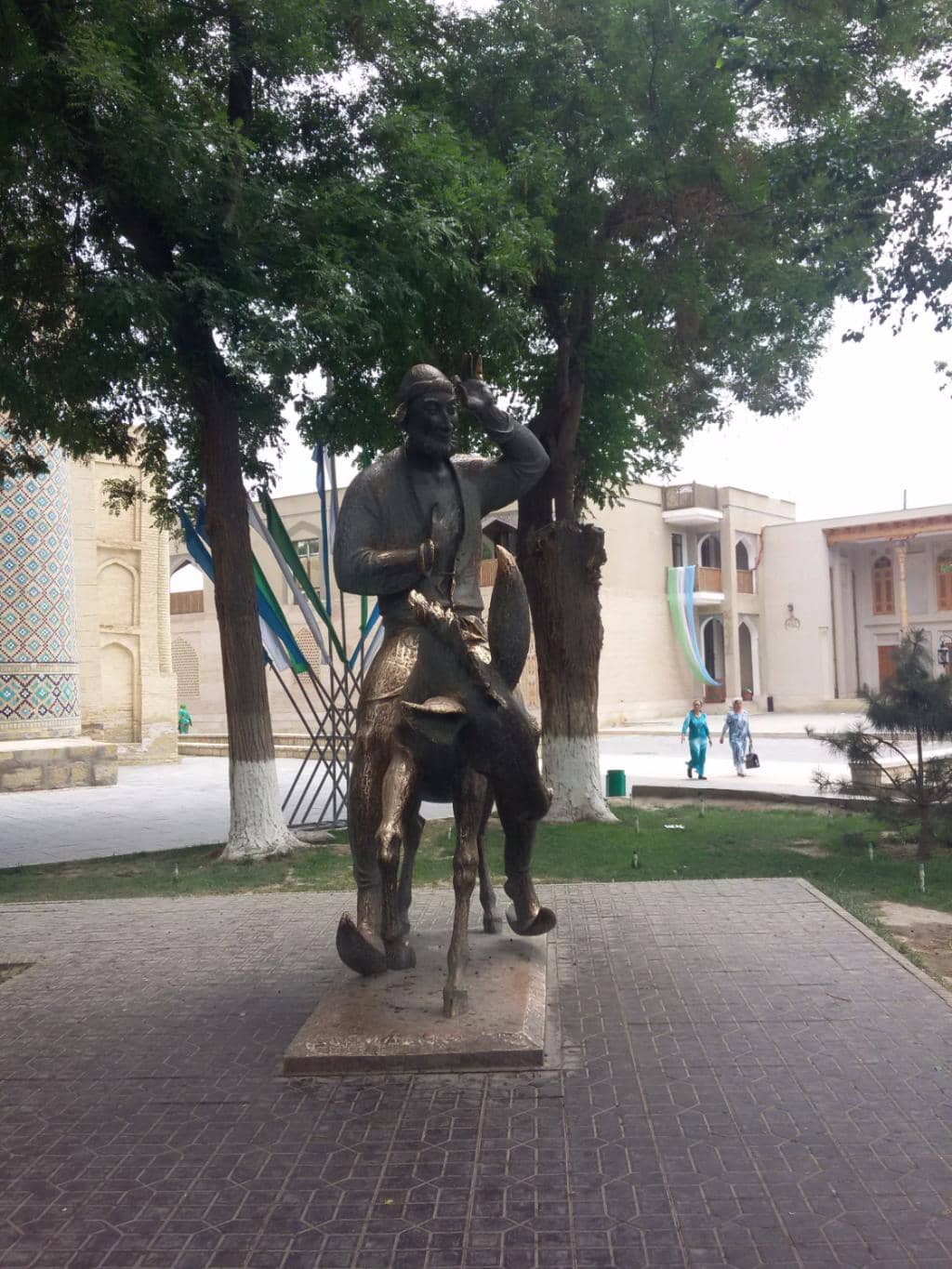
The sculpture captures him in a joyful pose, riding his loyal donkey, a constant companion in his stories. He is dressed in traditional attire, with a skullcap, curled-toe shoes, and a mischievous smile on his face. His raised left hand offers a friendly greeting, while the donkey—reins tossed casually over its back—refuses to budge, adding a touch of humor that reflects Nasreddin's quirky charm.
In Uzbekistan, Nasreddin is considered a folk hero and has become a true national symbol, especially after Soviet writer Leonid Solovyov popularized him through his novels."
Lefteris Stamatelatos
What People Like
What People Dislike
Frequently Asked Questions
🚇 🗺️ Getting There
The monument is conveniently located near the Lyabi-Khauz Ensemble in the historic heart of Bukhara. It's easily accessible on foot if you're exploring the main tourist sites. Taxis are also readily available to take you to the Lyabi-Khauz area.
Yes, it's a very popular and well-known landmark. Just ask for the Lyabi-Khauz area, and you'll likely be directed straight to it. It's a central point for many visitors.
Walking is the best way to soak in the atmosphere of the historic center. The monument is surrounded by other attractions like madrasahs and pools, making it a great starting point for a walking tour.
🎫 🎫 Tickets & Entry
No, the monument is an outdoor public sculpture and can be viewed and photographed freely without any admission fee. It's part of the charm of exploring Bukhara's historic streets.
As it's an outdoor monument, it's accessible 24/7. However, it's best visited during daylight hours for optimal viewing and photography.
To avoid the busiest times, try visiting early in the morning or later in the afternoon. This will give you a more peaceful experience and better photo opportunities.
📸 📸 Photography
Experiment with different perspectives! Try capturing the full statue with the donkey, focus on Nasreddin's expressive face, or include the surrounding historic architecture in your shots.
Absolutely! Many visitors enjoy posing with the monument, mimicking Nasreddin's gestures or interacting playfully with the scene. It's a fun way to engage with the cultural icon.
The 'golden hours' around sunrise and sunset offer beautiful lighting that can enhance your photos. Midday sun can be harsh, but still workable if you're strategic.
🎫 🤔 Cultural Significance
Nasreddin Hodja is a legendary folk character celebrated across Central Asia and the Middle East for his sharp wit, wisdom, and humor. He's known for his clever tales that often expose societal flaws with a positive, insightful tone.
The statue represents the spirit of the common people, embodying wisdom, humor, and resourcefulness. It's a national symbol in Uzbekistan, popularized by literature.
The donkey is a constant companion in his stories, often adding to the humor and illustrating Nasreddin's quirky charm and sometimes unconventional methods.
For Different Travelers
Tailored advice for your travel style
👨👩👧 Families with Kids
Since it's an outdoor monument near the Lyabi-Khauz Ensemble, families can easily combine a visit with exploring the surrounding historic area. There's plenty of space to wander, and the monument itself is a great conversation starter about different cultures and humor. Remember to bring your camera for some memorable family snapshots!
📸 Photographers
Consider capturing the full scene, focusing on Nasreddin's face, or framing the statue with the backdrop of Bukhara's historic architecture. Posing with the statue is also a popular trend, adding a personal touch to your travel photography. The monument's central location makes it easily accessible for multiple visits to catch the best light.
Deep Dives
In-depth insights and expert knowledge
The Legend of Nasreddin Hodja
His stories are characterized by a blend of naivete and profound insight, foolishness and deep wisdom. This duality makes him relatable and enduring. The Soviet writer Leonid Solovyov played a significant role in popularizing Nasreddin Hodja in Uzbekistan through his novels, cementing his status as a national symbol.
The monument itself captures this essence perfectly. Sculpted by Yakov Shapiro and unveiled in 1979, it depicts Nasreddin in a joyful pose, riding his ever-present donkey. The statue's playful demeanor, with a friendly greeting and the donkey's characteristic stubbornness, invites visitors to engage with the character's whimsical nature.
Understanding the Monument's Design
The pose is deliberate: Nasreddin offers a friendly greeting with his raised left hand, his face etched with a mischievous smile that hints at his witty nature. Meanwhile, the donkey, reins casually draped over its back, refuses to move, a classic element from Nasreddin's anecdotes that highlights the humor and the often-unconventional solutions he employed. This dynamic between man and beast is central to the statue's charm.
Visitors often find themselves drawn to the details – the traditional attire, the curled-toe shoes, and the overall lively composition. It’s a piece that encourages interaction, with many people posing for photos alongside the iconic duo, further bringing the legend to life.
Social
from TikTok, Instagram & Reddit