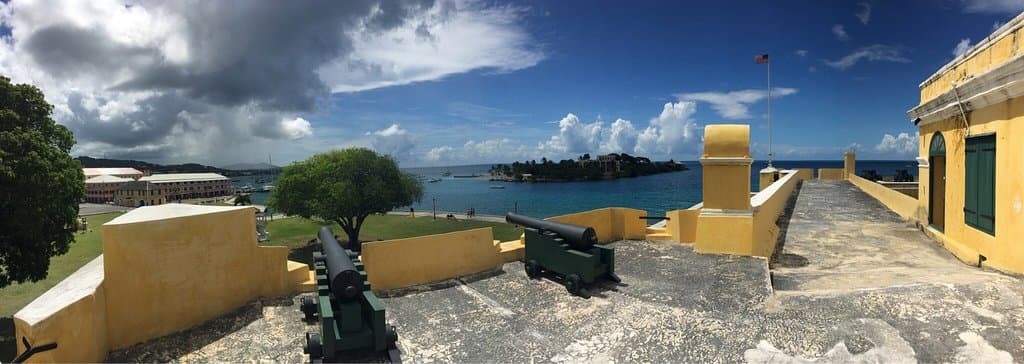
Danish West India and Guinea Company Warehouse - a large building surrounded by trees and a tennis court
1 / 10

Danish West India and Guinea Company Warehouse

4.6
·491k reviews·Christiansted, U.S. Virgin Islands

A robust stone testament to colonial trade, this historic warehouse offers a tangible connection to the Danish West Indies' past.

Highlights

Highlights

Must-see attractions

Social content

Social

From TikTok & Reddit

Best Time

Weekday mornings

Fewer crowds, peaceful exploration

CrowdLow
Loading map...
Danish West India and Guinea Company Warehouse - a large building surrounded by trees and a tennis court

Danish West India and Guinea Company Warehouse

Best Time

Weekday mornings

Fewer crowds, peaceful exploration

CrowdLow
Highlights

Highlights

Must-see attractions

A robust stone testament to colonial trade, this historic warehouse offers a tangible connection to the Danish West Indies' past.

4.6
(491k reviews)

"A solid piece of history, offering a glimpse into the bustling trade of the Danish colonial era."

Vertical photo
TIP

Wear Comfortable Shoes

Cobblestone paths and uneven floors are common. :athletic_shoe: Explore with ease!

Check Local Events

Sometimes historical reenactments or special exhibits are held here. :calendar:

Third hero image

Highlights

Discover the most iconic attractions and experiences

Historic Architecture

Historic Architecture

Admire the robust stone structure, a testament to colonial-era trade and architecture.

Colonial History

Colonial History

Imagine the bustling trade of goods and the stories held within these ancient walls.

Your AI travel agent

Plans like a pro.
Thinks like you

Start Chatting

Planning Your Visit

Plan Your Visit

The Danish West India and Guinea Company Warehouse is a historic site. Check opening hours and any potential tour availability in advance to make the most of your visit. Consider the weather as much of the experience is outdoors.

Getting Around

This warehouse is located in a historic area. Comfortable walking shoes are recommended for exploring the surrounding cobblestone streets and the warehouse itself. Parking might be limited, so consider public transport or walking if staying nearby.

Best Times

When
Weekday mornings
Why
Fewer crowds, peaceful exploration
Crowd
Low
When
Late afternoon
Why
Golden hour light on stone
Crowd
Medium

Insider Tips

from TikTok, Instagram & Reddit

Wear Comfortable Shoes

Cobblestone paths and uneven floors are common. :athletic_shoe: Explore with ease!

Check Local Events

Sometimes historical reenactments or special exhibits are held here. :calendar:

Bring a Camera

Capture the unique textures and historical ambiance of the warehouse. :camerawithflash:

No content available

Tips

from all over the internet

Wear Comfortable Shoes

Cobblestone paths and uneven floors are common. :athletic_shoe: Explore with ease!

Check Local Events

Sometimes historical reenactments or special exhibits are held here. :calendar:

Bring a Camera

Capture the unique textures and historical ambiance of the warehouse. :camerawithflash:

What Travellers Say

4.6
(491k reviews)

Reviews Summary

Visitors often appreciate the historical significance and robust architecture of the Danish West India and Guinea Company Warehouse, seeing it as a tangible link to the past. Its presence in historic districts adds to the charm of exploring colonial heritage. Some visitors note that access to the interior may be limited, and information about its specific historical context could be more readily available.

What People Like

Historic architecture
Tangible history
Colonial significance

What People Dislike

Limited interior access
Information availability

Frequently Asked Questions

🚇 🗺️ Getting There

The warehouse is typically located in a historic town center. If you're in Charlotte Amalie, St. Thomas, it's often accessible by walking from cruise ship ports or downtown areas. Public buses are also an option for reaching the historic district.

Parking can be challenging in historic districts. Look for designated public parking lots or garages nearby. Arriving early or using public transport is often recommended.

🎫 🎫 Tickets & Entry

Entry to the exterior and grounds of many historic warehouses is often free. However, if there are specific exhibitions or guided tours inside, there might be an admission fee. It's best to check with local tourism boards or the site itself.

Opening hours can vary, especially for the interior if it's accessible. Generally, historic sites are open during daylight hours on weekdays. Always confirm current hours before your visit.

🎫 🧭 Onsite Experience

You can explore the impressive stone architecture, learn about its history as a hub for trade during the Danish colonial period, and imagine the goods that were once stored here. The surrounding area often offers a glimpse into colonial town planning.

Historic sites can present challenges. While the exterior might be accessible, uneven ground and stairs inside could be an issue. It's advisable to contact the site directly for specific accessibility information.

Photography is usually permitted for personal use, but check for any restrictions, especially if there are ongoing exhibits or if it's a private tour. :camerawithflash:

🍽️ 🍽️ Food & Dining

Typically, historic warehouses are preserved structures and do not house dining facilities. However, the surrounding historic districts usually have numerous restaurants, cafes, and bars offering local and international cuisine.

📸 📸 Photography

Early morning or late afternoon offers the best natural light for photography, creating dramatic shadows and highlighting the stone textures. Golden hour can be particularly stunning. :camerawithflash:

Expect to capture the robust, weathered stone architecture, details of the construction, and the overall historical atmosphere. It's a great spot for architectural and historical photography.


For Different Travelers

Tailored advice for your travel style

👨‍👩‍👧 Families with Kids

Visiting the Danish West India and Guinea Company Warehouse can be an engaging history lesson for families. Encourage kids to imagine the types of goods that were stored here – perhaps spices, textiles, or even historical artifacts. The solid stone structure itself can spark curiosity about how it was built and what it was used for.

While the site might not have dedicated play areas, the surrounding historic districts often offer open spaces for children to explore. Make it a scavenger hunt to find interesting architectural details or imagine the ships that would have docked nearby. Comfortable shoes are a must for little explorers navigating potentially uneven terrain.

🏛️ History Buffs

For history enthusiasts, the Danish West India and Guinea Company Warehouse is a must-see. This site offers a direct link to the transatlantic trade routes and the economic engine of Danish colonialism. Delve into the history of the Danish West India and Guinea Company itself, understanding its role in shaping the region's past.

Consider researching the specific goods that were traded through this warehouse – sugar, rum, and other commodities. Look for any available historical markers or information panels that provide deeper context. Visiting this site is an opportunity to connect with the tangible remnants of a significant historical period.

Deep Dives

In-depth insights and expert knowledge

A Glimpse into Colonial Trade

The Danish West India and Guinea Company Warehouse stands as a silent witness to a pivotal era of global commerce. Built during the height of Danish colonial influence, these structures were vital for storing and managing goods traded across the Atlantic. Imagine the hustle and bustle as ships docked, unloading valuable commodities like sugar, rum, and spices, and loading manufactured goods in return. The sheer scale and robust construction of these warehouses underscore the economic importance of the Danish West Indies to the empire.

These buildings weren't just storage; they were symbols of power and wealth. The Danish West India and Guinea Company held a monopoly on trade, and its warehouses were the physical manifestation of that control. Exploring these sites offers a tangible connection to the complex history of trade, colonialism, and the lives of those who worked within these walls, from merchants to laborers. It’s a chance to step back in time and appreciate the architectural ingenuity of the period.

For visitors, understanding the context of the warehouse enhances the experience. It’s more than just old stones; it’s a narrative of economic ambition, global connections, and the enduring legacy of colonial enterprise. Consider looking for interpretive signs or local guides who can bring the history of the Danish West India and Guinea Company Warehouse to life.

Architectural Significance

The Danish West India and Guinea Company Warehouse is a prime example of colonial-era utilitarian architecture, designed for durability and function. Constructed from sturdy local stone, these buildings were built to withstand tropical weather and the test of time. Their thick walls and robust foundations speak to the practical needs of storing valuable cargo securely.

Observe the architectural details: the arched doorways, the sturdy timber beams (if visible), and the overall massing of the structure. These elements are characteristic of buildings designed for resilience and longevity in a challenging climate. The simplicity of their design often belies the complex logistical operations they facilitated. Appreciating the craftsmanship involved in their construction offers a deeper understanding of the resources and labor available during the colonial period.

When visiting, pay attention to how the warehouse integrates with its surroundings. Often, these warehouses were strategically located near ports or in the heart of colonial towns, reflecting the economic and social fabric of the time. The enduring presence of these structures is a testament to their solid construction and historical importance.

You may also like