
Pelican Island National Wildlife Refuge
America's first National Wildlife Refuge, protecting diverse bird habitats with scenic trails and historical significance.
Highlights
Must-see attractions

Social
From TikTok & Reddit
Best Time
Best wildlife activity
Pelican Island National Wildlife Refuge
Best Time
Best wildlife activity
Highlights
Must-see attractions
America's first National Wildlife Refuge, protecting diverse bird habitats with scenic trails and historical significance.
"A beautiful place where you learn a lot during your short visit."
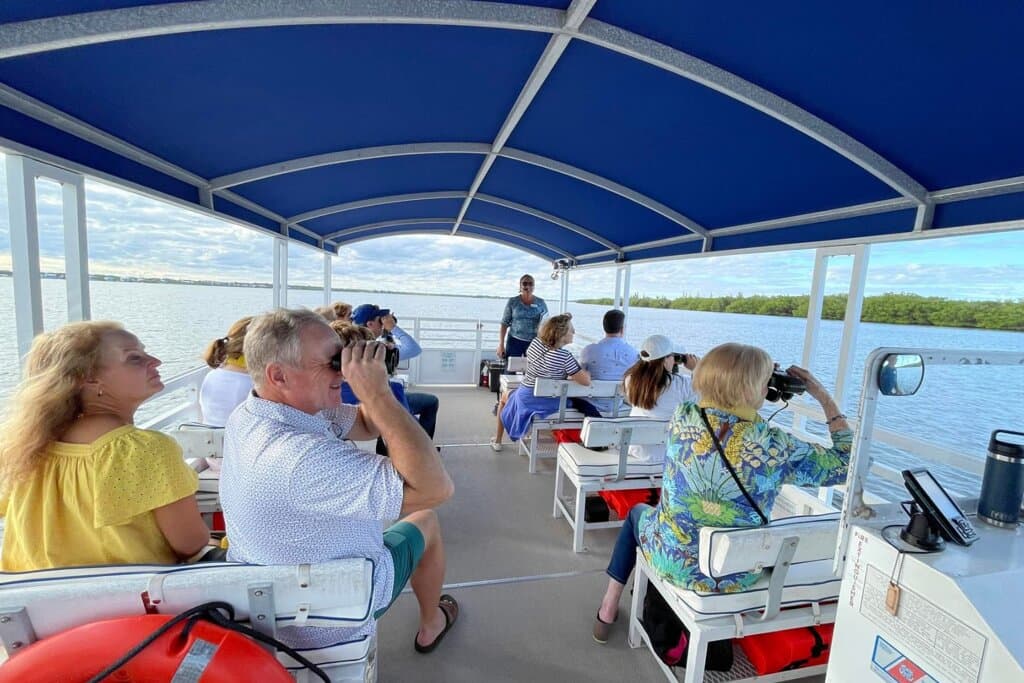
Binoculars are a must! :binoculars:
Enhance your wildlife viewing experience; essential for spotting distant birds and animals.
Wear comfortable shoes :athletic_shoe:
Trails are generally flat but can be sandy or uneven in places.
Quick Facts
Rating
4.6 · 688 reviews
Type
Nature Preserve
Highlights
Discover the most iconic attractions and experiences
Centennial Trail
Main Refuge Area
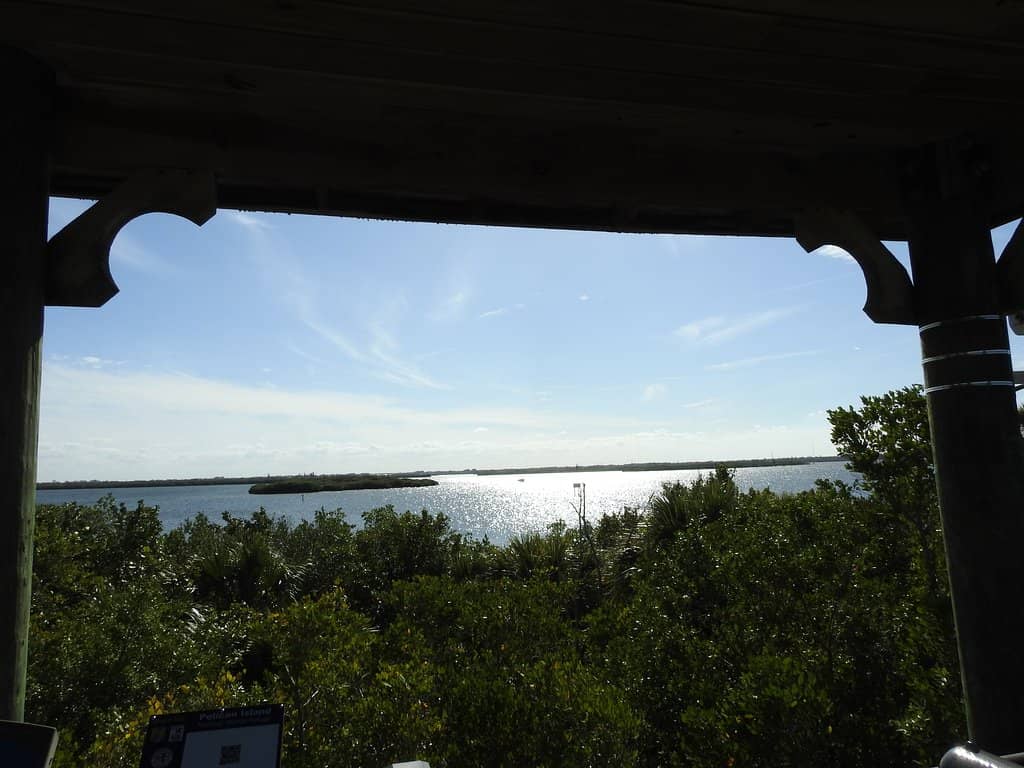
A unique boardwalk trail celebrating the history of U.S. wildlife refuges, ending at an observation tower.

Wildlife Observation Tower
End of Centennial Trail
Offers panoramic views of the refuge and excellent opportunities for birdwatching and photography.
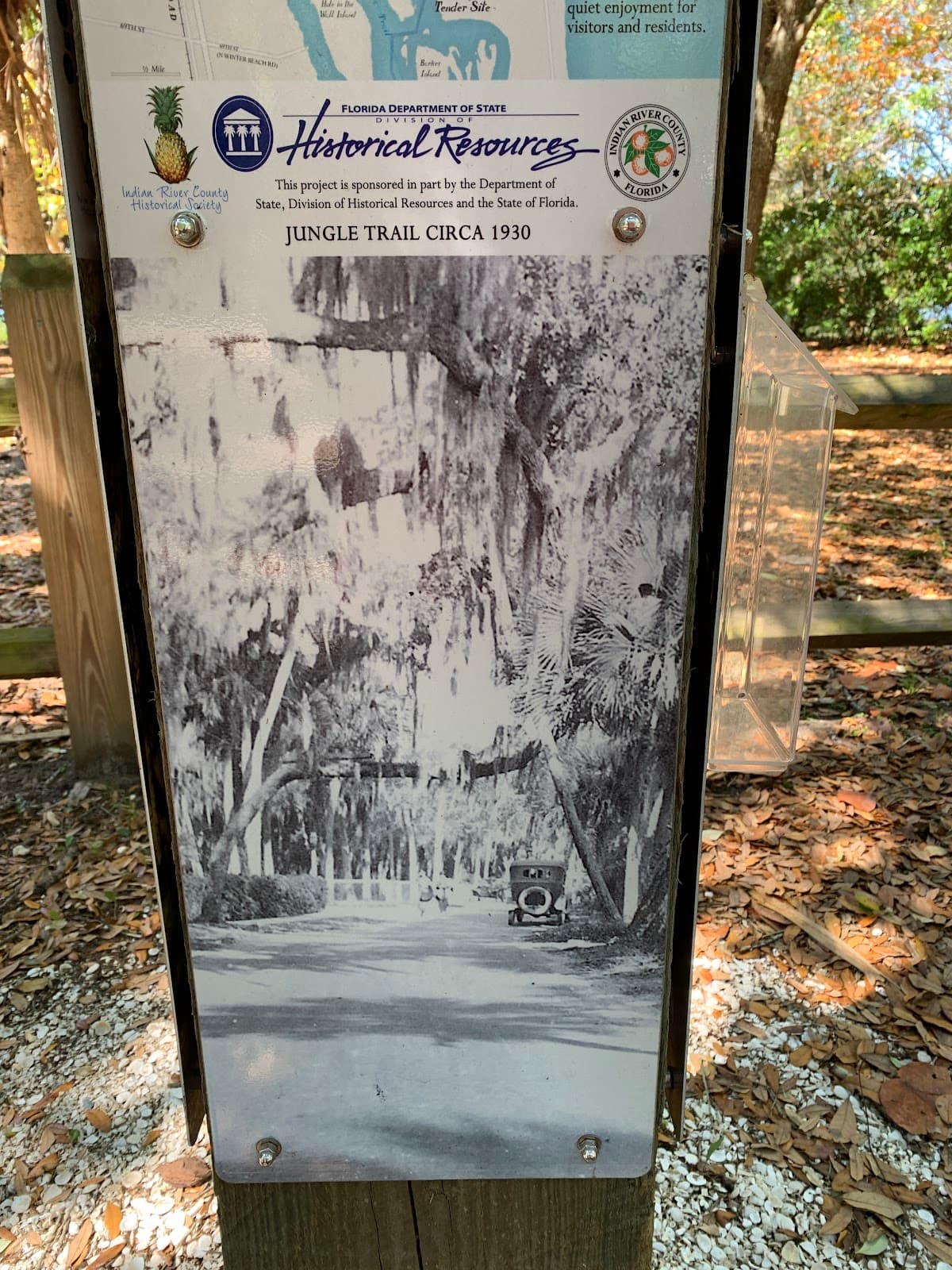
Historic Jungle Trail
Access Road
A scenic drive with potential for wildlife sightings and access to various trailheads and picnic areas.
Plans like a pro.
Thinks like you
Planning Your Visit
Timing is Key for Wildlife Viewing
Respect the Refuge Rules
Best Times
Insider Tips
from TikTok, Instagram & Reddit
Binoculars are a must! :binoculars:
Enhance your wildlife viewing experience; essential for spotting distant birds and animals.
Wear comfortable shoes :athletic_shoe:
Trails are generally flat but can be sandy or uneven in places.
Check refuge hours :clock1:
Hours can vary seasonally, so confirm before your visit to make the most of your time.
Bring bug spray :bug:
Mosquitoes can be present, especially during warmer months, though some visitors report success with mosquito control programs.
Tips
from all over the internet
Binoculars are a must! :binoculars:
Enhance your wildlife viewing experience; essential for spotting distant birds and animals.
Wear comfortable shoes :athletic_shoe:
Trails are generally flat but can be sandy or uneven in places.
Check refuge hours :clock1:
Hours can vary seasonally, so confirm before your visit to make the most of your time.
Bring bug spray :bug:
Mosquitoes can be present, especially during warmer months, though some visitors report success with mosquito control programs.
Pack water & snacks :water_wave:
Limited facilities on-site, so come prepared for your exploration.
What Travellers Say
Reviews Summary
Visitors praise Pelican Island National Wildlife Refuge for its historical significance as the first U.S. refuge and its beautiful natural setting. The Centennial Trail and observation tower are highlighted as excellent spots for wildlife viewing and learning about conservation. Some visitors noted the potential for unleashed pets, which is contrary to typical refuge rules.
"We visited on a late Friday afternoon in late December 2024. The weather was great and driving down the jungle trail to the parking lot was a fun experience. We've experienced similar roads to some other National Wildlife Refuges we've visited.
At the parking lot there is a nice bathroom and signage/information about the refuge. We continued down the road to the Centennial Trail. Being the FIRST National Wildlife Refuge, it was befitting how they designed this trail. It starts at the most recent Wildlife Refuge and lists the year and goes back in time as you walk the entire trail/boardwalk. It was fun reminiscing on the different ones we've visited over the years and the kids trying to find their favorites. The trail ends at the observation tower and there are plenty are benches on the trail as well. It's a pretty gradual slope and I think is pretty wheelchair accessible.
We only had time to do the one trail but we did see other folks with bikes and a number of cars in the main parking lot. There was only 1 other car with us at the trail head parking. There was also a nice picnic bench area under a pavilion covering. There was also a very surprising lack of mosquitos, which probably means their mosquito program is working great. There were warning signs and low flying aircraft that they were using for mosquito control. Drones are not allowed at the refuge.
The one thing that jumped out to us was 1 car parked near the entrance to the centennial trail where a guy looked to be chasing his unleashed dog, who was running into the tall grass and brush barking wildly at something? I didn't say anything but I recall most wildlife refuges not allowing pets like dogs in the park and especially ones not on a leash. However, every unit can have it's own rules so maybe this one was an exception.
We would gladly return and explore more of this Wildlife Refuge."
David L.
"Wonderful natural area, beautiful views, both easy and moderate hikes, gorgeous. Recommended."
Vernon Dickson
"The country's first national wildlife refuge. We came right after Hurricane Milton, so we stuck to the paved trail to the overlook. We saw two snakes and a blue heron. He loved the path up to the overlook with the names of all the wildlife refuges in the U.S. This is really a beautiful place and we learned a lot during our short visit."
Karrie Clark
What People Like
What People Dislike
Frequently Asked Questions
🚇 🗺️ Getting There
The refuge is located north of Vero Beach, Florida. Access is primarily via the Historic Jungle Trail off A1A. Follow signs for the refuge entrance. Parking is available at various trailheads, including the main lot for the Centennial Trail.
Public transportation options are limited. It is best to drive your own vehicle or rent a car to access the refuge and explore its various areas.
From A1A, turn onto the Historic Jungle Trail. Follow this scenic road, and you will find signs directing you to the parking areas for the Centennial Trail and other access points.
Yes, biking is a popular way to explore the Historic Jungle Trail and access different parts of the refuge. Many visitors enjoy cycling along the coast.
Entry to Pelican Island National Wildlife Refuge is generally free. However, it's always a good idea to check the official refuge website for any potential changes or special event fees.
🎫 🎫 Tickets & Entry
No, tickets are not required for entry into Pelican Island National Wildlife Refuge. It is a free public access area.
The refuge is typically open daily from sunrise to sunset. However, it's recommended to check the official U.S. Fish and Wildlife Service website for the most current hours of operation, as they can vary seasonally.
The Centennial Trail boardwalk is designed to be gradual and is considered largely wheelchair accessible, offering a smooth path to the observation tower.
The refuge is generally open from sunrise to sunset. Overnight stays or visits outside of these hours are typically not permitted to protect wildlife and ensure safety.
While not always consistently available, guided tours or ranger programs may be offered. It's best to check the refuge's official website or contact them in advance for any scheduled tour information.
📸 📸 Photography
The observation tower at the end of the Centennial Trail offers excellent vantage points for bird photography. The mangrove areas and salt marshes are also prime locations.
No, drones are strictly prohibited at Pelican Island National Wildlife Refuge to avoid disturbing the wildlife and their habitats.
You can photograph a wide variety of birds, including pelicans, egrets, herons, and migratory species. Keep an eye out for marine life and other coastal creatures. +1
While generally safe, always be aware of your surroundings. The trails are well-maintained, but uneven terrain can exist. Secure your gear and be mindful of the environment.
Early mornings and late afternoons offer the best light for photography, often referred to as the 'golden hours.' This is also when wildlife is most active.
🎫 🌿 Nature & Wildlife
Pelican Island is a haven for birds, including brown pelicans, egrets, herons, and numerous migratory species. You might also spot marine life in the surrounding waters. +1
Established in 1903 by President Theodore Roosevelt, it was the first federal bird reservation in the U.S., created to protect birds from extinction due to plume hunting. 
Check the refuge's official schedule for any available guided walks or educational programs. These can offer deeper insights into the refuge's ecosystem and history.
The refuge protects vital habitats including mangrove forests, salt marshes, seagrass beds, and nesting sites for over 140 species of birds.
While the refuge is primarily known for its birdlife, the surrounding Indian River Lagoon is an important ecosystem. Specific sea turtle nesting sites are protected in the broader region, and sightings are possible.



Social
from TikTok, Instagram & Reddit