
Eagle Lake Mineral King
A challenging hike to a stunning alpine lake in the rugged Mineral King Valley, known for its dramatic granite peaks and abundant wildlife.
Highlights
Must-see attractions

Social
From TikTok & Reddit
Best Time
Beat the heat and crowds
Eagle Lake Mineral King
Best Time
Beat the heat and crowds
Highlights
Must-see attractions
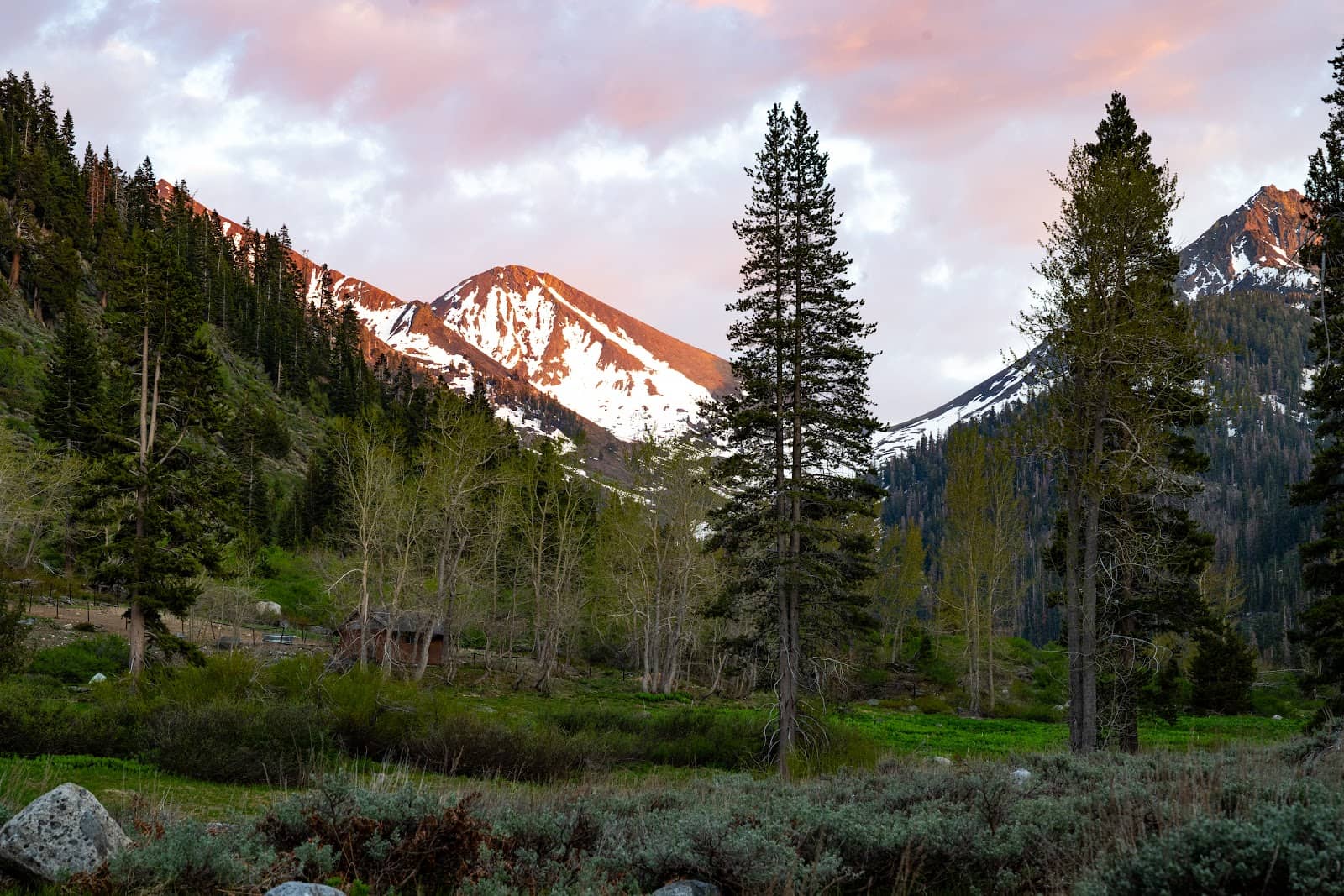
A challenging hike to a stunning alpine lake in the rugged Mineral King Valley, known for its dramatic granite peaks and abundant wildlife.
"The end, the lake, it's really nice... like a good reward for a hard work."

🚗 Prepare for the Drive
The Mineral King road is rough! A high-clearance vehicle is a must. Allow ample time for this scenic, but slow, journey .
🐿️ Marmot Proof Your Car
Marmots love to chew car cables. Many visitors use tarps to protect their vehicles. Keep food secured!

Highlights
Discover the most iconic attractions and experiences
Eagle Lake
Mineral King Valley
A stunning alpine lake nestled in a granite cirque, offering breathtaking views and a rewarding destination after a challenging hike.
White Cliff
Side trail from White Cliff Junction
A sheer, ancient rock face dominating the western side of the valley, offering dramatic geological vistas and a unique photo opportunity.
Upper Eagle Falls
On the trail to Eagle Lake
Witness sensational waterfalls and streams, especially during peak snowmelt runoff, adding to the dramatic beauty of the hike.
Plans like a pro.
Thinks like you
Planning Your Visit
The Road to Mineral King

Wildlife Encounters & Preparation
Best Times
Insider Tips
from TikTok, Instagram & Reddit
🚗 Prepare for the Drive
The Mineral King road is rough! A high-clearance vehicle is a must. Allow ample time for this scenic, but slow, journey.
🐿️ Marmot Proof Your Car
Marmots love to chew car cables. Many visitors use tarps to protect their vehicles. Keep food secured!
🥾 Challenging Trail Ahead
This hike is tough! Don't be fooled by the distance; it's a strenuous climb with rocky sections. Reward yourself at the lake!
💧 Lake is Shallow for Swimming
While beautiful, Eagle Lake is shallow along the edges, making it less ideal for swimming than some other alpine lakes.
Tips
from all over the internet
🚗 Prepare for the Drive
The Mineral King road is rough! A high-clearance vehicle is a must. Allow ample time for this scenic, but slow, journey.
🐿️ Marmot Proof Your Car
Marmots love to chew car cables. Many visitors use tarps to protect their vehicles. Keep food secured!
🥾 Challenging Trail Ahead
This hike is tough! Don't be fooled by the distance; it's a strenuous climb with rocky sections. Reward yourself at the lake!
💧 Lake is Shallow for Swimming
While beautiful, Eagle Lake is shallow along the edges, making it less ideal for swimming than some other alpine lakes.
🎒 Pack for an Overnight
Consider an overnight backpacking trip to fully experience the valley's beauty and avoid a rushed day hike.
What Travellers Say
Reviews Summary
Visitors rave about the breathtaking beauty of Eagle Lake and the dramatic granite landscapes of Mineral King Valley. The challenging hike is considered a significant accomplishment, with the stunning alpine lake serving as a perfect reward. However, the notoriously difficult and long drive to the valley is a major deterrent for some, and wildlife, particularly marmots, can be a concern for vehicle owners.
"An Adventure to Eagle Lake: A Journey Through Time and Granite
Your hike to Eagle Lake is more than just a 5.3-mile trek; it's a journey through the heart of the Sequoia National Forest's stunning Mineral King Valley, a landscape steeped in both natural beauty and human history. Starting from the Eagle Lake trailhead, your path initially winds through a forest of towering conifers, the air filled with the scent of pine and rich earth.
As you ascend, the trail reveals the first of its key landmarks: the White Cliff Junction. Here, a decision point beckons. The path to the right continues to Eagle Lake, but a side trail to the left leads to the spectacular White Cliff, a sheer face of ancient, light-colored rock that dominates the western side of the valley. This junction marks the transition from the forested lower slopes to the more exposed, rocky terrain characteristic of the higher elevations.
Continuing your ascent toward Eagle Lake, you'll soon encounter the Mosquito Lake Junction. This point offers another glimpse into the interconnectedness of the Mineral King trail system. The path to the right continues your main journey, while the path to the left leads to the series of shimmering alpine lakes known collectively as the Mosquito Lakes. This junction is a testament to the area's geological past, where glaciers carved out these basins, leaving behind a string of pristine bodies of water.
The final leg of your journey is arguably the most dramatic. Leaving the marked trail behind, you'll navigate a natural staircase of granite rocks. This section, a scramble over polished stone and between massive boulders, requires focus and a steady foot. It’s a final, exhilarating challenge that rewards you with an unmatched sense of accomplishment. The effort is forgotten the moment you crest the final rise and the breathtaking, crystalline waters of Eagle Lake come into view, nestled in a cirque of granite peaks.
A Glimpse into the Past: Mineral King's European Settlers
The pristine wilderness you're hiking through today was once the scene of a very different kind of adventure, one driven by the promise of riches. The story of European settlement in Mineral King Valley is primarily a tale of the 1870s and 1880s mining boom. Prospectors, drawn by rumors of rich mineral deposits—especially silver—began arriving in the rugged valley.
The first major discovery was made in 1873 by a prospector named James S. Lovelace, who found silver ore near what would become the community of Mineral King. This discovery, and others that followed, ignited a frenzy. Companies were formed, mines were dug, and a small but bustling community emerged. The challenging journey to the valley, which was then little more than a pack trail, was a testament to the determination of these early settlers. They built roads, constructed cabins, and established a small town complete with a post office and a general store.
The area was surveyed and claims were filed, with names like the Empire, the White Chief, and the Lady Franklin becoming common on maps. However, the mineral wealth proved to be more elusive than initially hoped. The ore was often low-grade, and the harsh winters and remote location made extracting and transporting it incredibly difficult and expensive. By the early 1900s, the silver boom had largely fizzled out. The mining era left its mark, however, with old mine shafts and cabins still scattered throughout the valley, silent monuments to a time when a different kind of explorer roamed this landscape.
Today, your hike on the Eagle Lake Trail is a connection to both the enduring natural beauty and the brief, but determined, human history of Mineral King, a place where the wild beauty of the Sierra Nevada is intertwined with the dreams of those who came before."
beyondnature1980
"Upper Eagle Falls and Eagle Lake make for a beautiful hiking date. Nice granite trail fantastic views. Big snow melt runoff produces great flow and sensational water falls and streams."
ศุภญาการ์เมนท์ เสื้อยืด เสื้อโปโล เสื้อกาวน์ ชุดสครับ ถุงผ้า
"The view was awesome with lots of deer and marmots."
David Heine
What People Like
What People Dislike
Frequently Asked Questions
🚇 🗺️ Getting There
The primary access is via the Mineral King Road, a challenging, unpaved, and winding route from Highway 198. It's about 25 miles long and takes 1.5-2 hours to drive, with significant elevation gain. High-clearance vehicles are strongly recommended, and it's not suitable for RVs or trailers.
No, the Mineral King Road is typically closed during winter due to snow, usually from November through late May or early June. Always check current road conditions with the National Park Service before planning your visit.
A high-clearance vehicle is highly recommended due to the rough, unpaved, and often uneven terrain of the Mineral King Road. SUVs or trucks are ideal. Sedans may struggle.
Yes, you can drive to the Eagle Lake trailhead, which is located at the end of the Mineral King Road. Parking is available, but it can fill up, especially on weekends and during peak season.
Mineral King is located about 1.5 hours driving time from the Ash Mountain Entrance of Sequoia National Park. The drive itself is scenic but slow due to the road conditions.
🎫 🎫 Tickets & Entry
A wilderness permit is required for overnight stays in the Mineral King area, including backpacking to Eagle Lake. Day hikers do not need a permit, but it's always a good idea to check the Sequoia National Park website for the latest regulations.
Yes, there is an entrance fee to Sequoia National Park, which covers access to Mineral King. The fee is typically per vehicle and valid for seven days. You can purchase it at the park entrance stations.
Mineral King is generally accessible during daylight hours when the road is open. There are no specific 'operating hours' for the valley itself, but the road closure due to snow is the main limiting factor.
No, parking at the Eagle Lake trailhead is on a first-come, first-served basis. Arrive early, especially on weekends and holidays, to secure a spot.
Cell service is extremely limited to non-existent in Mineral King. Download offline maps and inform someone of your hiking plans before you go.
🎫 🏞️ Onsite Experience
The hike to Eagle Lake is approximately 5.3 miles roundtrip from the trailhead. It's considered a strenuous hike due to significant elevation gain and rocky terrain.
While Eagle Lake is beautiful, it's generally shallow along the edges, making it less ideal for swimming compared to some other alpine lakes. It's more for enjoying the scenery.
You can expect to see deer, marmots, and various bird species. Keep a safe distance from all wildlife and never feed them.
Yes, there are vault toilets available at the Eagle Lake trailhead. It's advisable to bring your own hand sanitizer.
The Eagle Lake trail is considered challenging and is not recommended for absolute beginners due to its length, elevation gain, and rocky sections. Experienced hikers with good fitness levels will find it more manageable.
🍽️ 🍽️ Food & Dining
No, there are no restaurants, stores, or food services within Mineral King Valley. You must bring all your own food and water for your visit. Pack it in, pack it out.
The nearest towns with grocery stores are Three Rivers (closest to the park entrance) or Visalia (further out). Stock up before you begin your drive into Mineral King.
Yes, picnicking is allowed in designated areas. Ensure you pack out all your trash and food scraps to protect the environment and wildlife.
For a day hike, pack high-energy snacks like trail mix, energy bars, fruit, and sandwiches. Bring plenty of water, or a water filter if you plan to refill from natural sources (check water quality first).
Campfire regulations vary by season and fire danger. Check with the National Park Service for current restrictions. If allowed, use designated fire rings and ensure fires are completely extinguished.
📸 📸 Photography
The views along the Mineral King Road itself are stunning. At Eagle Lake, the granite peaks surrounding the lake offer dramatic backdrops. The White Cliff is also a prime photography location.
Early morning and late afternoon offer the best light for photography, with softer shadows and warmer tones. Midday sun can be harsh.
A wide-angle lens is great for capturing the expansive mountain scenery. A telephoto lens can be useful for wildlife. A sturdy tripod is helpful for low-light conditions or long exposures of waterfalls.
General photography is allowed. However, drone usage is restricted in National Parks. Always be mindful of the environment and avoid disturbing wildlife for a photo.
Majestic granite peaks, alpine lakes, wildflowers (in season), waterfalls, deer, marmots, and the rugged beauty of the Mineral King Valley itself are all excellent photographic subjects.
For Different Travelers
Tailored advice for your travel style
👨👩👧 Families with Kids
+1If attempting the Eagle Lake hike, be prepared for a strenuous climb. It might be more suitable for older children or teens who are accustomed to hiking. Pack plenty of snacks and water, and make the journey engaging by pointing out interesting plants, rocks, and potential animal tracks. The reward of reaching the lake can be a great motivator for kids who enjoy a challenge.
🎒 Backpackers & Overnight Adventurers
+1Remember that wilderness permits are required for overnight stays. Plan your route, pack essential gear including bear-resistant food storage, and be prepared for variable weather conditions. The challenging drive to the trailhead means you'll likely be carrying a heavier pack for longer, so ensure you're well-prepared for the ascent. The solitude and beauty of an overnight stay are well worth the effort.
🚗 Day-Trippers Focused on Scenery
+1For a shorter hike, consider exploring the areas closer to the trailhead or taking a brief walk to a viewpoint. While Eagle Lake is a significant hike, the journey to the White Cliff offers a rewarding, albeit still challenging, side trip for those seeking dramatic geological formations without the full commitment to the lake.
Deep Dives
In-depth insights and expert knowledge
The Challenging Ascent: Hiking to Eagle Lake
Key junctions along the way include White Cliff Junction, offering a detour to the impressive White Cliff, and Mosquito Lake Junction, hinting at the series of alpine lakes nearby. The final approach to Eagle Lake involves a scramble over natural granite steps, a challenging but exhilarating part of the journey that truly tests your footing and resolve. The reward for this effort is the breathtaking sight of Eagle Lake, a pristine alpine gem cradled by towering peaks.
Given the difficulty, many visitors opt for an overnight backpacking trip to fully appreciate the area and avoid a rushed day hike. This allows for more time to explore, enjoy the solitude, and experience the magic of the high Sierra. Remember to pack accordingly for elevation, sun exposure, and potential temperature drops, even in summer.
+1Mineral King's Wild Residents: Wildlife Encounters
+1A notable resident of Mineral King is the marmot. These large rodents are known for their curiosity and their tendency to chew on car parts, particularly electrical wires and hoses. Many visitors protect their vehicles by wrapping tarps around vulnerable areas, a common sight in Mineral King parking lots. While they can be a nuisance, their presence is a reminder of the wild nature of this valley.
+1Other wildlife you might encounter includes various bird species, squirrels, and potentially even black bears (though sightings are less common). Always be bear-aware: store food properly in bear-resistant containers or at designated food lockers, and know what to do if you encounter a bear. Respecting wildlife and their habitat is paramount to preserving the natural beauty of Mineral King.
A Glimpse into the Past: Mineral King's Mining History
Despite initial excitement and the formation of mining companies, the dream of vast mineral wealth largely faded. The ore was often low-grade, and the extreme remoteness and harsh winters made extraction and transportation prohibitively expensive. By the early 1900s, the mining era had mostly concluded, leaving behind remnants like old mine shafts and cabins as silent testaments to this period of human endeavor.
Today, hiking through Mineral King offers a unique connection to this history. While the focus is on the stunning natural landscapes, the echoes of the past add another layer of depth to the experience. It's a reminder that this rugged valley has been a place of adventure and aspiration for different kinds of explorers throughout history.


Social
from TikTok, Instagram & Reddit